
By the editorial team | Updated October 2026
Quick Answer
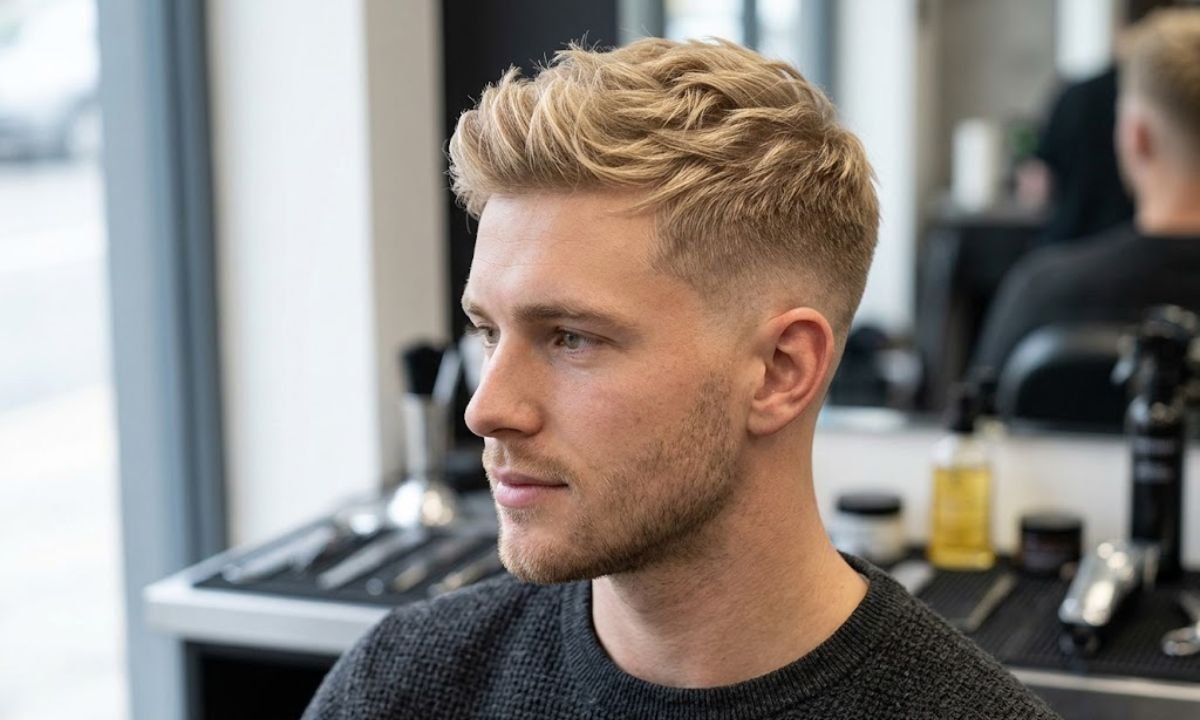
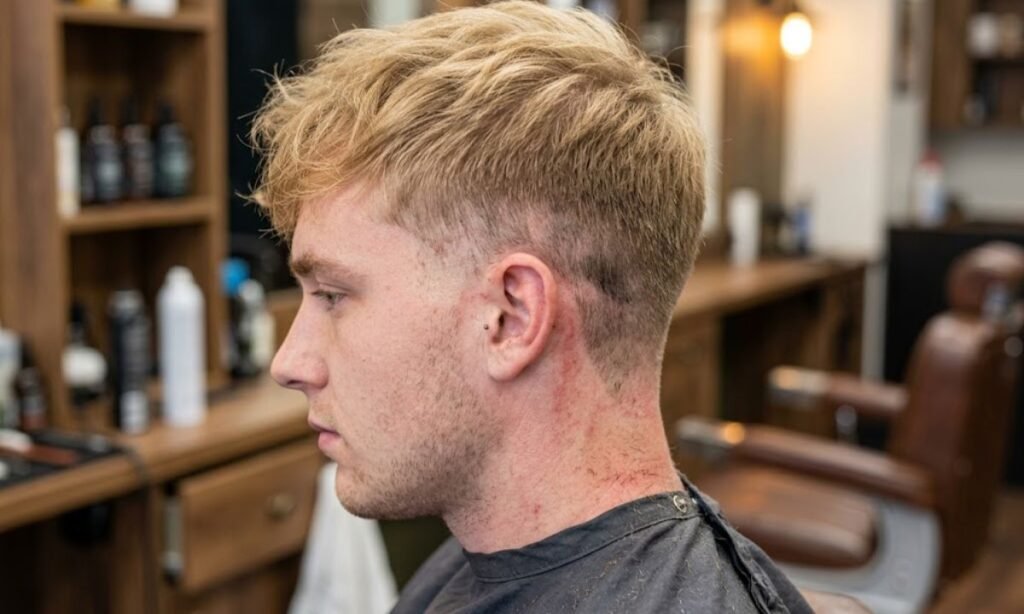
A low taper fade blonde hair look keeps the sides and back short, with a gentle fade that starts low near the ears and neckline.
The top stays longer and blonde, so the contrast looks soft instead of sharp.
To get it, ask your barber for a low taper fade haircut with a shadow finish or a skin finish, then name your blonde shade and top length.
Bring two reference photos, because “low” means different things to different barbers.
Expect a trim every 3 to 4 weeks to keep the edges clean, and a blonde root touch-up every 4 to 8 weeks depending on your shade.
Use purple shampoo for blonde hair once a week at most, and protect the top with a heat protectant for blonde hair whenever you blow dry.
Quick snapshot:
- Best for: most hair types, from straight to low taper fade for coily hair
- Fade start: just above the ear and along the nape
- Top length: short crop to long blowout
- Maintenance: moderate, mostly the color and the neckline
- Biggest risk: bleaching too fast and ending up with breakage
What is a low taper fade on blonde hair?
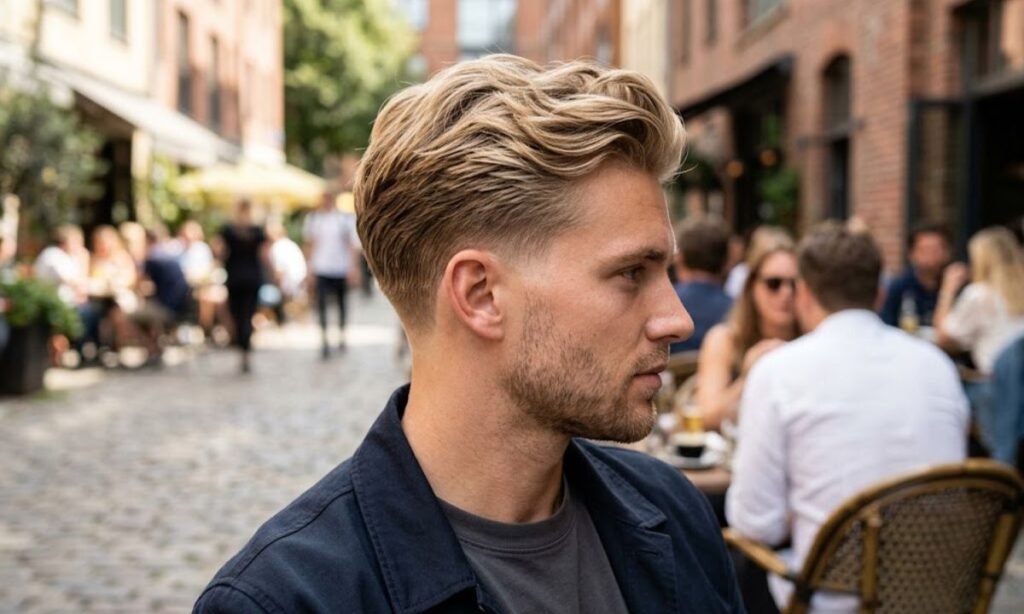
If you’re asking what is a low taper fade on blonde hair, think of it as a haircut and a color choice working as a team.
The haircut shortens the sides gradually, and the color lights up the top.
The word “low” matters here.
The fade stays tight around the ears, the tapered sideburns, and the tapered neckline, so the cut never climbs up the sides of your head.
That’s why this style looks clean at work and still fits a weekend out.
You don’t look like you’ve gone through a dramatic makeover, just a sharper version of yourself.
Low taper fade vs low fade vs skin fade
People mix these terms up all the time, and barbers don’t always help.
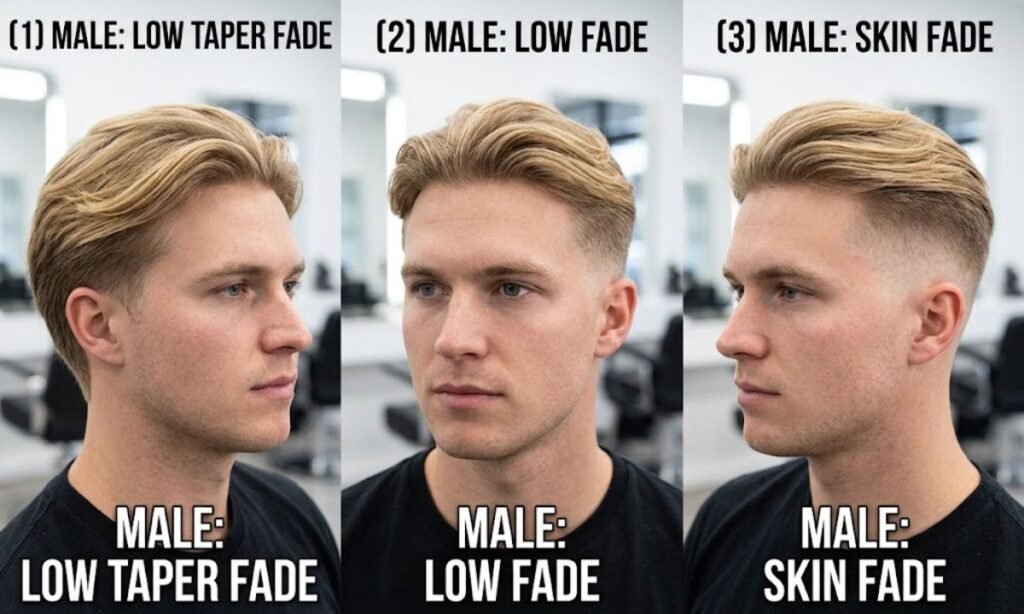
Here’s the plain version of low taper fade vs low fade vs skin fade.
A low taper trims the hair short at the edges and leaves the length mostly alone.
A low fade haircut blends the sides down to a much shorter length, often through several clipper guards.
A skin fade haircut takes that blend all the way to bare skin.
Sometimes people call it a bald fade haircut, which sounds scarier than it looks.
That covers the difference between low taper and low fade, but a table makes it easier to compare:
| Style | Where it ends | Contrast | Best for |
|---|---|---|---|
| Low taper fade | Slightly shorter at ears and neck | Soft | Daily wear, easy upkeep |
| Low fade | Noticeably shorter sides | Medium | A cleaner, tighter look |
| Low skin fade | Bare skin at the bottom | Sharp | Bold contrast, frequent trims |
| Shadow taper fade | Faint shadow, no bare skin | Very soft | Subtle, natural finish |
Here’s the difference between low taper fade and skin fade in one line.
The taper leaves some hair behind, while the skin fade leaves none.
A shadow taper fade sits in the middle.
It looks like a soft cloud of hair that fades out, instead of a clean bare line.
So should you get a shadow fade or skin fade?
Choose the shadow if you want low maintenance, and choose skin if you love a crisp edge and don’t mind seeing your barber more often.
Why does blonde hair change the look of the fade?

Blonde hair reflects light instead of absorbing it.
That’s how blonde hair changes the look of a fade, and it explains why the same cut can look very different on a dark-haired friend.
On dark hair, the fade creates a heavy gradient from black to skin.
On blonde hair, the gradient is lighter and flatter, so you see less contrast.
That’s why blonde hair makes a fade look softer.
The short sides blend into your scalp color, and the blonde top glows on its own.
There’s a catch, though.
If your hair is very pale, the fade can almost vanish in bright light, so texture and top shape do more of the work.
Here’s a quick example.
Imagine two friends getting the same low taper at the same chair, one with dark brown hair and one with natural blonde taper fade coloring, and you’ll see the brunette’s fade looks sharper and the blonde’s looks airy.
Does a low taper fade suit your hair?

Most people ask does a low taper fade look good on blonde hair, and the honest answer is yes for a wide range of guys.
The cut is forgiving, and it works at nearly any length on top.
The real question is does a low taper fade suit every hair type, and that depends on texture, density, and hairline.
A good barber can adjust the cut to your head, but it helps if you know your starting point.
Let’s walk through each factor, so you can walk into the shop with confidence.
No guessing, no surprises.
Which hair textures work best?
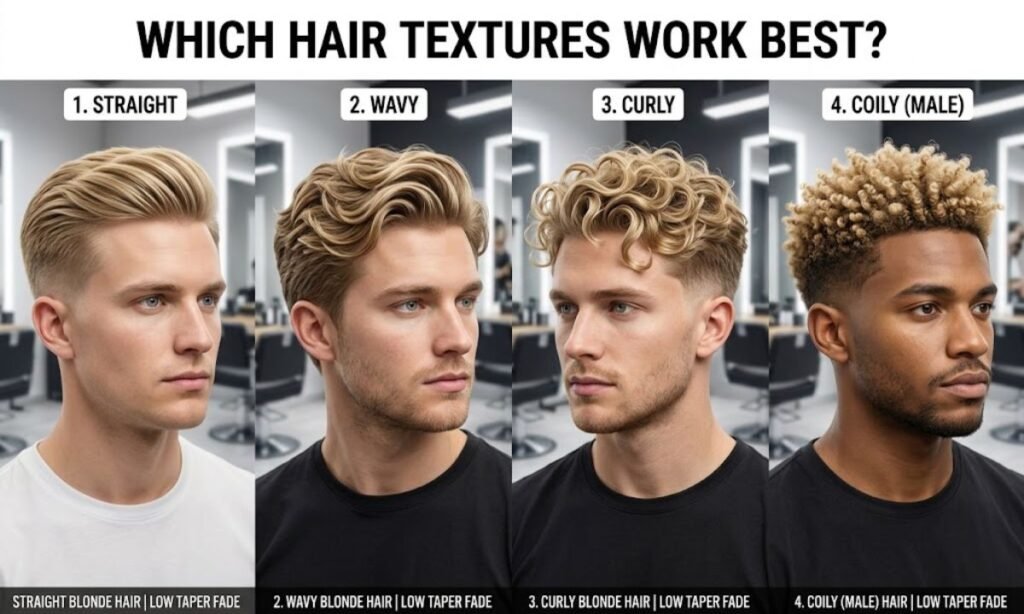
Start with texture, since it shapes everything else.
Here’s how a low taper fade behaves across common types:
- Straight hair: a low taper fade for straight blonde hair looks neat and flat, so add texture powder for lift
- Wavy hair: a low taper fade for wavy blonde hair is the easiest case, because waves give natural volume
- Curly hair: a low taper fade for curly blonde hair shows off the curl pattern, and a lightweight curl cream keeps frizz down
- Coily or afro hair: a low taper fade for coily blonde hair looks sharp, but bleaching needs extra care
- Fine or thin hair: a low taper fade for fine blonde hair adds the illusion of thickness on top
- Thick or coarse hair: a low taper fade for thick blonde hair keeps the sides from puffing out
With a low taper fade on afro hair, the cut can follow your natural shape beautifully.
Just remember that coily strands break more easily, so bleach slowly.
Fine hair deserves a quick note.
A low taper fade for thin hair works well because the short sides make the top look fuller by comparison.
What about face shape, density, and hairline?
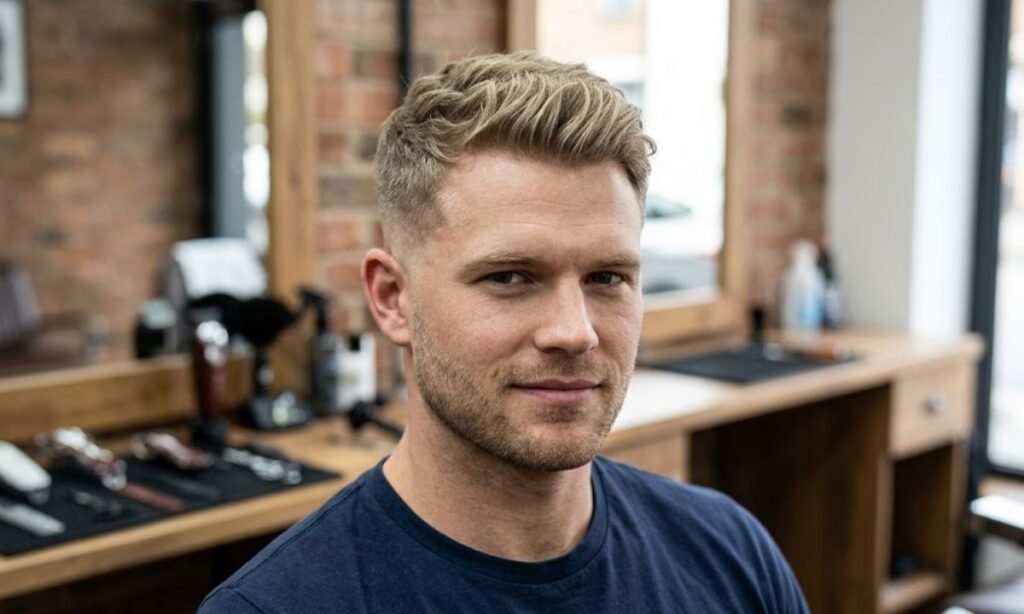
Face shape decides how much height and width you want.
Use this as a simple guide for a low taper fade for different face shapes:
- Round face: add height on top and keep the sides tight
- Square face: soften the edges with a textured fringe
- Oval face: almost any top works, so pick what you enjoy
- Long face: skip tall quiffs, and try a fringe or side part
Hairline matters just as much.
For a low taper fade for receding hairline, keep the top forward, add texture, and avoid a hard skin finish near the temples.
If you’re thinking about how to choose a low taper fade for your hairline, show your barber your hairline in a mirror first.
A good barber will tell you where the taper should start, and they’ll be honest about what won’t work.
Density is the last piece.
Low density benefits from shorter, textured tops, while high density can handle longer lengths and a blonde blowout taper.
16 best low taper fade blonde hair styles
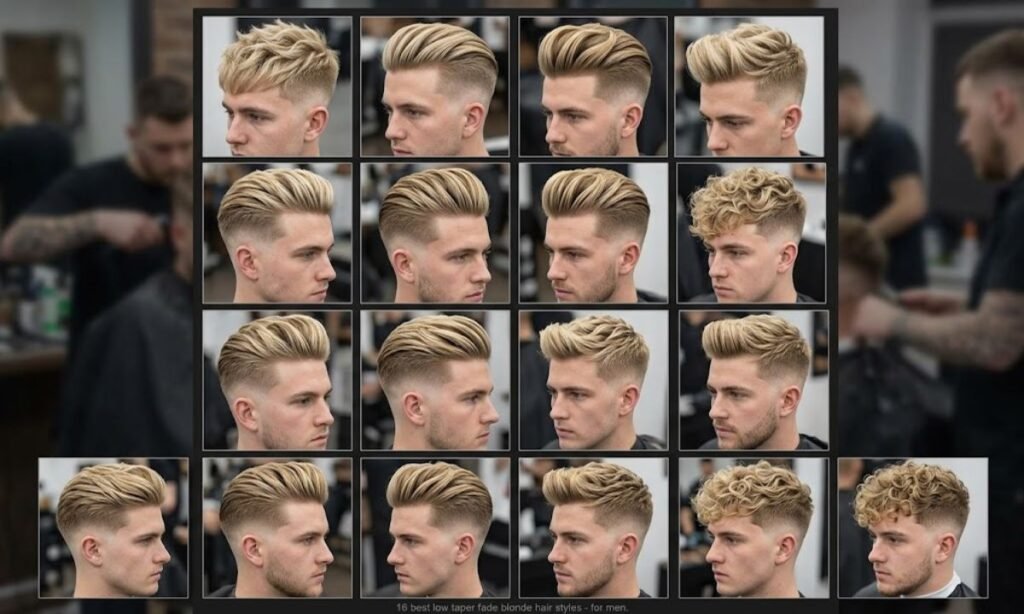
This is where it gets fun.
Below are the best low taper fade blonde hair styles, grouped by shape and by shade.
Treat this list like a menu, not a rulebook.
Mix a top from one group with a shade from another, and you’ve got something that’s yours.
One tip before we start.
Save your favorite ideas to your phone, because they’ll be your barber reference photos later.
Textured fringe and messy crop
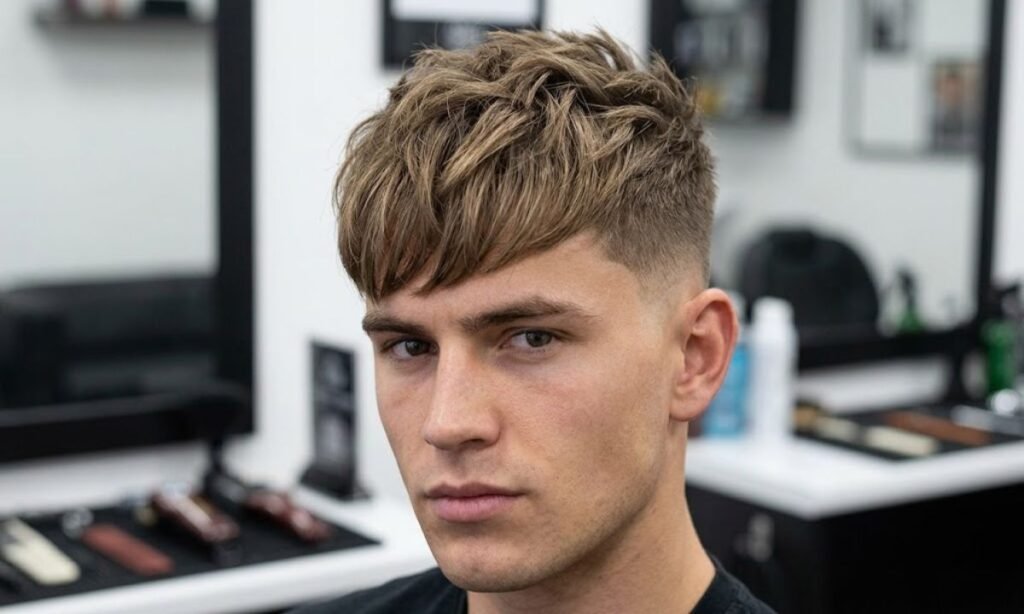
The textured fringe low taper fade is a safe bet.
You keep a short forward fringe, rough up the ends, and let the low taper do the cleaning up.
For how to style a blonde messy crop, dry the top forward with your fingers.
Then add a pea-sized amount of matte clay, and twist the ends for a lived-in finish.
A messy crop taper fade looks effortless, which is exactly why it takes a little planning.
Ask your barber to cut the top with point-cutting, so it breaks up naturally.
Why people love it: it’s quick, it hides cowlicks, and it grows out gracefully.
Watch for: a flat crown, which you can fix with a blast of cool air from the dryer.
Curly, wavy, and fluffy top

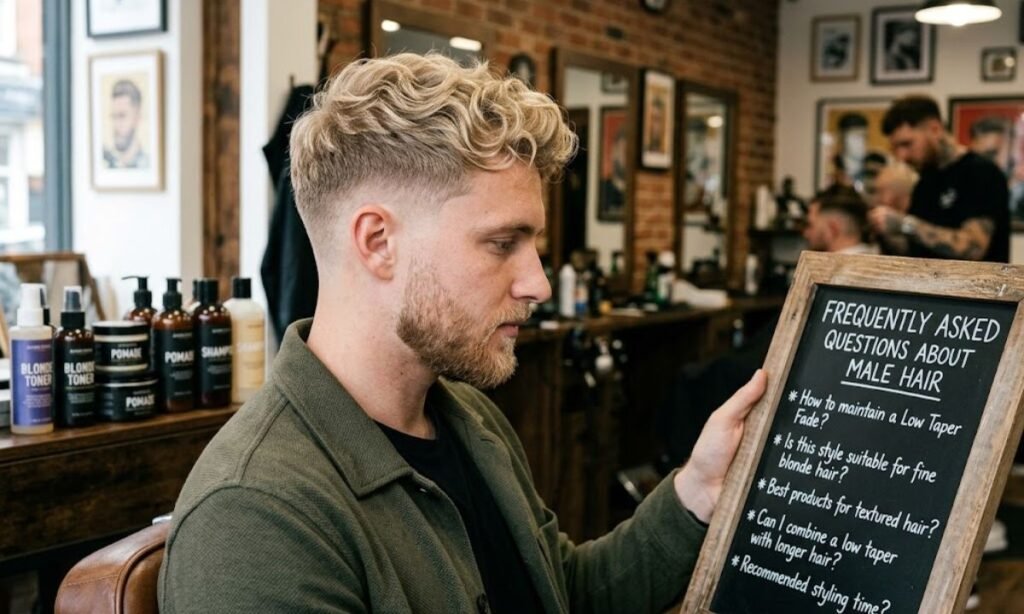
A blonde curly top with a low taper fade is a head turner.
The curls sit like a crown, and the tidy sides make them look intentional.
Blonde wavy hair with a low taper fade needs even less work.
Scrunch in some lightweight mousse, air dry, and you’re done.
Want to know how to get a fluffy blonde top with a taper fade?
Keep the top about 3 to 4 inches long, blow dry it upward with low heat, and finish with texture powder.
For how to style curls with lightweight cream, apply it on damp hair only.
Don’t brush it dry, because that’s how you turn curls into a frizzy cloud.
A fluffy top low taper fade also loves a gentle taper.
The contrast makes the volume look bigger without adding any extra product.
Short crop, Caesar, and buzz cut

Short cuts are the lowest maintenance of the bunch.
They’re ideal if mornings are rough and you don’t want to think about styling.
A blonde French crop has a short, blunt fringe and a low taper.
It’s clean, a bit classic, and flatters most face shapes.
A blonde Caesar haircut goes even shorter, with a horizontal fringe and the same neat taper.
It works well for thinning hair, because it stays close and doesn’t draw attention to the front.
The blonde buzz cut with low taper is the minimalist choice.
Set a guard on top, taper the sides with a smaller guard, and you’ve got a short blonde taper fade that takes five minutes to maintain.
A quick note on clipper guard sizes.
A #1 is about 1/8 inch, a #2 is 1/4 inch, a #3 is 3/8 inch, and a #4 is 1/2 inch, so a buzz cut on top at a #3 with a #1 taper at the sides is a typical setup.
Quiff, side part, and slick back
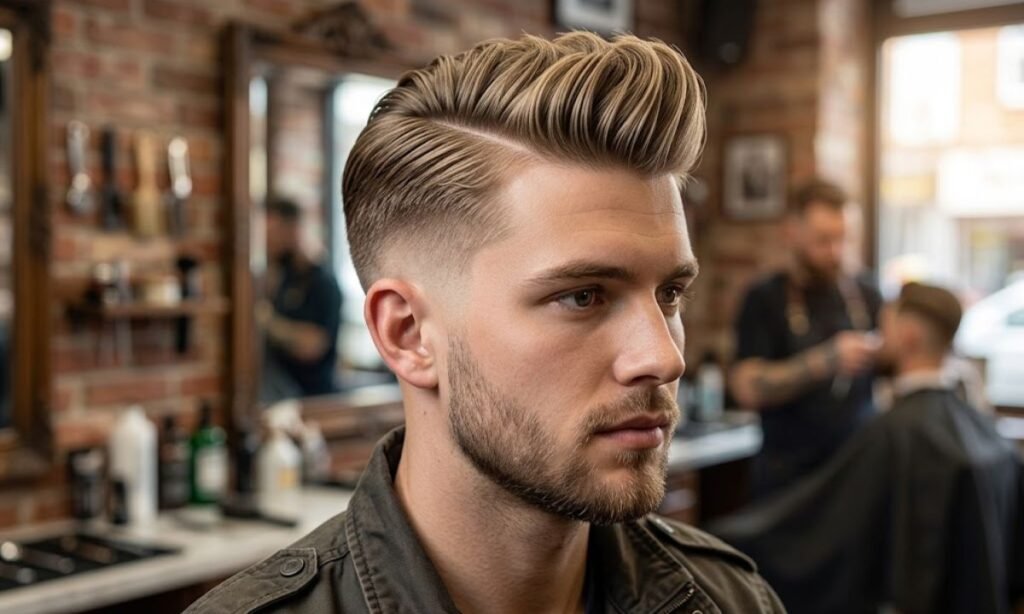
These three suit anyone who likes a polished look.
They also take a little more practice with a dryer and product.
For a textured blonde quiff with a low taper fade, lift the front while the hair is damp.
Use a round brush or your fingers with a blow dryer on medium heat, and finish with a light pomade.
A blonde side part with a low taper fade is the interview-ready option.
Part the hair about an inch above your outer eyebrow, and comb it neatly toward the longer side.
A blonde slick back taper fade works best on thick hair.
Here’s how to style a blonde slick back taper fade: towel dry, add a bit of cream, comb back, and fix the shape with a low-shine pomade.
A low taper fade with slicked-back hair looks sharp in any lighting.
Just don’t overdo the gel, or the top starts to look wet and flat.
Blowout, mullet, and longer top
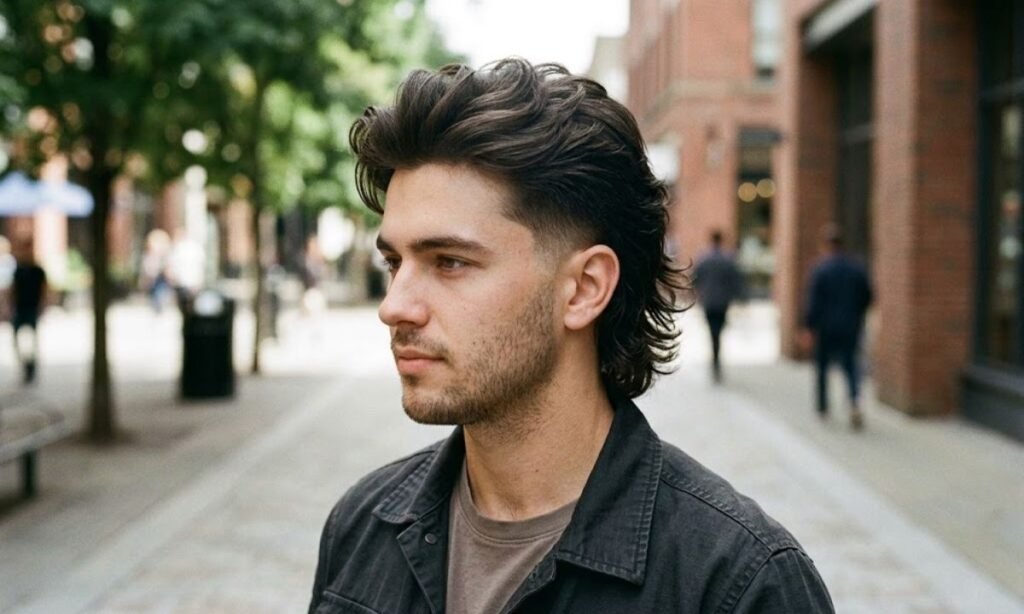
The blonde blowout with a low taper fade has made a big comeback.
It’s soft, voluminous, and a good fit for straight or wavy hair.
A blonde mullet with a low taper fade is a bolder move.
The sides are clean, the back keeps its length, and you get a throwback look that still feels modern.
If you prefer long blonde hair with a low taper fade, keep the sides short and let the top fall past your ears.
This style is a low taper fade with long hair at its most relaxed, so it suits creative or casual settings.
Need a tip for how to style a quiff with a blow dryer when the top is long?
Section the hair, dry the roots upward, and use cool air to lock in the shape.
A low taper fade with volume shines on a longer top.
A little sea salt spray at the roots goes a long way.
Platinum Blonde Low Taper Fade Haircut
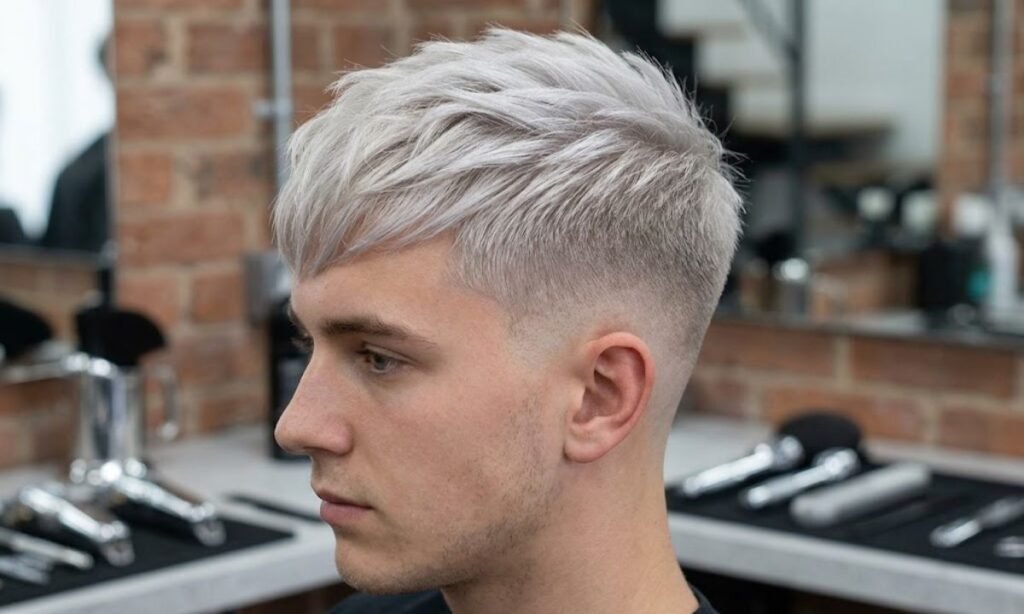
A low taper fade with platinum blonde hair is the high-impact version.
The pale top glows, and the taper keeps it grounded.
This shade needs lifting to a very light level, so it takes planning.
If you’re curious how to maintain platinum blonde hair, plan on regular toning, a weekly deep conditioner, and a colorist who knows your history.
The platinum blonde taper fade looks best with a clean skin or shadow finish.
The sides almost disappear, which makes the top look like it’s floating.
Ash Blonde Low Taper Fade with Messy Top
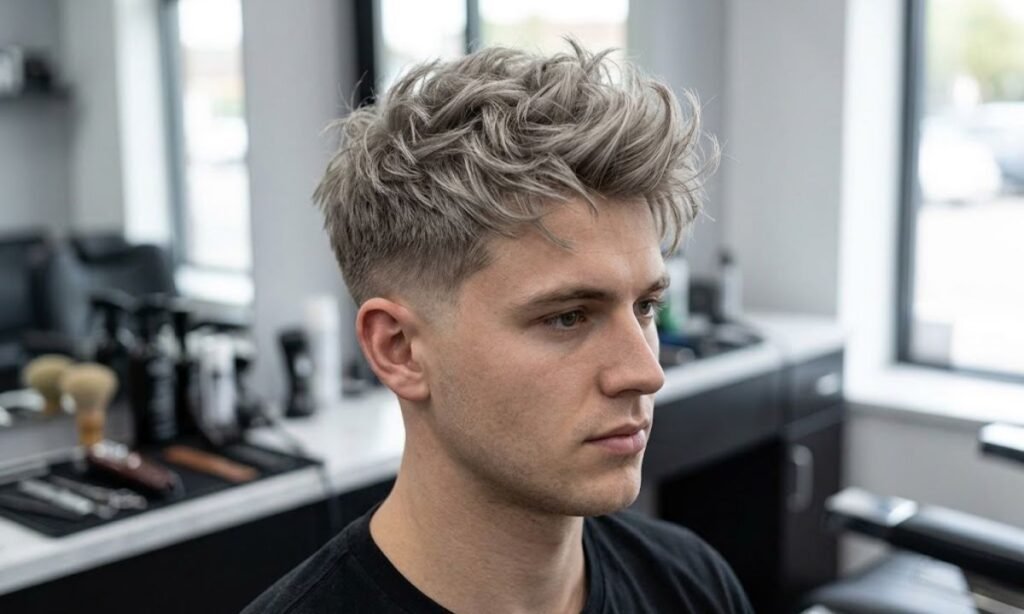
Ash blonde is cool-toned, silvery, and a little moody.
Pair it with a messy top, and the low taper keeps the whole thing from looking scruffy.
This combination works well for guys who want color without looking flashy.
It also hides yellow tones better than warm blonde does.
Wash less often, and use cool water when you can.
Ash blonde fades fast, so a toning gloss every few weeks helps.
Golden Blonde Hair with a Clean Low Taper
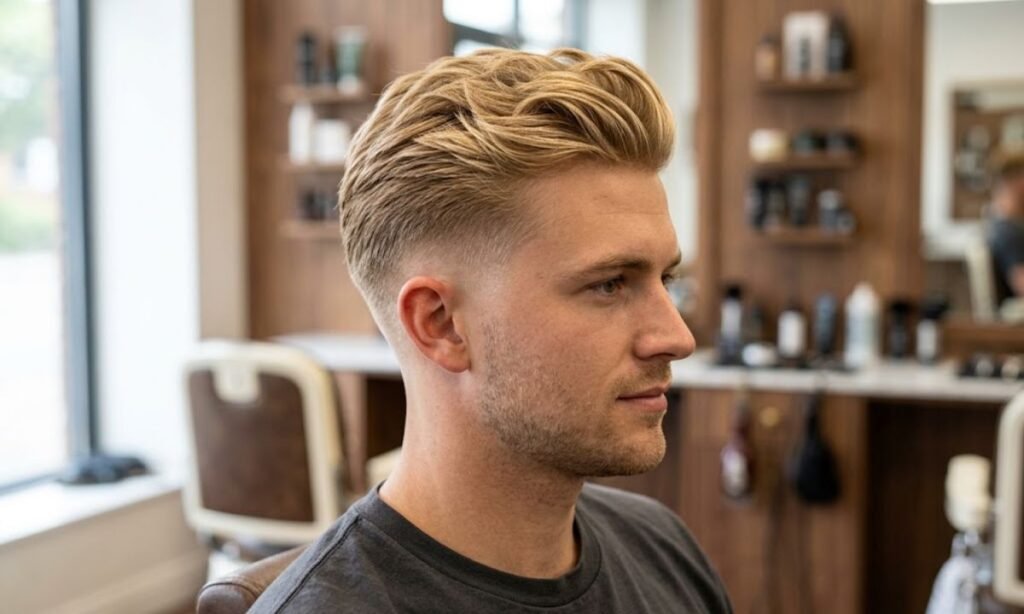
Golden blonde is warm, sun-kissed, and friendly.
A clean low taper adds structure, so the color doesn’t look like a beach holiday gone wrong.
This suits olive and tan skin tones especially well.
It’s also a good first step if you’ve never colored your hair.
A low taper fade with natural curls looks amazing in this shade.
The light catches every ring, and the warm color keeps things inviting.
Bleached Blonde Buzz Cut with Low Taper Fade

This is the low taper fade with bleached blonde hair at its simplest.
Bleach the top at a short length, then taper the sides for a crisp outline.
Short hair needs less lightener, which is kind to your strands.
That’s a big reason many people start here before going longer.
Even so, keep the buzz moisturized.
A light scalp lotion helps with dryness, and a hat in summer protects fresh color.
Icy Blonde Slick Back with Low Taper Fade

Icy blonde is a near-white shade with a cool, almost silver tint.
A slick back shows it off without hiding anything.
This style looks best on thick hair.
It’s polished enough for a wedding, yet it doesn’t look stiff.
Use a light product, because heavy waxes can dull the shade.
A tiny amount of purple shampoo every week keeps the icy tone alive.
Dark Roots with Blonde Hair and Low Taper Fade
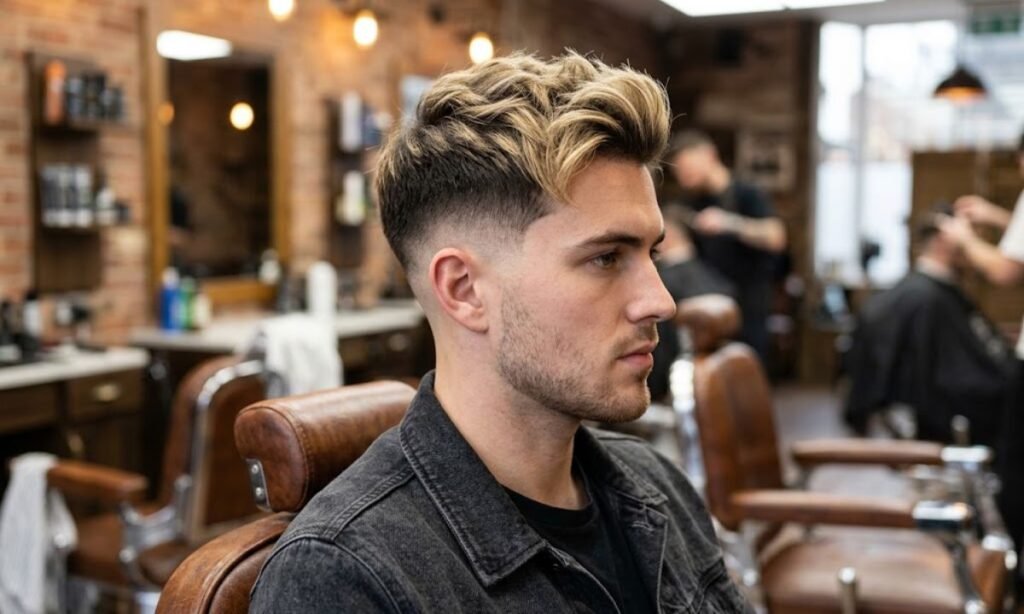
Dark roots feel relaxed and intentional.
The low taper fade with dark roots also lets you stretch time between bleach appointments.
A shadow root blends into the taper naturally, so the grow-out looks planned.
That’s a smart move if you want less upkeep on your blonde root regrowth.
Here’s a quick story.
Say a guy named Sam hates salon trips, so he keeps dark roots, a mid-length blonde top, and a shadow taper, and he books color only twice a year.
Trendy Blonde Low Taper Fade Haircuts for Every Hair Type

Trends come and go, but a few stay because they work on real heads.
Here’s how the low taper fade variations play out across hair types right now.
For straight hair, the trend is a short textured top with a soft taper.
For wavy hair, it’s a medium crop that shows the natural bend.
For curly and coily hair, the popular choice is a defined top with a tight taper around the ears.
For fine hair, it’s a cropped fringe that adds weight where you need it.
If you like numbers, try this simple pairing chart:
| Hair type | Top length | Best finish | Product pick |
|---|---|---|---|
| Straight | 2 to 3 inches | Shadow | Hair texture powder |
| Wavy | 3 to 4 inches | Shadow | Lightweight hair mousse |
| Curly | 3 to 5 inches | Shadow or skin | Lightweight curl cream |
| Coily | 2 to 4 inches | Skin | Leave-in moisturizer |
| Fine | 1 to 2 inches | Shadow | Matte hair styling products |
| Thick | 3 to 4 inches | Skin or shadow | Light pomade |
Treat that table as a starting point.
Your barber will adjust it after feeling your hair and checking your growth patterns.
Popular Blonde Low Taper Fade Ideas for a Fresh Look
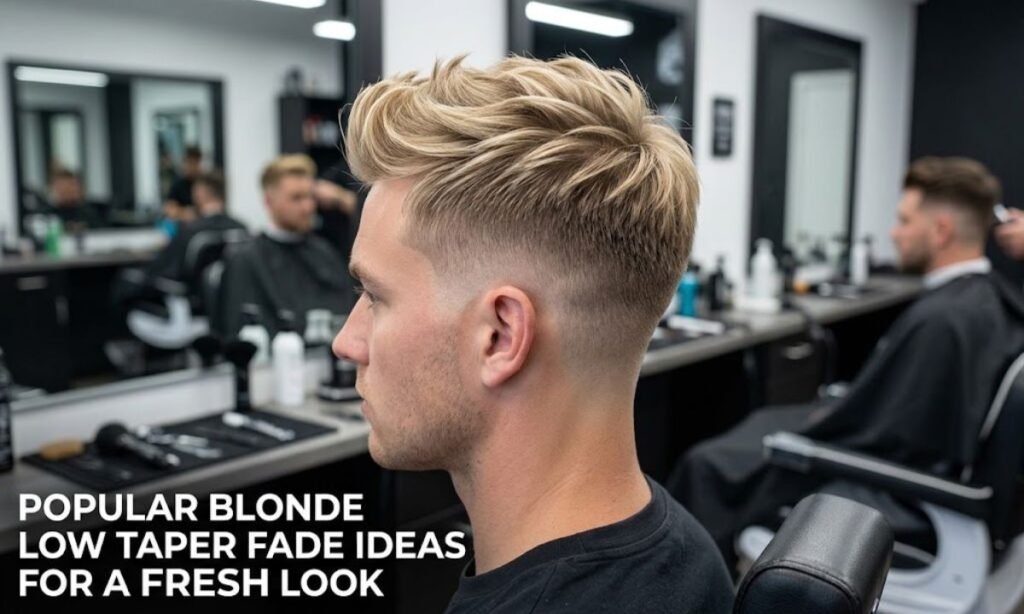
Want something that feels new without a full overhaul?
Try one of these small tweaks on your next visit.
- Blonde highlights taper fade: keep your base color and add a few lighter ribbons on top for depth
- Low taper fade with highlights: let the highlights fall on the fringe, so they frame your face
- Dirty blonde taper fade: a low taper fade with dirty blonde hair is the easiest entry, because the color already looks natural
- Low taper fade with a middle part: it gives a 90s feel, and it works best on straight or wavy hair
- Low taper fade with fringe: a shaggy fringe softens a strong jawline
Here’s why small changes work.
Your barber already knows your head, so you save time and avoid drastic surprises.
One more idea is the low taper fade with blonde highlights at the front only.
It looks bright in photos, and it costs far less than a full bleach.
How to Choose the Right Blonde Shade for a Low Taper Fade
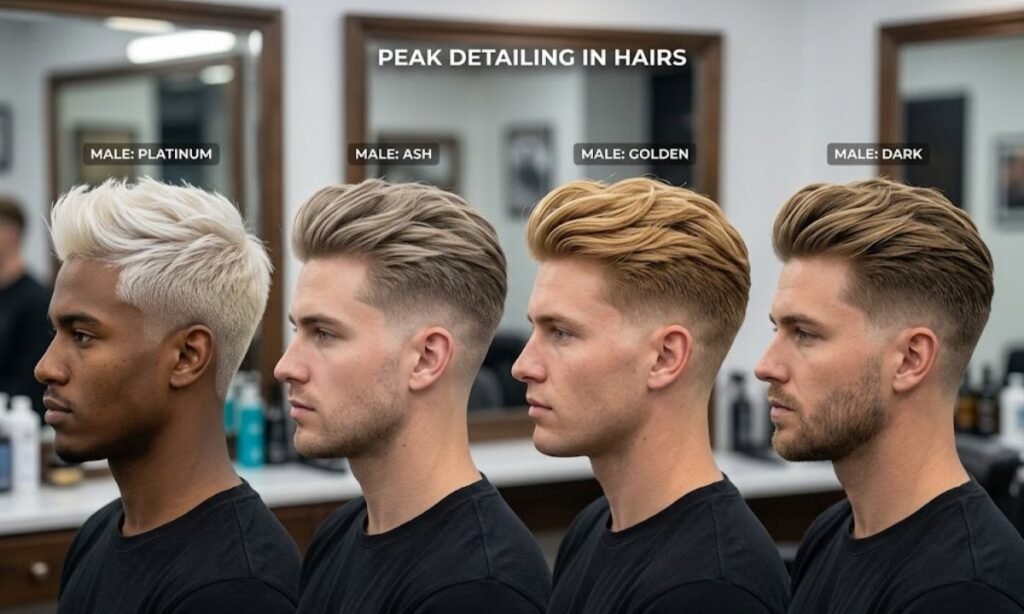
Picking a shade can feel like standing in front of a giant paint wall.
Skin tone, natural hair color, and upkeep time make the choice much easier.
Start with your skin undertone.
Warm undertones suit golden and honey blondes, while cool undertones pair well with ash, icy, and platinum.
Next, think about your natural color.
If you’re a dirty blonde, you can go lighter in a single session, but a dark brown base needs several rounds.
Here’s a quick shade guide:
| Shade | Skin undertone | Upkeep | Best top style |
|---|---|---|---|
| Natural blonde | Any | Low | Anything |
| Golden blonde | Warm | Medium | Curly or wavy top |
| Ash blonde | Cool | High | Messy crop |
| Platinum blonde | Cool or neutral | Very high | Slick back or quiff |
| Dark roots blonde | Any | Low | Medium crop |
Be honest about how much time you’ll spend on care.
Platinum looks incredible, but it demands patience and a good colorist.
If you’re unsure, start with low taper fade on natural blonde hair or a light blonde highlights taper fade.
You can always go lighter later, but going darker takes a repair job.
How do you ask a barber for this haircut?
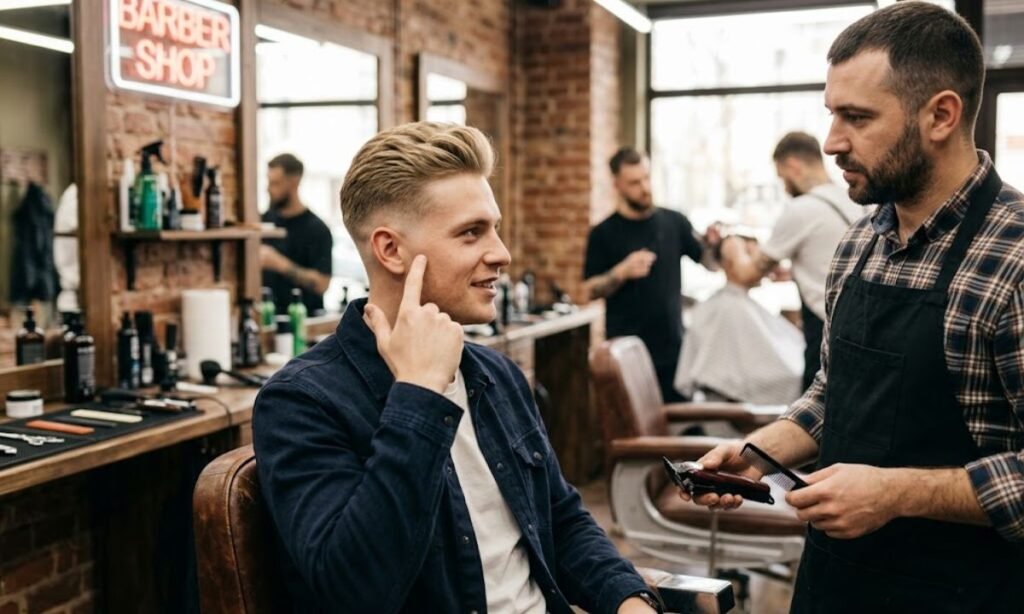
Most bad haircuts start with a bad conversation.
That’s not the barber’s fault, and it isn’t yours either.
A good haircut consultation takes about two minutes.
It saves you weeks of regret.
Here’s how to set it up.
You’ll bring pictures, use clear words, and ask a few questions.
What reference photos should you bring?
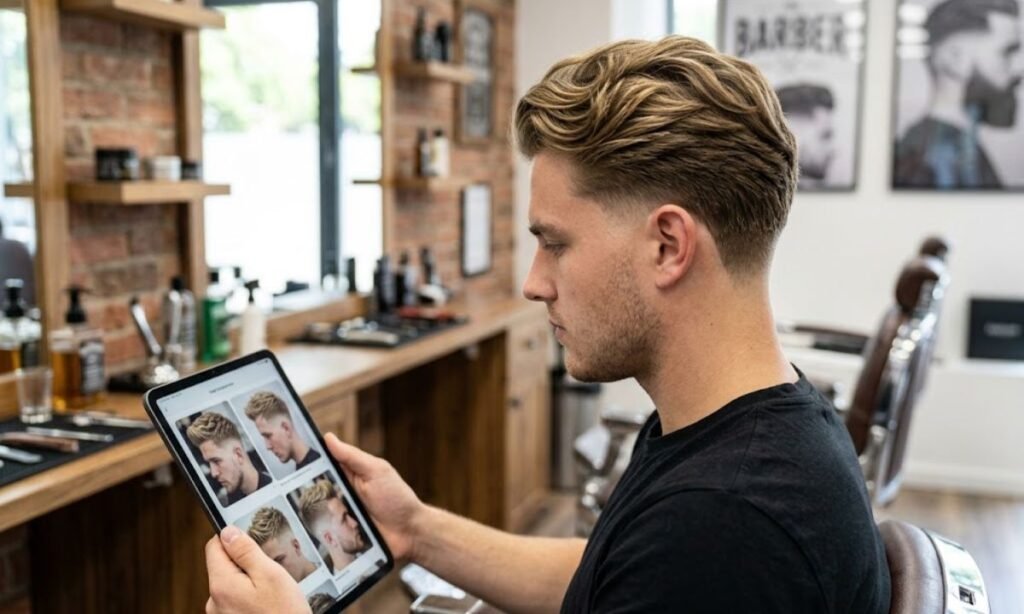
Pictures beat descriptions every time.
Bring two or three reference photos for a low taper fade showing the front, the side, and the back.
Here’s how to choose the right haircut reference photo.
Pick one with similar hair texture and hairline, because a photo of dead-straight hair won’t translate to your curls.
Avoid heavily filtered pictures, since they can hide the true color.
Also skip photos where the person is wearing a hat.
One trick is to circle what you like.
Point at the fade height, the top length, or the color, and say which one matters most.
What exactly should you say?

If you’re wondering how to ask a barber for a blonde low taper fade, here’s a script you can steal.
“I’d like a low taper fade with a shadow finish, a short taper at the neckline, and about three inches on top. I have bleached blonde hair, so please go easy with the clippers on the top.”
That covers what to tell your barber for a low taper fade.
It includes the style, the finish, the length, and a warning about your hair condition.
Here’s how to describe fade placement to a barber:
- “Start the fade just above my ear.”
- “Keep the fade height low, no higher than the top of my ear.”
- “Blend the tapered sideburns into the top.”
- “Keep a natural tapered neckline, not a square block.”
Talk about how much hair to keep on top with a taper fade too.
Use your fingers to show length, because “a little” means different things to different people.
When it’s time for how to choose between a shadow finish and skin finish, ask for a quick preview.
A good barber will hold a mirror and show how each one will look under the shop lights.
Finally, ask how barbers blend a low taper fade and how clipper guards work for taper fades.
You’ll learn a lot, and your barber will appreciate that you care about the craft.
How do you style and maintain it?
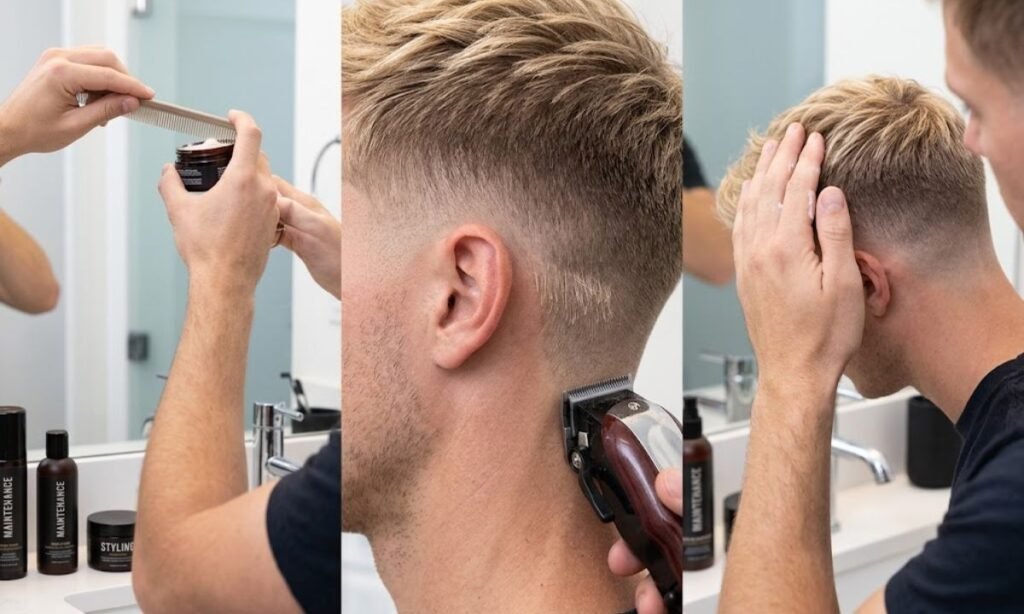
The cut is only half the story.
The other half is what you do at home, and that’s where most people slip.
Good news, though.
You don’t need ten products or a bathroom full of tools.
A simple routine takes about five minutes.
Below is the plan, from daily steps to the long game.
What is the fastest daily styling routine?

Here’s how to style blonde hair with a low taper fade in under five minutes:
- Rinse or dampen your hair, and towel dry gently.
- Apply a heat protectant if you plan to use a dryer.
- Dry the roots first with low heat and your fingers.
- Add a pea-sized amount of product to the top.
- Shape it, then finish with a quick cool blast.
That’s how to style a low taper fade every day without turning it into a project.
You can skip steps on lazy mornings and still look decent.
Here are the best products for blonde low taper fade hair:
- Matte hair styling products like clay, for textured fringes and crops
- Lightweight hair mousse for waves and volume
- Lightweight curl cream for curls and coils
- Hair texture powder for fine or flat hair
- Heat protectant for blonde hair before any dryer or iron
For how to style a textured fringe with matte products, rub a small amount between your palms.
Then twist the ends of the fringe, and don’t overload the roots.
How often should you refresh the cut and color?

When it comes to how often to refresh a low taper fade, aim for every 3 to 4 weeks.
If you wear a skin finish, you may want to go every 2 to 3 weeks.
The haircut maintenance schedule looks like this:
| Task | How often |
|---|---|
| Taper fade touch-ups | Every 3 to 4 weeks |
| Top trim | Every 6 to 8 weeks |
| Blonde hair root touch-ups | Every 4 to 8 weeks |
| Toning gloss | Every 4 to 6 weeks |
| Deep conditioning | Weekly |
That’s how often to touch up blonde roots for most people.
Growth speed varies, so adjust to your own hair.
When to get a low taper fade haircut is also worth planning.
Book it a few days before big events, since a fresh cut can look a bit sharp on day one.
To keep a low taper fade looking fresh, tidy the neckline and sideburns at home.
Just don’t touch the fade itself, or you’ll end up with a lopsided mess.
How do you keep blonde hair bright without over-toning?
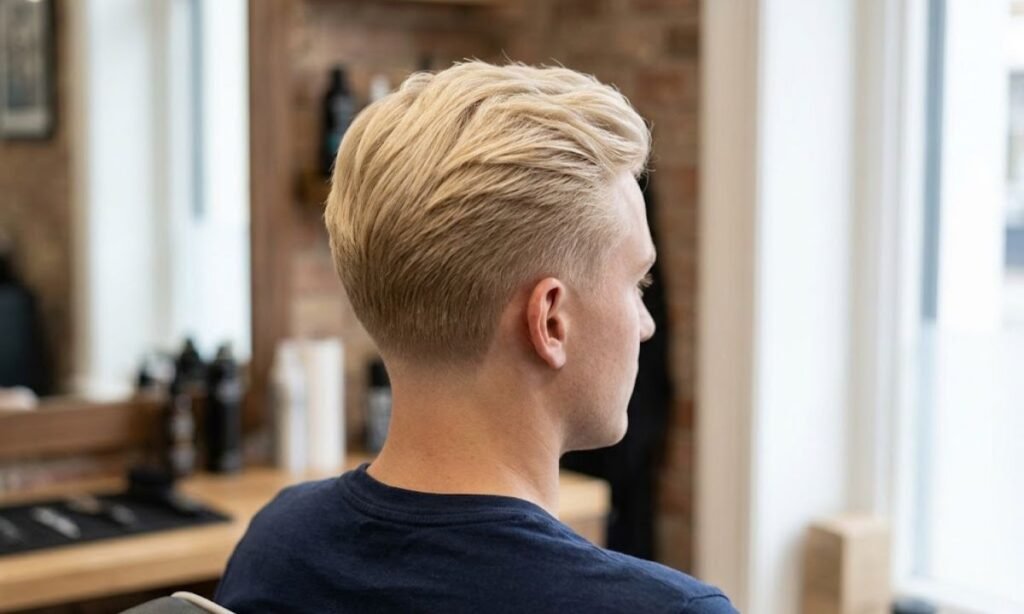
Yellow tones creep in, and that’s normal.
Sun, hard water, and heat all push blonde toward brass.
So does purple shampoo remove brassy tones?
Yes, it cancels yellow, but it won’t fix orange, and too much can leave a dull lavender cast.
Here’s how to prevent yellow tones in blonde hair:
- Use purple shampoo once a week, not every wash
- Rinse with cool water
- Add a shower filter if you have hard water
- Wear a hat in strong sun
- Book a toning gloss at the salon when brass sneaks back
For how to protect blonde hair from heat damage, use a heat protectant and keep tools below medium heat.
Low heat hair styling is kinder to fragile strands.
This is also how to keep blonde hair bright between salon visits.
Think of it as dusting furniture, a small regular effort that stops big problems.
Why does this all matter?
Because how to maintain blonde hair and haircut separately is a useful mindset, and your barber handles the cut while your colorist handles the color.
What are the risks and common mistakes?
Blonde hair looks great, but it isn’t free.
It costs time, money, and the health of your strands.
Here’s the honest side of the story.
Nothing scary, just stuff you should know before booking.
What should you know before bleaching?

So, does bleaching damage hair?
Yes, it can, because lightener opens the hair cuticle and dissolves pigment in the hair cortex.
That’s how hair fiber damage begins.
Each round of bleach leaves the strand a little more porous and a little weaker.
Here’s how to prepare hair before bleaching:
- Skip heat tools for two weeks
- Deep condition weekly
- Avoid harsh clarifying shampoos right before the appointment
- Trim any split ends
- Share your color history with your colorist
Also do a hair color patch test.
That’s why you should patch test hair bleach, because allergic reactions can show up even when you’ve colored before.
To reduce damage, ask about bond-building treatments.
That’s part of how to prevent hair breakage after bleaching, along with gentle brushing, cool water, and lots of moisture.
Know when to consult a professional colorist.
If you’re going from dark brown to platinum, or you have previous box dye, don’t DIY it.
Which haircut and color mistakes should you avoid?

Let’s cover the common low taper fade haircut mistakes first:
- Starting the fade too high, which turns a low taper into a mid fade
- Skipping the consult and guessing the length
- Using the wrong guard on the first pass
- Ignoring cowlicks near the nape
- Letting a fade grow past six weeks
Here’s how to avoid an uneven taper fade.
Choose a barber with clear photos of fades in their portfolio, and ask them to check both sides in the mirror.
Color mistakes are just as common:
- Bleaching too fast in one session
- Using purple shampoo every day
- Washing with hot water
- Skipping heat protectant
- Chasing a shade your skin tone doesn’t suit
Here’s a short story to make it real.
Say a guy named Marco bleached his hair twice in a week to hit icy blonde, and by the third wash his top was snapping off at the roots.
That’s the lesson.
Slow and steady beats fast and fried, every time.
What are the best alternatives?

Sometimes a low taper fade isn’t the right call.
Maybe your hairline is tricky, or you want a different level of contrast.
Here are the low taper fade alternatives for blonde hair:
- Low taper fade vs mid taper fade: the mid taper starts higher, so it looks bolder and cleaner
- Low taper fade vs drop fade: the drop fade curves down behind the ear for a more dramatic shape
- Low taper fade vs burst fade: the burst fade haircut curves around the ear and works well with a mullet
- Low taper fade vs scissor taper: a scissor taper haircut uses shears only, so it’s softer and ideal for longer hair
- High taper fade: it goes up the sides for a strong, athletic look
Which taper fade has the lowest contrast?
The scissor taper and shadow low taper are the softest.
Which blonde taper fade requires the least maintenance?
Usually the scissor taper, since it grows out gently and doesn’t need frequent edge-ups.
To balance fade contrast with blonde hair, keep the finish soft on pale shades.
If you want to see the fade clearly, a darker root or a skin finish helps it show.
How to Handle a Low Taper Fade Grow-Out
Every haircut grows out eventually.
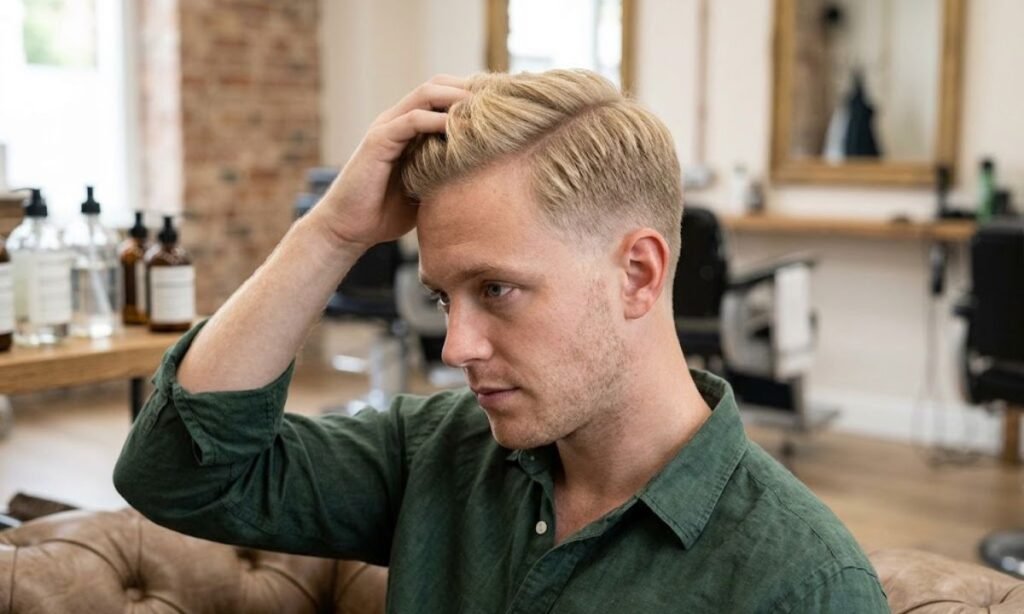
A low taper fade grow-out is gentle, which is a big part of its appeal.
After four weeks, the edges start to look soft and fuzzy.
After six, the taper may begin to lose its shape, especially around the ears.
Here’s how to survive the in-between:
- Keep the neckline tidy at home with a small trimmer
- Use a bit of product to tuck stray hair
- Book your next visit before the old cut collapses
If you’re growing the top for a mullet or blowout, tell your barber.
They can keep the sides tidy while the top gets longer.
When Should You Get Professional Help?

Not everything is a DIY job.
Some problems need a pro, and knowing which ones saves money in the long run.
See a barber for uneven edges, cowlicks, or any change in fade height.
See a colorist for toning, root touch-ups, and color corrections.
See a doctor or dermatologist if your scalp burns, itches badly, or breaks out after bleaching.
Don’t wait it out, because irritation can get worse quickly.
Final Thoughts
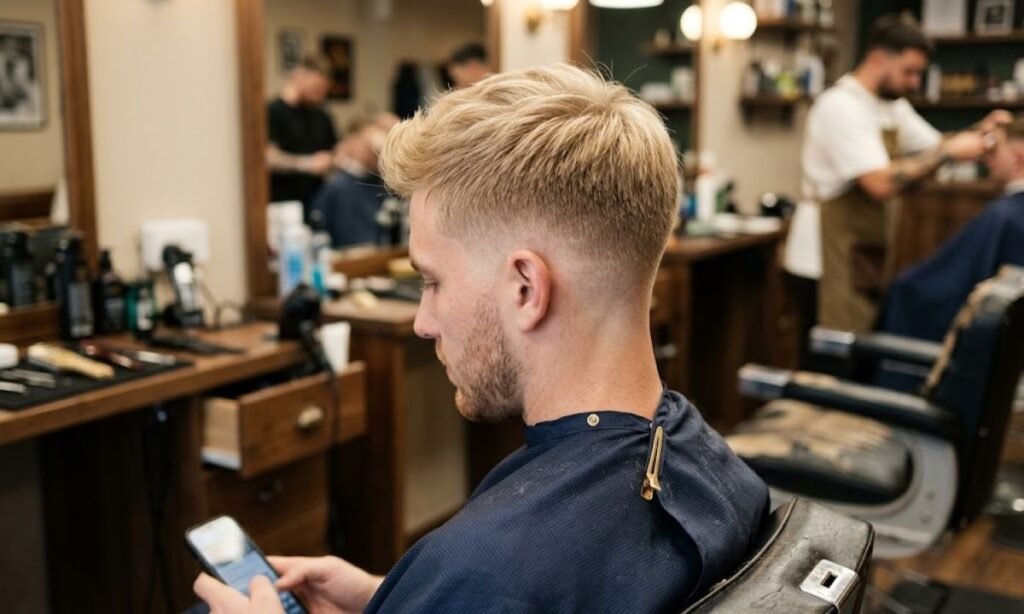
The low taper fade haircut is hard to beat.
It looks tidy, grows out well, and pairs beautifully with any shade of blonde.
Pick the top that suits your hair texture, choose a shade you can maintain, and bring good reference photos.
If you’ve got questions or want to share your own results, drop a comment below, and pass this guide to a friend who’s eyeing a new cut.
You can also checkout this article as well Low Taper Fade Asian Hair: Best Styles for Straight, Thick, Wavy, and Textured Types
Frequently Asked Questions
Does a low taper fade look good on blonde hair?
Yes, it does.
Blonde hair softens the fade, so the contrast looks gentle and natural.
How low should a low taper fade start?
It should start around the top of your ear and the nape of your neck.
Anything higher moves into mid fade territory.
Is a low taper fade the same as a low fade?
No, they’re different.
A taper trims mostly at the edges, while a low fade blends the sides to much shorter lengths.
Can you get a low taper fade with bleached hair?
Yes, you can.
Just ask your barber to use a gentle touch on the top, and give your hair a week or two to rest after bleaching.
How often should you get a low taper fade?
Every 3 to 4 weeks works for most people.
Skin finishes need a trim a bit sooner.
Does purple shampoo work on every blonde shade?
It works best on yellow tones.
It does nothing for orange, and too much can leave a dull cast.
What’s the lowest maintenance blonde taper?
A shadow or scissor taper with a natural or dark-root blonde top is the easiest.
You get fewer touch-ups and a soft grow-out.
Does a low taper fade work on curly hair?
Yes, and it’s one of the best combos.
The tidy sides make curls look defined and intentional.
Can a low taper fade hide a receding hairline?
It can help.
Keep the top textured and forward, and skip a harsh skin finish at the temples.
What should you bring to a barber for a blonde low taper fade?
Bring two or three photos, and mention your color history.
Say the fade height, finish, and top length clearly, so there are no surprises.
Have a question we didn’t cover?
Leave it in the comments, and we’ll add it to this guide the next time we refresh it.

I’m Michael Charles, the creator of MegaCrazes—your source for fresh hairstyles, sharp haircuts, and simple hair-care inspiration. Find your style. Own your look.