
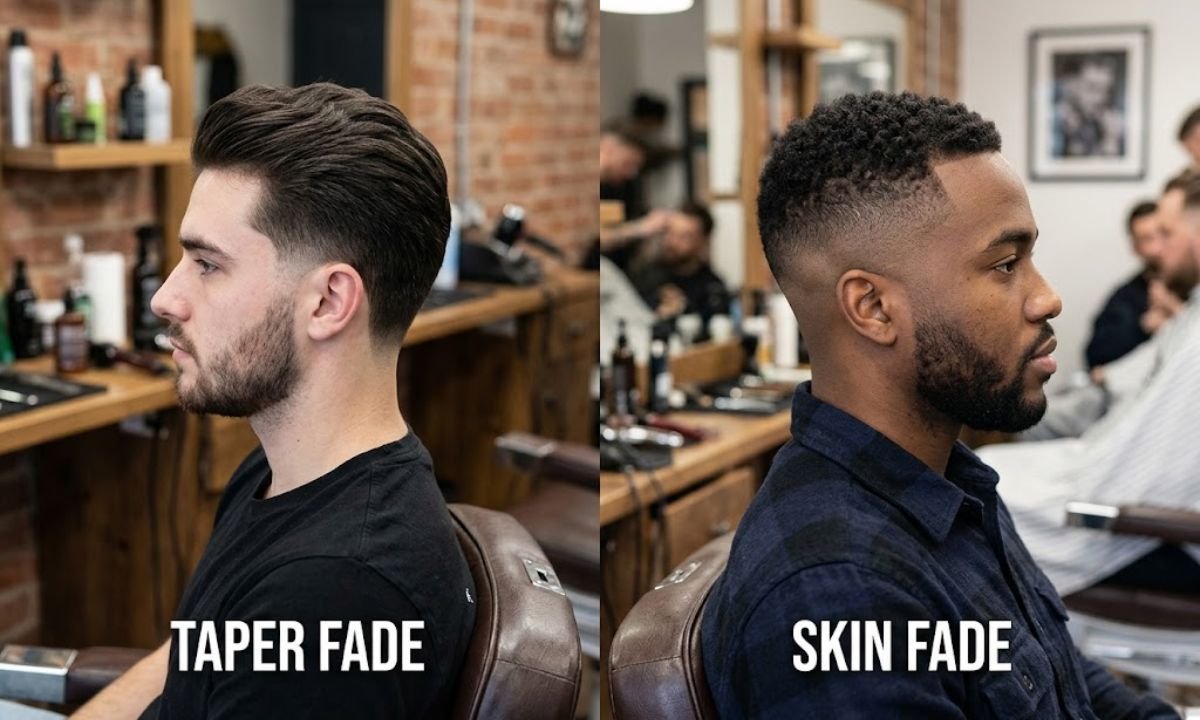
You want a haircut that looks sharp without screaming for attention. So you’re stuck choosing between a taper fade and a skin fade. Here’s the short answer. A taper fade keeps a whisper of hair at the base, while a skin fade goes all the way to bare skin at the base. That one detail changes everything else, the look, the upkeep, even how often you sit in the barber’s chair.
Stick around, because this guide breaks down every angle. Face shape, hair type, maintenance, even what to actually say to your barber so you don’t walk out disappointed.
Taper Fade vs Skin Fade: Side-by-Side Comparison
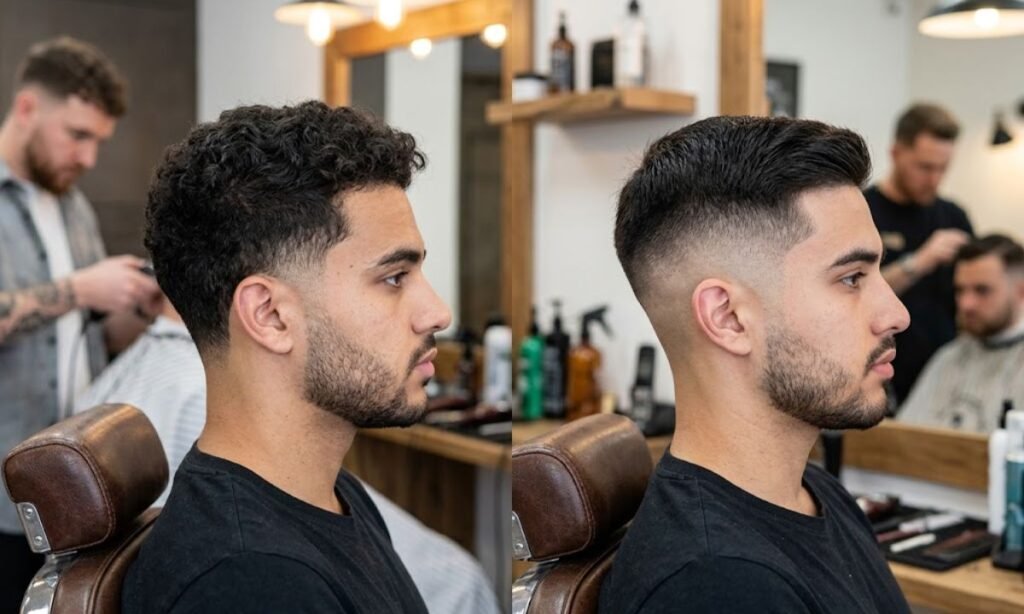
Picture two guys leaving the same barbershop. One has a soft, natural blend down to his neckline. The other has a crisp line where hair meets bare scalp. That’s the whole story in one glance.
A taper fade trims hair gradually without ever touching scalp exposure. The sides shrink in length but never disappear completely. A skin fade pushes past that, cutting down to the skin endpoint for a much sharper, high contrast finish.
Here’s a quick breakdown to keep it simple:
- Taper fade: soft transition, some hair stays at the shortest point, low maintenance
- Skin fade: sharp transition, bare skin near the base, higher maintenance
- Both: use similar fade technique and taper technique, just different end goals
If you like a classic, understated vibe, taper wins. If you want people to notice your haircut from across the room, skin fade takes it.
What Is the Key Difference Between a Taper Fade and a Skin Fade?
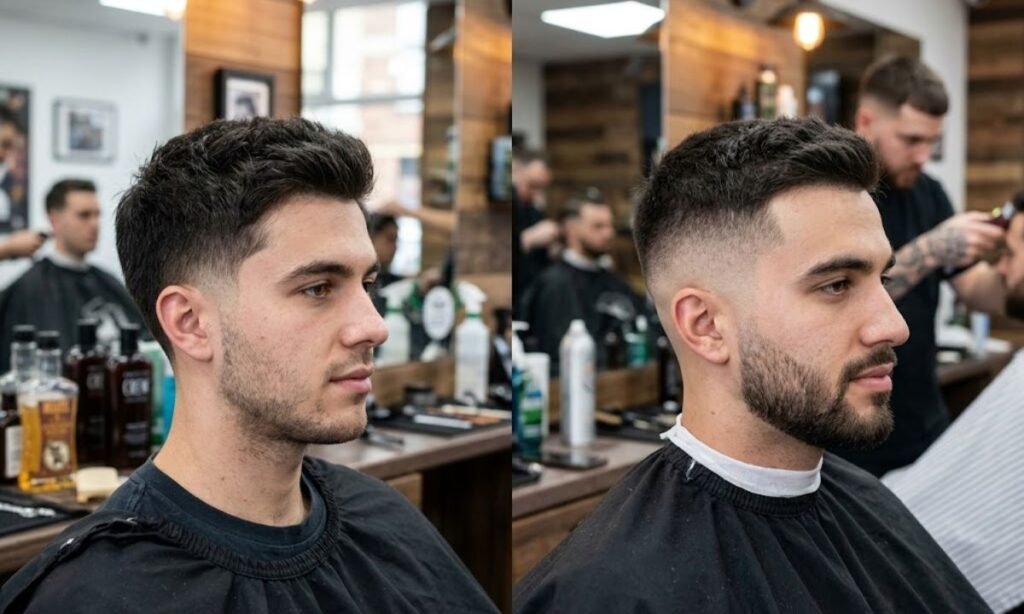
The core difference boils down to how close the clippers get to your scalp. A taper fade uses gradual shortening, ending in short hair rather than skin. Think of it as a soft fade out, not a hard stop.
A skin fade, on the other hand, chases skin exposure at the fade line. Barbers often finish it with a straight razor or a number zero guard to get that clean, polished finish. It’s bolder, and it demands more upkeep to stay sharp.
Both styles can pair with almost any haircut on top, a quiff, a pompadour, or a simple crew cut. The fade underneath is what sets the tone, subtle or striking.
Low Taper Fade vs Skin Fade
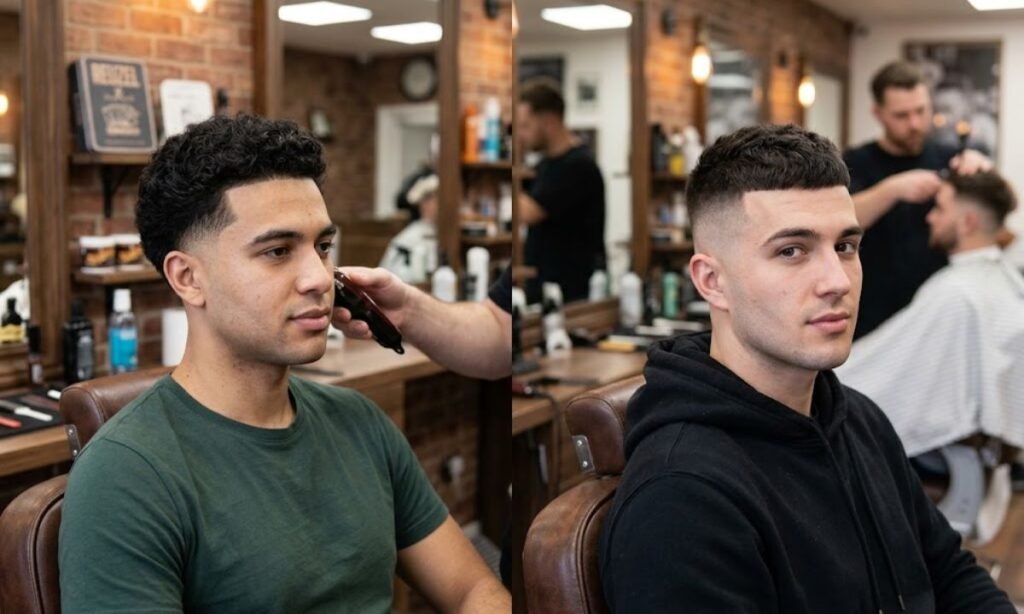
A low taper fade keeps things close to the neckline and sideburns, barely touching above the ears. It’s the safest bet if you work in a conservative office or just prefer a low key look. The low to moderate contrast here makes it blend in naturally with longer hair on top.
A skin fade at the same low height still ends in bare skin, just closer to the bottom. That means less visible skin overall, but the sharp line is still there once you look closely. It’s a nice middle ground for guys who want definition without going too bold.
If you’re torn between the two, ask yourself this. Do you want your haircut to fade quietly into the background, or do you want that fade line to make a statement? That answer decides it for you.
Mid Taper Fade vs Skin Fade
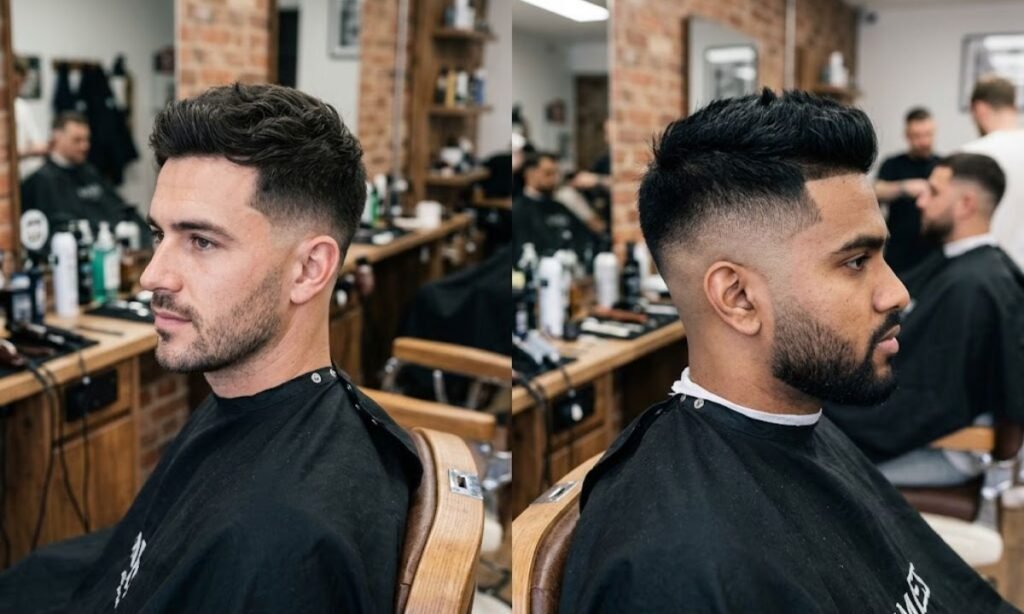
Move the fade up to temple level and things change fast. A mid taper fade hits above the ear with a noticeable but still soft transition. It’s versatile enough for both casual days and business meetings.
A mid skin fade at the same height brings high contrast into play. The bare skin band around your temples grabs attention immediately, especially against darker hair colors. This version suits guys who already lean toward bold, modern styles like a textured burst fade taper or a French crop burst fade taper.
Mid height fades, taper or skin, tend to be the most requested in barbershops today. They balance visibility with practicality, not too flashy, not too plain.
Which One Suits Your Face Shape?
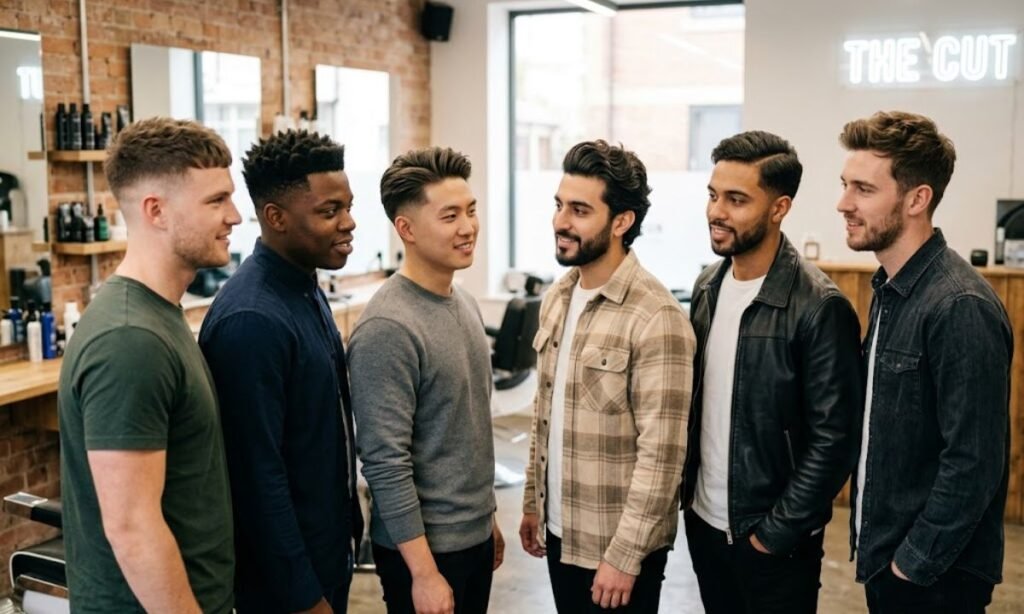
Your face shape plays a bigger role here than most people realize. Round faces often look sharper with a skin fade, since the high contrast adds visual length and structure. A taper fade on a round face can sometimes blend too softly, making the face look wider.
Square and rectangular jawlines usually pair well with either style, but a taper fade softens strong angles nicely. It keeps the fuller sides look without adding extra sharp lines that compete with your bone structure.
Oval and heart shaped faces have the most flexibility. Both styles complement natural facial proportions, so this decision really comes down to personal taste and how much visual height you want on top.
Which One Suits Your Hair Type?

Not every fade behaves the same way on every head. Hair texture changes how sharp or soft the final look appears, and it also affects how long that fade holds its shape.
Straight Hair

Straight hair shows off both fades beautifully since there’s no curl contraction to hide the lines. A skin fade especially pops here, the clean fade definition stands out against flat, straight strands. Taper fades also look neat, since the gradual blend has nothing fighting against it.
Curly Hair

Curly hair can shrink up after washing, a phenomenon called hair shrinkage. This sometimes makes a skin fade look higher than intended once the curls dry and pull upward. A taper fade is more forgiving here, since it doesn’t rely on an exact skin line to look sharp.
Wavy Hair

Wavy hair sits somewhere in the middle. It holds a taper fade’s soft blend nicely, and it also handles a skin fade’s crisp edge without much fuss. This flexibility makes wavy hair one of the easier textures to work with for either style.
Thick Hair

Thick hair adds volume on top, which pairs well with a skin fade’s contrast underneath. The dense hair density up top balances out the bare skin at the sides. A taper fade also works, though it may need more frequent trims to keep the sides from looking bulky.
Fine or Thin Hair
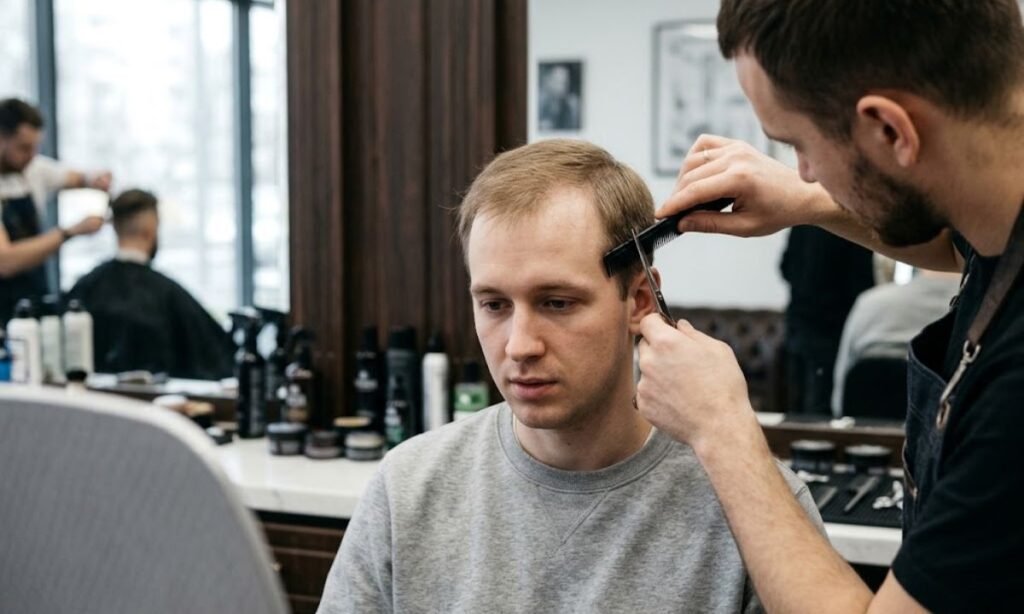
Fine hair and thin hair benefit from a taper fade’s subtlety. A skin fade can sometimes look too harsh against thinner strands on top, drawing attention to the contrast in density. A taper fade keeps things proportional and less jarring.
What Is a Skin Taper Fade?
Here’s a term that confuses a lot of people. A skin taper is actually a hybrid, it starts like a taper fade up top but finishes with a skin finish near the bottom. Think of it as getting the best of both worlds.
This hybrid haircut gives you that soft, natural blend through the middle sections, then tightens into bare skin right at the neckline and sideburns. It’s become one of the more requested styles in modern barbershops, especially among guys who want subtlety on top but a sharp finish below.
If you love the idea of a modern burst fade taper but aren’t ready to commit to full skin exposure everywhere, this style bridges that gap perfectly.
Which Requires Less Maintenance?
Let’s talk upkeep, because this matters more than most people expect going in. A taper fade generally needs less frequent visits, since the grow-out period looks intentional rather than messy. You can usually stretch it to a monthly haircut without it looking unkempt.
A skin fade demands a tighter maintenance schedule. That bare skin grows out fast, often within two to three weeks, and once stubble starts showing through, the sharp look fades into a fuzzy mess. Regular touch-up visits are non negotiable if you want it to stay clean.
So if you’re someone who barely has time for haircuts, taper fade is the low maintenance winner. If you don’t mind frequent barber visits and love that crisp look, skin fade is worth the extra effort.
What Should You Tell Your Barber?
Good barber communication saves you from a bad haircut. Don’t just say “give me a fade” and hope for the best. Be specific about the taper height, whether you want low, mid, or high, and mention the clipper guard number you’re picturing, like a number one guard or number two guard.
Bring a reference photo if you can. A burst fade taper haircut reference photo helps your barber understand exactly what you mean, since terms can mean different things in different shops. Words are helpful, but pictures remove all guesswork.
Also mention your hair type and any styling habits upfront. Good barber instructions include things like “I have curly hair that shrinks” or “I want low maintenance since I travel a lot.” That context helps your barber tailor the haircut execution to fit your actual lifestyle, not just a trend they saw online.
Burst Fade Taper: The Style Taking Over in 2026
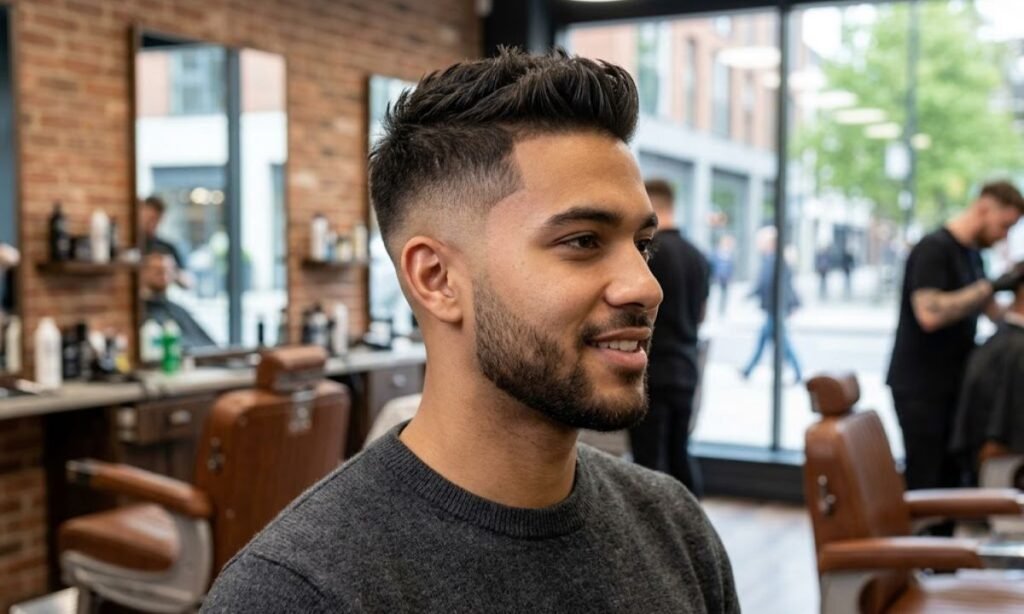
If taper and skin fades feel like old news, the burst fade taper haircut is the fresh twist everyone’s asking for lately. Instead of a straight fade line around the head, it curves around the ear, creating a burst like pattern that looks more dynamic.
This style works beautifully with a beard, since the curved fade complements facial hair instead of competing with it. A burst fade taper with beard creates a cohesive look from your hairline down to your jaw, popular among guys who want a complete, put together appearance.
You’ll also see plenty of variety within this trend. A burst fade taper with design adds shaved patterns into the curve, while a burst fade taper with line up sharpens the front hairline for extra definition. Whether you want something loud or something clean, this style flexes to match.
Best Burst Fade Taper Styles for Different Looks
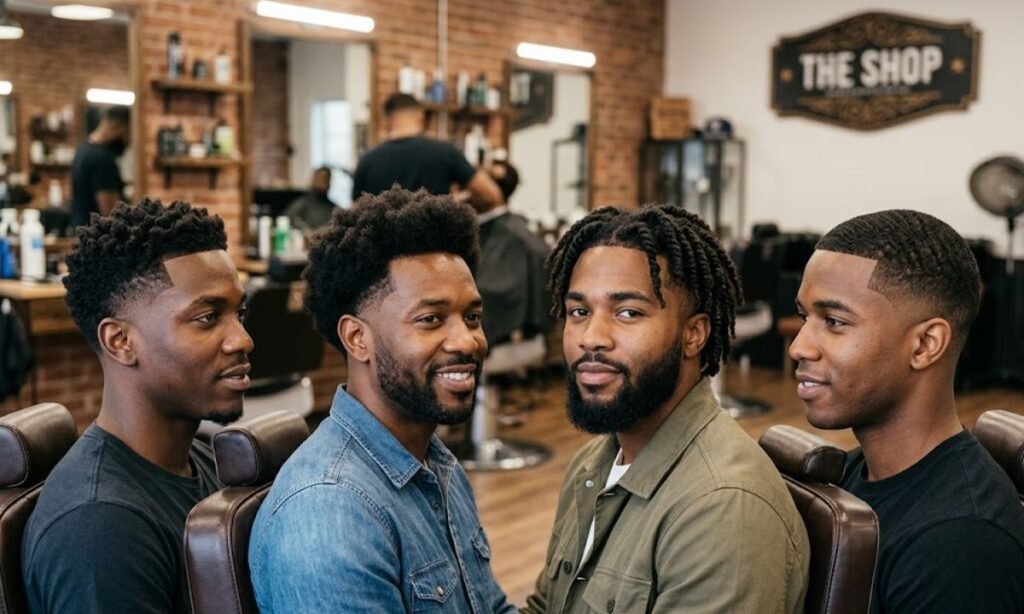
Not every burst fade taper looks the same, and that’s exactly the point. A classic burst fade taper keeps things simple, just the curved fade with minimal length on top. It’s a safe, sharp choice for daily wear.
For guys who want more personality, a textured burst fade taper adds choppy layers on top for movement and volume. Pair it with a pompadour burst fade taper or quiff burst fade taper if you want extra height and a bit of flair for nights out.
If you prefer something laid back, a slick back burst fade taper or comb over burst fade taper offers a polished, professional edge. A side part burst fade taper or hard part burst fade taper works great too, giving you a defined line that photographs well for any occasion.
Burst Fade Taper for Different Hair Types and Face Shapes
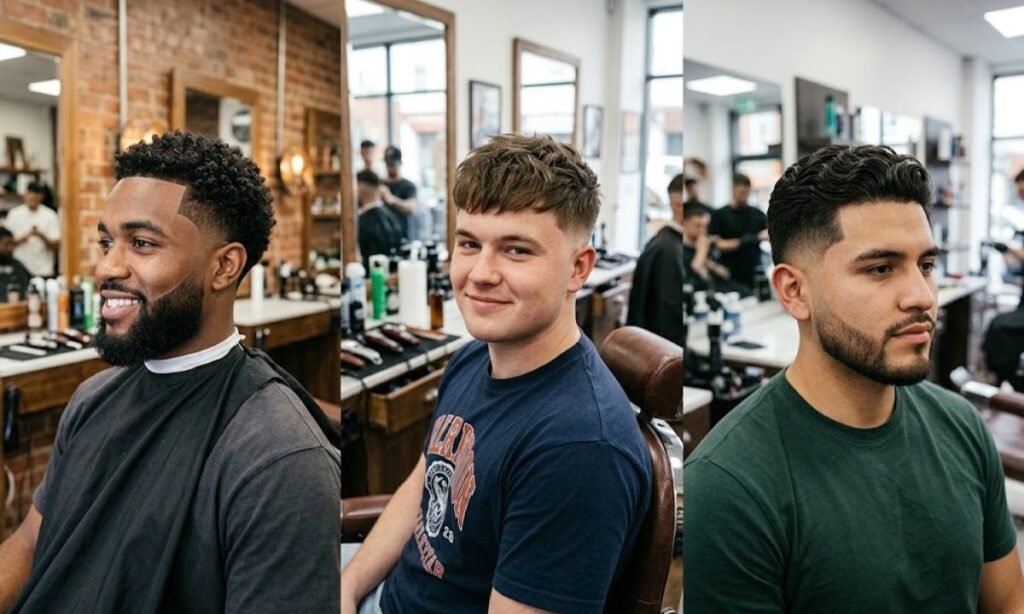
Just like standard fades, the burst fade taper for thick hair holds shape and volume better on top, giving the curved fade something substantial to contrast against. The burst fade taper for thin hair works best kept shorter on top to avoid looking flat or sparse.
Face shape matters here too. Guys with rounder faces often find that a burst fade taper vs low fade comparison favors the burst style, since the curve adds structure around the temples. It’s also a hit among burst fade taper for Black men, especially when paired with tighter curl patterns that hold the burst shape crisply.
Teens and younger guys have taken to this trend fast as well. A burst fade taper for teens offers a low commitment way to look current without going too extreme, and it’s simple enough to maintain between school and sports schedules.
Burst Fade Taper vs Low, Mid, and High Fade
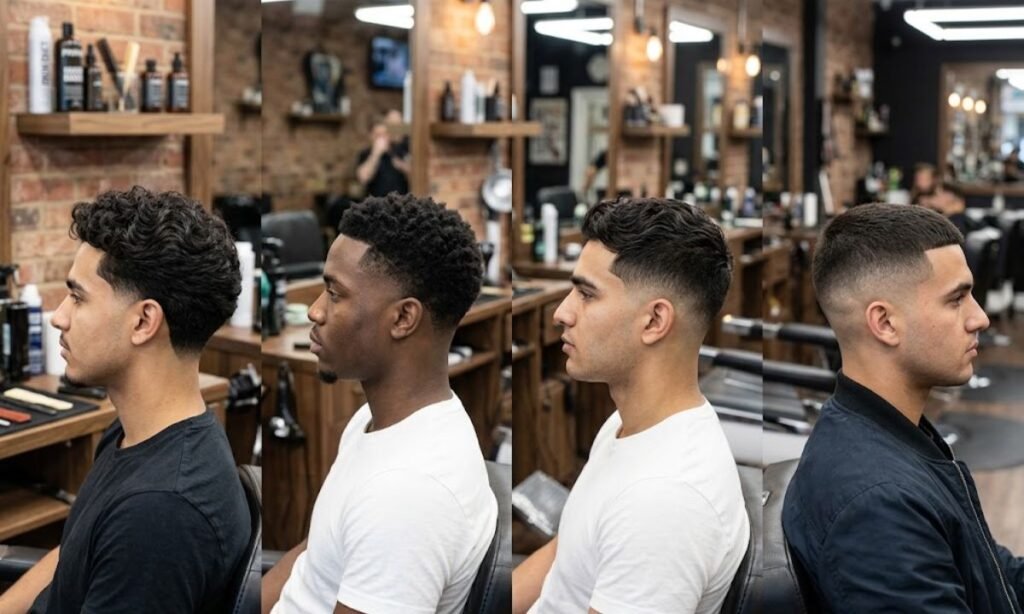
Comparing heights helps clarify what you’re actually choosing. A burst fade taper vs low fade keeps things subtle, ideal for professional settings and formal environments where you don’t want too much attention on your hair.
A burst fade taper vs mid fade strikes a nice middle ground, visible but not overpowering, which explains why it’s the most popular burst fade taper haircut requested right now. Meanwhile, a burst fade taper vs high fade goes bold, with fuller sides shrinking dramatically higher up for serious contrast.
And if you’re comparing it to the original, a burst fade taper vs taper fade really comes down to shape. Standard taper fades run in a straight line, while the burst version curves, giving it a more sculpted, three dimensional feel around the ear.
How to Style and Maintain Your Burst Fade Taper
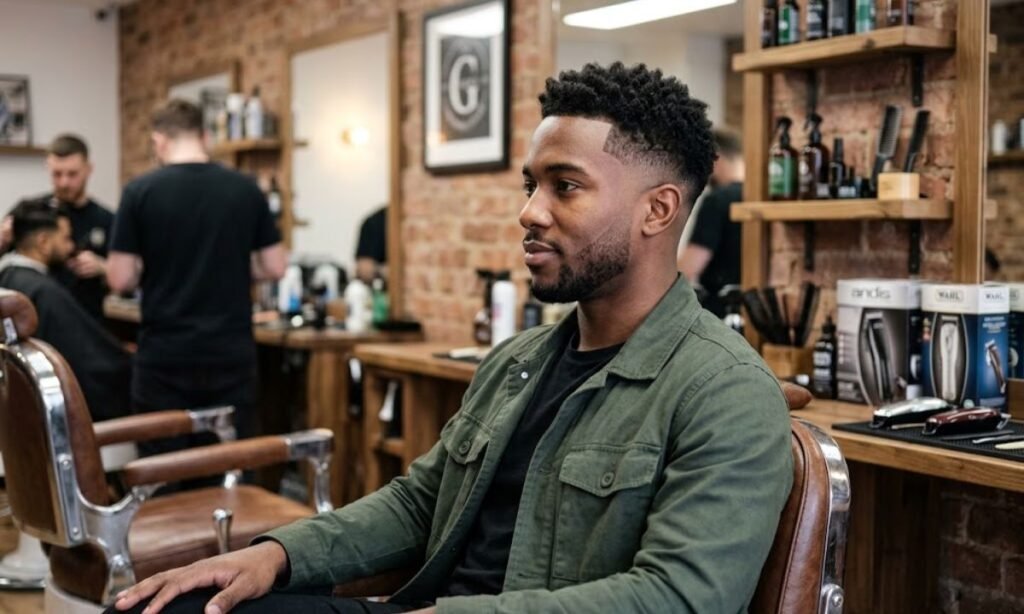
Styling doesn’t need to be complicated. A little pomade or matte clay works for most burst fade taper styling products, depending on whether you want shine or a natural soft finish on top. Start small, you can always add more product, but it’s hard to fix an overloaded head of hair.
For burst fade taper maintenance, plan on touch ups every two to three weeks, similar to a standard skin fade schedule. The curved burst pattern grows out a bit differently than a straight line, so don’t panic if it looks slightly uneven around week two. That’s completely normal and easy to fix.
The best hair products for burst fade taper styles usually include a light hold cream for natural textures and a stronger wax for sleek, defined looks like slick backs or side parts. Match the product to your desired finish, not just whatever’s on sale that week.
FAQ’s
What is the difference between a taper fade and a skin fade?
A taper fade keeps a bit of hair at the shortest point, while a skin fade cuts all the way down to bare skin. One offers a soft, natural blend, the other delivers a sharp, precise finish.
Is a taper fade good for professional settings?
Yes, taper fades work extremely well in professional settings and formal environments. The subtle transition looks neat without drawing too much attention, making it a safe choice for office jobs and client facing roles.
What is a zero fade?
A zero fade refers to using a number zero guard, which cuts hair as close to the skin as possible without a razor. It’s essentially another name people use for a skin fade, since both aim for that bare, close cropped finish.
Is a taper fade the same as a fade?
Not exactly. “Fade” is the general term covering any gradual fade technique, while a taper fade is one specific type that never reaches bare skin. Skin fades and burst fades are other variations under that same broader fade umbrella.
Which is better for Black men, taper fade or skin fade?
Both work well, but it often comes down to hair texture and desired contrast. Many burst fade taper for Black men styles favor skin fades for their sharp, high contrast look against tighter curl patterns, though taper fades remain a solid, lower maintenance option too.
You can also checkout this article as well 25 Best Hairstyles for Men with Large Foreheads (2026)
Final Thoughts
At the end of the day, there’s no universally “better” choice between a taper fade and a skin fade. It comes down to your face shape, your hair type, your schedule, and honestly, your personal style.
Try describing what you want clearly, use a reference photo, and trust your barber’s input on what’ll actually work for your hair texture and lifestyle. Whether you land on a subtle taper, a sharp skin fade, or a trendy burst fade taper, the goal is the same. Walk out feeling sharp, confident, and like yourself.
Got a favorite style from this list? Drop a comment below and let us know which fade you’re rocking next.

I’m Michael Charles, the creator of MegaCrazes—your source for fresh hairstyles, sharp haircuts, and simple hair-care inspiration. Find your style. Own your look.