


Last updated: October 2026
Will your beard look stuck on after a fresh cut? Do you worry the barber will take too much off the sides? You’re not alone. Most guys sit in the chair with the same two fears.
A mid taper fade with beard answers both. It keeps the sides tidy and leaves enough hair to look natural. Then it hands off to your beard without a harsh break.
This guide walks you through the whole thing. You’ll learn what the cut is, who it suits, and how to ask for it. You’ll also get styling tips, cost notes, upkeep timing, and fixes for common problems.
Quick Answer
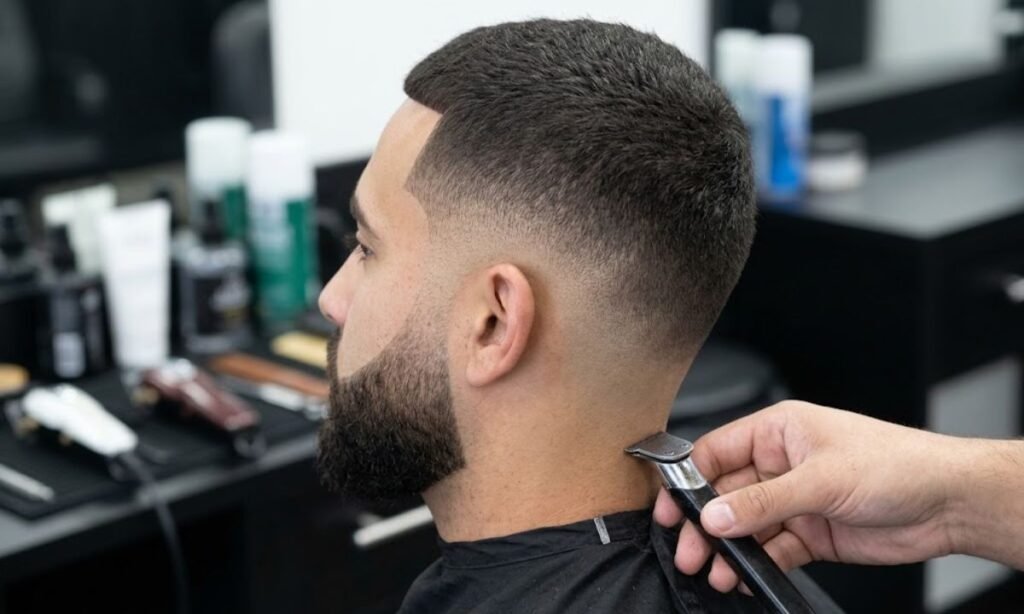
A mid taper fade with beard is a mid taper fade haircut that starts shortening around the mid-temple and slims down toward the sideburn and neckline. The shortest point lands near the ear and the nape. The beard then picks up where the sideburn leaves off.
You can keep the beard connected for a smooth continuous gradient. Or you can leave a small gap for a disconnected beard look. Both work with the same haircut.
To get it, tell your barber four things. Name the taper height (mid), the finish (shadow or skin-close), how much top length to keep, and whether the beard connects. Bring a front-view photo and a side-profile reference too. Plan on a trim every two to four weeks.
What is a mid taper fade with beard?

Think of it as two haircuts that need to agree with each other. One covers your head. The other covers your face. The mid taper controls how the sides shrink, and the beard controls how that shrink ends.
People often get stuck here because the word “fade” and the word “taper” get tossed around like twins. They aren’t. A taper leaves more hair and works mostly around the sideburn, around the ear, and the neckline. A true fade climbs higher and can drop to bare skin.
When you add a beard, the haircut stops being a solo act. The hair-to-beard transition decides whether the whole look feels planned. Get it right and you look sharp without trying too hard.
Where does the “mid taper” sit?
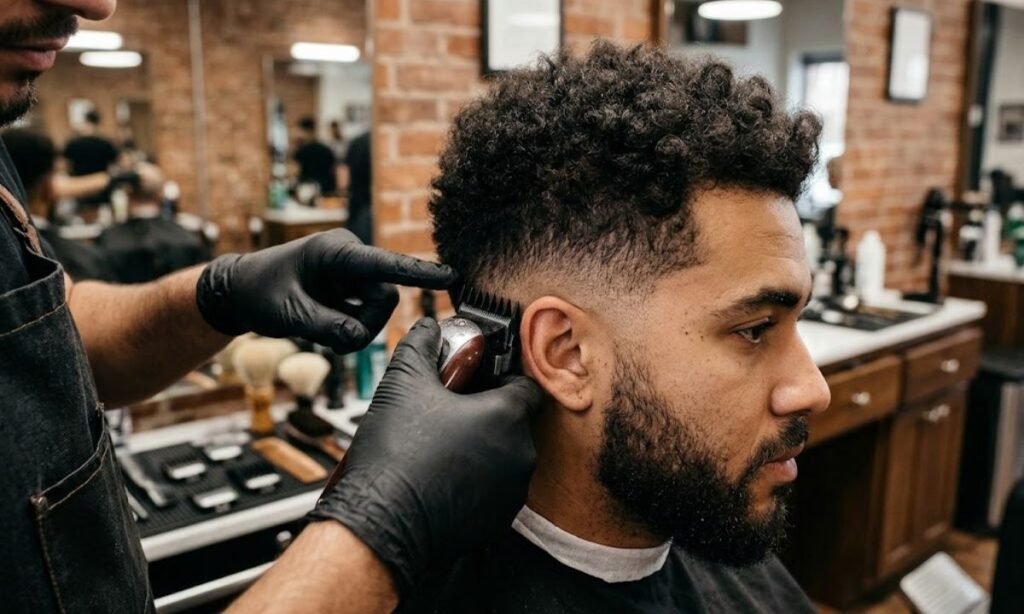
Picture a line running across the side of your head, level with your temple area. That’s roughly where a mid taper begins. Above it, you keep retained side bulk. Below it, the hair gets shorter in steps.
That step pattern is called graduation. Hair at the top of the taper might sit near a #3 or #4 guard. By the time it reaches the sideburn and hairline at the nape, it’s down to a #1 or a shadow finish.
Compare that with a low taper, which starts down near the ear. A high taper starts way up near the crown side. The mid option sits in between, which is why barbers call it the safe, versatile pick.
How does the fade connect into the beard?
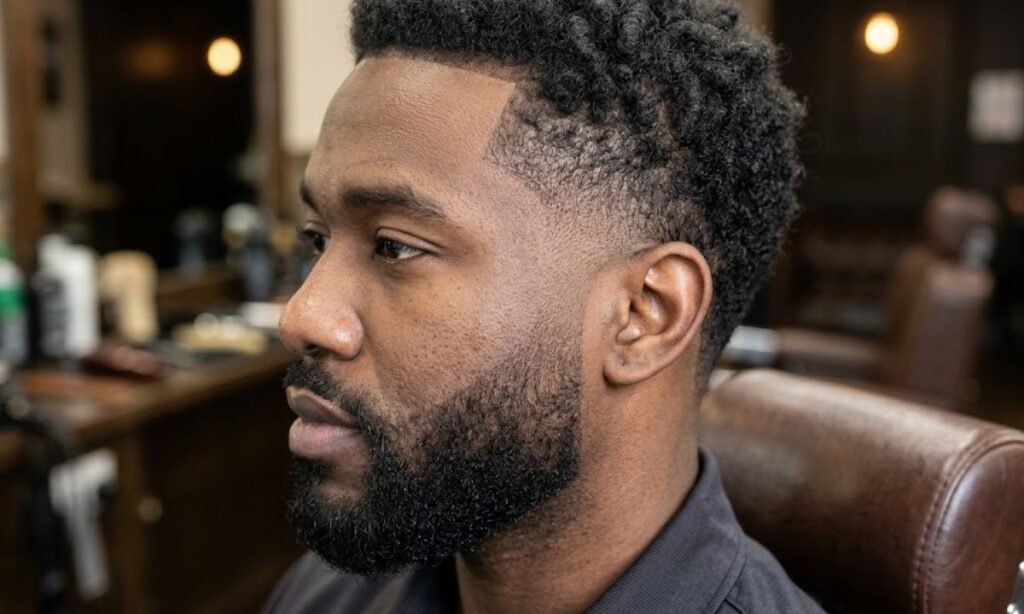
The magic spot is the sideburn. The hair there either melts into your beard or stops with a clean break. A connected beard means the sideburn-to-beard connection is one smooth gradient from scalp to jaw.
Barbers do this by taking the taper down through the sideburn and letting the beard length step up from the cheekline. The blend height and blend depth need to match. If they don’t, you get a visible seam that looks like a cheap patch.
Want a different feel? A disconnected beard keeps a deliberate gap, so the beard reads as its own shape. Nothing wrong with that. It just takes a clearer plan, and you’ll see why later in this guide.
Is a mid taper fade with beard right for you?

Short answer: probably, but let’s check. This cut is forgiving, which is why it shows up on office guys, gym regulars, and creatives alike. Still, hair texture, beard density, and face shape change the result.
A friend of mine, who we’ll call Dan, learned this the hard way. He asked for a sharp high fade over a thin, patchy beard. The contrast screamed at everyone. A mid taper would have balanced him out.
Run through the three checks below before you book. It takes five minutes and can save you a month of grow-out.
Which hair textures and top lengths work?

Good news: nearly all of them. Straight hair takes a mid taper cleanly and shows the gradient well. Wavy hair adds movement on top while the sides stay neat. Curly hair and coily hair hold the taper shape beautifully because the density gives you clear edges.
Fine hair works too, but go easy on top length. Thin strands can flatten under heavy product. Coarse hair, thick hair, and dense hair can handle more volume on top, so you can push for a longer, textured crop.
Check your hair growth pattern as well. A strong crown growth swirl or an odd hairline shape may change how the barber blends the back. Mention it in the chair. They’ll adjust.
What beard density and length blend best?
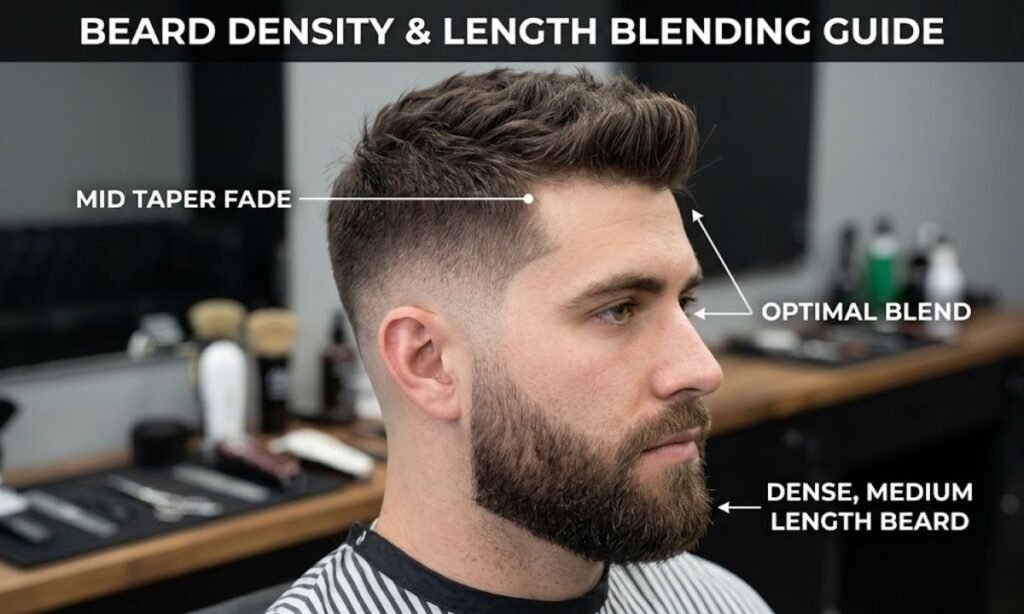
The cut loves a beard with some body. A thick beard or a full beard gives the gradient something to connect to. Stubble and a short beard also work well, since the length step looks subtle and clean.
Worried you have a patchy beard or sparse facial hair? Don’t write it off. A shorter length and a softer transition hide gaps better than long hair does. Keep reading, because we cover beard shape for sparse areas in the fixes section.
Also think about hair and beard color differences. If your beard runs lighter or redder than your hair, a shadow finish blends the tone shift. A hard skin-close finish will highlight it.
How should face shape affect the cut?
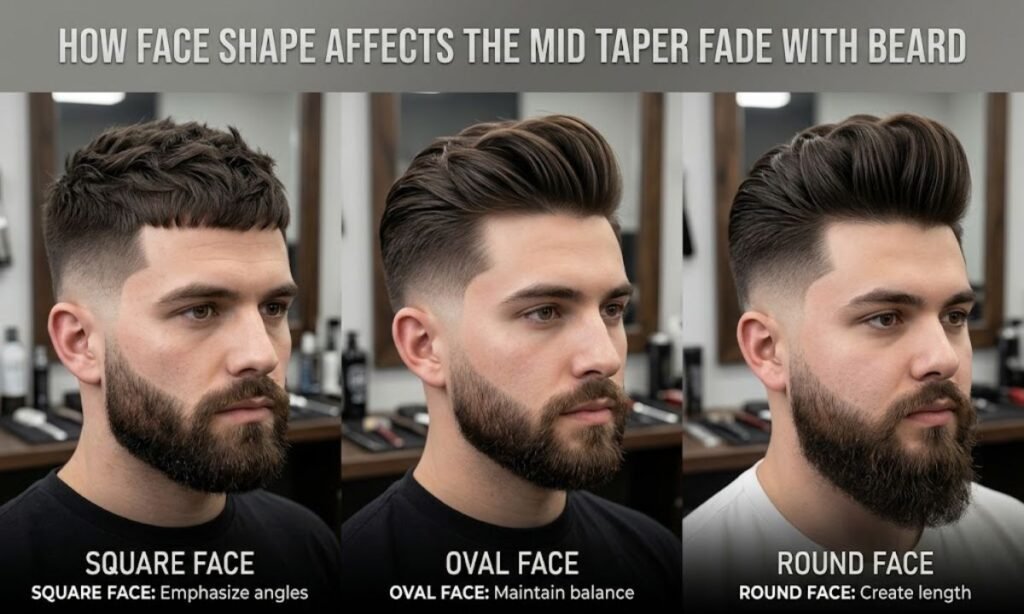
Your face shape guides your beard length more than your haircut. Round faces look sharper with a slightly longer beard at the chin and a tight defined cheekline. Square faces handle almost anything, so keep the beard perimeter clean.
Oval faces get the easy pass. Pick your favorite short boxed beard or full beard and go. Long or narrow faces usually look better with a little more side bulk and a beard that isn’t too long on the chin.
Keep haircut and beard proportions in mind. A tall quiff plus a huge beard can look top-heavy. Balance one with the other, and ask your barber to eyeball the side profile before finishing.
Mid taper fade with beard vs similar cuts
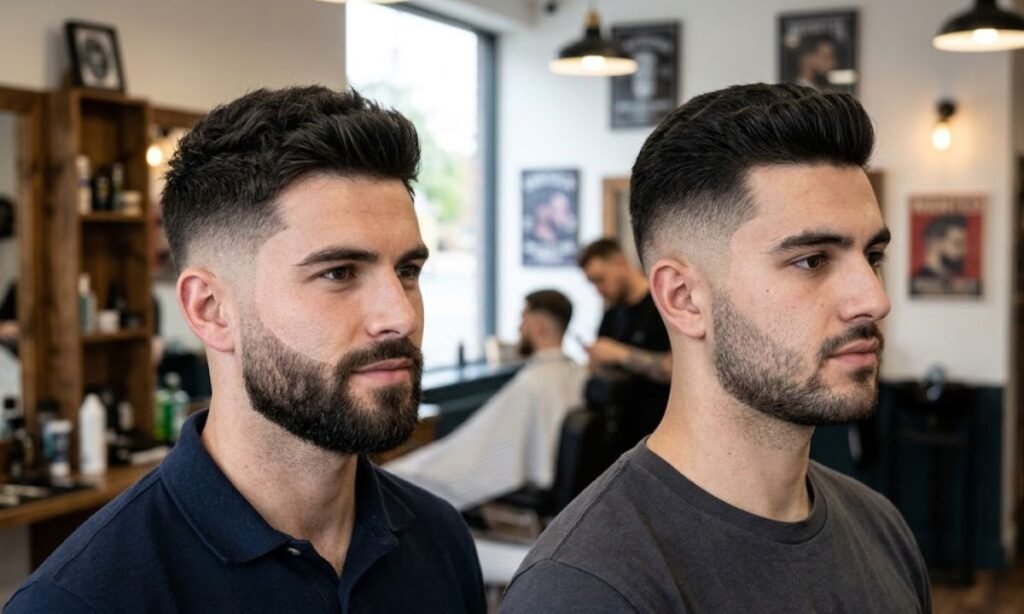
Names cause most of the confusion here. Barbers use “fade” and “taper” differently from how customers do. Knowing the gap helps you ask for the right thing and avoid a surprise.
A taper vs. fade chat usually comes down to coverage. A taper keeps hair around the neckline and sideburns only. A fade usually covers the full side and can reach bare skin.
Below we’ll focus on the pair that people mix up the most. That’s the mid taper and the mid fade.
Mid taper vs mid fade with a beard
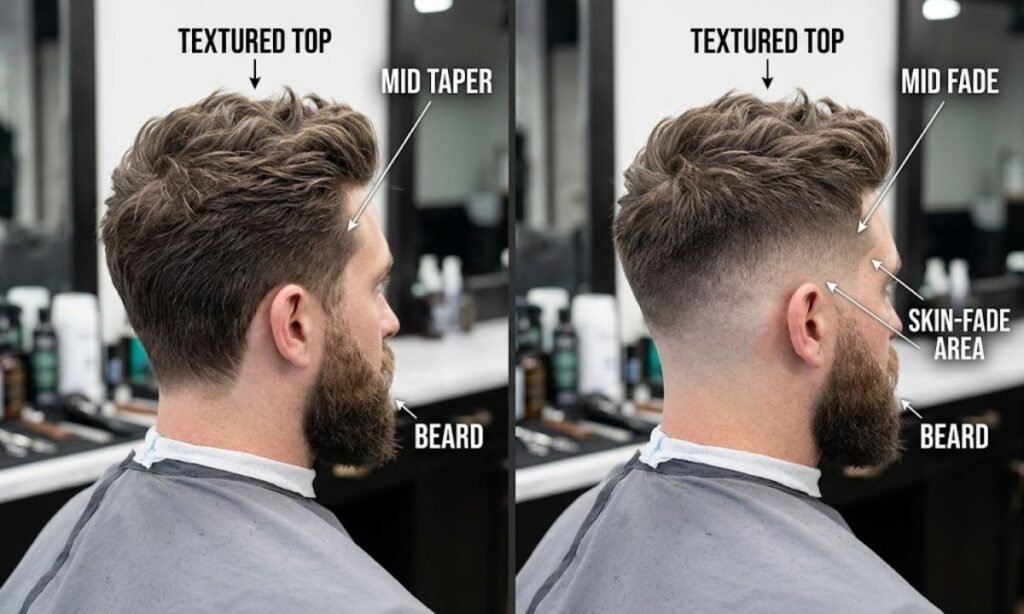
Here’s the simplest way to think about it. A mid taper is the polite option. It leaves retained hair bulk on the sides and shortens only the edges. A mid fade is bolder, with a larger zone dropping down to skin fade or zero fade territory.
With a beard, the fade gives you stronger visual contrast. Short, bare sides next to a full beard make the beard look huge. The taper gives you a softer transition and a more natural finish, which works well for work settings.
Pick a mid taper if you want low drama and easy upkeep. Pick a mid fade if you want a stronger statement and don’t mind more frequent visits. Both pair with every beard in this guide.
Best mid taper fade with beard styles

Now the fun part. These are the mid taper fade beard styles that barbers see most often. Each one changes the haircut slightly, so you’ll want a clear idea of the beard first.
Look at your beard growth rate while you decide. If you can’t grow a full beard by month three, aim for the shorter styles. No shame in that, and they usually look cleaner.
Take screenshots of two or three that match your vibe. You’ll use them in the barber section later.
Mid taper fade with stubble
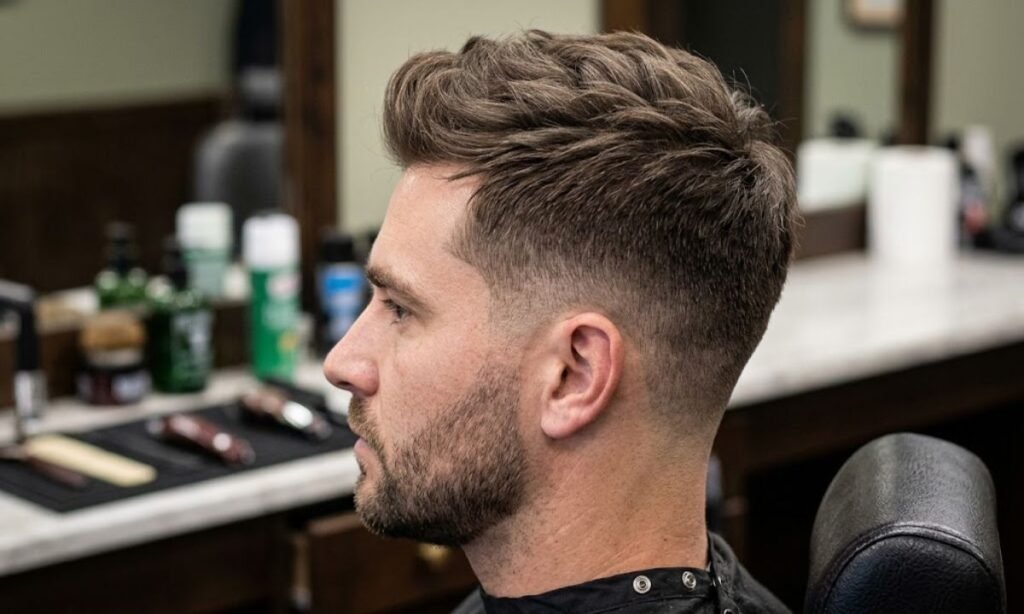
This is the lowest effort pairing. Your stubble sits at roughly a #1 or #2 guard, and the mid taper steps down from there. The result looks lived-in rather than styled.
Can you get a mid taper fade with stubble? Absolutely. In fact, it’s the best starting point if you’re new to beard and haircut combinations. The gradient between sideburn and stubble barely shows.
One caution: stubble grows back fast. Expect to rebook sooner than a longer beard, mostly to keep the cheekline and neckline crisp.
Mid taper fade with a short boxed beard

A short boxed beard has defined edges and an even length of about half an inch. The cheekline is clear, the neckline sits a finger or two above the Adam’s apple, and the shape stays tidy.
Paired with a mid taper, it looks polished and ready for a meeting. The sideburn flows into the beard at the same blend height. Nothing fights for attention.
This is a strong pick for men with patchy cheeks, because the shorter length keeps thin spots hidden.
Mid taper fade with a full beard
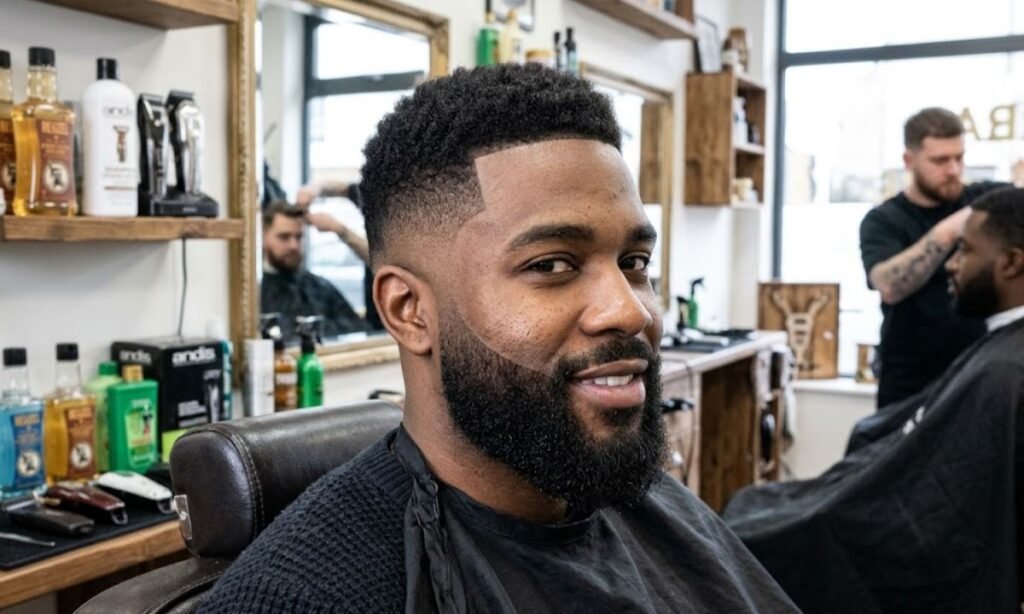
A full beard adds weight at the jaw and chin. The mid taper keeps the sides light so the beard doesn’t swallow your face. The sideburn-to-beard connection carries most of the work here.
Which taper fade suits a full beard? The mid is usually the easy answer. A low taper can leave the sides too bulky, and a high taper can look severe against all that facial hair.
Trim the beard’s length graduation so the cheeks run shorter than the chin. That keeps the beard shaping natural and stops it from looking like a bib.
Mid taper fade with a disconnected beard
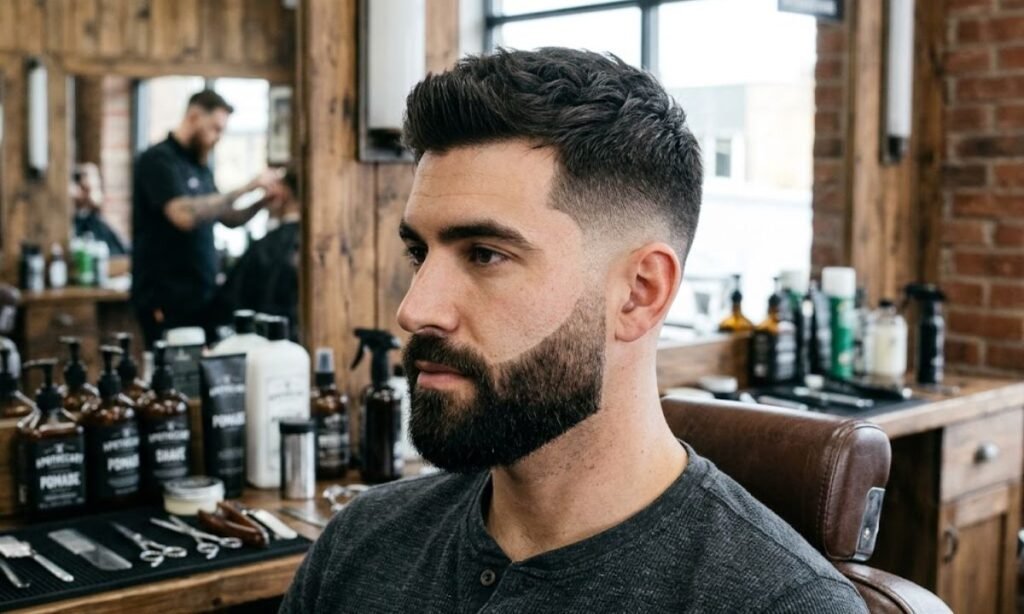
A disconnected beard leaves a clear gap between the sideburn and the beard. It’s a deliberate choice, so the gap needs to be even and clean on both sides. Random gaps look like mistakes.
This style works nicely with mid taper fade with beard looks that lean modern and sharp. The deliberate beard disconnect adds contrast without needing a big fade.
Be ready to maintain it. The gap fills in quickly, so a sharp line-up every couple of weeks keeps it looking intentional.
Curly or coily mid taper fade with a shaped beard
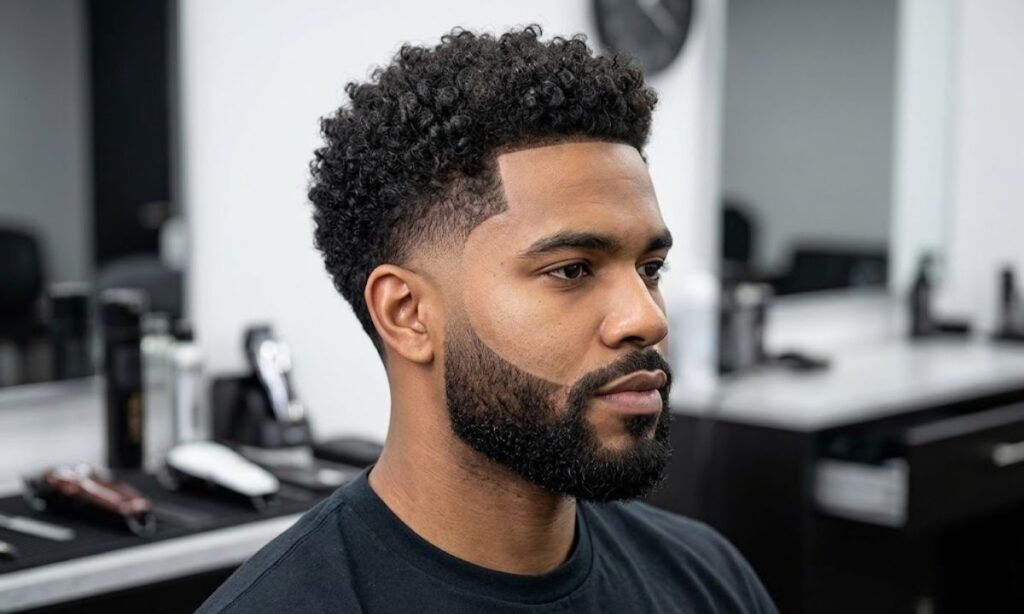
Curly beard and coily beard growth gives you natural shape, so the barber mostly traces the beard perimeter. The curly hair on top pairs well with a clean taper, because the contrast shows off the texture.
Don’t forget hair shrinkage. Coily hair looks shorter when dry than it does stretched, so tell your barber how long you want it to look, not just how long it is.
Go gentle with close shaving along the neck. Curly hair is more prone to ingrown hairs, and we cover the fix below.
Textured or longer top with a beard fade

Want more going on up top? Keep a textured fringe or longer top length and let the mid taper frame it. The sides stay clean while the top gets to play.
The beard should stay balanced. Pair a messy, longer top with a short beard or a neatly shaped full beard. Too much volume on both ends tips into chaos.
This is also the best style for mid taper fade with long hair. The taper adds structure to hair that could otherwise look heavy.
Mid Taper Fade With Beard: Haircut Combinations
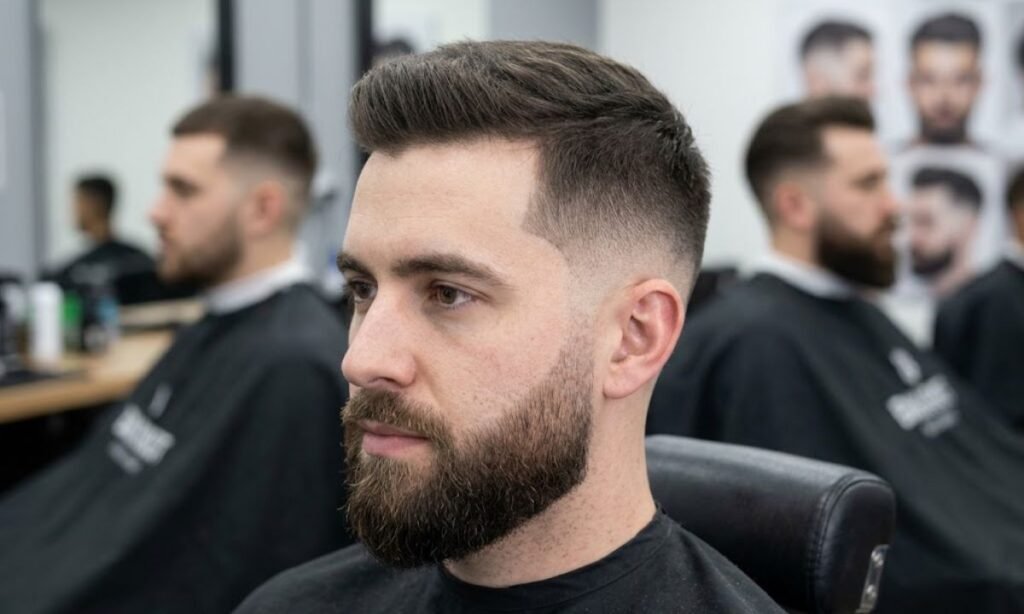
The sides and beard are only half the story. Your top decides the personality of the cut. Here are the men’s taper fade hairstyles that pair best with a beard, and how to keep them balanced.
The golden rule? Don’t let the top and the beard compete. If one is bold, let the other stay calm.
Mid taper fade with a slicked-back top and beard

This one reads classic. The slicked-back top needs a touch of pomade or styling product and a comb. The mid taper keeps the temples clean so the hairline looks strong.
A short boxed beard or tidy full beard fits best. The overall shape stays tall and neat.
Make sure your barber checks the temple taper carefully. Slicked-back hair exposes everything, so any wobble shows.
Mid taper fade with a side part and beard

A side part is the safe, sharp option. It works for interviews, weddings, and Tuesday meetings. The mid taper frames the part line, and the beard adds some grown-up weight.
Keep the top length long enough to comb. About two to three inches usually does it. Use a lightweight cream to avoid a shiny, stiff finish.
This combo is a great way to look polished without a trendy, high-contrast fade.
Mid taper fade with a buzz cut and beard
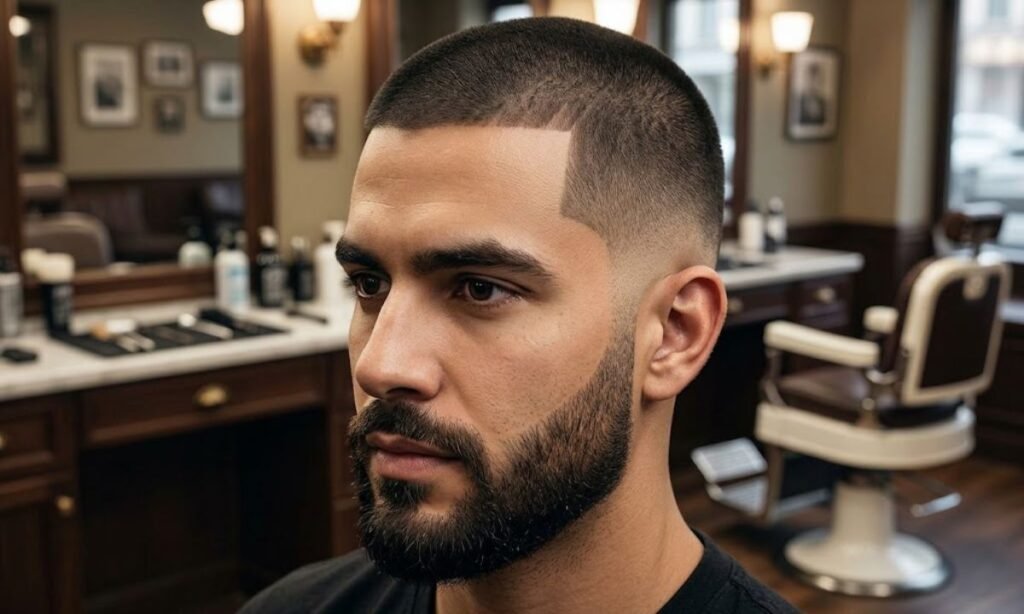
The mid taper fade buzz cut is the lowest maintenance option you can get. The top sits at a single guard, say a #3 or #4, and the sides taper down gently from there.
With a beard, it keeps everything uniform. Sometimes the beard even runs longer than the hair on your head. That’s fine, it just reads as bold.
Since the length difference is small, make sure the taper is clean. Any uneven blend stands out on a short head.
Mid taper fade with a quiff and beard

A quiff adds height at the front, and the mid taper emphasizes it by keeping the sides slim. It’s a popular modern men’s haircut with beard because it flatters most face shapes.
Style with matte paste for hold without shine. Blow-dry upward and back, then finish with a light touch of product.
Keep the beard moderate. A short beard or shaped beard supports the quiff without stealing the show.
Mid taper fade with a French crop and beard
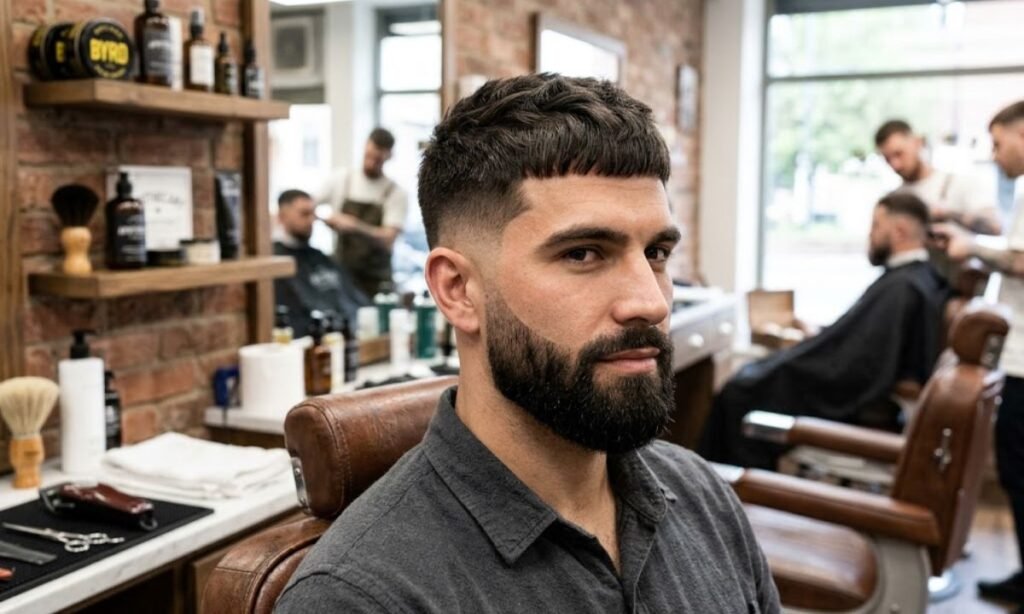
The French crop has short, textured hair with a forward fringe. It’s easy to style and looks great with a mid taper fade because both cuts are tidy and compact.
Pair it with a short boxed beard or stubble for a clean, minimalist feel. A full beard can work if you want a bit more edge.
Worth noting: this cut suits thinning hairlines because the forward fringe softens the temples.
How do you ask a barber for a mid taper fade with beard?
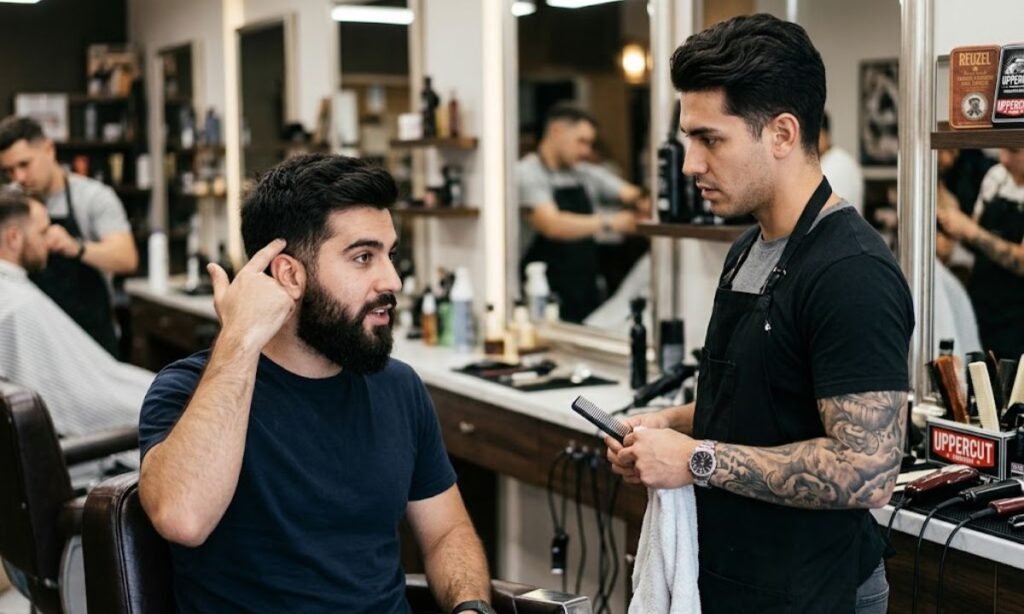
Most bad haircuts start with a vague request. “Just clean it up” means something different to every barber. A clear barber brief removes the guesswork and takes about thirty seconds.
The best barber consultation has three parts. You show reference photos, you describe the result you want, and you confirm the plan before the clippers turn on. Barbers love customers who do this, because it lets them do their best work.
Below is a simple five-point barber script you can steal word for word.
Build a five-point barber brief

Think of this like ordering a coffee. Size, roast, milk, and temperature all matter. Here the five points are height, finish, top, beard connection, and edges.
Run through them in order and your barber will know exactly what to do. Say each one out loud, even if it feels a bit formal at first. It gets natural fast.
Bring a front-view photo and a side-profile reference. A picture of your own head with a marked line is even better, because it shows the taper placement you want.
1. Set the taper height
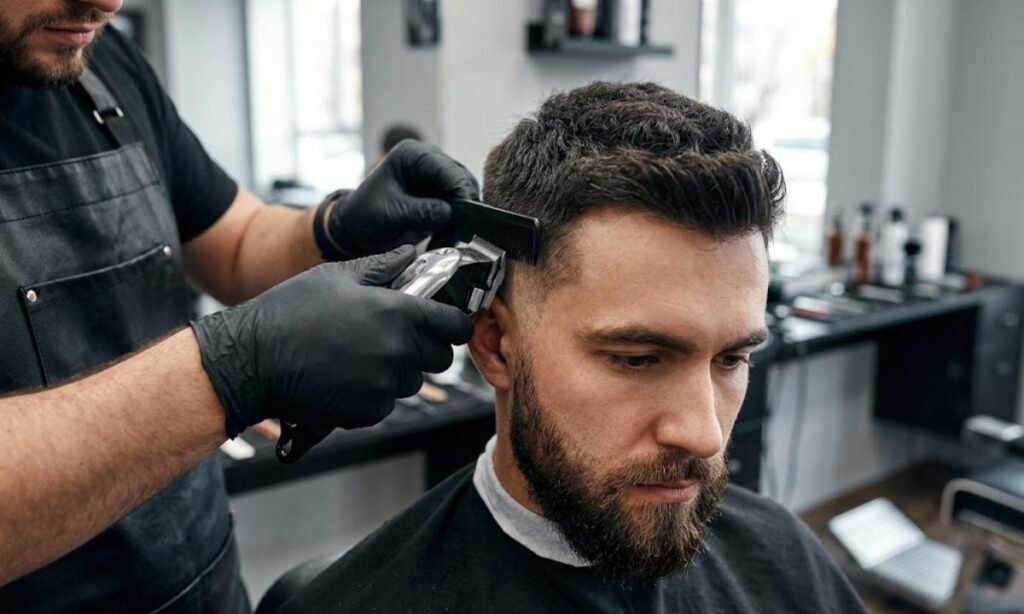
Say “mid taper” and point to the spot. Touch the mid-temple area on your own head so the barber sees where the taper starting point should be. Words like “mid” mean different heights to different people.
If you’re unsure, ask for the graduation around the mid-temple and let the barber show you in the mirror before cutting deep. Starting a little higher is easier to fix than starting too low.
2. Choose a shadow or skin-close finish

This decides how bare the shortest point looks. A shadow finish leaves a hint of hair, about a #0.5 or #1, for a soft look. A skin-close finish goes to the bare-skin finish with a foil shaver.
So should a mid taper fade go down to skin? Not always. If you have sensitive skin or curly hair, shadow is kinder and grows out more gracefully.
3. State the top length and texture you want to keep
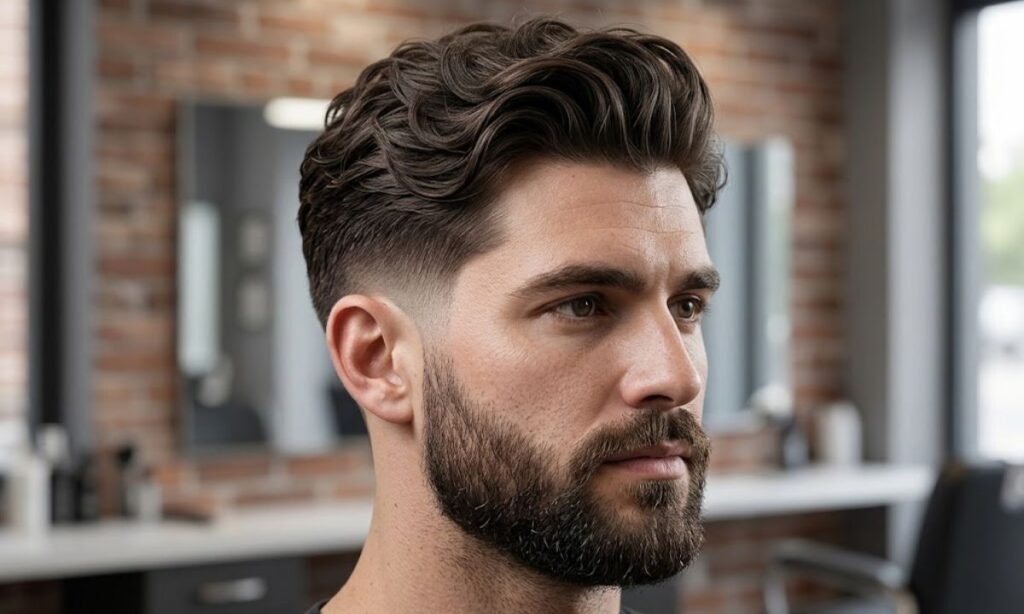
Tell the barber your top length in real terms, like “I want to comb it to the side” or “I want to keep two inches of top texture.” Inches beat guard numbers here, because the top is usually scissor-cut.
Add a sentence about styling. If you air-dry and go, say so. The barber can then cut the top to behave without product.
4. Specify connected or disconnected beard
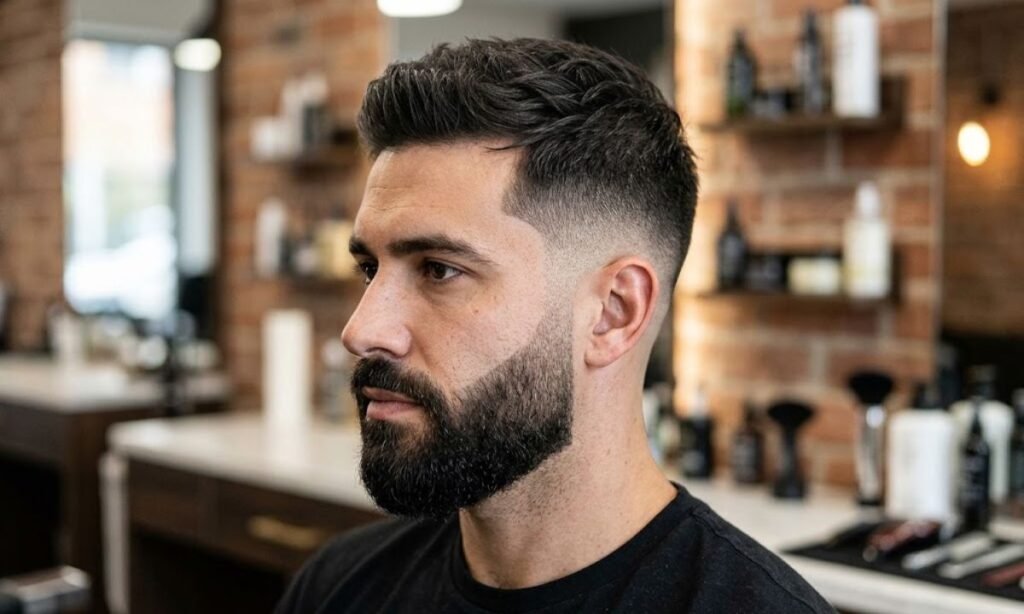
This one gets skipped most often, and it’s where most blend problems begin. Say clearly whether you want the sideburn blend into the beard or a visible gap.
If you want a connected beard, ask for the sideburn-to-beard connection to be one smooth gradient. If you want a disconnected beard, tell them where the gap should sit, and ask them to leave a visible gap of even width on both sides.
5. Confirm cheekline, neckline, and line-up
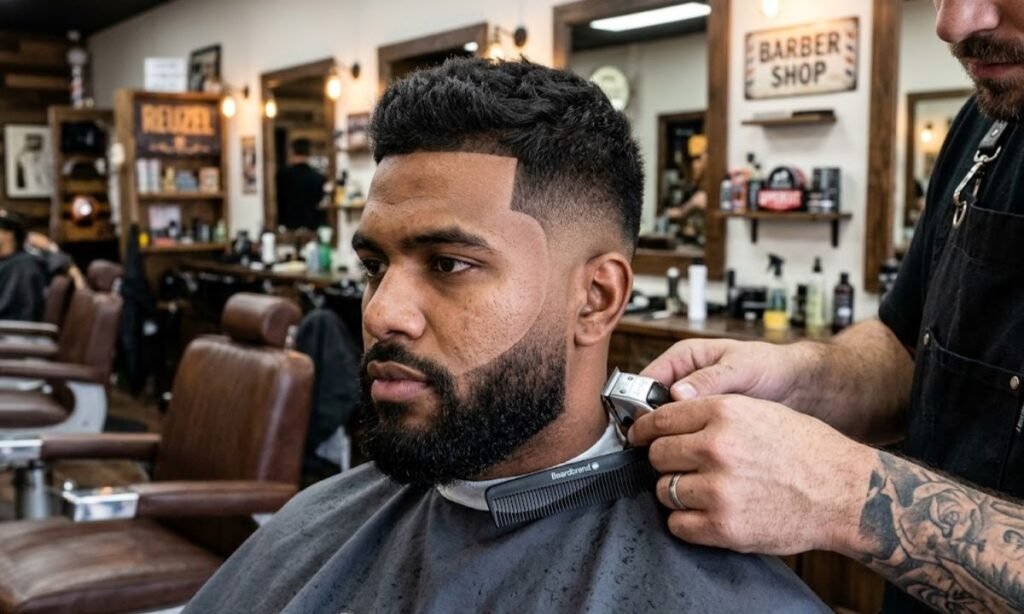
Finish with the edges. Ask for a natural cheekline if you like a lived-in look, or a sharp line-up if you like crisp. Then agree on the neckline, which should usually curve naturally rather than cut square.
Before the cut starts, repeat the plan back in one line. “Mid taper, shadow finish, keep the top, connected beard, natural cheekline.” If the barber nods, you’re set. That’s what confirm the finish before cutting looks like in practice.
Should you ask for specific guard numbers?

Guard numbers help, but they’re not the whole answer. A #1 guard leaves about 1/8 inch, a #2 about 1/4 inch, a #3 about 3/8 inch, and a #4 about 1/2 inch. You can use the clipper guard chart as a rough guide.
The catch is that clipper lever adjustment and brand differences change the real length. A skilled barber also blends by feel, so a rigid number can get in the way.
My suggestion: give one or two numbers for reference, then describe the look. For example, “around a #2 at the sideburn, blending up to a #4.” Let the barber pick the exact beard length settings and blend height.
How do you style a mid taper fade and beard at home?
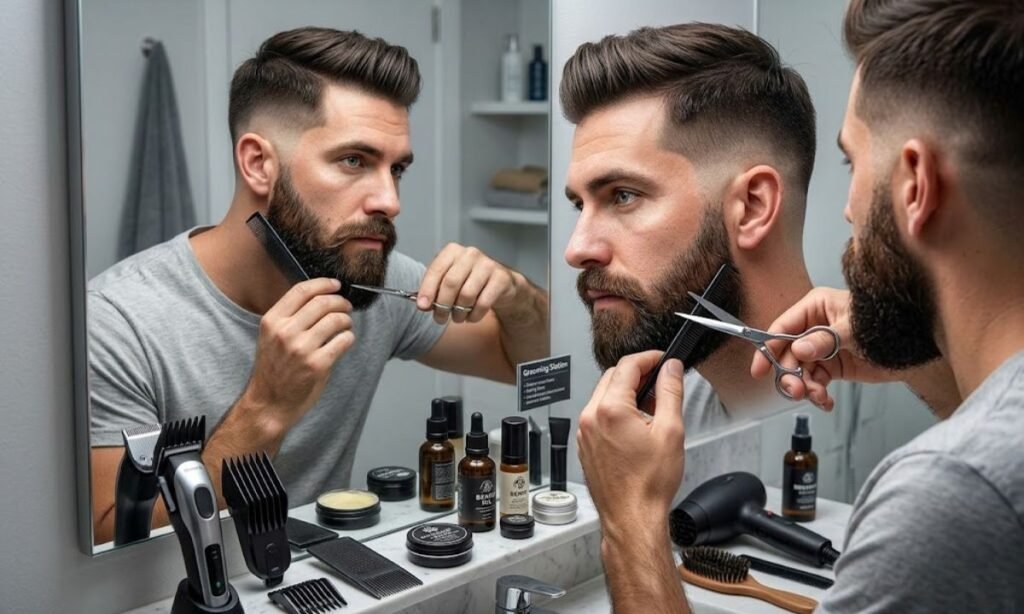
A good haircut is only half of it. The other half is what happens in your bathroom the next morning. The good news is that this cut doesn’t demand much.
Think of home grooming as three quick tasks: style the top, brush the beard, and tidy the edges. Ten minutes covers it.
Start with clean, slightly damp hair and beard. Product spreads better that way, and your natural texture shows up the way you want.
Style the hair on top for its natural texture
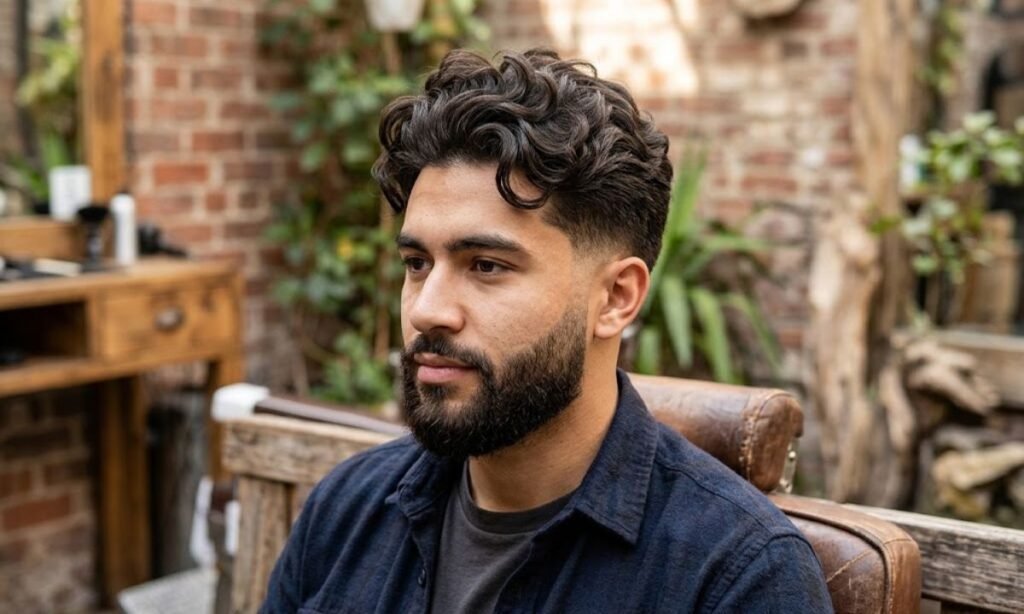
Work with what you have. Straight hair likes a lightweight cream or a pea-sized dab of matte paste. Wavy hair needs a touch of sea salt spray or cream to hold the pattern. Curly hair does best with curl cream or a leave-in conditioner scrunched into damp hair.
Avoid piling on product. More isn’t better, and heavy wax can make fine hair look greasy by lunchtime. Start with a little, then add if you need it.
A quick example: Sam has coily hair and a short boxed beard. He applies leave-in conditioner to damp hair, shapes it with his fingers, and lets it dry. Total time: four minutes, and it looks intentional all day.
Keep the beard and perimeter groomed
Wash your beard two or three times a week with a gentle cleanser. Daily washing can strip oils and leave the skin dry. Follow with beard conditioner, ideally a non-comedogenic beard conditioner if you break out easily.
Use a beard brush to train the hair in one direction. A few strokes after drying keeps the beard shaping neat and spreads beard oil evenly. Add oil in the morning only if your skin feels tight.
Between barber visits, handle the small stuff. Trimming stray hairs, light neckline touch-ups, and cheekline touch-ups keep the beard perimeter crisp. Stay conservative here. Avoiding over-trimming matters more than getting every hair, because you can’t glue it back on.
Tools and products worth owning
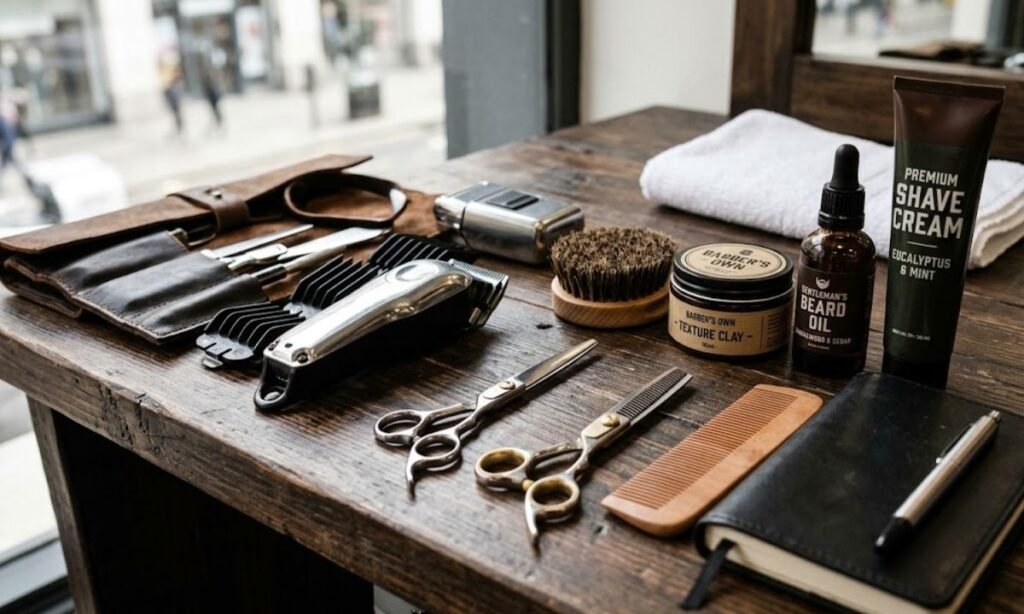
You don’t need a shelf full of gear. A short list covers almost everything. Spend a little more on the clippers and trimmer, because cheap blades pull hair and irritate skin.
Here’s a simple starter kit for beard maintenance and haircut maintenance between visits:
- Hair trimmer with a fine blade for edges and neckline work
- Clippers with a clipper guard set and a taper lever
- A razor you replace often, so the blade stays sharp
- A beard brush and a basic hairbrush
- Beard oil, beard conditioner, and a styling product that fits your texture
Keep the tools clean. Wipe blades after each use and replace dull razors. Clean shaving tools are one of the easiest ways to cut down on irritation, which we’ll dig into shortly.
If you’re new to trimming at home, practice on the beard length graduation first. It’s more forgiving than the neckline, and mistakes grow out within a week or two.
Mid Taper Fade With Beard: Cost and Booking
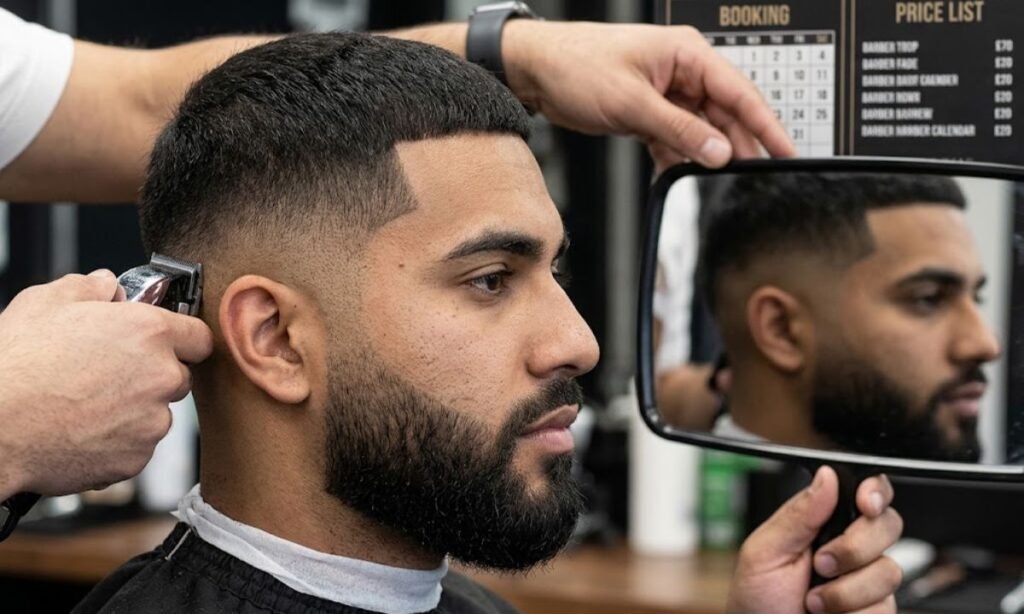
Prices vary a lot by city, shop, and barber. A basic men’s cut in many places runs from roughly 20 to 50 US dollars. Adding a beard trim often pushes the total higher, and senior barbers or premium shops charge more.
So don’t treat any number as fixed. Check the shop’s menu or call ahead. Ask what’s included, because some places add a hot towel, razor line-up, or styling for an extra fee.
Plan on tipping as well, since it’s standard in many countries. A 15 to 20 percent tip is common in the US, though local custom differs.
What affects the cost of a haircut and beard blend?
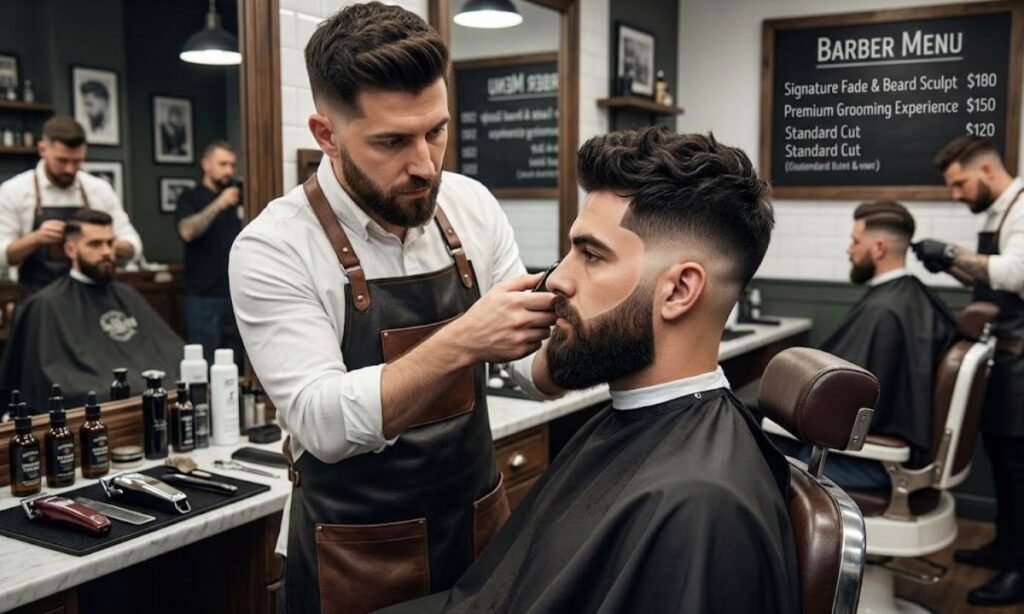
A few things move the price. Barber experience is the big one, since a master barber charges more than a junior. Location comes next, followed by how much detail you ask for.
A mid taper fade with beard is more complex than a basic trim. The barber has to match the blend height and blend depth on both sides of the face. A disconnected beard or a sharp beard lineup with a straight razor adds time too.
Extras like a skin fade finish, a hot-towel shave, or a styling session can bump the bill. If you’re on a budget, ask for a shadow finish and a simple trim.
Should you book a haircut and beard trim as one service?

Usually, yes. When one barber handles both, the hair and beard are planned together. The sideburn-to-beard connection comes out smoother, and you avoid mismatched edges.
Many shops offer a haircut and beard appointment bundle, which can save a few dollars. It also means you only book one slot. Fewer trips, fewer headaches.
There’s one exception. If you want a major beard reshape and a special beard line-up, a separate appointment with a beard specialist may give better results. Ask your barber what they recommend.
How often should you maintain a mid taper fade with beard?
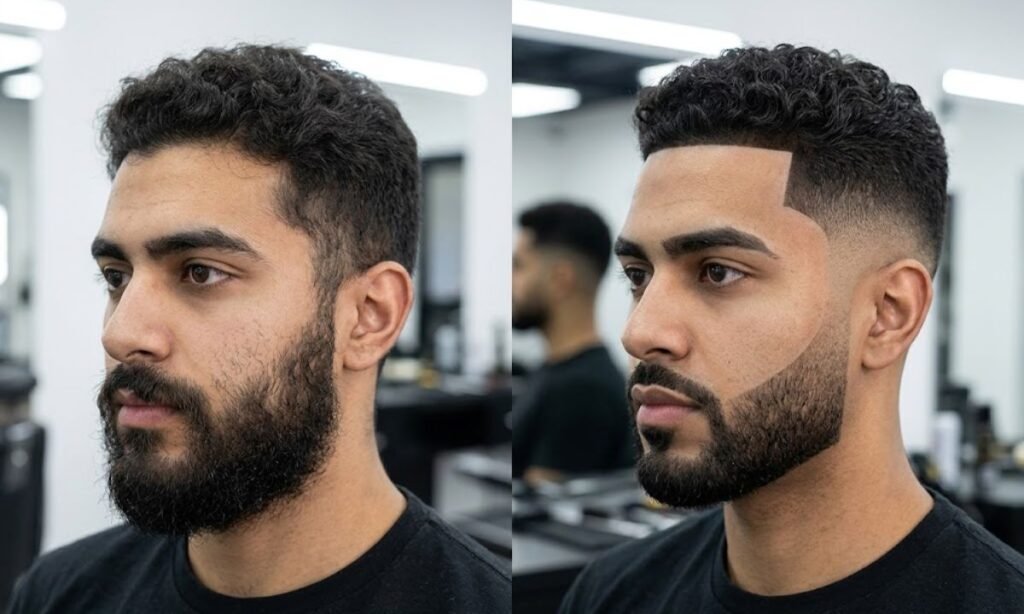
Short answer: every two to four weeks. That’s the typical two-to-four-week appointment interval. A skin-close finish loses its sharpness fastest, often by week two. A shadow finish forgives you for a bit longer.
Your hair growth rate and beard growth rate also matter. Some guys regrow a shadow in five days. Others stay neat for three weeks. Watch how your own sides and neckline age, and rebook before they look rough.
A useful rule: when your neckline growth starts to look fuzzy, and the sideburn regrowth hides the taper, it’s time. Don’t wait for a full grow-out unless you’re planning a change.
Barber touch-ups vs home maintenance
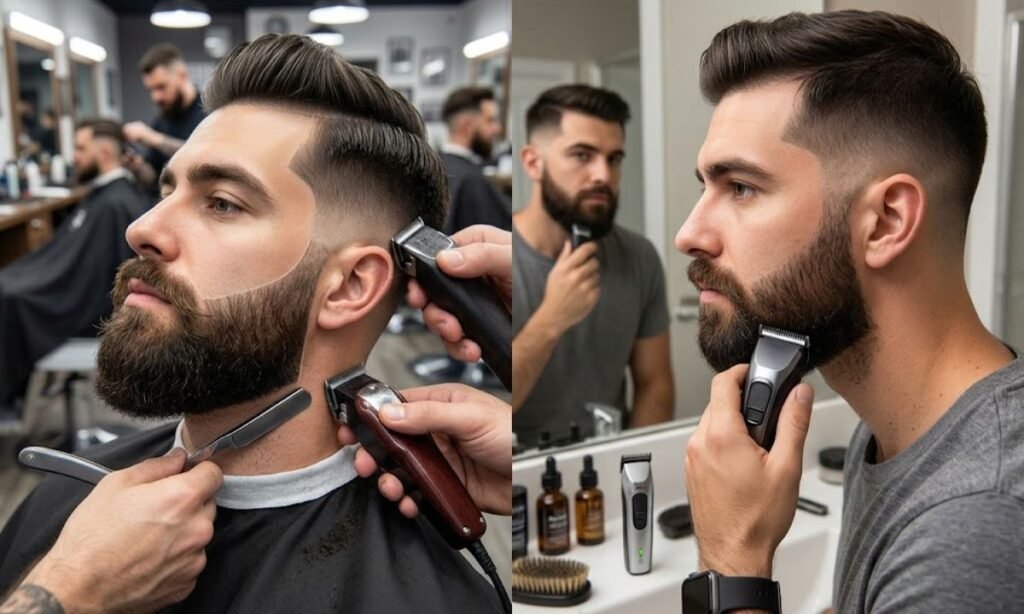
Barber visits handle the big jobs. They reset the taper, refresh the blend, and clean the line-up. They’re also the best place to ask about changes to your beard shape.
Home maintenance handles the small jobs. You can do cleaning up stray hairs, neckline touch-ups, and light beard trimming. You can’t do the taper itself without practice, so don’t try to freehand the fade.
A practical routine: book the barber every three weeks, then do a quick home tidy at week one and week two. That rhythm keeps the cut crisp without eating your whole budget.
What does the grow-out look like?
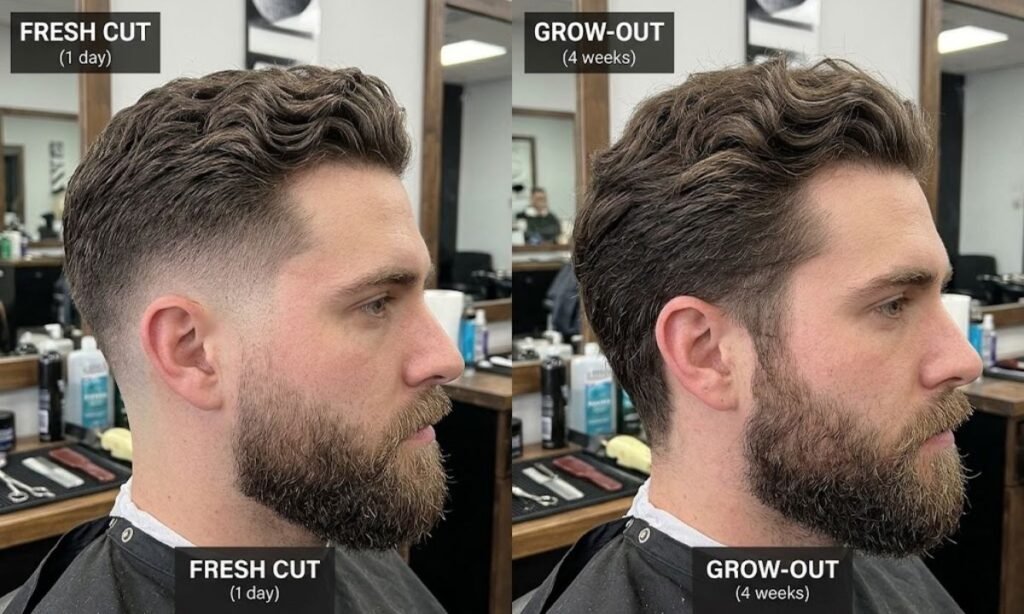
The haircut grow-out period for a mid taper is kind. Because the sides keep some length, the cut doesn’t collapse into a bowl shape like a high fade can. After about four to six weeks it’s soft, and by eight weeks it needs a reset.
The beard grow-out period is separate. Your beard gradient will lose definition as the cheeks fill in, and hair and beard growing at different rates can make one side look heavier. Both are normal.
If you’re growing out on purpose, tell your barber. They can shape the beard perimeter while keeping the length, so the in-between phase looks planned rather than messy.
Common problems, risks, and fixes
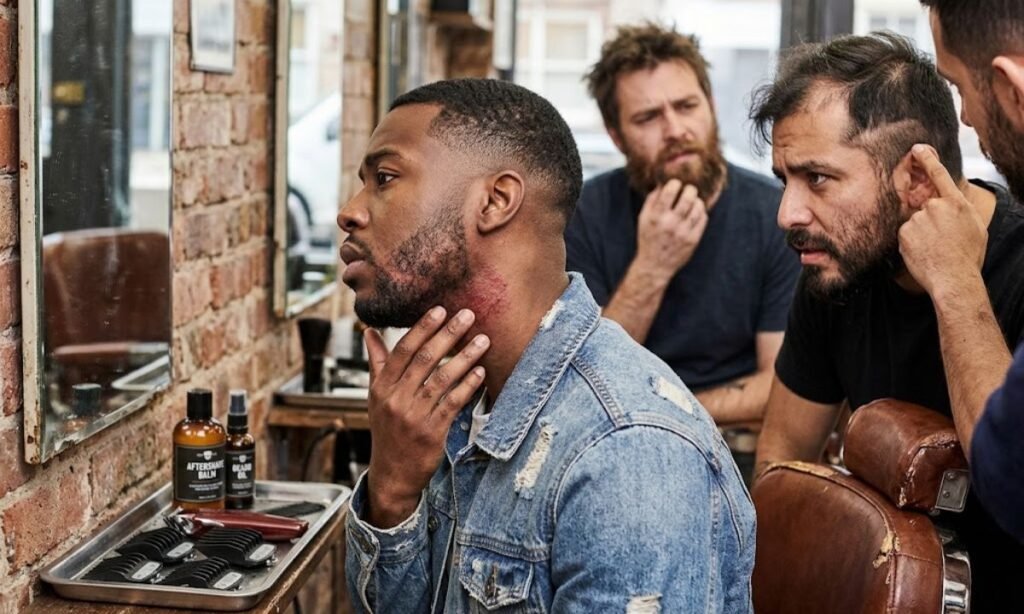
Even good cuts run into trouble. Skin gets irritated, beards grow in patches, and blends drift. Most of these problems have easy fixes, as long as you spot them early.
If anything below sounds severe, don’t tough it out. A doctor or dermatologist consultation is a smart move, especially for scarring or lasting bumps.
Let’s cover the two most common issues.
Razor bumps, irritation, and ingrown hairs
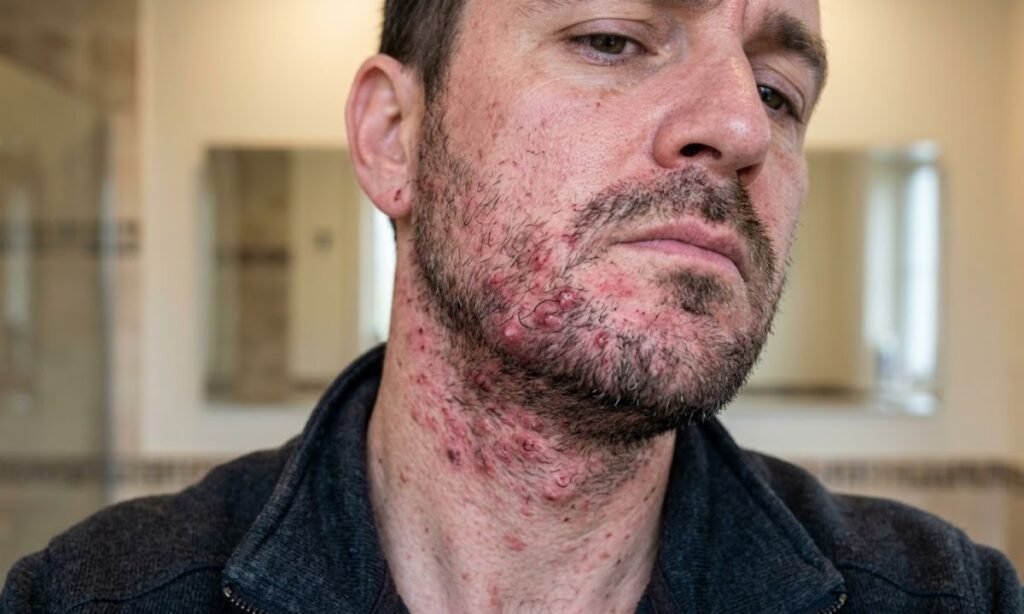
Razor bumps happen when a sharp hair curls back and grows into the skin. The medical term is pseudofolliculitis barbae. You’ll see red or dark bumps along the neckline, jaw, and cheek, and they’re more common with curly hair and coily hair.
To reduce them, shave in the direction of hair growth. Use a clean blade, a warm towel first, and a soothing aftershave without alcohol. Skip the skin-close finish if your neck gets angry. A shadow finish leaves a bit of length and lowers the odds of ingrown hairs.
One thing to watch for is acne keloidalis nuchae. It causes firm neck bumps and scalp bumps at the back of the head, and it can lead to raised scars and even permanent hair loss if ignored. It’s more common in people with tightly curled hair, and very close clipping at the nape can aggravate it. If you notice recurring bumps there, see a dermatologist early.
Add one more tip to your routine: gentle exfoliation a couple of times a week. It helps trapped hairs find their way out. Don’t scrub hard though, since harsh rubbing causes razor burn and skin irritation.
Patchy beard, uneven density, or a broken sideburn blend
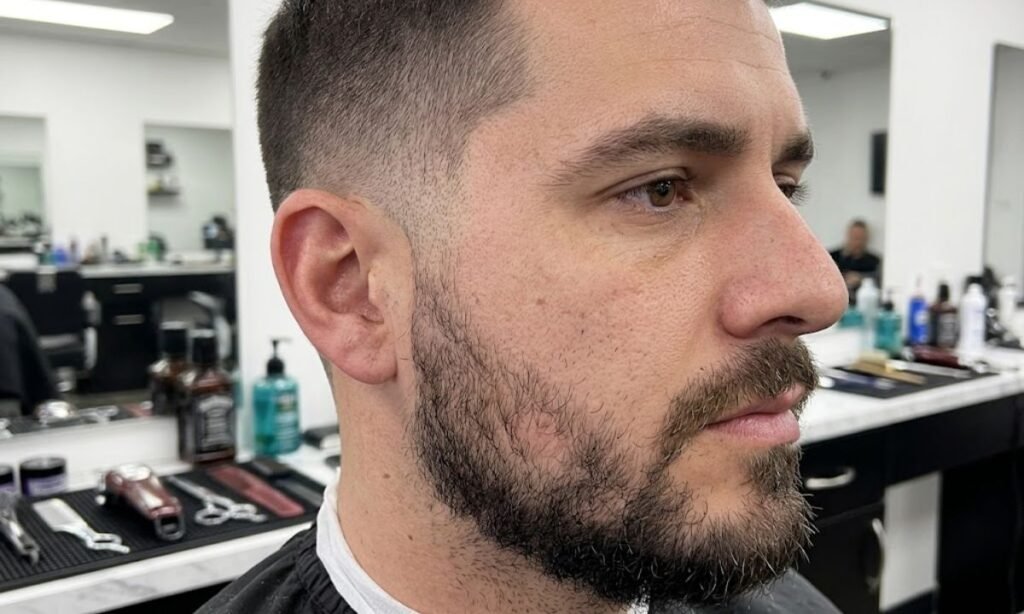
A patchy beard or uneven beard density isn’t a dealbreaker. Keep the beard length short, because stubble and a short beard hide gaps better. A soft transition and soft beard edges also look more natural than a razor-sharp outline.
So does a mid taper fade work with a patchy beard? Yes, with a few tweaks. Ask the barber to shape the beard perimeter around the dense areas and avoid forcing a line where hair doesn’t grow. Some guys also choose a disconnected beard to sidestep thin sideburn zones.
For a broken sideburn blend or abrupt beard transition, take a photo and show your barber. They can fix a visible separation between hair and beard by re-blending the sideburn and matching the blend depth. Home fixes rarely work well, so don’t chase it with clippers at midnight.
Uneven sideburn growth is common too. One side often grows faster. Ask the barber to even them out, and consider a slightly longer sideburn on the slow side to keep things symmetric.
Alternatives if a mid taper fade with beard is not the best fit

Not every cut fits every head. If the mid taper feels wrong, you have solid backups. Each one changes the balance between hair and beard, so pick based on how much contrast you like.
Think of these as dials. Turn the taper lower for softer, higher for sharper, or break the connection for a modern look.
Bring a photo of the alternative to your barber, and let them confirm it suits your face shape.
Low taper with beard
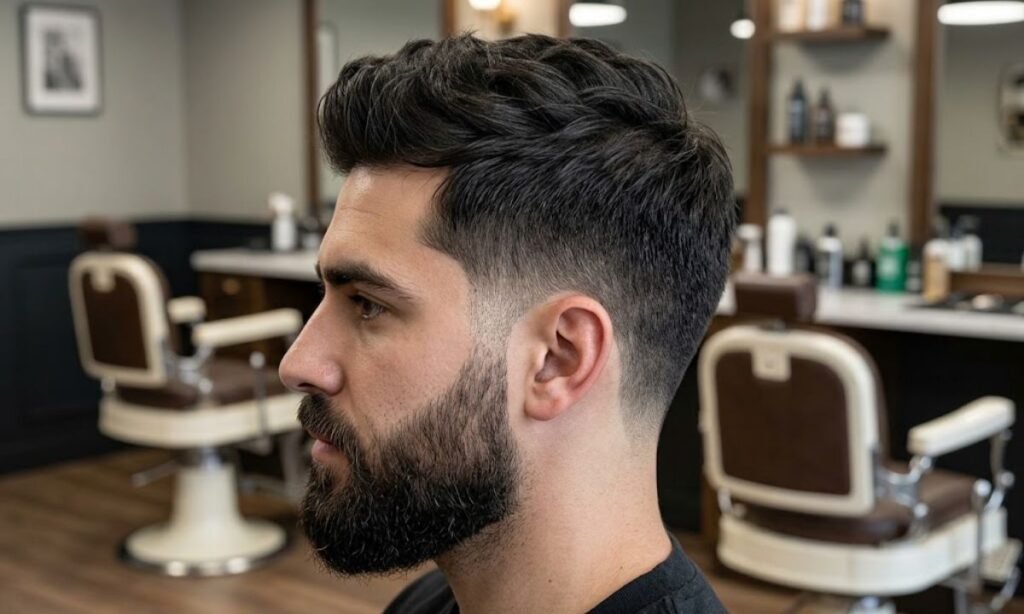
A low taper with beard starts near the ear, so you keep more retained side bulk. It’s the gentlest option, and a great pick if you’re nervous about going short. It also suits a minimal-maintenance beard style.
The tradeoff is less contrast. A low taper can look a touch conservative, which is perfect for some workplaces and boring for others. Compare low taper vs mid taper by looking at where you want visual weight.
Mid fade with beard
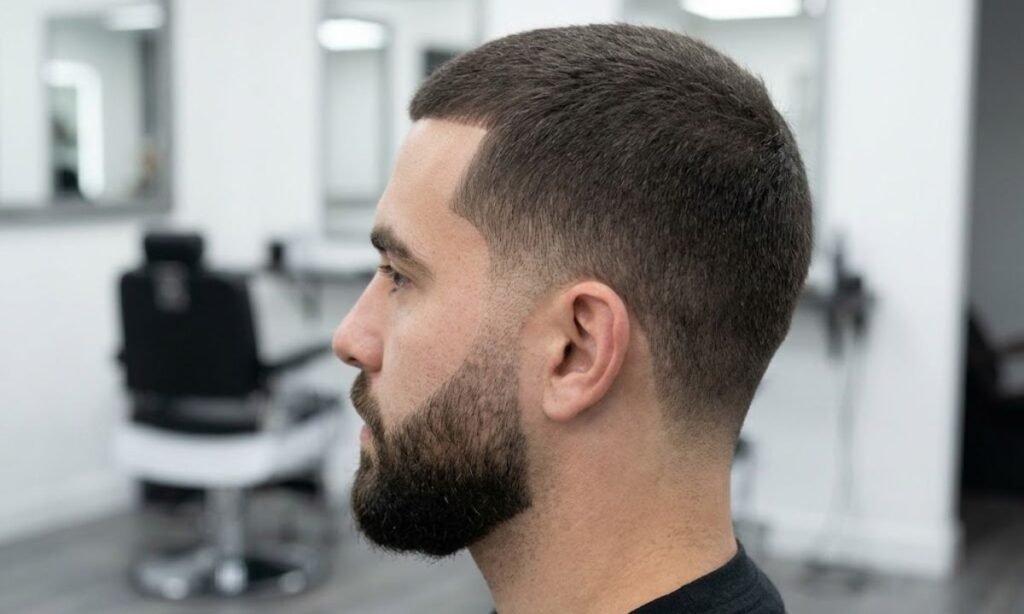
A mid fade with beard gives you stronger gradient and clearer visual contrast. The sides drop to skin, and the beard stands out against the smooth zone. It’s the bolder cousin of the taper.
Expect a shorter rebooking window. Fades show regrowth faster, so plan for every two weeks if you like it crisp. A drop fade with beard or burst fade with beard adds a curved fade around the ear for extra flair.
High taper or intentionally disconnected beard

A high taper with beard offers maximum contrast, because the shortening starts high on the temple. It looks sharp on a full beard and can flatter narrow faces. It also demands more upkeep.
If you want a different feel entirely, try a disconnected beard style. The beard stands alone, which makes it easy to shape and easy to explain to a barber. Maintaining the gap is the only catch.
A skin fade with beard is another route. It pairs a bare-skin finish with beard length for strong definition. Just remember the skin-care notes above if your neck is prone to bumps.
You can also checkout this article as well: Mid Taper Fade With Long Hair: Styles, Barber Guide, and Maintenance
Frequently Asked Questions about the mid taper fade with beard
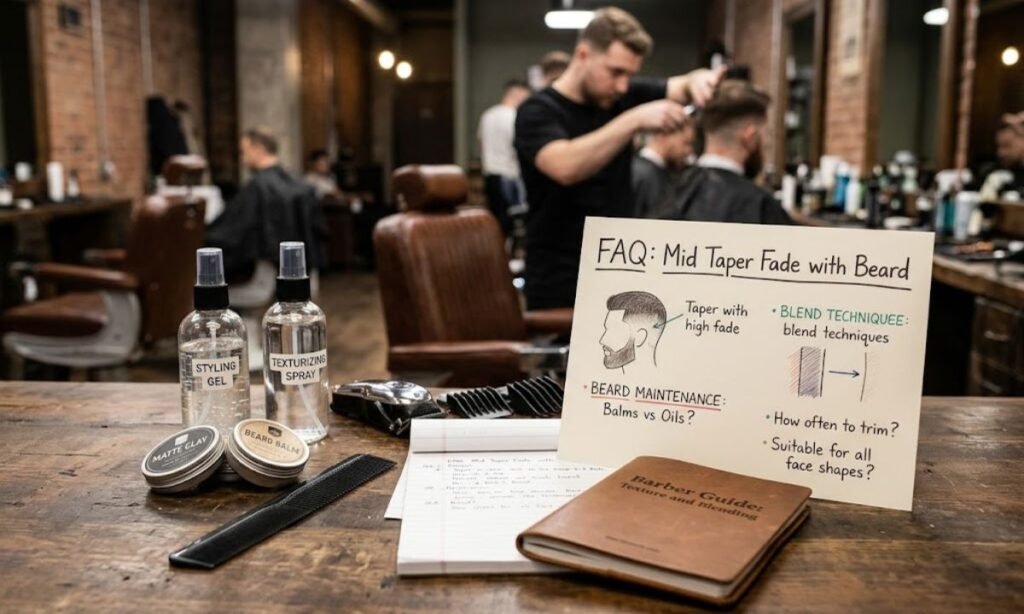
What is a mid taper fade with beard?
It’s a haircut where the sides shorten gradually from the mid-temple down to the sideburn and neckline, paired with a beard that either connects or stays separate.
Can you get a mid taper fade with stubble?
Yes. It’s one of the easiest combos, since the length difference is small and the blend looks natural.
Does a mid taper fade work with a patchy beard?
Yes, with a shorter beard and soft edges. Ask your barber to shape the beard around denser areas.
Should the beard connect to the sideburn?
It depends on your style. A connected beard looks smooth and classic, while a disconnected beard looks sharper and more modern.
Should a mid taper fade go down to skin?
Not necessarily. A shadow finish is gentler and grows out better. Choose skin-close only if your skin tolerates it.
What guard number should you ask for?
A #1 or #2 at the sideburn and a #3 or #4 higher up is a common starting point. Your barber will adjust the exact numbers.
How often should you maintain a mid taper fade with beard?
Every two to four weeks, with light home trims between visits.
How do you prevent razor bumps on the neckline?
Shave with the grain, use a clean blade, keep the skin moisturized, and consider a shadow finish.
How do you fix an uneven sideburn-to-beard blend?
Visit your barber and show a photo. They can re-blend the sideburn and match the beard length.
Which taper fade suits a full beard?
A mid taper is the safest choice. A low taper can leave the sides bulky, and a high taper can feel severe.
Final thoughts
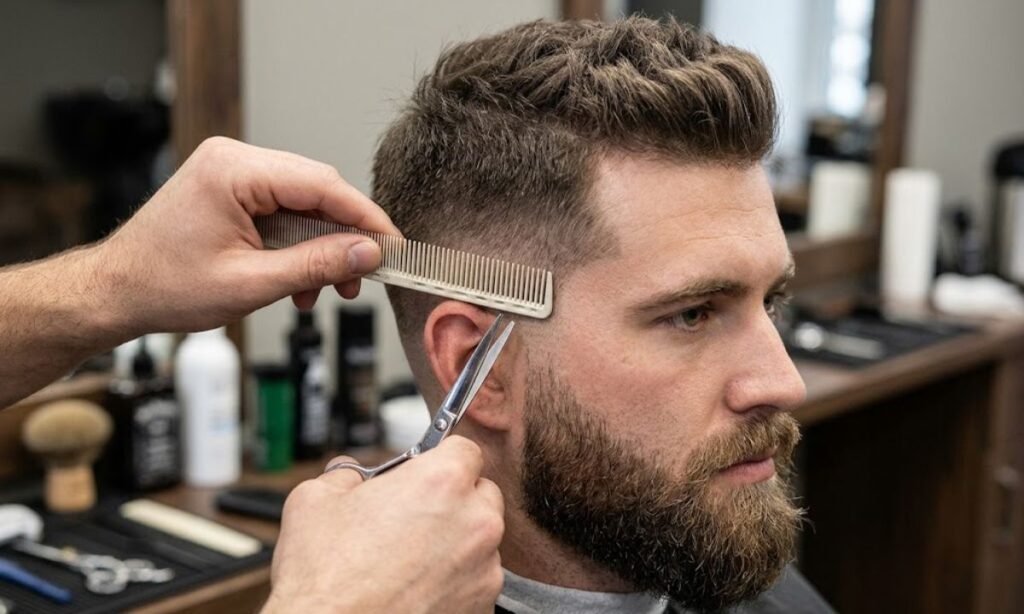
The mid taper fade with beard is popular for a reason. It looks neat, adapts to most textures, and doesn’t need constant babysitting. Pick the right beard length, brief your barber clearly, and keep up with regular trims.
Remember the basics. Decide on the height, finish, top, connection, and edges. Keep skin care simple, and watch for bumps that don’t go away. Small habits make the biggest difference.
Now it’s your turn. Which style are you leaning toward, connected or disconnected? Drop a comment, share this with a friend who’s overdue for a trim, and tell us what worked for you. We update this guide regularly, so check back for fresh tips.

I’m Michael Charles, the creator of MegaCrazes—your source for fresh hairstyles, sharp haircuts, and simple hair-care inspiration. Find your style. Own your look.