


Wondering if a low taper mullet will suit you? Short answer: yes, for most men. It keeps the sides clean and the back length soft, so it looks bold without being loud.
You probably have worries. Will it look messy at work? Can you grow it out without an awkward phase? This guide answers both, plus what to tell your barber and how to style it.
Quick Answer
A low taper mullet haircut blends short sides into a longer back. The taper starts low, near the ear and neckline, so the sides stay full and natural.
Ask for a low taper fade, soft layers on top, and collar length at the back. Style it with matte clay or sea salt spray, trim it every four to six weeks, and you’re set.
What Is a Low Taper Mullet

Think of it as a modern mullet with manners. The hair gets shorter around the ears and nape, but the taper stays low, so you keep side bulk instead of a bare skin look.
The classic mullet had a harsh split between front and back. Today’s version uses a smooth blend, light texture, and clean edges. It reads as a modern men’s haircut style, not a costume.
You’ll also hear it called a tapered mullet haircut or a taper mullet. Different labels, same idea: tidy sides, relaxed back, and a shape that moves with you.
Face Shape and Hair Type Guide
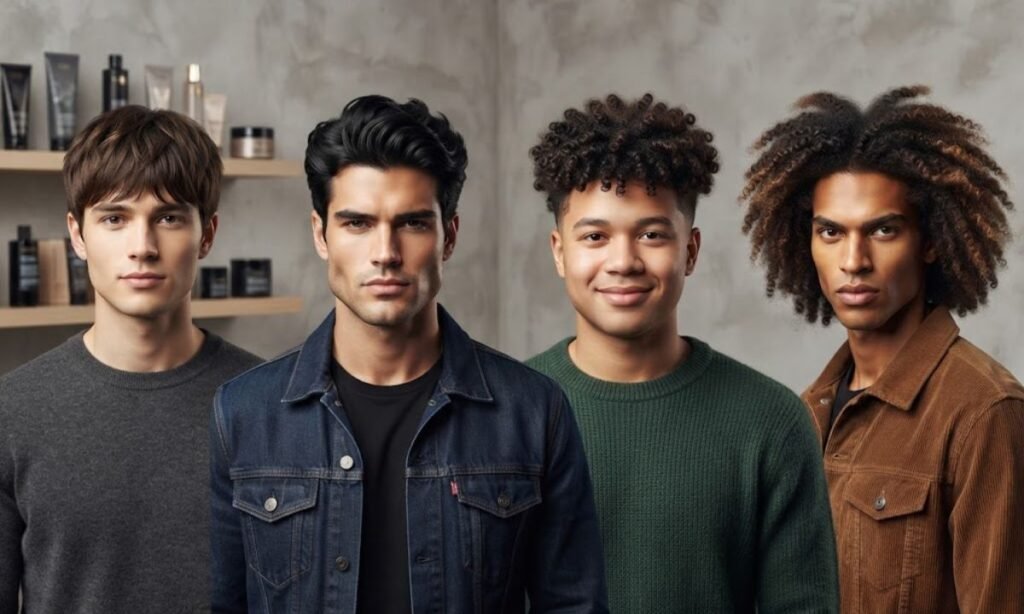
Your face shape decides how much height and length you should ask for. A round face looks sharper with extra volume on top and a slightly longer back. A square face already has strong angles, so soft layers and a rounded neckline balance it nicely.
Hair type matters just as much. Thick hair needs light debulking so the sides don’t puff out. Fine hair does better with a bit more length and a matte pomade for grip.
Here’s a quick cheat sheet:
- Round face: Keep the top textured and the back around collar length.
- Square face: Go for soft layers and a rounded neckline.
- Thick hair: Ask for debulking and a low taper mullet for thick hair cut.
- Fine hair: Skip heavy taper and keep hair volume with light product.
Take a minute to check your side profile in a mirror too. If your ears stick out, a slightly fuller taper hides that better than a tight fade.
Variations
Mullets aren’t one size fits all. Below are 24 ways to shape yours, from basic to bold. Screenshot two or three that speak to you and bring them to your barber.
1) Low Taper Mullet Basics

The core low taper mullet has short, tapered sides, a textured crown, and a longer back. Nothing flashy, nothing confusing.
It’s the easiest starting point if this is your first mullet. You can always push it edgier at the next visit.
2) Low Taper Placement

Placement means where the taper begins. For this cut, it sits low, just above the ear and along the hairline at the nape.
A low start keeps more hair on the sides. That’s why it looks softer and feels safer for office-friendly looks.
3) Modern Mullet Shape
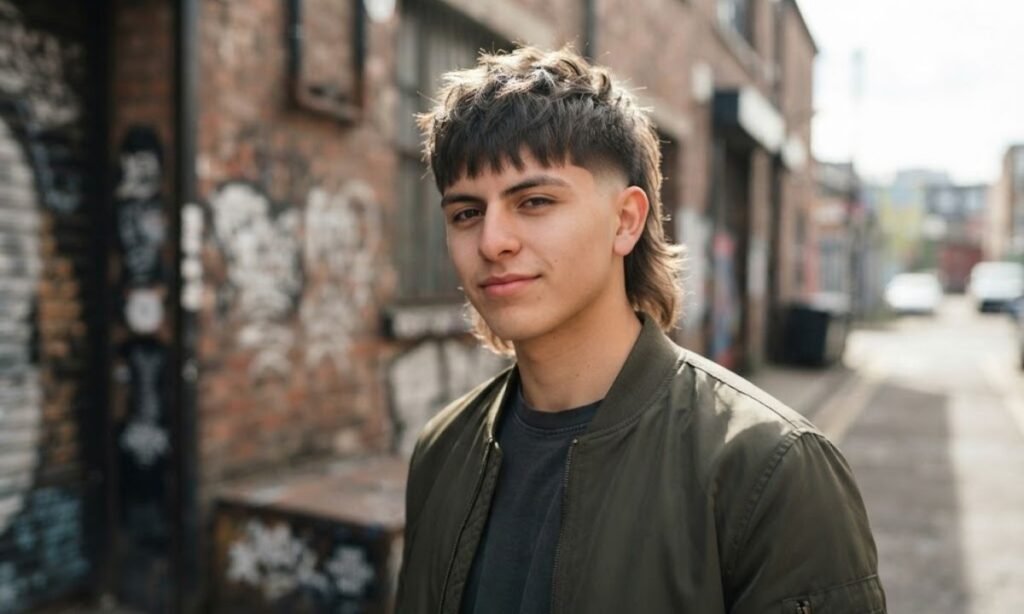
The modern mullet shape has a gentle curve from crown to nape. There’s no sudden step down.
Think of it like a waterfall, not a staircase. The hair flows, and natural movement does most of the work.
4) Mullet Length Guide
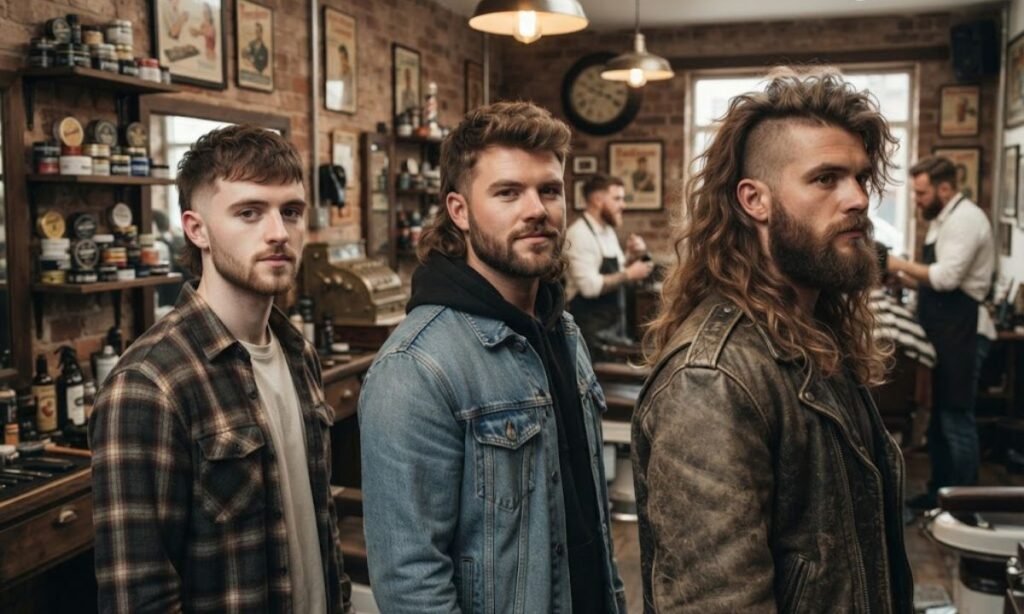
Short mullets end around the nape. Medium ones hit the collar length, and long ones brush the shoulders.
Start medium if you’re unsure. It’s forgiving, and you’ll know within two weeks if you want more or less.
5) Men’s Low Taper Mullet
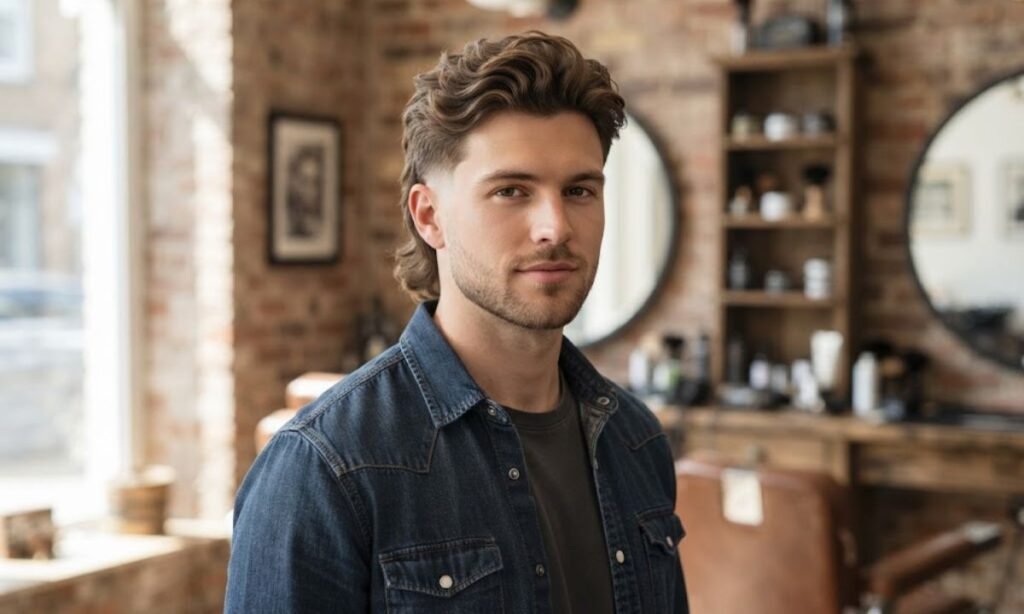
A men’s low taper mullet often leans clean and structured. Sides stay tight enough to look sharp, while the top keeps some weight.
It works for guys who want a statement without scaring their manager. Pair it with a neat beard or clean jaw.
6) Low Taper Mullet Fade
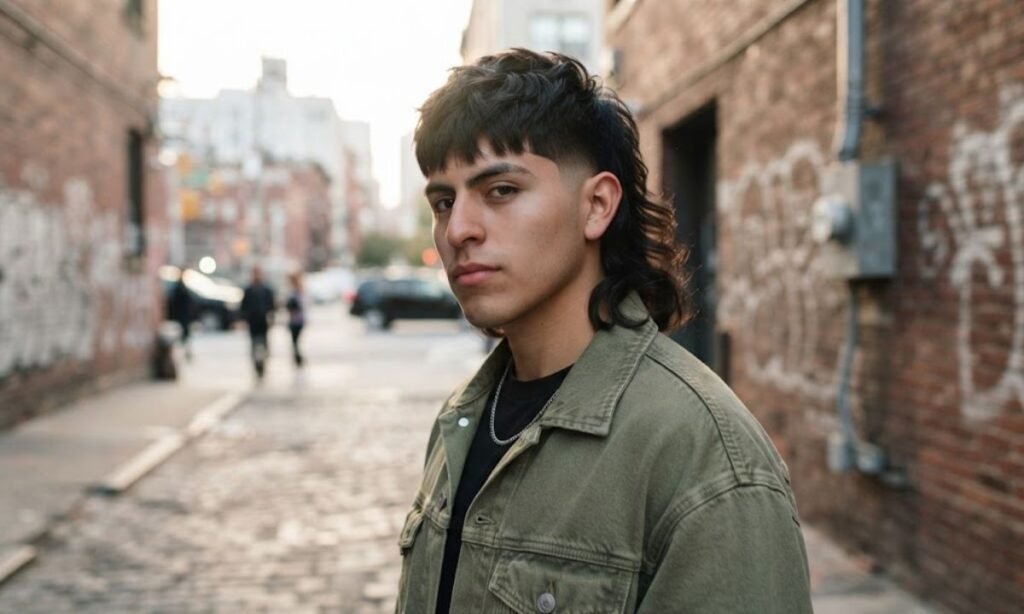
In a low taper mullet fade, the sides fade down to a very short length near the bottom. The fade is subtle and stays close to the ear.
It’s a nice pick if you like crisp lines. Just make sure your barber keeps the top and back connected.
7) Tapered Mullet

A tapered mullet uses gradual shortening instead of a skin fade. Hair stays visible even at the lowest point.
That keeps it low maintenance between visits. The grow out looks natural, not patchy.
8) Taper Mullet Fade

The taper mullet fade sits between a taper and a full fade. You get a little more contrast, but the edges still look soft.
Ask for a number two or three guard at the bottom. That’s a good middle ground for most guys.
9) Modern Mullet Taper Fade

The modern mullet taper fade adds more texture on top and more drama in the fade. It’s the version you see in barbershop reels.
It needs a skilled hand and regular trims. Skip it if you only visit the barber twice a year.
10) Mid Taper Mullet

A mid taper mullet starts the taper around the temple level. It shows more of the side and gives a sharper edge.
It suits longer faces less, since it adds height. On a round face, though, it can look great.
11) High Taper Mullet

The high taper mullet, sometimes searched as a high taper fade mullet, starts the fade above the temples. It’s the boldest of the tapers.
It pulls the eye up and shows off the back. Expect more upkeep, because the fade grows out fast.
12) Short Low Taper Mullet

A short low taper mullet keeps the back near the nape instead of the shoulders. It’s a short mullet haircut for men who want a hint of the style.
It’s also the easiest way to test the look. If you hate it, it’s gone in a month.
13) Low Taper Mullet Straight Hair

Straight hair shows every line, so a clean cut matters. Ask for soft layers so the back doesn’t hang flat.
A light sea salt spray adds grip. Without it, straight hair can look stringy by lunchtime.
14) Low Taper Mullet Wavy Hair

Wavy hair is the sweet spot for mullets. The waves add hair movement and hide small cutting flaws.
Use a bit of curl cream and let it air dry. You’ll get a relaxed shape with zero fuss.
15) Low Taper Mullet Curly Hair

A curly mullet taper looks fantastic when curls are allowed to spring up. Cut it dry or ask your barber to check the shape when curls are dry.
Keep the taper low so the sides don’t go flat. Finish with curl cream and scrunch, never brush.
16) Low Taper Mullet Fade for Wavy, Curly, Straight

This is the all in one request. A low taper mullet fade for wavy, curly, straight hair adjusts layer length to each texture.
Straight hair gets shorter layers for lift. Wavy and curly hair get slightly longer layers so the shape holds.
17) Low Taper Mullet Middle Part
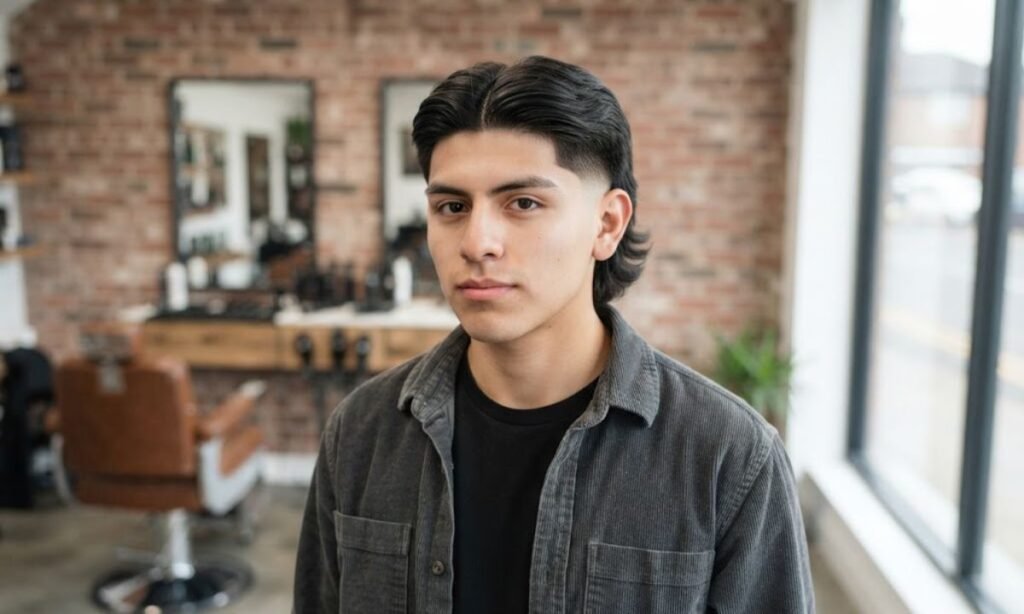
A low taper mullet with middle part gives a retro, face framing look. The hair falls evenly on both sides of the forehead.
It works best with fine to medium hair. Thick hair may need extra thinning so it doesn’t split awkwardly.
18) Low Taper Mullet Flow

Low taper mullet flow means longer top hair swept back or to the side. It creates that lived in, movie star vibe.
You’ll need patience to grow it, around three to four months. A blow dryer on low heat helps shape it while you wait.
19) Textured Mullet Finish

A textured mullet uses point cutting or razor work to add light texture. The ends look broken up and airy instead of blunt.
Ask for this if your hair feels heavy. It cuts weight without losing length.
20) Face Shape Match
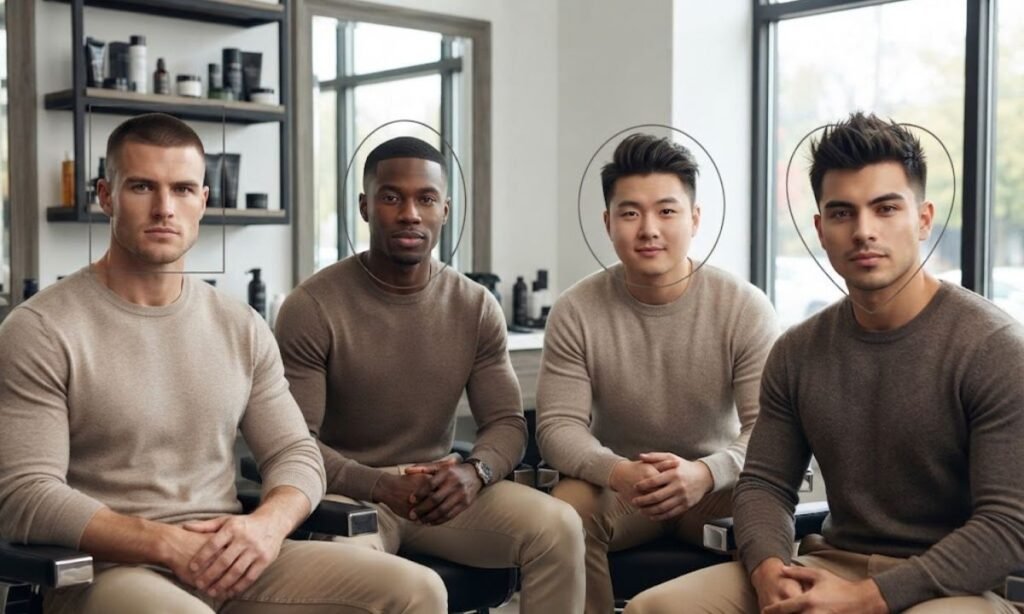
Match the cut to your face shape before anything else. Round faces like height and longer backs, and square faces like softer edges.
If you have a long face, keep the top shorter. A low taper mullet for round face or square face really does differ from one for an oval.
21) Low Taper Styling

Low taper styling should take under five minutes. Damp hair, a little product, and a quick blow dry do the job.
Don’t overthink it. The cut should carry the look, not the product.
22) Low Taper Maintenance

Good haircut maintenance starts with regular trims. The taper loses shape first, so book a clean up every few weeks.
A trimmer at home can tidy the taper neckline between visits. Go slowly, because you can’t undo a slip.
23) Mullet Barber Tips
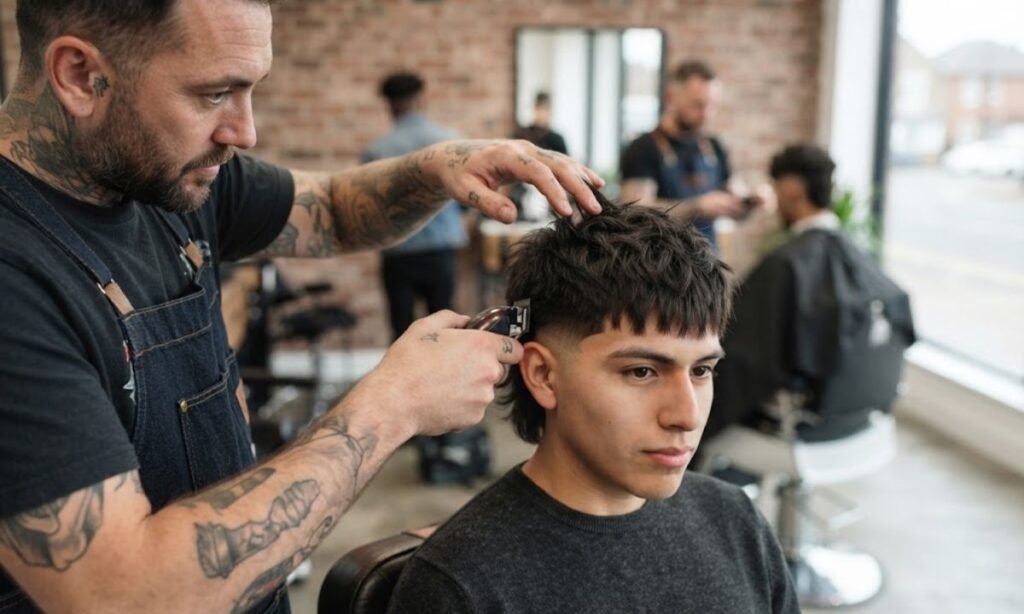
Tell your barber exactly where the taper should start. Show a reference photo and point out what you like and don’t like.
Ask for a clean neckline and a smooth blend between sides and back. Good barbers love clear instructions.
24) Low Taper Mullet Fade for Wavy, Curly, Straight
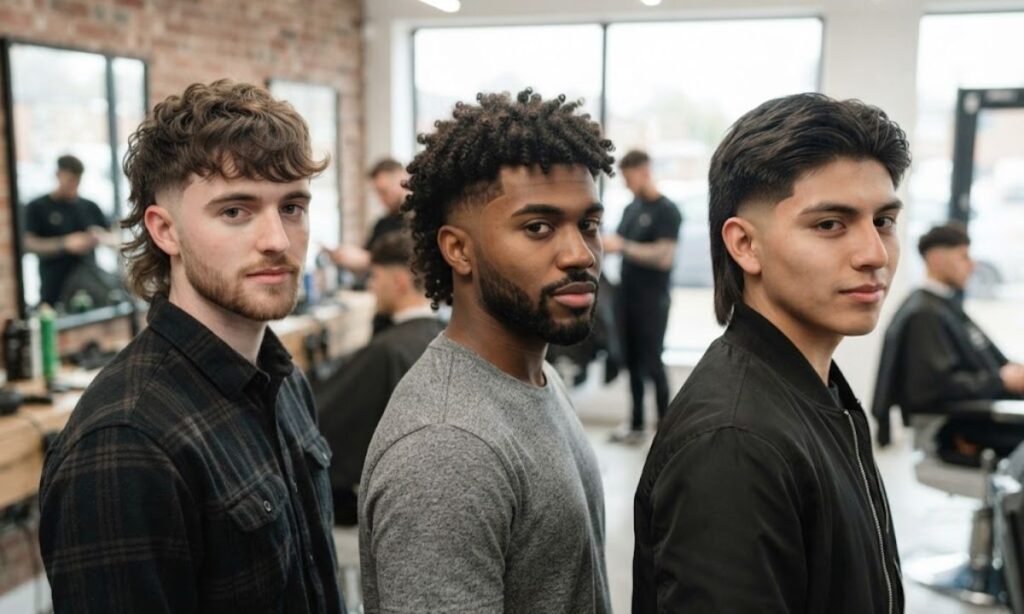
Here’s the recap version. A low taper mullet fade for wavy, curly, straight hair comes down to one rule: adjust the layers to your texture.
Straight hair wants shorter layers, waves want medium, and curls want a bit more length. Share your hair type at the start of the appointment.
How to Style in Three Steps
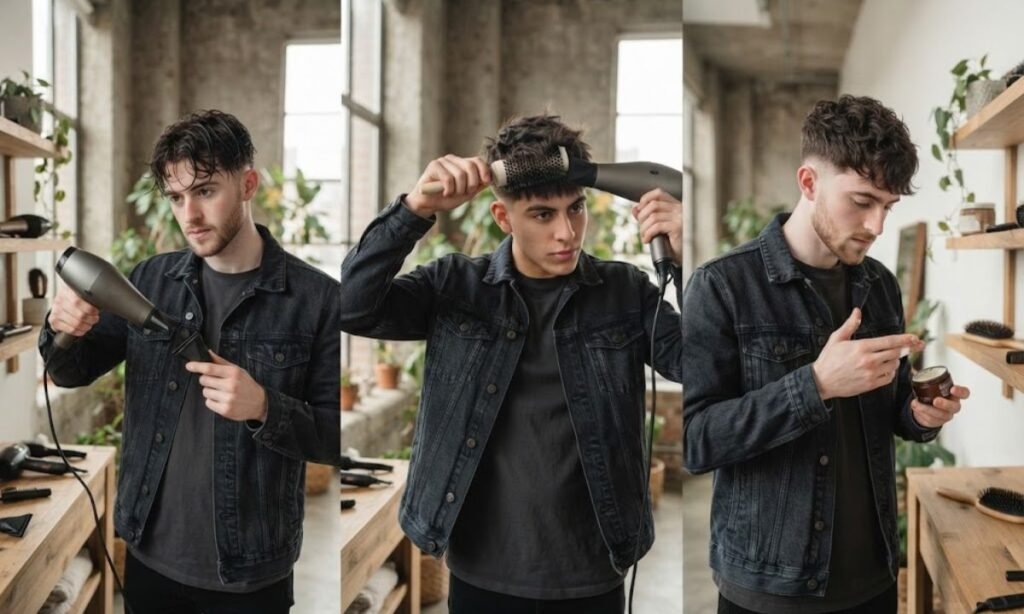
You don’t need a twenty minute routine. A low taper mullet three step styling method works for almost everyone.
Step one: prep. Start with towel dried hair. Add sea salt spray for straight or fine hair, or curl cream for waves and curls.
Step two: dry. Use a blow dryer on low heat. Lift the crown with your fingers and let the back fall naturally.
Step three: finish. Rub a pea sized amount of matte clay or matte pomade between your palms. Work it through the top and ends for light texture, then stop.
For low taper mullet styling at home, less is more. If it looks stiff, you used too much.
Barber Instructions

Wondering what to tell your barber for a low taper mullet? Keep it simple and specific. Barbers can’t read minds, but they can follow clear directions.
Here’s a script you can borrow:
- “I want a low taper mullet with the taper starting just above my ears.”
- “Keep the side bulk, and blend it smooth into the back.”
- “Leave the back at collar length with soft layers.”
- “Give me a clean neckline, slightly rounded, not squared off.”
Bring a reference photo from your phone. It removes guesswork and saves awkward mid cut corrections.
If you’re hunting for how to get a low taper mullet on the first try, book a longer slot. Rushing a mullet rarely ends well.
Low Taper Mullet vs Fade Mullet

People often ask about low taper mullet vs fade mullet. A taper shortens hair gradually and leaves some length at the bottom. A fade goes down to skin or nearly there.
For low taper mullet vs fade in daily life, the taper grows out gracefully. A fade looks sharp on day one, but the contrast fades quickly after two weeks.
Pick the taper if you want low maintenance. Pick the fade if you love crisp lines and don’t mind frequent visits.
Low Taper Mullet for Work

Yes, you can wear a professional low taper mullet to the office. Keep the top neat, the sides tidy, and the back at collar length.
An office-friendly low taper mullet avoids extreme contrast. Choose a low taper, soft layers, and a matte finish instead of shiny gel.
Picture a graphic designer named Sam who wants a fresh look but has client calls daily. He asks for a short version with a clean neckline, and nobody blinks. That’s the goal.
Care and Upkeep

Good care keeps the shape sharp and the hair healthy. Low taper mullet care and upkeep comes down to three habits: trimming, washing, and protecting.
Book a trim every four to six weeks. That answers how often to trim a taper mullet, and it keeps the taper from fuzzing out. If you like a tight look, go closer to four.
Use a deep conditioner once a week, especially on curly or wavy hair. Sleep on a satin pillowcase to cut frizz and protect the hair texture. For low taper mullet four to six weeks planning, put your next appointment in your calendar before you leave the chair.
Frequently Asked Questions
Is a low taper mullet hard to maintain?
Not really. Brush or finger comb daily, style in five minutes, and trim monthly.
Can I get one with thinning hair?
Yes. Go for a short version with soft layers and keep the top a bit longer to add hair volume.
How long does it take to grow?
Expect about three to four months for a full look. The short version takes roughly six to eight weeks.
What’s trending in 2026?
The best low taper mullet styles 2026 lean soft and natural. Think layered back, subtle fades, and natural movement instead of sharp, dramatic contrast.
You can also checkout this article as well Low Taper Fade with Textured Fringe: Complete Guide for 2026
Conclusion
The low taper mullet haircut 2026 trend works because it bends to your life. It suits different face shapes, every hair type, and most workplaces.
Pick your taper height, choose your texture, and bring a photo to your barber. Then trim every four to six weeks and keep it simple.
Got a question about your own cut? Drop it in the comments. And if this helped, share it with a friend who’s still deciding.

I’m Michael Charles, the creator of MegaCrazes—your source for fresh hairstyles, sharp haircuts, and simple hair-care inspiration. Find your style. Own your look.
1 thought on “Low Taper Mullet Guide 2026: Best Styles & Care”