

Last updated: October 2026
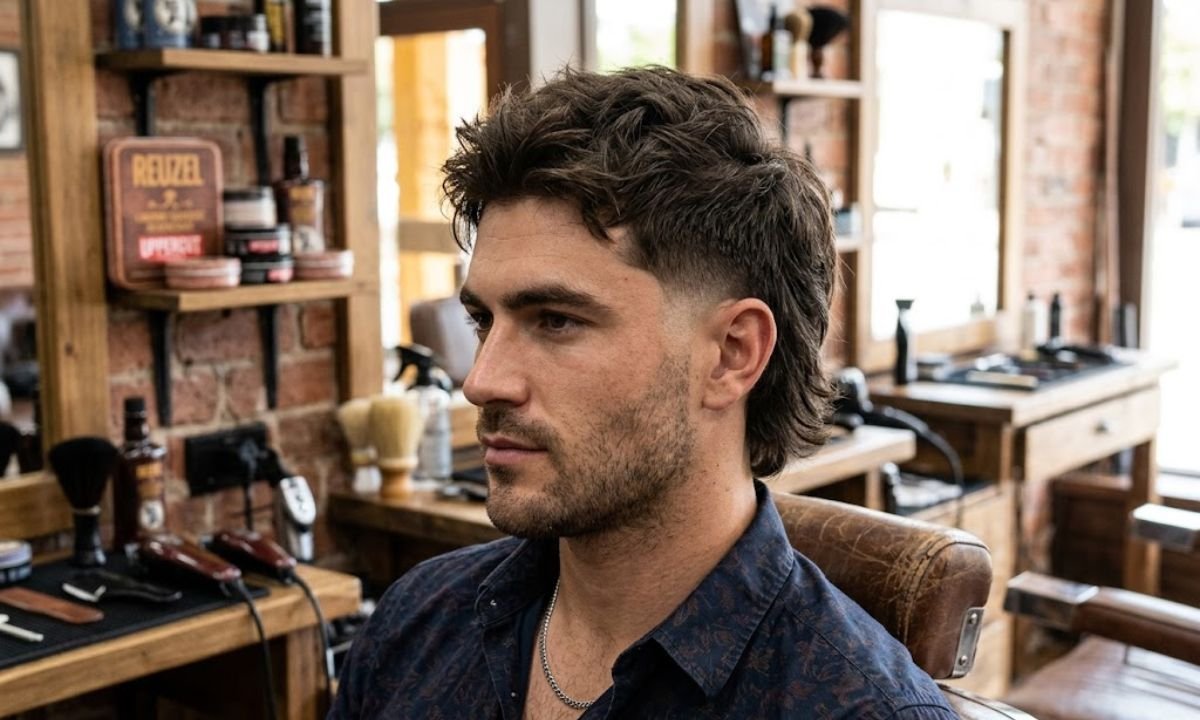
You want a mullet, but you don’t want to look like you lost a bet.
You also worry that your boss, your mom, or your barber will wince.
That worry is fair, and it’s why the low taper fade mullet exists.
It keeps the sides neat and the back playful, so you get the attitude without the chaos.
Quick Answer
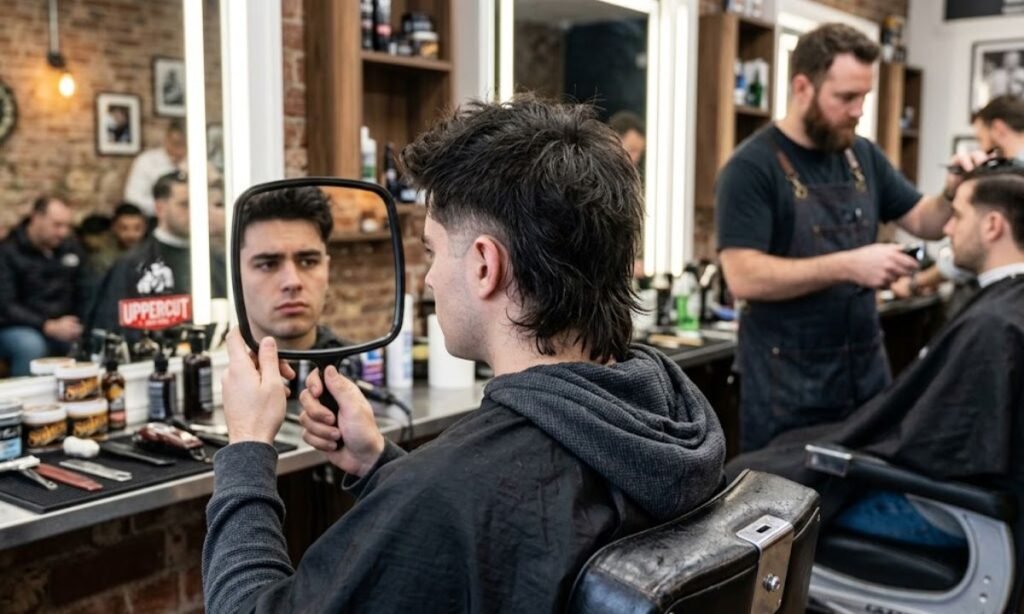
A low taper fade mullet is a mullet with short, clean tapered sides that fade in low, just around the ears and neckline.
The top stays longer, and the back flows past the collar.
It suits most hair types and many face shapes, and it looks sharper than a classic mullet.
Expect a trim every 3 to 4 weeks to keep the fade crisp.
Ask your barber for a low fade around ears, a tapered neckline, and long hair on top with a longer back.
Bring barber reference photos so everyone’s picturing the same haircut.
What Is a Low Taper Fade Mullet?
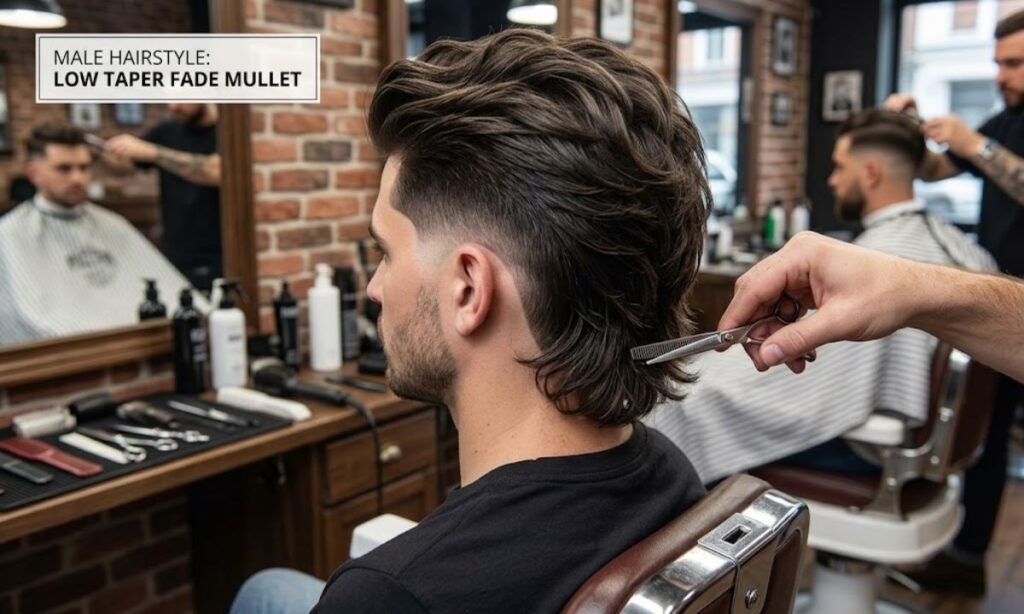
Picture a regular mullet, then picture a tidy low taper fade haircut hugging the sides.
That’s the whole idea: business at the edges, party at the back.
The taper starts short near the ear and the nape, then blends upward into longer hair.
It never climbs high on the head, which keeps the shape soft and wearable.
If you’ve ever asked what is a long hair low taper fade, this is its boldest cousin.
The same clean base, but with a longer, freer back and a purposeful top.
The Features That Define the Cut

Three things make this haircut what it is.
They work together, so skipping one changes the whole look.
- Low fade around the ears: the shortest hair sits at the bottom of the sideburns and the nape.
- Tapered neckline: the back hair narrows instead of ending in a hard block.
- Length contrast: short sides, medium top, and a longer back that hits the collar or beyond.
- Natural blend: no harsh lines, just a gradual move from short to long.
That contrast is what separates it from a plain low taper haircut for men.
The back is the signature, and the taper is the polish.
Most barbers use low taper fade guard numbers like a #1 or #1.5 at the bottom, stepping up to a #3.
Your barber may adjust these based on how fast your hair grows and how tight you like it.
Why Choose a Low Taper Fade Mullet Over Other Mullet Styles?
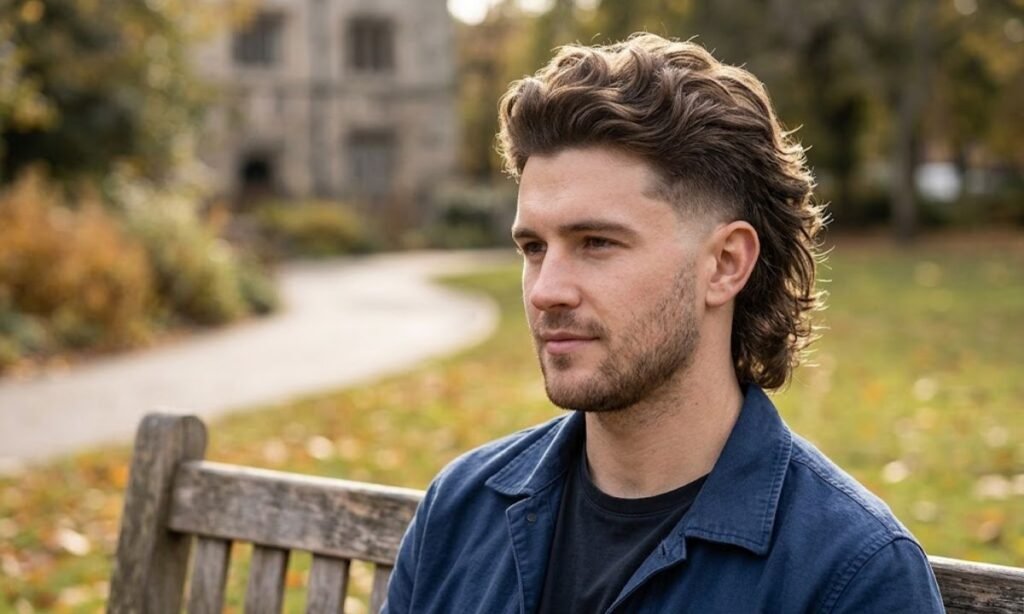
A classic mullet can look scruffy fast.
The low taper keeps the edges tidy, so the style reads as chosen, not forgotten.
It’s also the easiest mullet to wear to work.
With the right styling, it passes as a professional men’s hairstyle instead of a statement.
There’s a practical side too.
You keep length where it’s fun and remove bulk where it gets hot and heavy.
A friend of mine, a designer who sits in client meetings all week, tried a wide mullet first.
He switched to a low taper version after two weeks and hasn’t looked back.
Best Low Taper Fade Mullet Styles and Variations
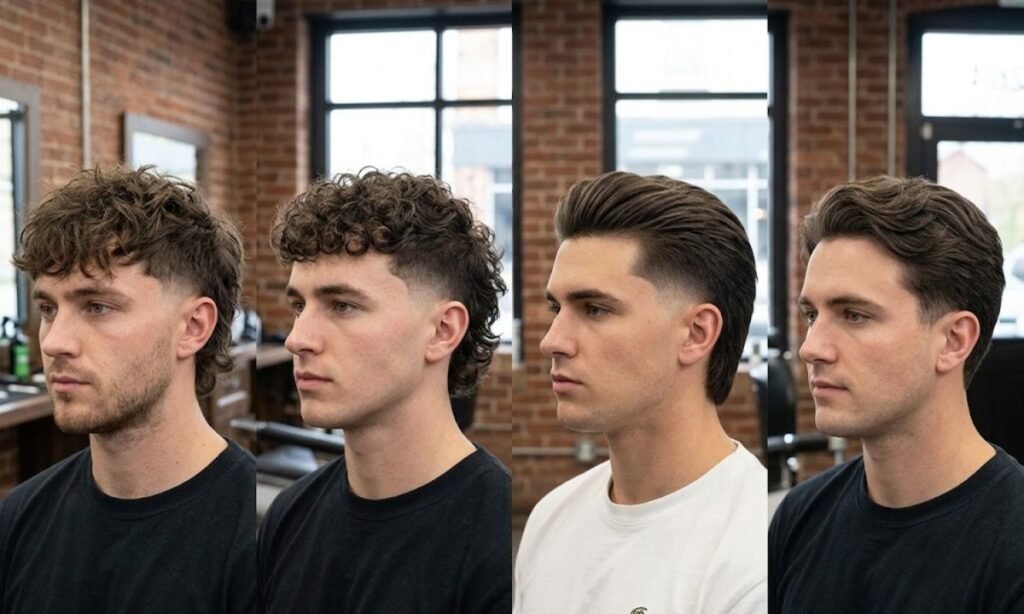
Not every mullet looks the same, and that’s the fun part.
Here are the versions worth knowing before you book.
Pick the one that matches your hair, your job, and how much time you’ll spend each morning.
You can always tweak it at your next visit.
The Textured Crop Mullet

This one keeps the top short and choppy, with a small tail at the back.
It’s the lowest effort of the bunch.
Use a pinch of matte clay or texturizing powder for grip.
Ruffle it with your fingers and you’re done in two minutes.
It works well on thick hair that needs less weight.
It also hides a growing-out phase better than most styles.
The Curly Mullet Fade

Curls and a curly low taper fade are a great pair.
The tight sides show off the curl pattern on top and in the back.
A curl cream or curl custard keeps the shape defined and cuts the puff.
Apply it on damp hair so the curls clump instead of fluff.
The back tail can be a spiral or a loose wave.
Either way, it turns heads.
The Slicked-Back Business Mullet

This is the slick-back hairstyle for men with a mullet tail.
It looks polished, which surprises people.
A water-based pomade gives hold and rinses out cleanly.
An oil-based pomade adds shine but takes more washing.
Want to stop it from looking greasy?
Use a small amount and comb it through while the hair is slightly damp.
The Shaggy Surfer Mullet
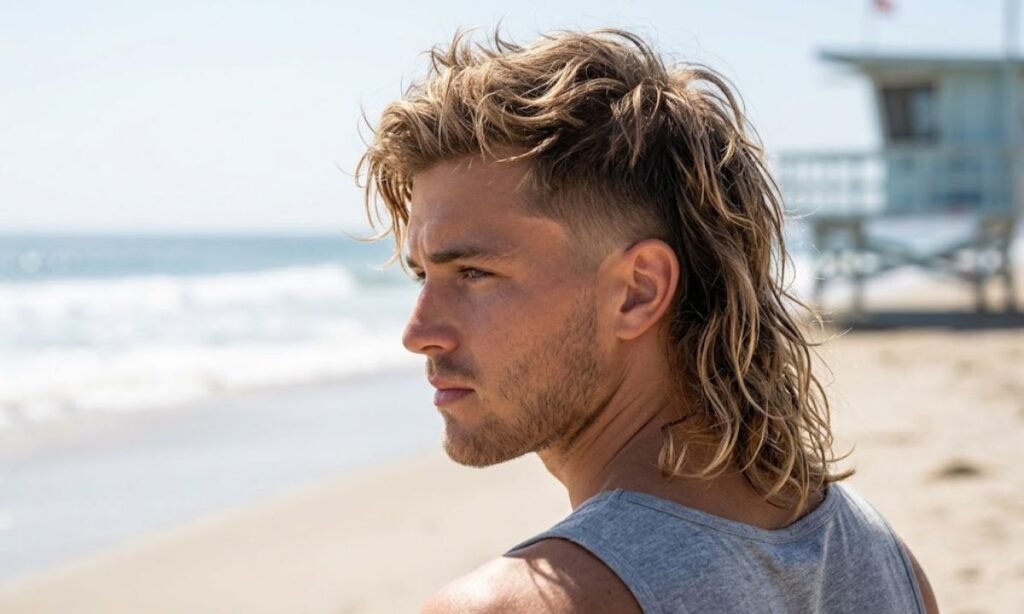
Think beach hair, a bit of sea salt spray, and zero fuss.
The top falls forward, and the back mixes into loose layers.
This cut loves air drying.
Give it a scrunch, then leave it alone.
It suits wavy hair best, since the natural wave flow does half the work.
Straight hair needs a little extra texture to get there.
The Wolf Cut Hybrid

The wolf cut and the mullet share a lot of DNA.
The hybrid keeps heavy layers on top and a trimmed, tapered base.
It looks full and wild, yet the sides stay clean.
That’s why it works for guys who want volume without bulk.
Ask for point cutting through the layers.
It softens the edges and gives that lived-in look.
Wavy Low Taper Mullet Style
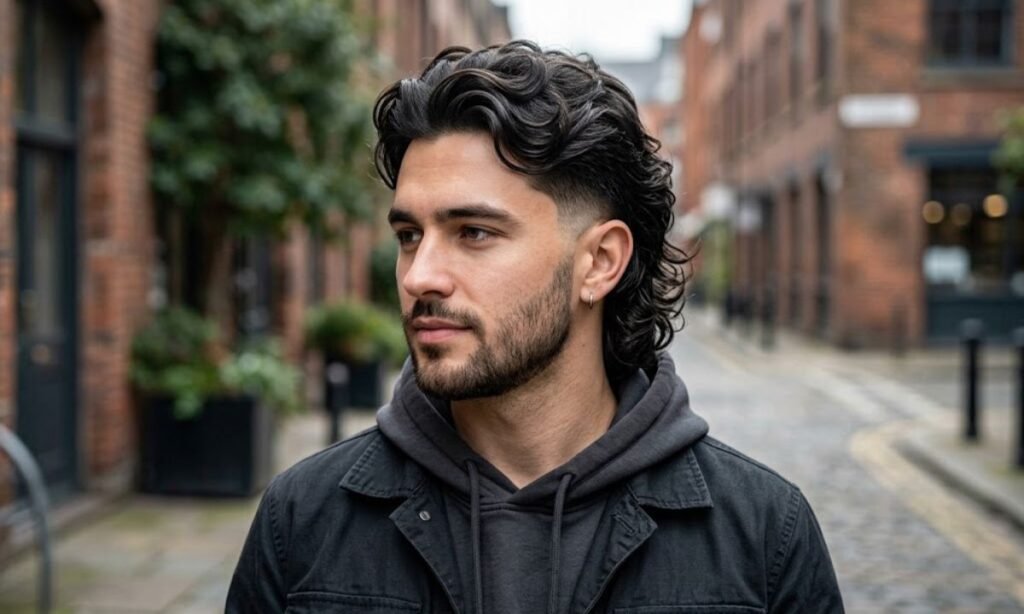
Waves give this cut movement for free.
A light leave-in conditioner keeps them soft instead of frizzy.
Let the top rest at ear level or slightly longer.
The taper will frame it without fighting the wave.
Skip heavy gels, which flatten the pattern.
A cream or mousse keeps the bounce.
Low Taper Mullet with Fringe

A fringe adds a boyish, soft touch.
A curtain fringe split in the middle works especially well.
It frames the face and balances a longer back.
Trim it every few weeks so it doesn’t poke your eyes.
This version suits oval and square faces nicely.
It also pairs well with a middle part low taper fade look.
Messy Low Taper Fade Mullet

Some days you just want to look slept-in on purpose.
This style delivers that, with the taper keeping it from going sloppy.
Rough up the top with clay and skip the comb.
Let the back do its own thing.
The secret is the clean taper.
Without it, messy just looks messy.
Low Taper Mullet with Shaggy Layers
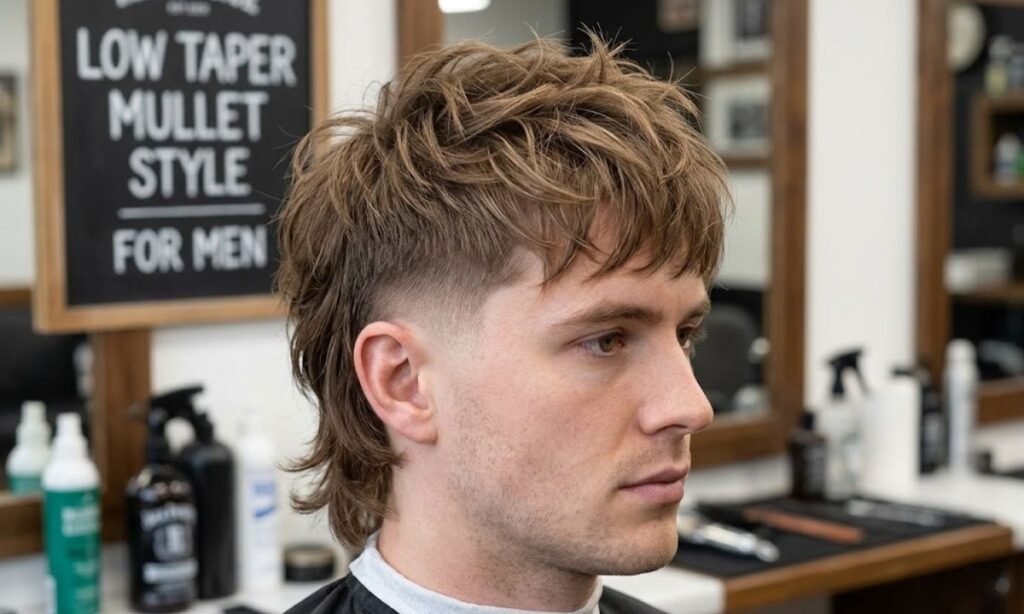
Layers add depth and make thin hair look fuller.
They also stop the back from hanging like a flat curtain.
A barber can thin out the ends with a razor or scissors.
That creates wispy movement and an easy flow.
Go easy on product here.
Too much weight kills the shag.
Straight Hair Low Taper Mullet
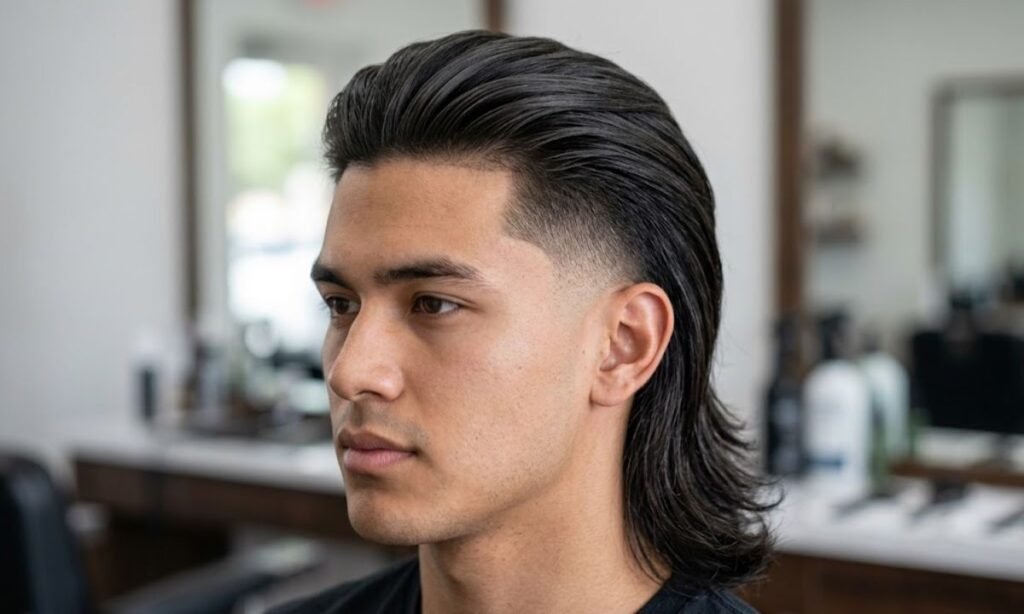
Straight hair gives a sleek, smooth mullet.
It also tends to lie flat, so volume and texture matter.
Try a sea salt spray at the roots and blow dry upward.
That’s how you learn how to add volume to straight hair without a perm.
A bit of texturizing powder helps the top hold shape.
It gives you a textured quiff feel without a lot of effort.
Low Taper Mullet with Choppy Ends

Choppy ends break up the back so it isn’t one solid block.
They give the tail a feathered, punk-leaning finish.
Your barber cuts into the ends with scissors, not a straight line.
The result looks lighter and more modern.
This works on most hair types.
It’s especially handy if your hair grows thick at the nape.
Short vs. Long: Which Length Is Right for You?
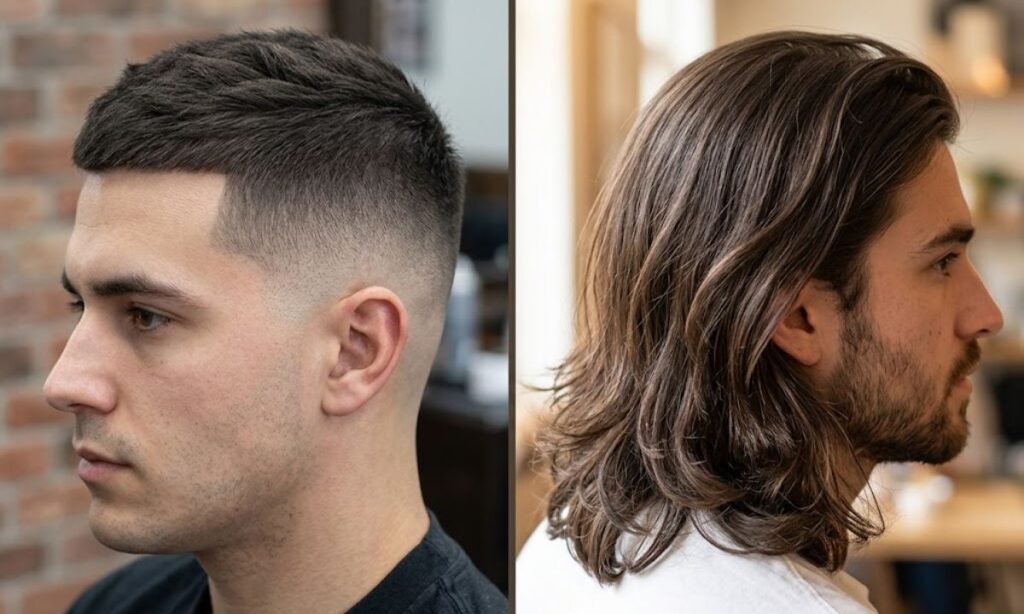
Short mullets stop around the collar and feel tidy.
They fit office jobs, school, and people new to the style.
Long mullets run past the shoulder blades and demand more care.
They look dramatic, but they tangle, so plan for brushing and conditioner.
As a rule, pick the shortest version you’d feel comfortable wearing on a bad hair day.
You can always grow it out later, since hair grows about half an inch a month.
If you’re unsure, start mid-length.
A mid-length flow gives you room to go shorter or longer.
Low Taper Fade Mullet for Straight, Wavy, Curly, and Thick Hair
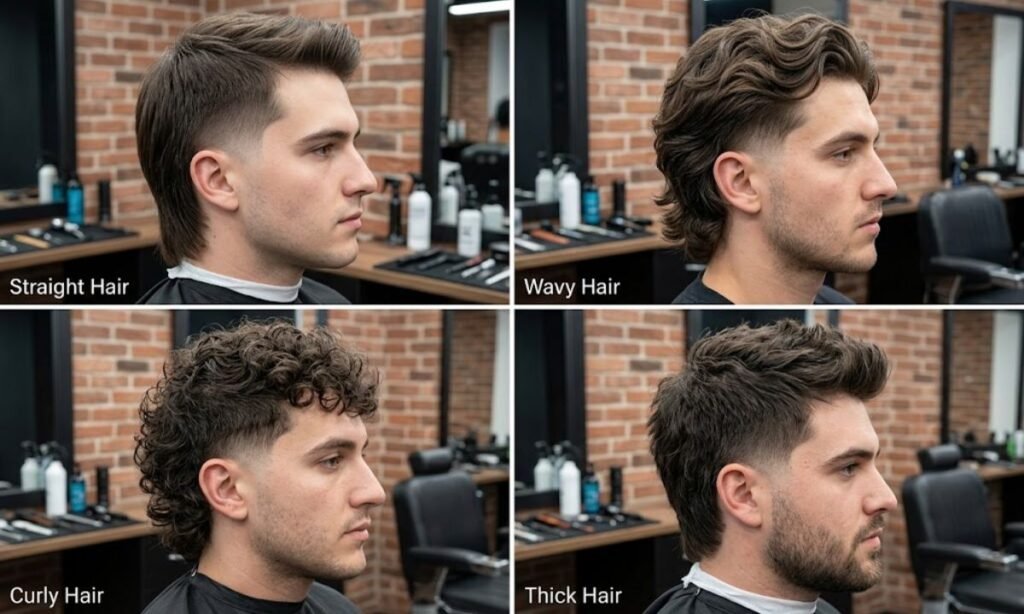
Your hair type shapes the whole experience.
Same cut, very different results.
Here’s what to expect, plus a few tricks that make each type behave.
If you’ve ever wondered which low taper fade suits my hair type, start here.
Straight Hair

Straight hair shows off the taper’s clean lines beautifully.
The shape looks crisp, and the back falls smooth.
The downside is flatness.
Use a volumizing spray, then blow dry with a round brush at the roots.
That covers how to keep long hair from looking flat.
Add a little clay to finish and you’re set.
Wavy Hair

Wavy hair is the easiest to style.
It already has body, and the taper makes it look intentional.
To enhance natural waves, scrunch in a light cream while the hair is wet.
Let it air dry or use a diffuser on low heat.
Avoid brushing dry waves.
It turns them into frizz.
Curly and Coily Hair

Curly and coily hair gives a mullet real character.
The tight taper makes the curl pattern pop.
To prevent frizz in curly hair, use a leave-in conditioner and a curl cream.
Sleeping on a satin pillowcase for hair also cuts friction overnight.
Detangle gently with fingers or a wide-tooth comb in the shower.
Those hair detangling techniques save length and prevent breakage.
Thick and Fine Hair

Thick hair can feel like a helmet in a mullet.
Ask for layering or thinning to remove weight in the back.
Fine hair has the opposite issue and can look stringy.
Keep the layers light and use texturizing powder to give it body.
Both types do well with a low taper.
It keeps the sides trim, so the hair on top has room to show off.
Trending Low Taper Fade Mullet Variations for Men
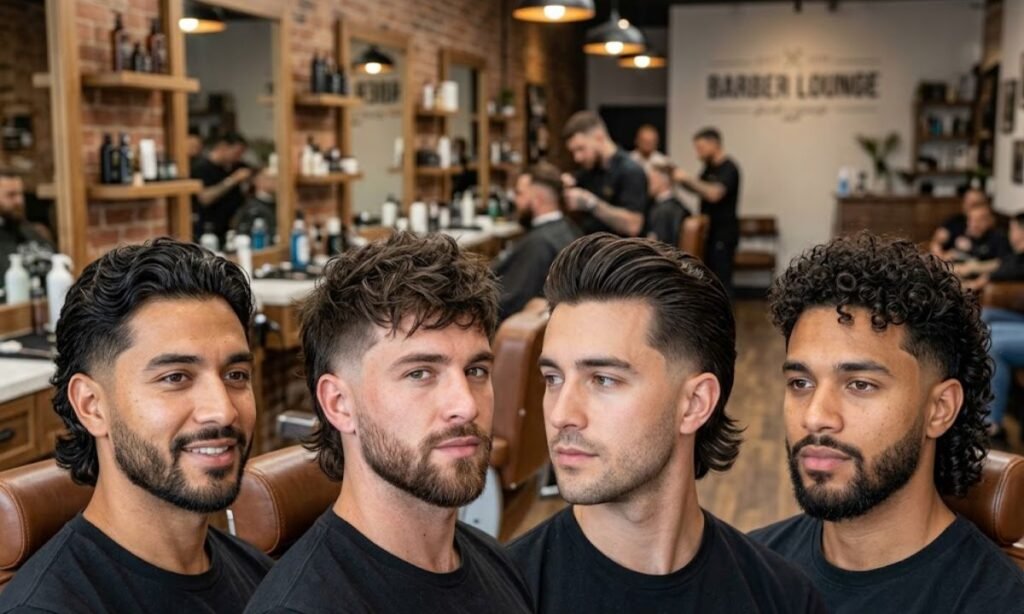
Right now, men are mixing the mullet with other known cuts.
The results are cleaner and easier to live with.
The two-block haircut pairs a short base with a longer top and back.
It’s a close relative of the mullet, and the low taper fits it well.
Another popular option is a man bun with low taper.
When the back is long enough, you can tie it up and still look neat.
You’ll also see a textured comb-over with a mullet-inspired long low taper.
It looks sharp at weddings and relaxed at brunch.
Low Taper Fade Mullet with Different Top Lengths and Textures
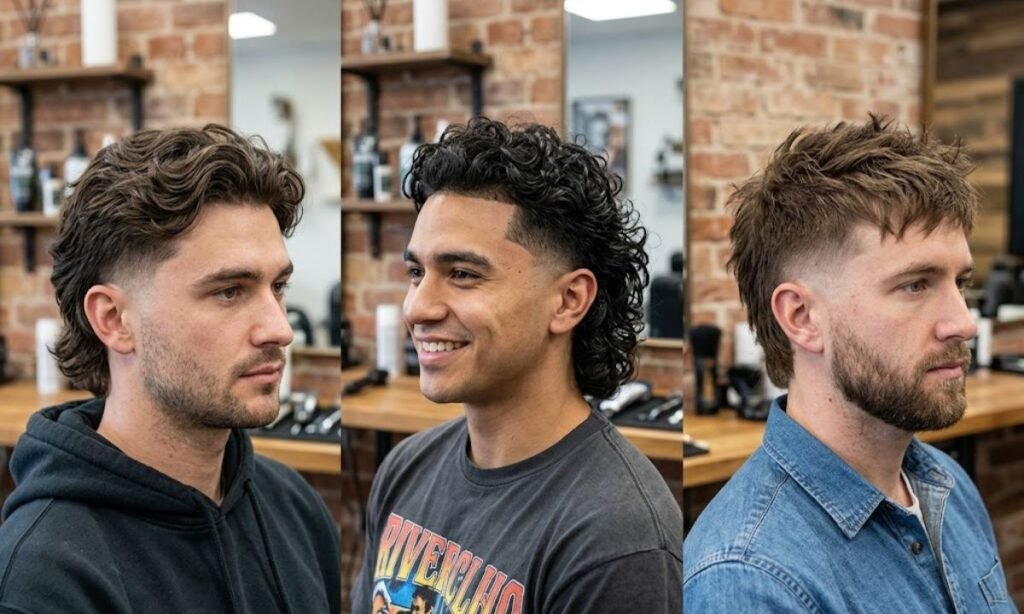
The top is where you set the mood.
Short and spiky feels punk, while medium and swept feels easygoing.
A long hair comb-over works if you want something dressier.
It pairs with a clean taper for a side-parted hairstyle that looks neat in any room.
For casual days, try a curly top haircut or a loose textured quiff.
Both give volume and movement without much work.
Texture matters as much as length.
Matte clay gives a dry, natural finish, while pomade gives a polished one.
Which Face Shapes Suit a Low Taper Fade Mullet Best?

You don’t need a perfect face for a mullet.
You just need a few tweaks to balance your features.
Here’s how the face shape hairstyles for men guide breaks down for this cut.
Use it as a starting point, not a rulebook.
- Oval face: you can wear almost any version. A fringe or a slick-back both work.
- Round face: add height on top and keep the sides tight to lengthen the face.
- Square face: soft layers and a wavy top soften a strong jaw.
- Diamond face: add fullness at the forehead with a fringe or a curtain part.
- Heart-shaped face: keep the top lighter, and let the back add weight near the jaw.
- Oblong or rectangular face: avoid too much height, and choose a fringe to shorten the look.
So, a low taper fade for round face shapes works best with a taller top.
A low taper fade for oblong face shapes works better with a fringe.
If you’re stuck, show your barber a photo of your face from the front.
That helps with how to choose the best haircut for your face shape.
How to Ask Your Barber for the Perfect Low Taper Fade Mullet

A clear request saves you from a bad surprise.
Barbers can’t read minds, but they can follow a good brief.
Here’s what to tell your barber for a low taper fade:
- Fade type: “Low taper fade around the ears and neckline.”
- Guard numbers: “Start at a #1 or #1.5, then blend up.”
- Top length: “Keep about three to four inches on top.”
- Back length: “Leave the back long, with a tapered neckline.”
- Finish: “Add choppy ends and a little texture.”
Bring barber reference photos from the front, side, and back.
One photo isn’t enough, since mullets change a lot by angle.
Also mention how you plan to style it each day.
Your barber can shape the cut for how to ask a barber for a long hair low taper fade that matches your routine.
Low Taper vs. Mid Taper vs. High Taper: What’s the Difference?

A low taper vs mid taper question comes up a lot.
The difference is where the fade starts on your head.
A low taper stays near the ears and nape.
A mid taper climbs to about temple height, and a high one goes even higher.
So, low taper vs high taper is a choice about contrast.
High looks bolder, while low looks subtler and easier to grow out.
For a mullet, low is usually better.
It keeps the cut soft and keeps the length in the right places.
Taper Fade vs. Skin Fade: Which One Fits a Mullet?
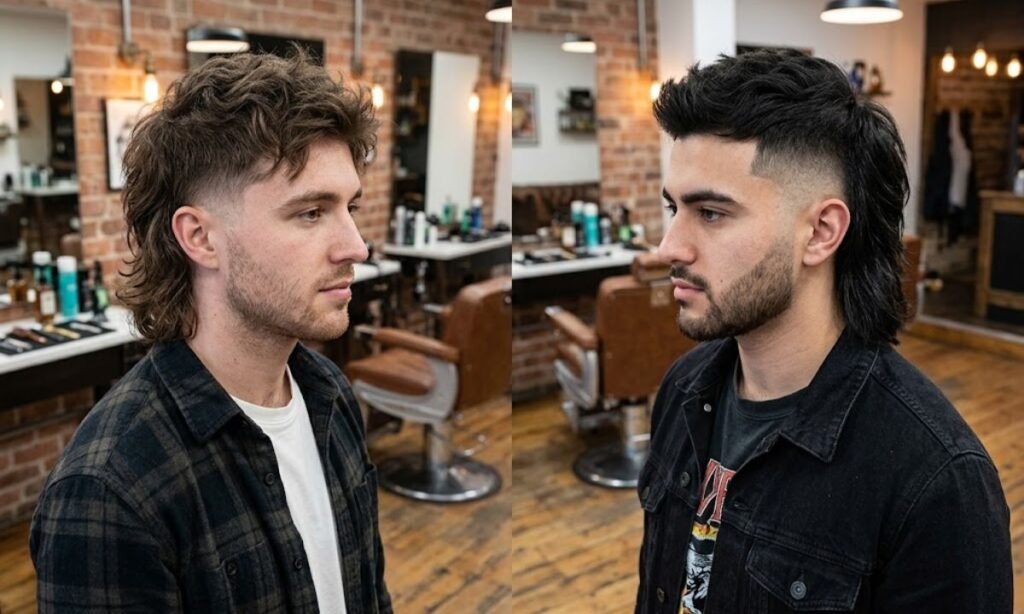
People often ask what is the difference between a taper and a skin fade.
A taper leaves some hair at the bottom, while a skin fade goes down to bare skin.
A low taper fade vs low skin fade comparison comes down to how bold you want to be.
A skin fade looks sharper but needs refreshing more often.
If you want low taper fade without skin exposure, stay with a classic taper.
It also shows less fade regrowth between cuts.
If you love a razor-clean finish, a skin fade haircut can still work with a mullet.
Just expect a barber visit every two to three weeks.
How to Style a Low Taper Fade Mullet at Home, Step by Step
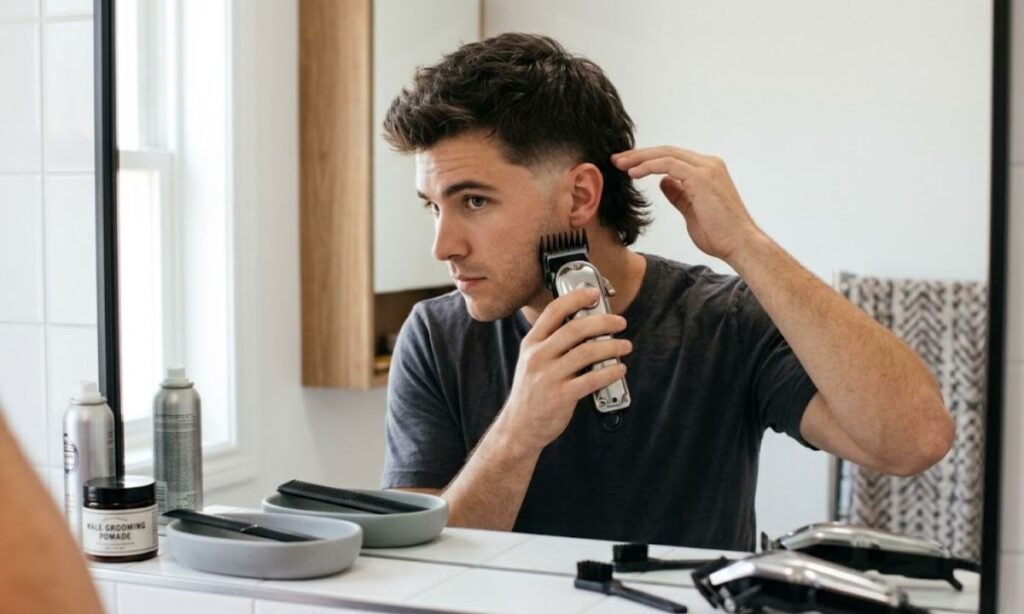
Good styling takes about ten minutes once you’ve got the hang of it.
This is a simple hair styling routine you can repeat.
- Step 1: wash with shampoo, then condition the lengths and ends.
- Step 2: towel dry until the hair is damp, not dripping.
- Step 3: work in a styling cream or leave-in conditioner from mid-length to ends.
- Step 4: blow dry the top upward for volume, or air dry for a casual look.
- Step 5: finish with clay, pomade, or sea salt spray depending on your style.
That covers how to style a long taper fade at home.
It also answers how to style long men’s hair when you’re short on time.
Use these tips if you’re asking how to use pomade on damp hair.
Damp hair spreads product evenly, so you need less of it.
For a curly top with a low taper, add curl cream, then scrunch.
Don’t touch it until it dries.
Best Styling Products for Long Hair on Top

Products do a lot of the heavy lifting here.
The wrong one makes hair stiff, while the right one makes it look alive.
Here’s a quick guide to long hair styling products and what each does:
| Product | Best for | Finish |
|---|---|---|
| Matte clay | Straight and thick hair | Dry, textured |
| Water-based pomade | Slick-backs, side parts | Shiny, flexible |
| Oil-based pomade | Strong, polished styles | Glossy, firm |
| Sea salt spray | Wavy and shaggy mullets | Beachy, light |
| Curl cream | Curly and coily hair | Defined, soft |
| Texturizing powder | Fine hair, volume | Matte, lifted |
For the best pomade for slicked-back hair, a water-based option is easiest.
For the best styling products for wavy hair, pick a cream or sea salt spray.
And for the best curl cream for curly hair, look for one with no heavy alcohol.
Your curls will thank you.
How Often Should You Trim and Maintain It?
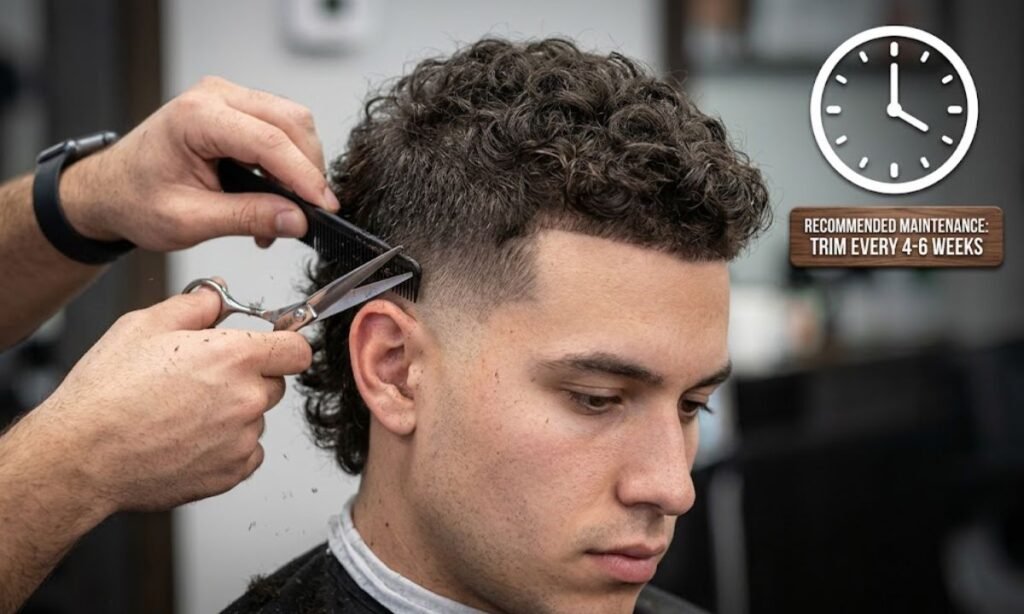
The taper needs attention more often than the back.
Plan on a visit every three to four weeks for a low taper fade maintenance schedule.
The back can wait longer, about six to eight weeks.
That’s how you grow the mullet while keeping the sides sharp.
This answers how often to get a low taper fade and how long does a low taper fade last.
A fresh taper looks its best for about two weeks.
For how often should you trim the top of long hair, aim for every six to eight weeks.
That removes split ends and keeps the shape.
Between visits, you can clean up the neckline with a trimmer.
Go slowly, and don’t cut above the natural hairline.
So, can you maintain a taper fade at home?
You can touch up the neck and sideburns, but leave the blending to your barber.
Simple Habits That Keep Your Mullet Looking Fresh
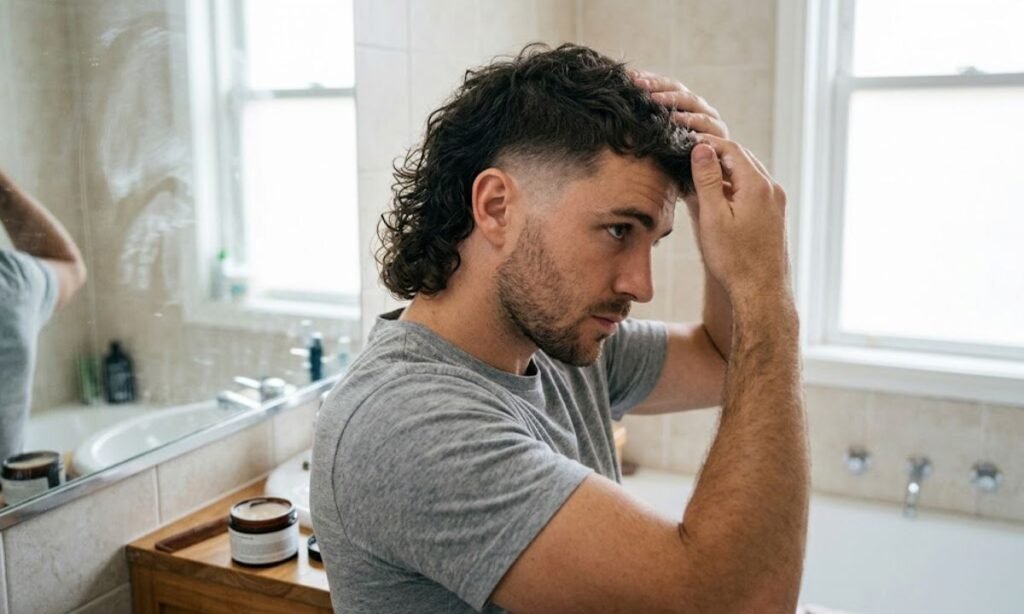
Small habits make a big difference.
Here’s how to keep a taper fade looking fresh between cuts.
- Wash two or three times a week, not every day.
- Use a leave-in conditioner on dry ends.
- Sleep on a satin pillowcase to cut frizz.
- Use a wide-tooth comb on wet hair.
- Book your next appointment before leaving the chair.
That’s also the best answer to how to maintain a long hairstyle between barber visits.
Consistency beats any fancy product.
If you want a low-maintenance men’s hairstyle, keep the top at medium length.
It grows out gracefully, so you won’t panic if you miss an appointment.
Common Mistakes to Avoid
Most mullet disasters come from the same few errors.
The good news is they’re easy to fix.
- Too much product: it weighs hair down and makes it look greasy.
- Skipping trims: split ends and a shapeless back follow.
- Wrong fade height: a high fade can make a mullet look severe.
- Ignoring hair type: straight and curly hair need different routines.
- No clear brief: vague requests lead to surprise results.
If you spot one of these, don’t panic.
A quick chat with your barber usually sorts it out.
Is a Low Taper Fade Mullet Professional?

People often ask, is a long hair low taper fade professional.
The honest answer is yes, with the right styling.
A slicked-back or neatly side-parted version works for formal occasions.
The clean taper does the heavy lifting.
Some workplaces still prefer shorter hair.
If you’re unsure, ask about the dress code first.
Frequently Asked Questions About the Low Taper Fade Mullet

Is a low taper fade mullet good for beginners?
Yes. It’s the safest way to try a mullet, since the sides stay neat.
How long should hair be for a low taper fade?
About three to four inches on top works for most styles. The back can be longer.
Can I wear it with a man bun?
Yes, once the back reaches about four to five inches. The taper keeps the look tidy.
Does it work for thin hair?
Yes. Ask for layers and use texturizing powder to add body.
How do I stop it from looking flat?
Blow dry at the roots and finish with matte clay.
Will it suit my face shape?
Most likely. Use the face shape section above to pick your best version.
You can also checkout this article as well Long Hair Low Taper Fade: Styles, Face Shapes, and Upkeep That Actually Last
Final Takeaway
The low taper fade mullet gives you the fun of long hair with the neatness of a fresh fade.
It works for most hair types, face shapes, and jobs.
Pick the style that fits your lifestyle, and give your barber a clear brief.
Then stay consistent with trims and a simple routine.
Have you tried a low taper mullet, or are you thinking about it?
Drop your questions or your photos in the comments, and share this guide with a friend who’s on the fence.
We update this guide as trends change, so check back for fresh ideas.

I’m Michael Charles, the creator of MegaCrazes—your source for fresh hairstyles, sharp haircuts, and simple hair-care inspiration. Find your style. Own your look.
1 thought on “Low Taper Fade Mullet: Styles, Hair Types, Face Shapes, and Upkeep”