

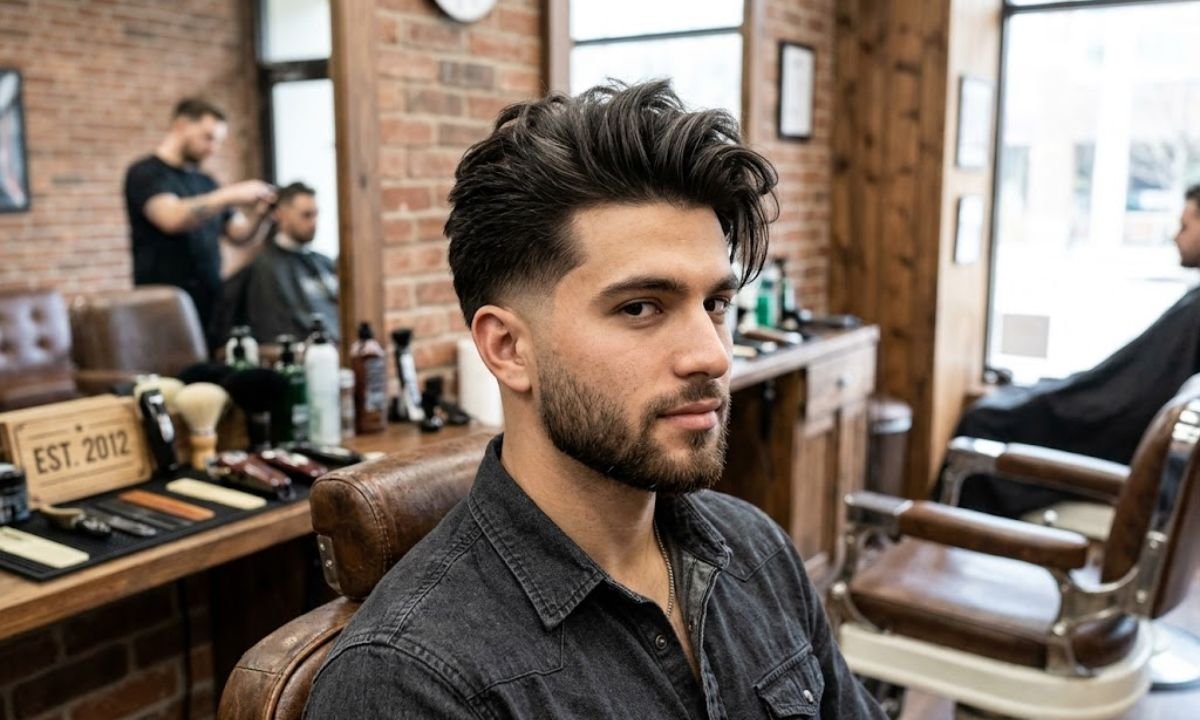
Can you really keep your length and still get a sharp haircut? Yes, you can. A mid taper fade with long hair trims only the sides and the back, so the hair on top stays as long as you want.
Most guys worry that a taper means a buzzed head and months of regret. It doesn’t. This guide shows you the styles, the exact words to use in the chair, and the upkeep that keeps the shape clean.
Quick Answer
A mid taper fade is a taper fade that starts around the middle of the sides and gets shorter toward the sideburns and nape. It keeps the top length intact. That’s why a long hair mid taper fade works so well.
Ask for a mid-height taper with a natural blend line, and tell your barber your minimum length on top. Plan a taper refresh every 2 to 4 weeks. Trim the top only when the ends look tired.
Here’s the short version:
- Best for: straight, wavy, curly, and coily long hair
- Length lost on top: none, if you say so up front
- Upkeep: a perimeter refresh every 2 to 4 weeks
- Main risk: tight tied-back styles that stress the hairline
What is a mid taper fade with long hair?
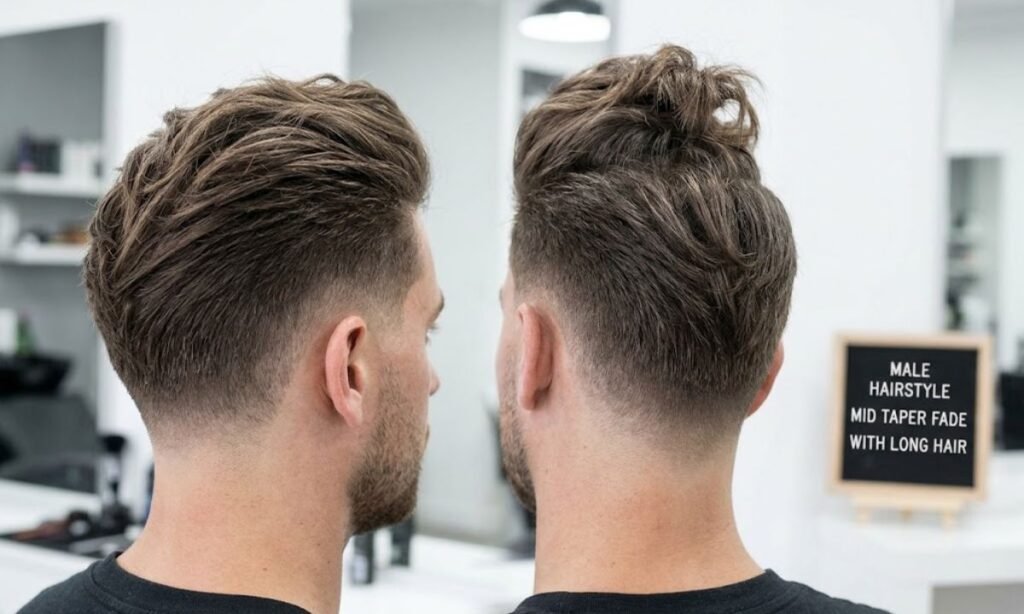
A mid taper fade is a gradual cut on the tapered sides. The hair starts longer near the top of the side and shrinks as it moves down toward the temple area, sideburns, and neckline. The taper placement sits around the middle of the head.
With long hair, the contrast is the whole point. You get a tidy hair outline around the ears and neck. Meanwhile, the long top haircut keeps its hair silhouette.
Think of it like a frame around a painting. The frame stays slim and neat, so the artwork gets the attention. Your long hair is the artwork.
Mid taper fade vs. full mid fade: what’s the difference?
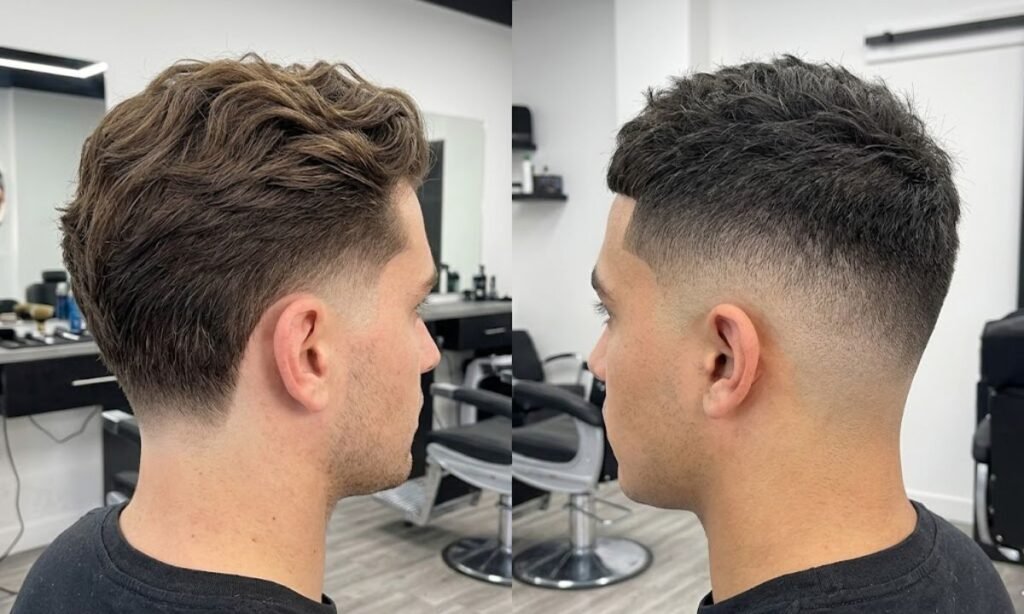
A mid taper leaves some hair at the bottom. The shortest section usually stays around a short guard length, so you get a natural finish. A full mid fade, also called a mid skin fade, goes down to close-to-skin finish at the base.
That means more scalp exposure with the full fade. It also means a harder hair contrast against your long top. The taper versus fade question really comes down to how bold you want the sides.
If you’re growing out your hair, the taper is the gentler pick. It’s also easier to hide while it grows. A full fade looks crisp for about a week, then shows regrowth visibility fast.
Is a mid taper fade good for long hair?
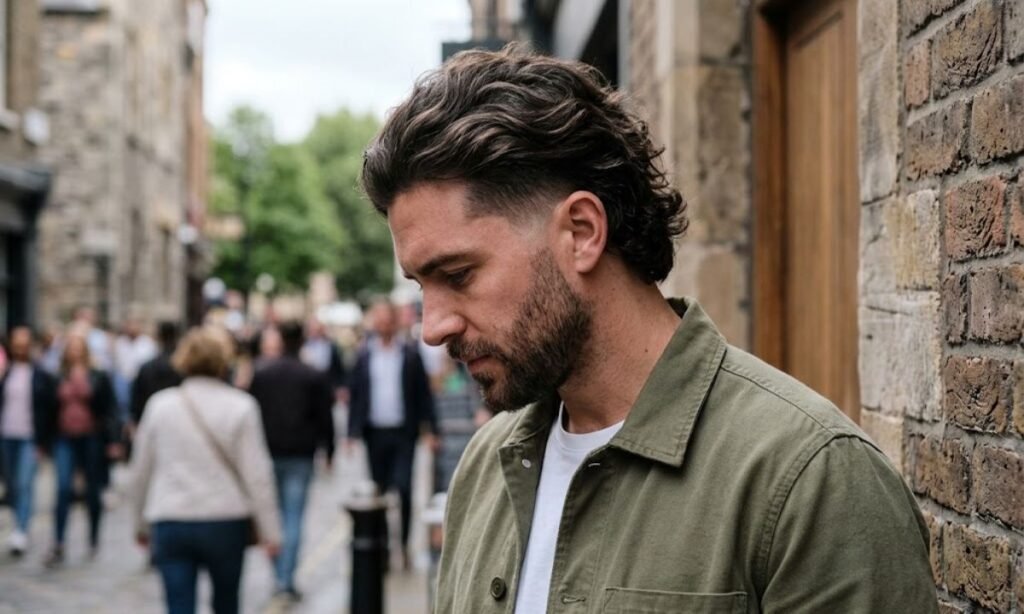
For most people, yes. The mid taper haircut for long hair removes side weight without touching the top length. That makes long hair look lighter and more intentional.
Still, it isn’t magic. Your hair texture, hair density, and hairline all change how it looks. A quick self check helps before you book.
Here’s a simple way to decide. Read the next three sections and see which list sounds like you.
Probably a good choice if

You want a cleaner look without losing length retention. You’re fine with a regular haircut appointment every few weeks. And you like the idea of a low-contrast haircut that still looks sharp.
- Your side length feels bulky around the ears
- Your hair bulk makes your head look wide
- You wear your hair tied back and want a tidy perimeter
- You have a beard blend in mind
If you checked two or more, a mid taper is a safe bet. It’s the most balanced height for most head shapes.
Consider a lower or scissor taper instead if
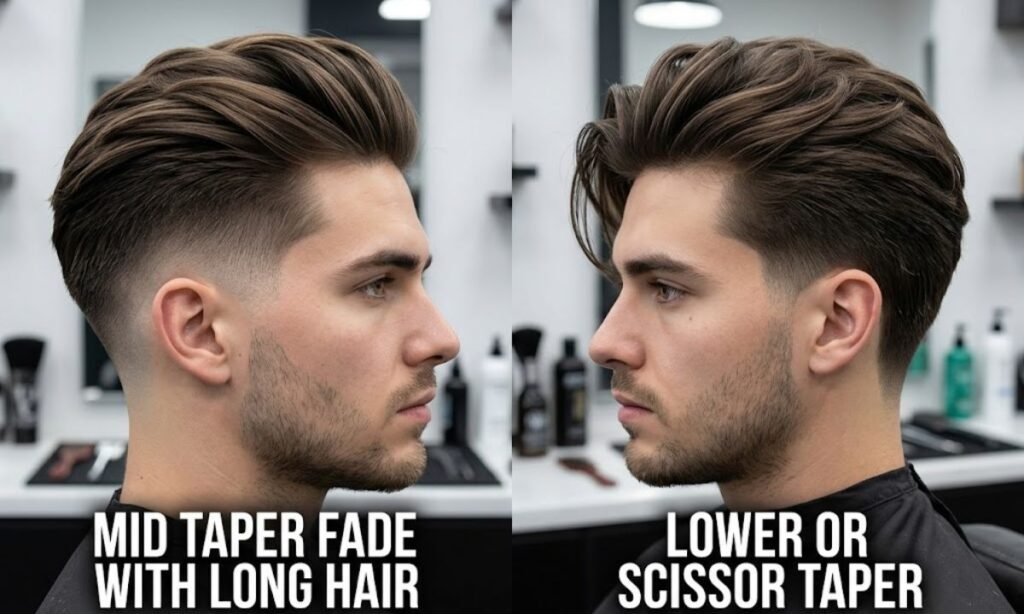
You’re deep into a grow-out phase and every inch matters. A low taper fade takes less hair from the sides. A scissor taper gives an even softer result.
- Your hair texture is very fine and the sides already look thin
- You have strong cowlicks at the nape or temples
- You want a disconnected haircut to be the last thing people notice
- Your job or school has a strict, conservative dress code
Soft tapers forgive messy regrowth. That’s a big win when you’re counting months.
Who does it suit best?
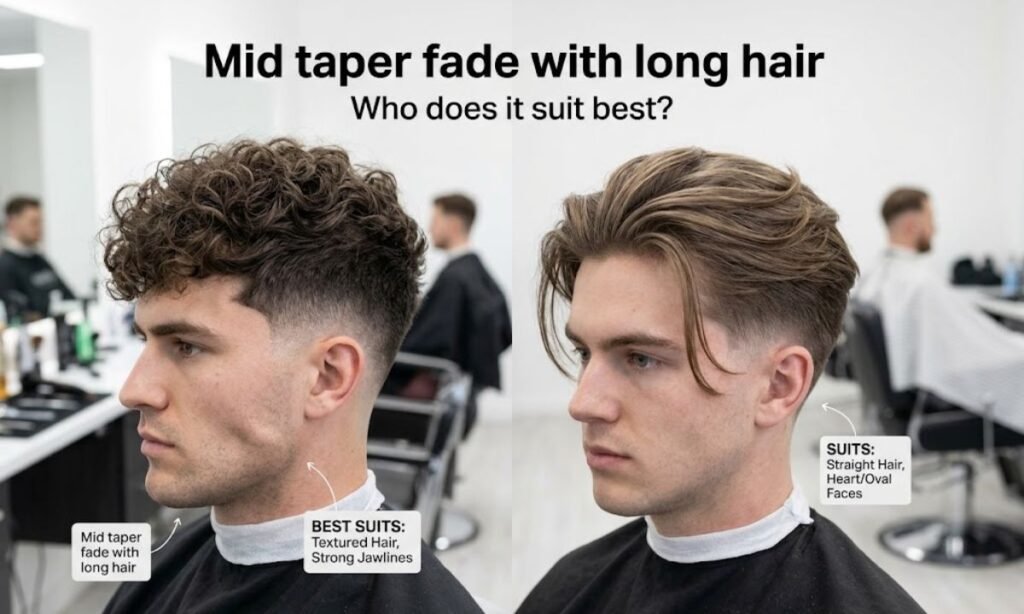
It suits guys with thick hair who want less hair bulk. It also works for fine hair when the barber keeps the graduation gentle. Oval, square, and long face shapes tend to look balanced with it.
Round faces can wear it too. Just keep the crown volume controlled so the head doesn’t look wider. A good barber will check this in the first two minutes.
My own rule is simple. If you can picture your hair tied back and still tidy, a mid taper will probably fit you.
Which mid taper fade styles work best with long hair?
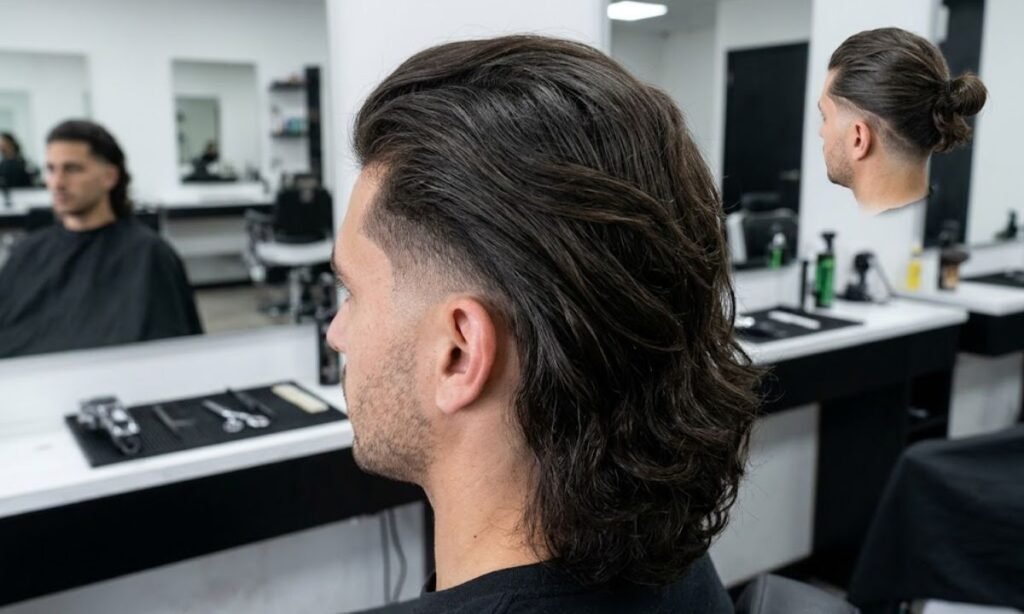
The best style depends on your hair texture and how you wear your length. Straight hair, curls, and braids all take a taper differently. Let’s go through each one.
The common thread is a smooth hair transition from short sides into the long top. Get that right and almost any long-hair styling choice looks sharp. Get it wrong and you’ll see a harsh line.
Mid taper fade with straight or wavy long hair
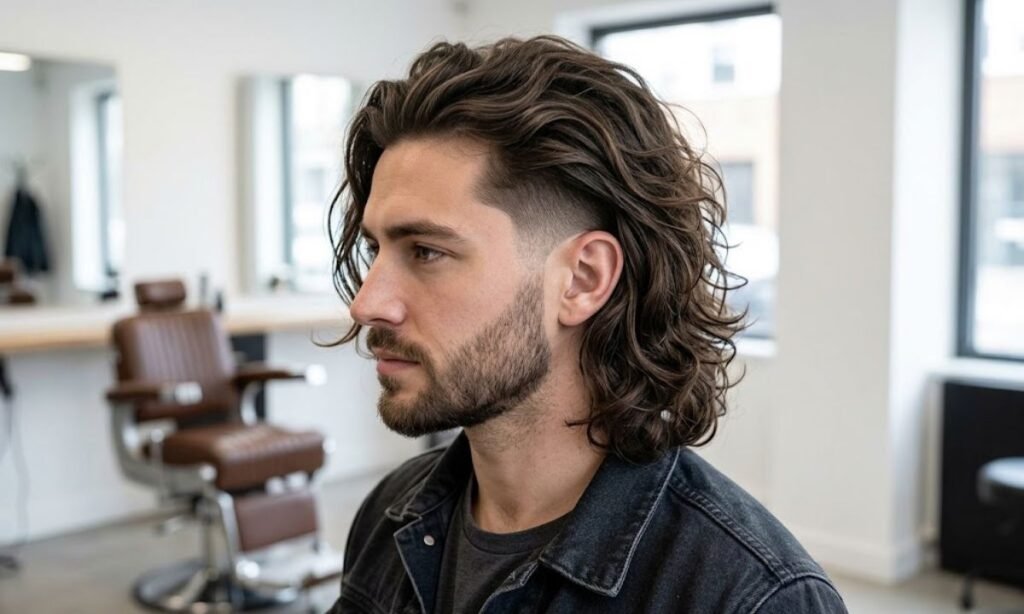
Straight hair shows every mistake, so the blend matters most here. Wavy hair hides small flaws and adds natural movement. Both react well to a mid taper fade for straight hair or a mid taper fade for wavy hair.
Keep the top layering soft. Heavy layers can fight the side layering and make the cut look busy.
Brushed-back or slick long hair
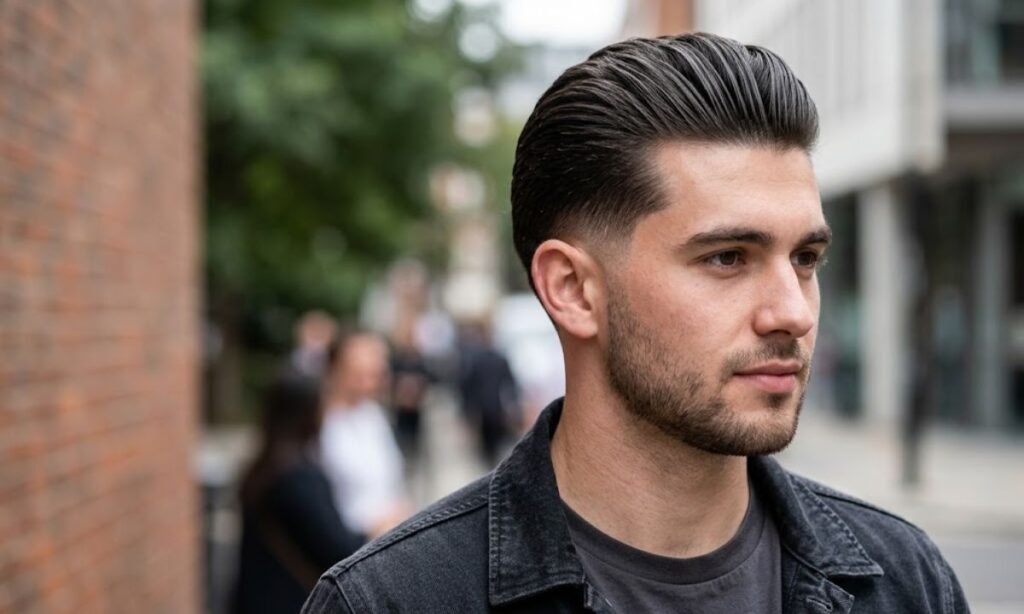
Slicked-back hair looks best when the sides are tapered cleanly. The short sides push the eye upward and make the brushed-back hairstyle look polished. This is the mid taper fade with slicked-back hair most barbers expect.
Use a little cream or light pomade and a wide-tooth comb. Skip heavy gel, since it weighs down the hair ends.
Long side-swept layers
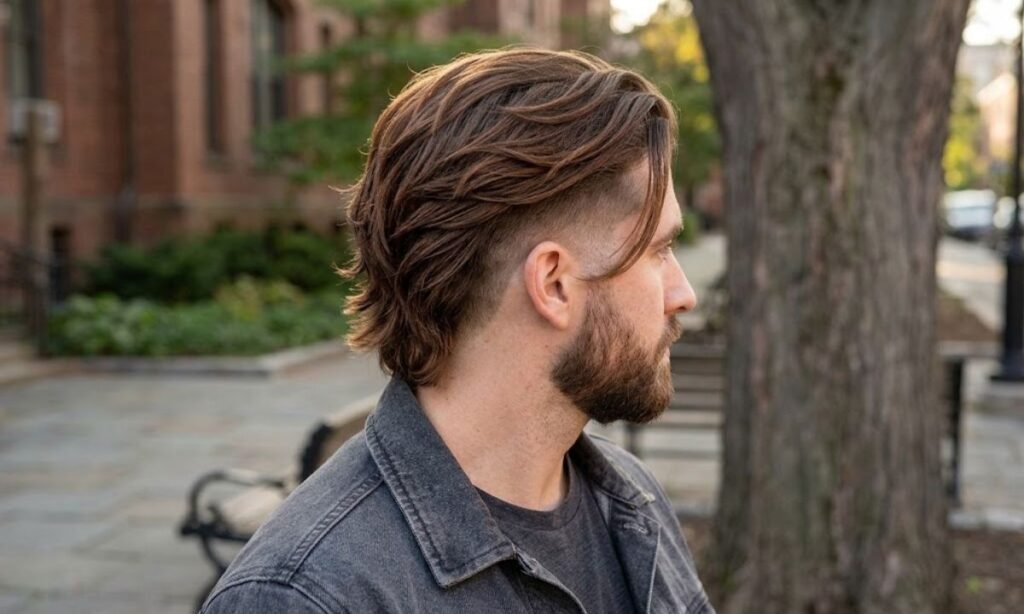
Long side-swept layers frame the face and soften a strong jaw. With a taper, the swept section lands over a clean side instead of a bulky one. It’s a good mid taper fade with side-swept layers option for office life.
Ask for side layering that connects to the top without removing top length. A blow-dry on low heat sets the sweep in about three minutes.
Mid taper fade with curly or coily long hair
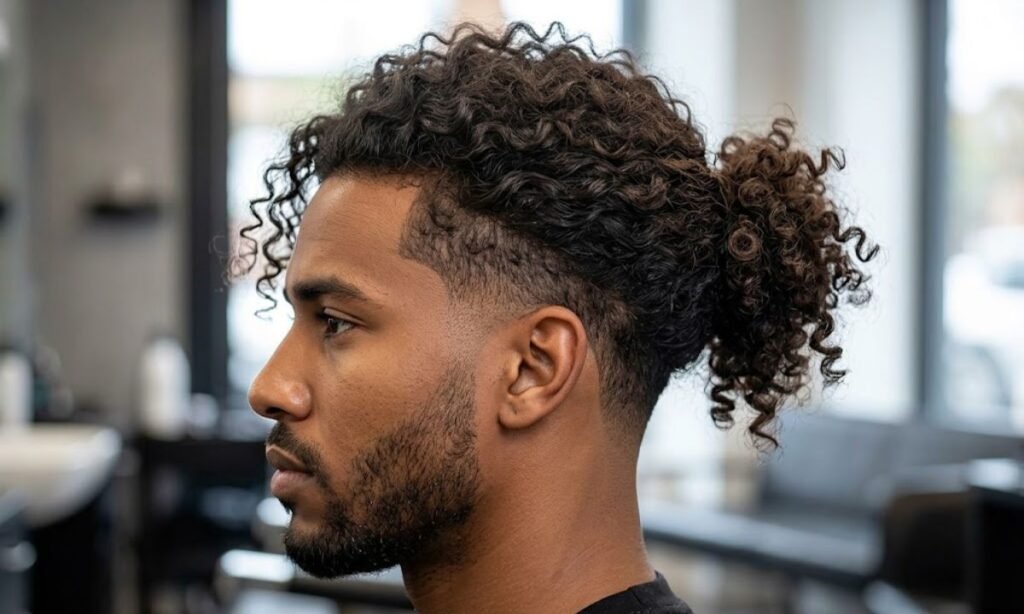
Curls and coils love a taper, because it removes hair bulk from the sides. You still keep long natural curls or natural coils on top. The trick is respecting the curl pattern during the cut.
Watch out for curl shrinkage. Hair that looks shoulder length when stretched may sit near the chin when dry. Tell your barber to cut with that in mind.
Long natural curls with a clean perimeter
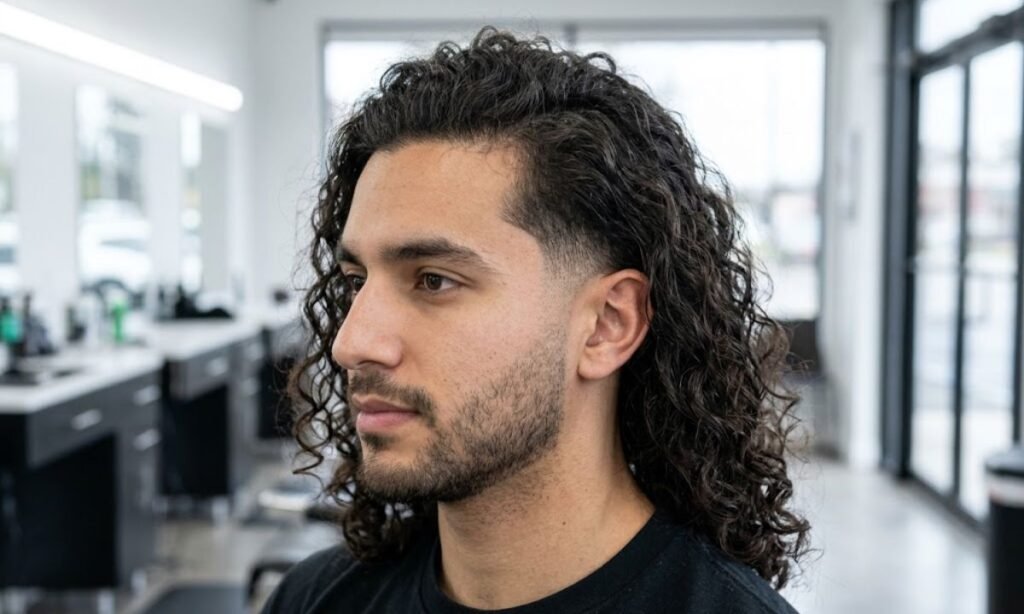
For long natural curls, ask for a clean perimeter and a soft blend line. This mid taper fade for curly hair keeps the top bouncy and the edges sharp. It’s the classic curly hair taper.
Cut curls in a dry or lightly damp state when possible. That helps the barber see where each curl pattern actually falls.
Long coils with controlled temple and nape taper
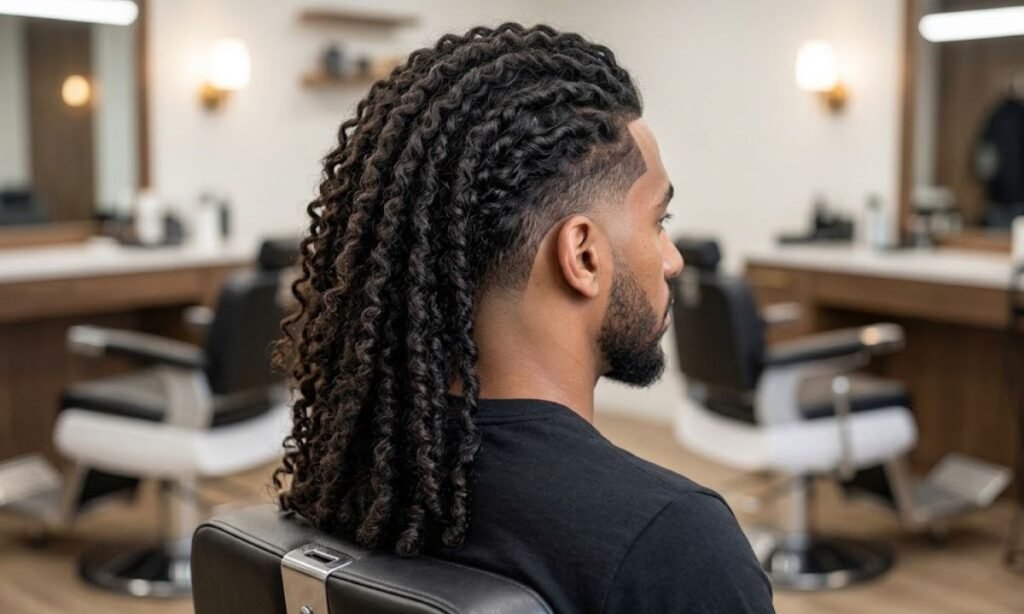
With long coils, a temple taper and nape taper do the heavy lifting. They create perimeter definition while the top keeps its crown volume. This is the mid taper fade with long coils look, and it photographs beautifully.
Ask for a tapered neckline that follows your natural hairline. A razor finish can look crisp, but check your skin tolerance first.
Long hair with a middle part, curtains, or flow
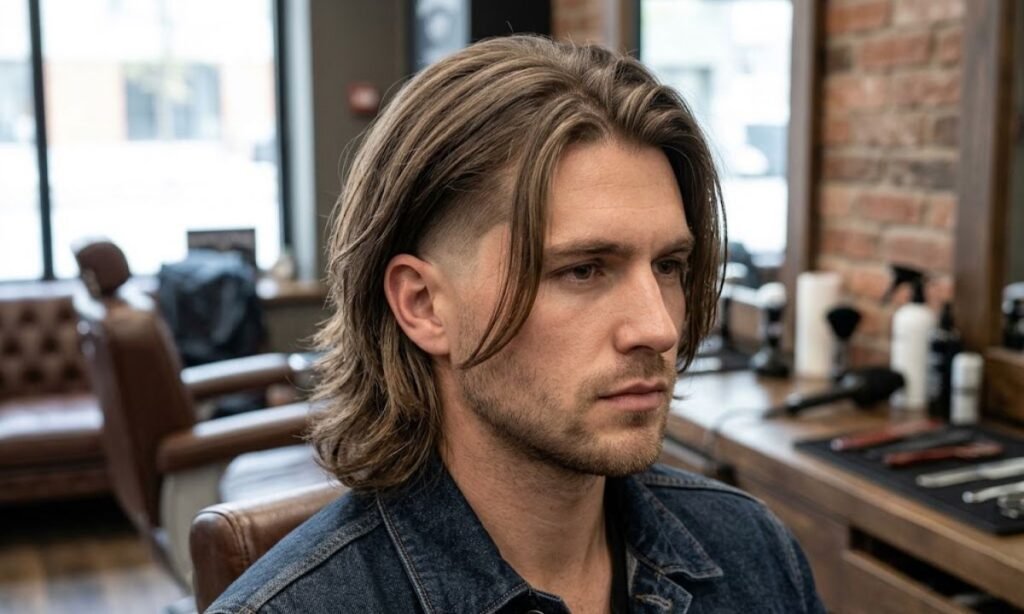
These looks lean on movement. The taper keeps the sides tidy while the top does its thing. Think of it as a calm base with a lively top.
A middle part also shows your hair parting clearly, so keep the scalp healthy. Dry, flaky skin shows up fast on a visible part.
Curtain-style middle part
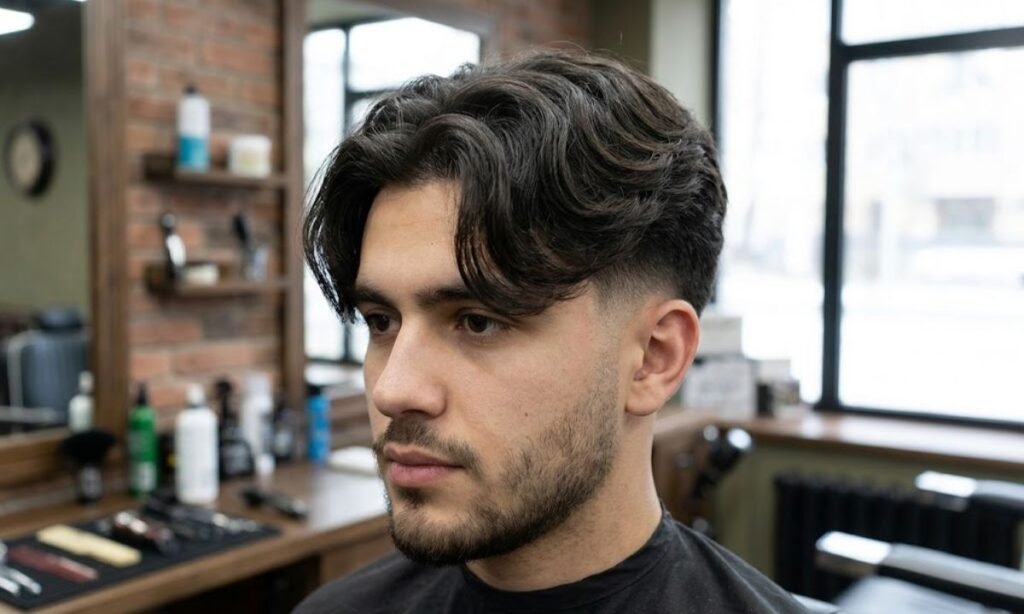
The curtain hairstyle splits at the center and falls past the ears. A mid taper fade with a middle part keeps the curtains from piling up around the temples. It’s a great curtain-style middle part for fine hair and straight long hair.
Plan on enough side length to let the curtains hang. Your barber should leave that section alone and taper only below it.
Layered flow / ear-tuck style
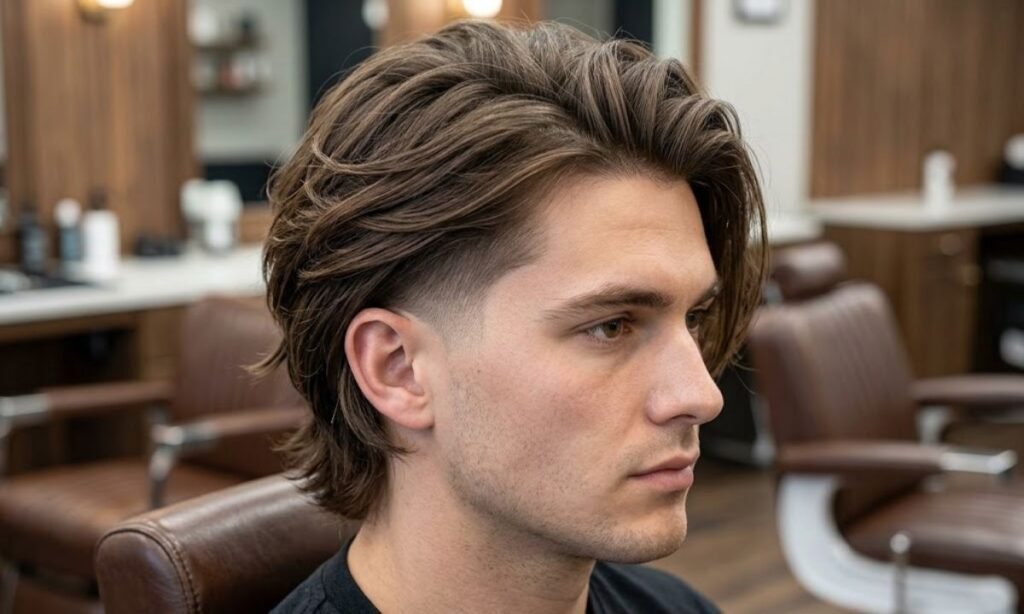
The flow hairstyle relies on layered flow that moves when you walk. With a taper, the ear-tuck style looks cleaner because there’s less hair behind the ear. Your ears stay visible and the whole hair shape feels lighter.
Ask for hair layering techniques that remove weight from the ends, not the length. That keeps the flow smooth instead of choppy.
Tied-back styles: man bun, ponytail, braids, or twists
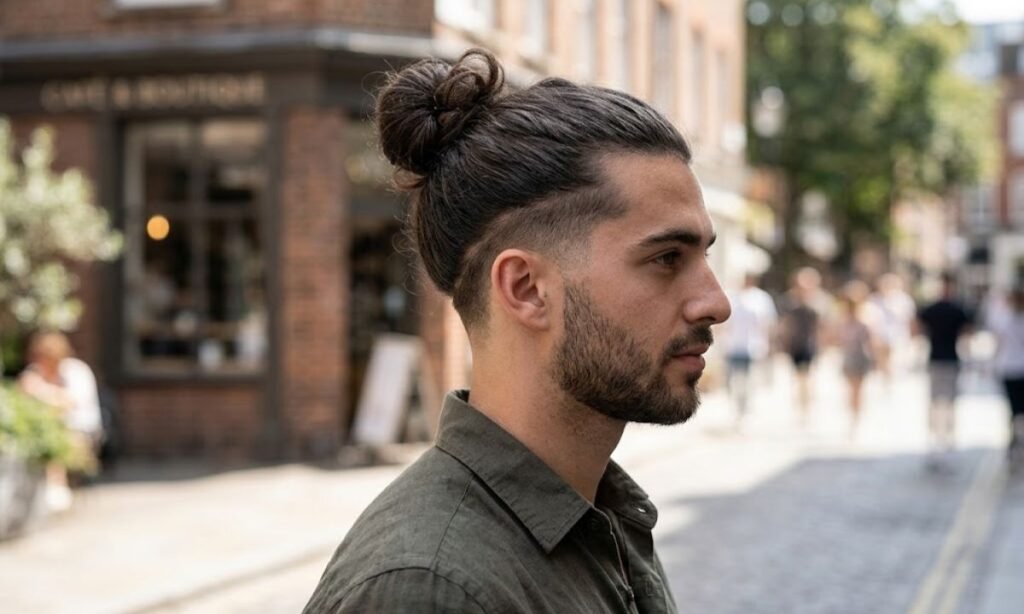
Tied-back hair and tapers are a natural pair. The short sides stop stray strands from hanging around the face. The tapered nape also makes the tie look neat.
Just remember tension. Pulled-back styles are fine in moderation, but constant pulling can hurt the hairline.
Man bun or half-up style
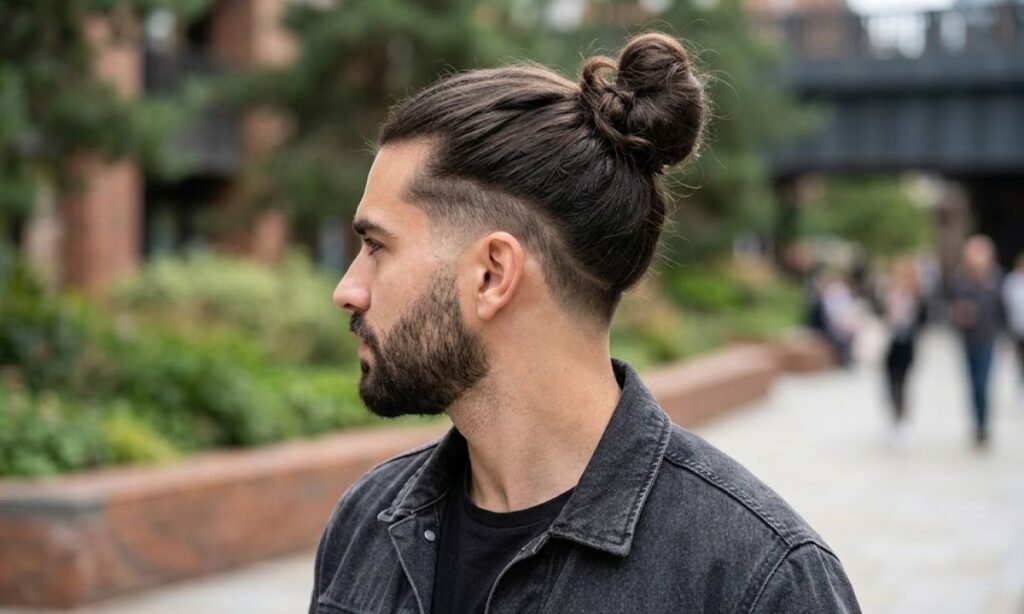
A man bun with mid taper fade looks clean because the sides don’t fight the knot. The half-up hairstyle works the same way, with the lower hair left loose. A ponytail with taper fade is the easiest version of both.
Use a soft tie, not a tight elastic. Switch the position every few days to spare your hairline.
Braids/twists with a tapered perimeter
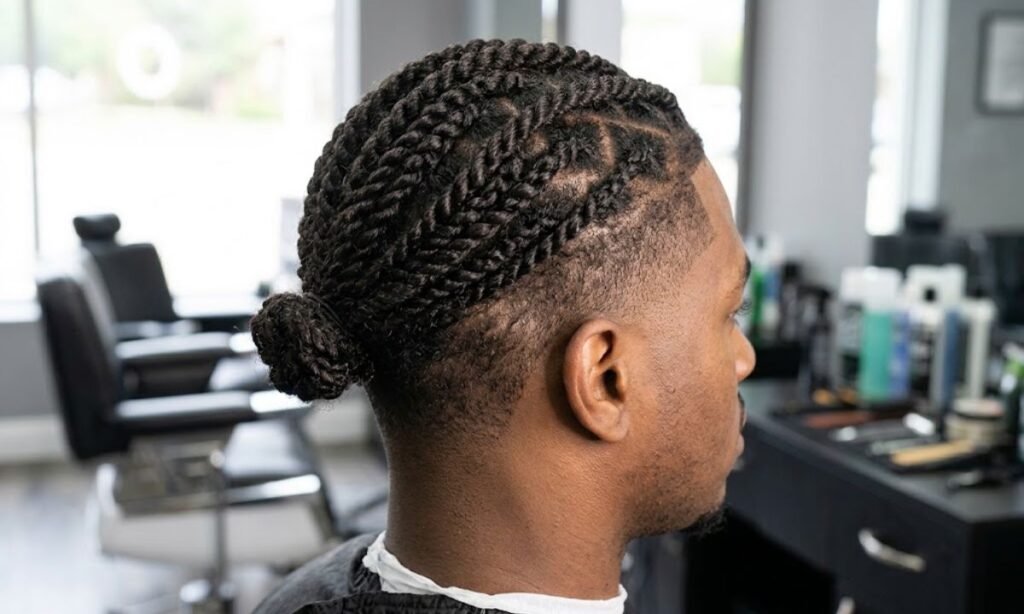
Braids with tapered sides and twists with tapered sides look sharp because the perimeter is crisp. A mid taper fade with braids or a mid taper fade with twists makes the pattern stand out. A tapered perimeter for braids also helps if you’re wearing locs.
Yes, a taper fade with locs works too. Just agree on the temple height with your barber first, so the fade zone doesn’t climb into your locs.
Mid vs. low vs. high taper: which height works best with long hair?
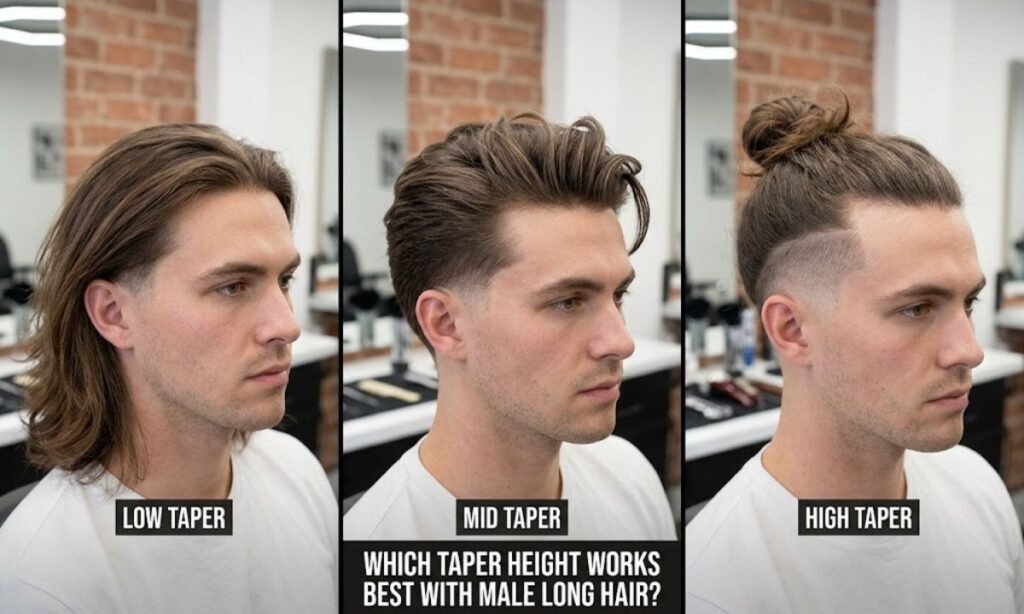
Taper height changes everything. A low taper fade stays near the ear and nape. A high taper fade climbs toward the temple and crown, while the mid taper sits in between.
For most long hair, the mid-height taper is the sweet spot. It removes side weight without exposing too much scalp. Compare the low taper versus mid taper and mid taper versus high taper options below.
| Taper height | Look | Best for |
|---|---|---|
| Low taper | Subtle, close to the ears | Grow-out phase, conservative offices |
| Mid taper | Balanced, visible but soft | Most long hair styles |
| High taper | Bold, high contrast | Strong haircut contrast, short-sided looks |
If you’re unsure, start with low and move up next visit. Hair can’t go back on, so a gradual approach is the safer path.
Which mid taper fade styles work best with long hair on top?
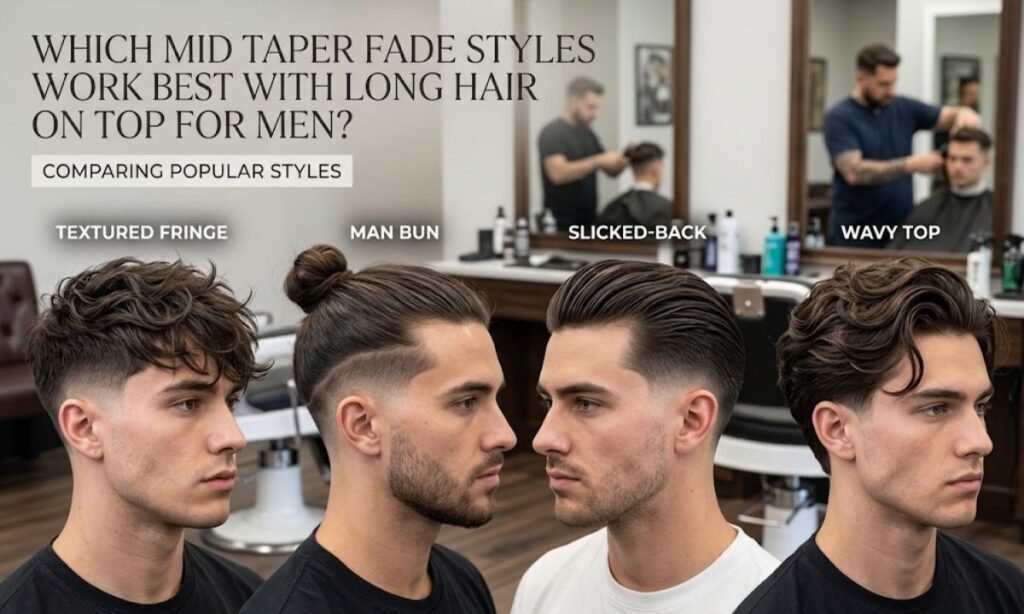
So far we’ve covered how texture and tying change the cut. Now let’s look at the top styles themselves. Each one pairs with a mid taper fade in a slightly different way.
Pick one based on how much time you want to spend each morning. Be honest about that. A style you won’t maintain is a style you’ll abandon.
Mid taper fade with a long pompadour
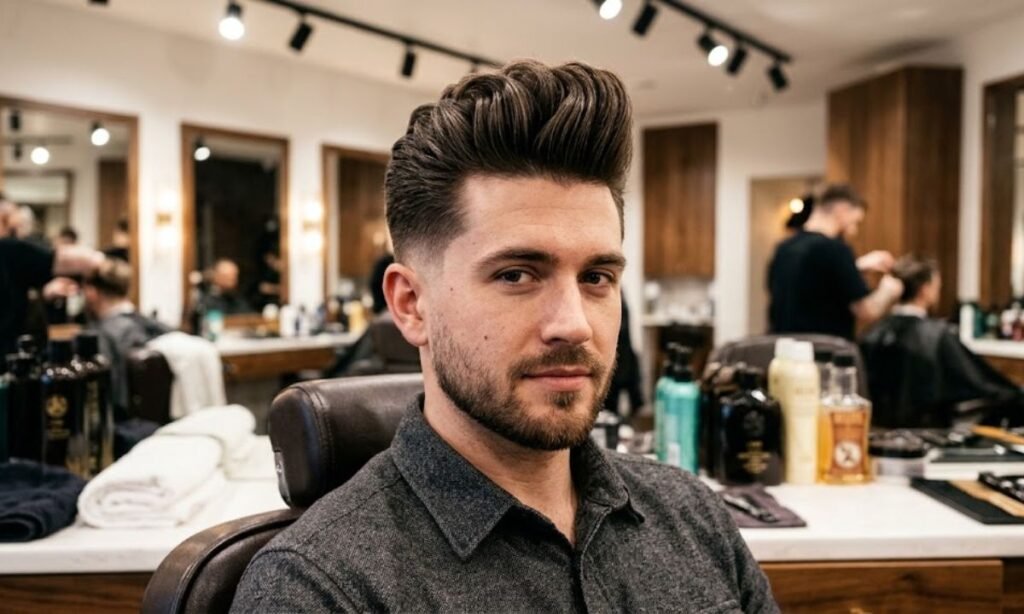
A long pompadour is all about height at the front. The taper keeps the sides slim so the top length gets the spotlight. Blow-dry upward with low heat and finish with a heat protectant.
It takes about ten minutes on a good day. The payoff is a bold hair silhouette that stands out in a crowd.
Mid taper fade with a long quiff
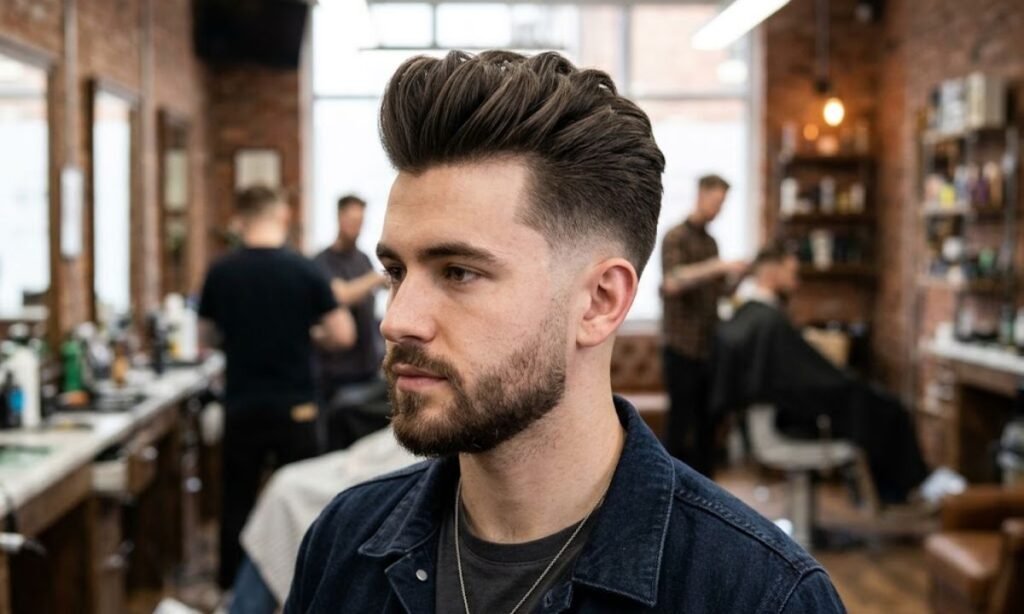
The quiff is looser than the pompadour. You brush the front up and slightly back, and let the rest fall naturally. The taper makes it look intentional instead of messy.
This style works well with wavy hair and straight hair. A light texture spray adds grip without the stiff, shiny look.
Mid taper fade with a shaggy layered top
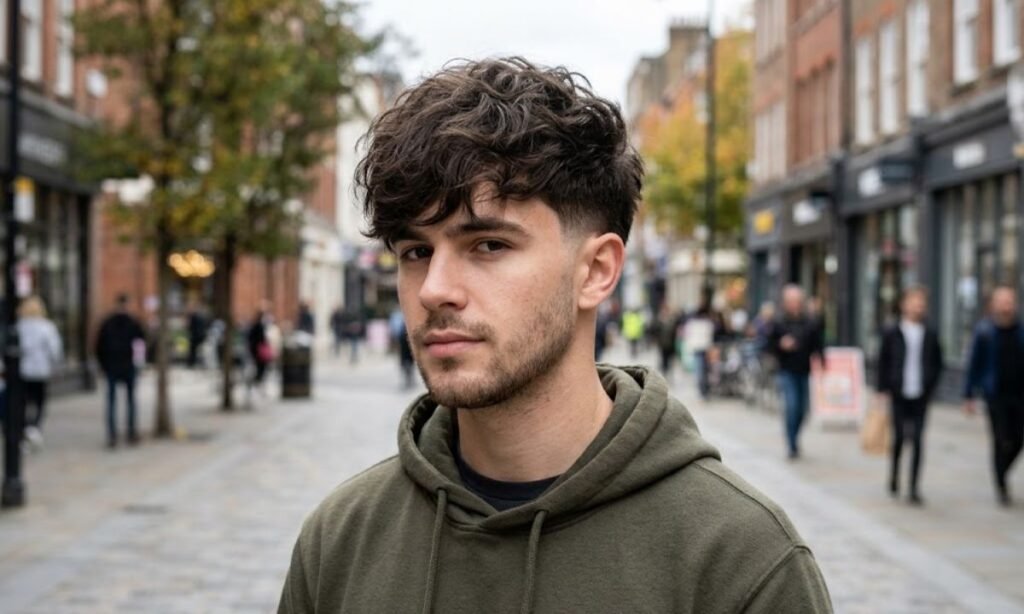
A shaggy top has lots of top layering and a lived-in feel. The taper adds order to the chaos. It’s perfect for textured long hair and thick hair.
Expect a rougher finish by design. You’ll only need a bit of sea salt spray and a quick dry brushing to shape it.
Mid taper fade with long hair and a beard
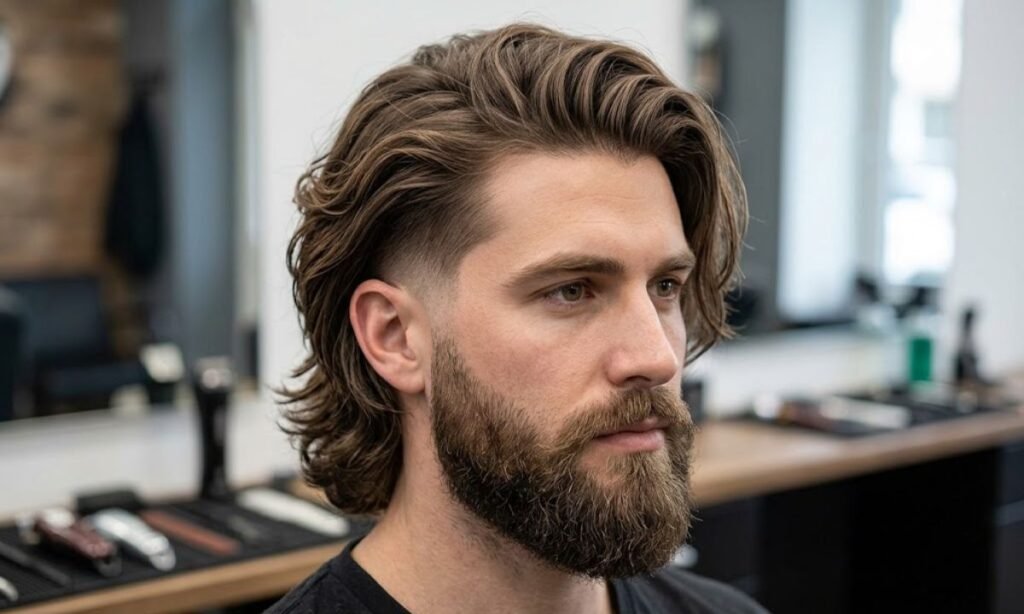
The beard blend is where the taper really shines. The sideburn taper flows right into the beard, so there’s no sudden jump. It looks like one continuous shape.
Tell your barber where the beard begins and where you want the fade zone to stop. Bring a side reference photo so the beard blend matches your idea.
Mid taper fade with a V-shaped or U-shaped neckline
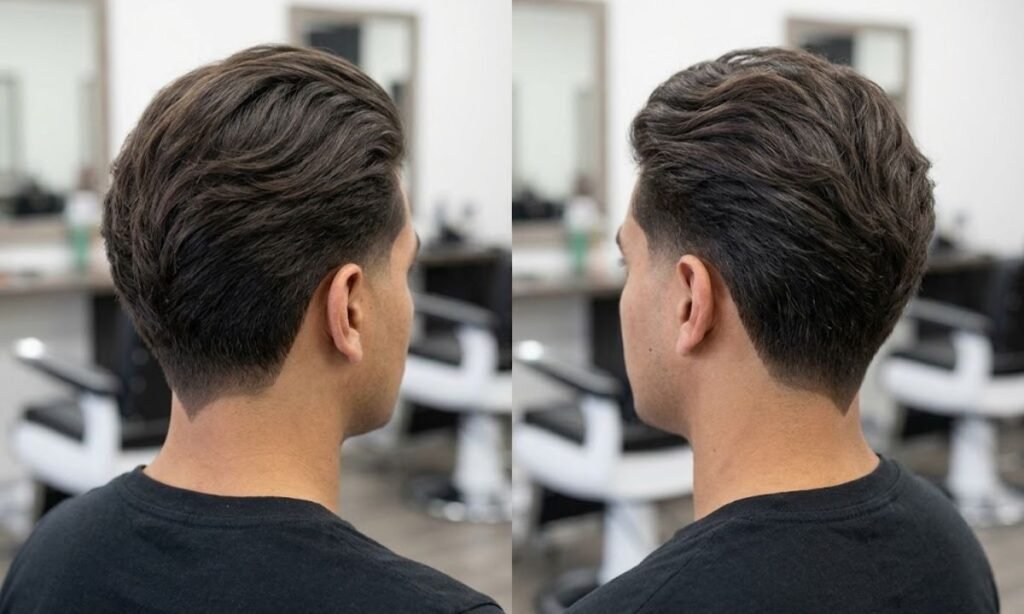
Your neckline shape changes how clean the back looks. A rounded neckline feels soft and natural. A blocked neckline looks sharp but grows out faster. A natural neckline is the lowest maintenance.
A V shape works well for tied-back hair, since it follows the pull of the ponytail. A U shape suits loose hair. Ask for a tapered neckline either way.
How do you ask a barber for a mid taper fade without losing your length?
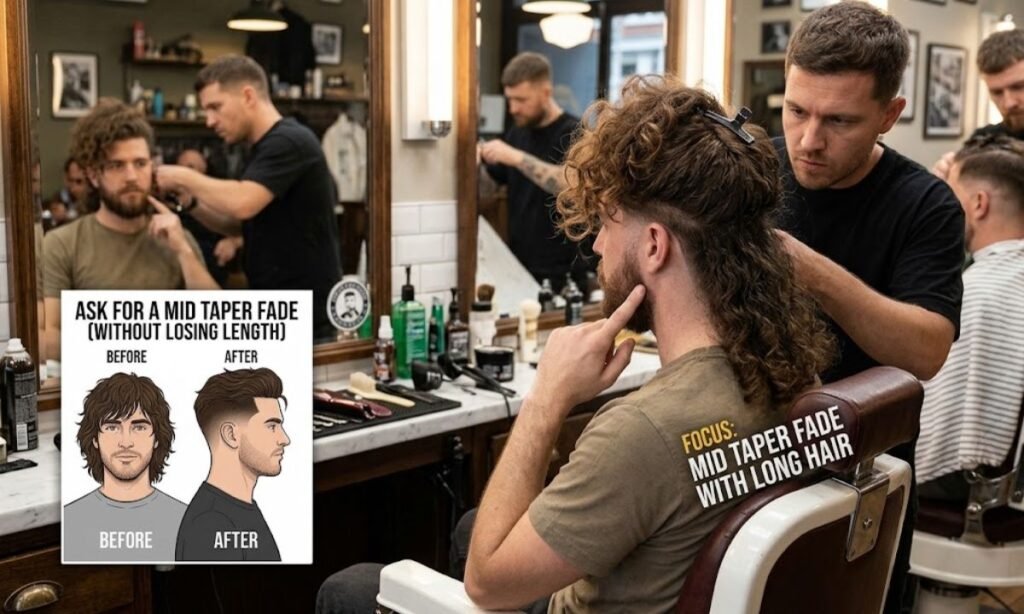
The biggest fear is walking out with less hair than you wanted. You can avoid that with clear barber instructions. Say your desired length first, before anyone picks up the clippers.
Tell the barber what stays and what goes. Something like, leave the top alone, taper the sides from mid height, and keep the nape soft. Simple works best.
It also helps to state your minimum length on top. If you say you never want to go below shoulder length, the barber has a clear boundary.
Should you get a mid taper fade with scissors or clippers?
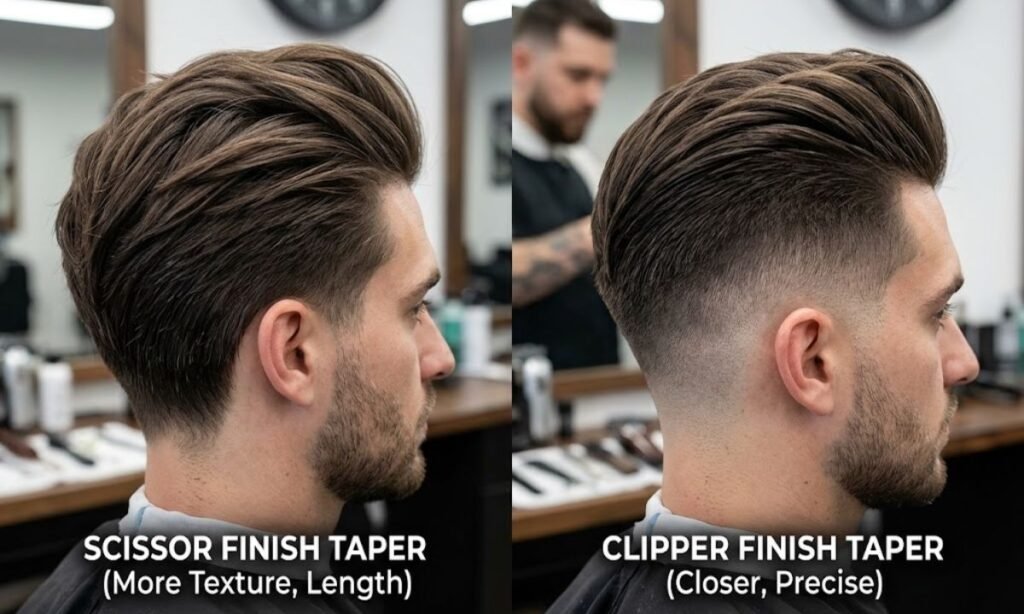
Both work, and the choice depends on your hair. Clipper work is fast and gives crisp results. Scissor work gives a softer finish and more control around curls.
A scissor taper is great for fine hair and curly long hair. A clipper finish is better for thick hair and a bolder look. Some barbers combine both for the best result.
If you want zero scalp showing, ask for scissors. If you like it crisp, ask for clippers with a guard sequence that steps up gently.
How can you make the transition between the tapered sides and long hair look natural?

The hair transition is where cuts succeed or fail. You want a smooth graduation from short to long without a visible line. That’s the connected haircut approach.
Ask for a connected result unless you want a deliberate disconnected result. A connected cut blends the blend line into the top. A disconnected cut leaves a clear step, which looks bold but needs styling.
A good barber checks the blend with a comb and scissors after the clippers. If yours skips that step, politely ask for it.
What to show and specify at the consultation
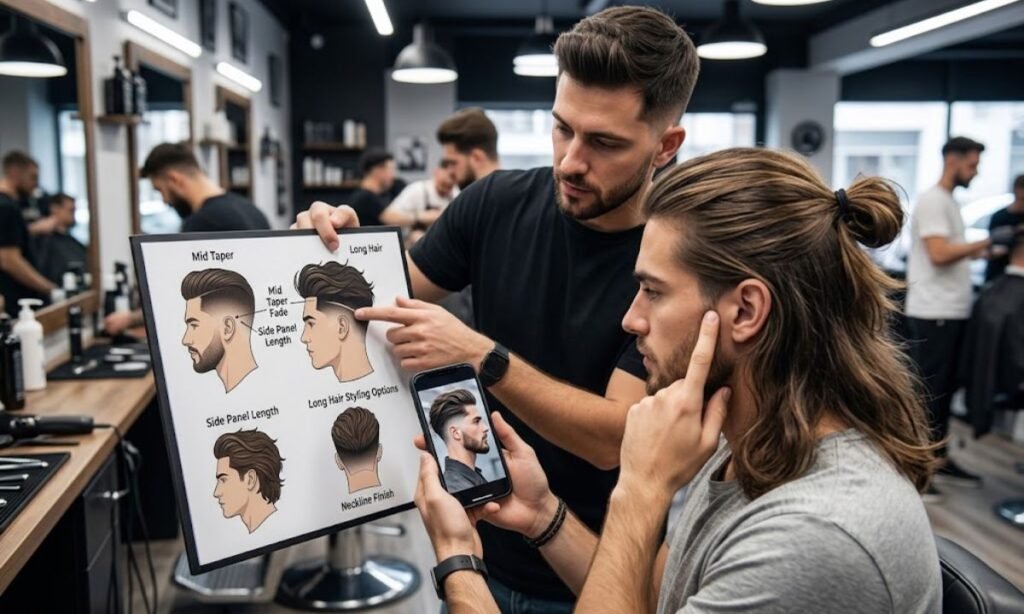
Bring a reference photo, ideally three. A front reference photo, a side reference photo, and a back reference photo cover every angle. Pictures beat words every time.
Specify these details during the barber consultation:
- Fade placement reference: where the taper starts
- Clipper guard size: the shortest guard to use
- Temple height and sideburn length
- Neckline shape: natural, rounded, or blocked
- Desired length and minimum length on top
A short note on your phone works well. It turns your vague idea into barber-ready haircut instructions.
How do you style and maintain a mid taper fade with long hair?

Daily care is where good cuts either last or fade. A tidy routine takes about ten minutes. It also protects your scalp health and your hair ends.
Start with a gentle shampoo application focused on the scalp, not the lengths. Then use conditioner placement from mid-length to ends. This keeps long hair soft without weighing down the roots.
Build a simple haircare routine and stick to it. Consistency beats fancy products.
How should daily styling change by hair texture?
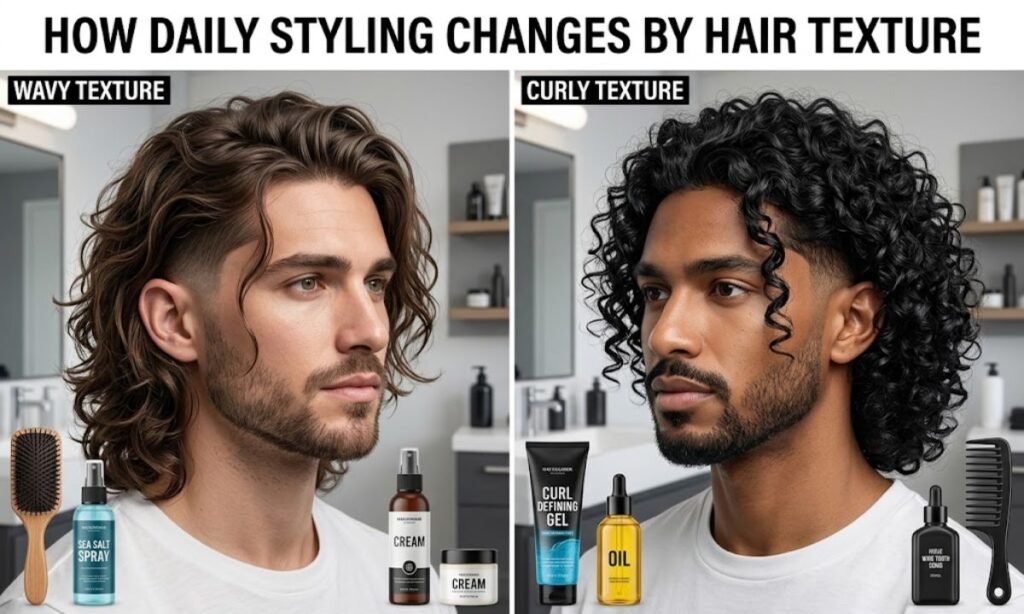
Fine hair needs light products and a quick blow-drying session. Thick hair can handle creams and more heat styling. Curly hair and coily hair need moisture and gentle handling.
For wet hair, use finger detangling or a wide-tooth comb. Add leave-in conditioner to curls and coils before they dry. For straight hair, a flat iron on low heat with a heat protectant is enough.
Stay on low heat or medium heat at most. Anything higher invites hair damage.
How often should you refresh the taper?
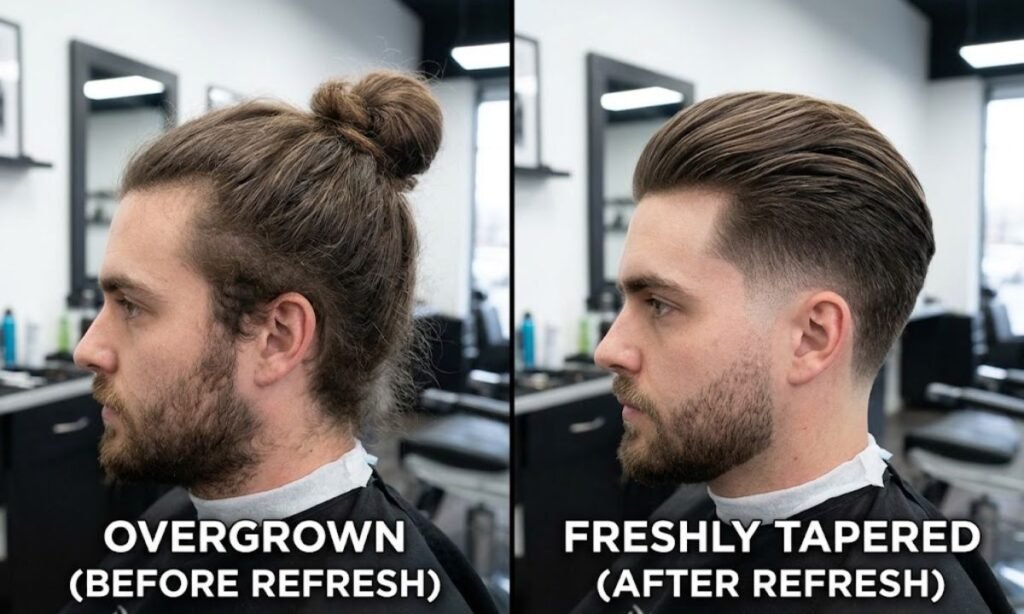
The tapered sides show regrowth quickly. A taper refresh interval of 2 to 4 weeks keeps the hair outline neat. The top can wait longer, usually 8 to 12 weeks.
This is the two-clock maintenance schedule. One clock runs the perimeter refresh. The other runs the top trim interval. Treat them separately.
Average hair growth is about half an inch a month. That’s why the sides look overgrown in a few weeks, but your top barely moves.
What are the downsides and hair-care risks?
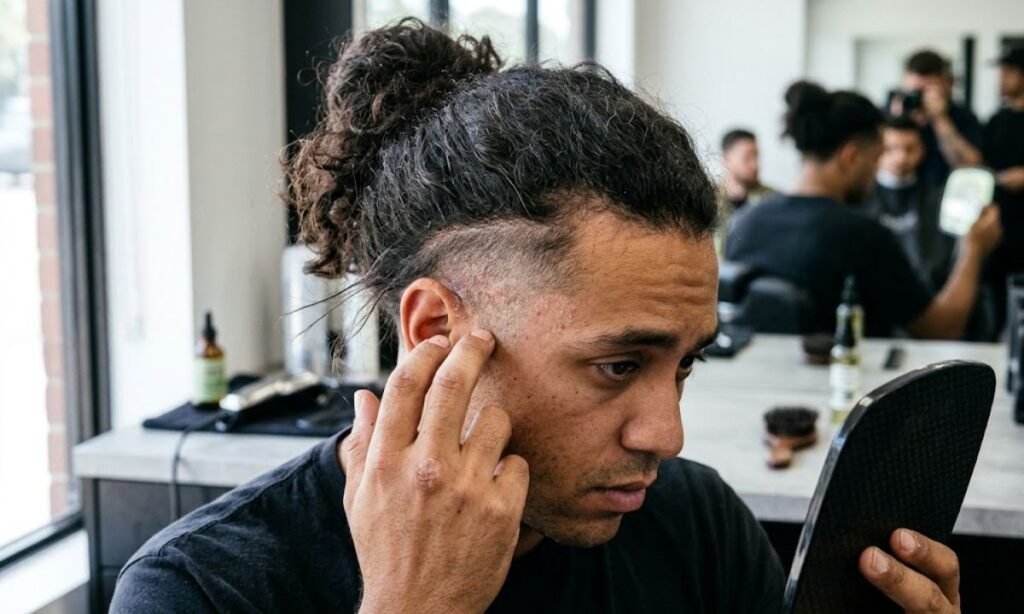
No haircut is perfect. A mid taper fade needs regular visits, and that adds up in cost and time. The taper upkeep is the main catch.
There are health risks too. Traction alopecia can result from tight buns, tight ponytails, and tight braids that pull on the hairline. If your scalp feels sore, loosen the style.
Razor bumps are another issue, especially with curved hair shafts. A close shave or razor finish can trigger skin irritation. A trimmer finish or a longer guard lowers the risk.
Common mistakes to avoid when growing long hair with a taper
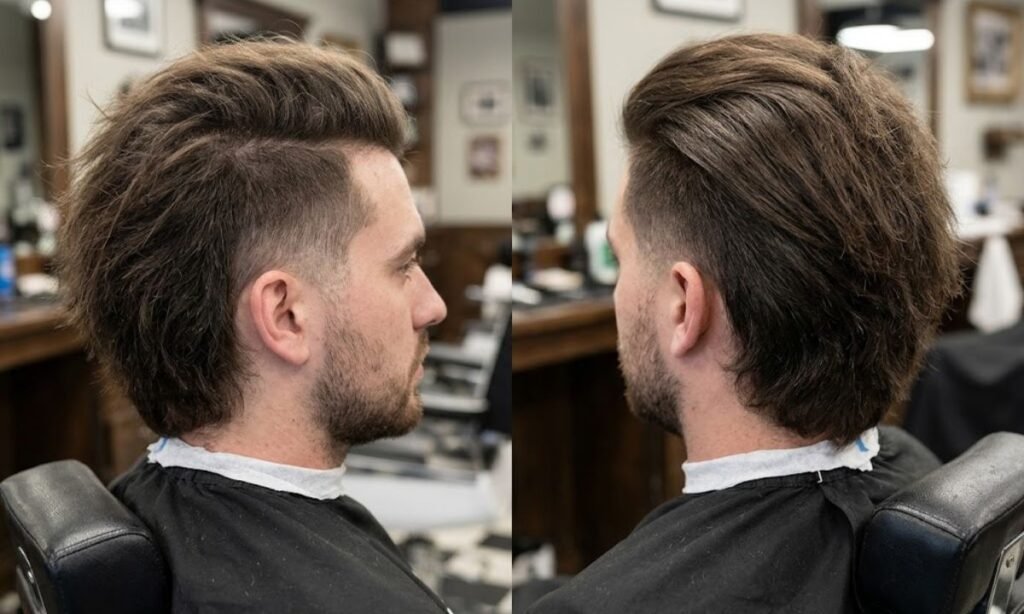
The first mistake is skipping the consultation. Walking in with a vague request invites surprises. Always show reference photos and state your desired length.
The second is overtrimming the top. Barbers love to tidy ends, and you can lose an inch without noticing. Say, only a dusting on the ends.
The third is ignoring your cowlicks. They change how the taper falls at the nape and temple area. Point them out before the clippers start.
Best products and tools for long hair with tapered sides
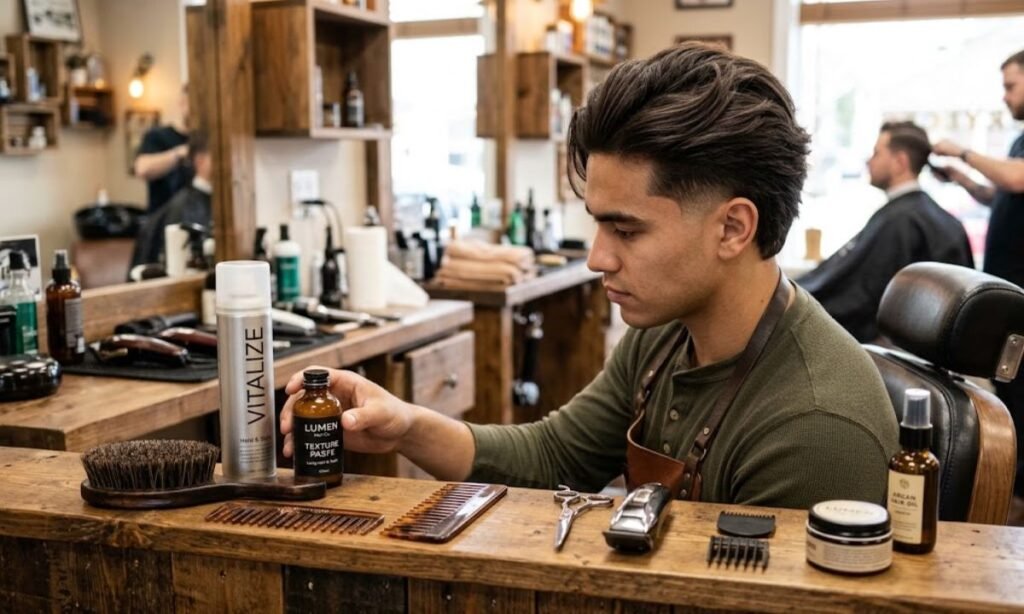
You don’t need a shelf full of bottles. A wide-tooth comb, a leave-in conditioner, and a heat protectant cover most needs. Add a light styling cream for control.
For curls, look for a creamy product that helps curl pattern preservation. For straight hair, a texture spray gives grip. Check labels if your scalp is sensitive.
When shopping for long hair styling products, start small. Buy travel sizes first and test for a week.
Grow-out plan: keeping length while the taper stays clean
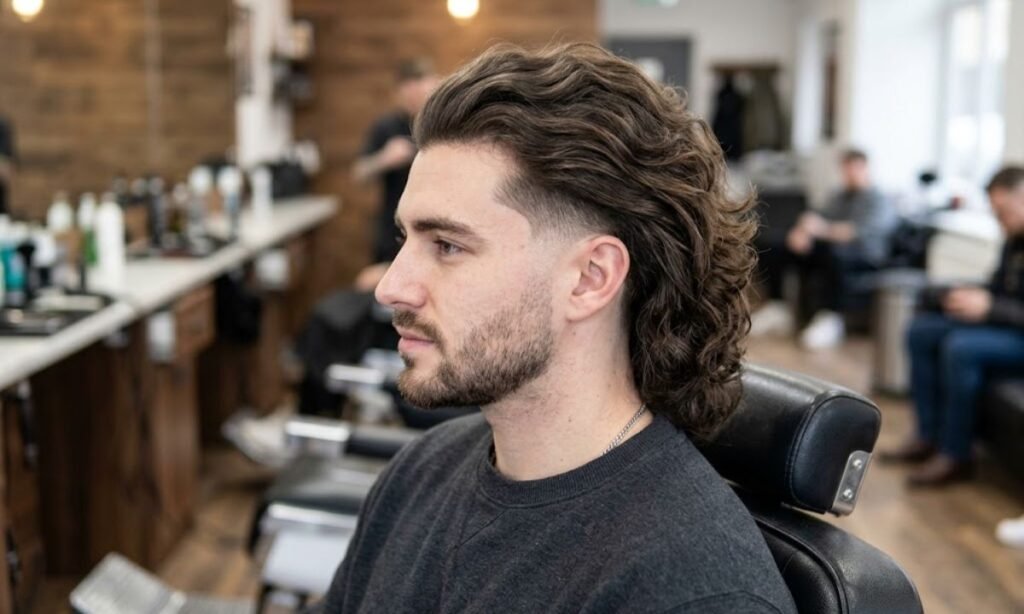
A grow-out takes patience, but it’s doable. Keep the taper fresh while the top grows. That’s how you hide the awkward middle stage.
Set a long hair trimming schedule with your barber. Light trims every 10 to 12 weeks remove split ends without costing length. The side-length preservation only matters if you choose a higher taper.
This is also where hair length retention pays off. Condition well, avoid heat spikes, and sleep on a silk pillowcase. Small habits protect real inches.
You can also checkout this article as we: Mid Taper Fade for Straight Hair: 15 Styles, Barber Script, and Care Guide
Frequently asked questions
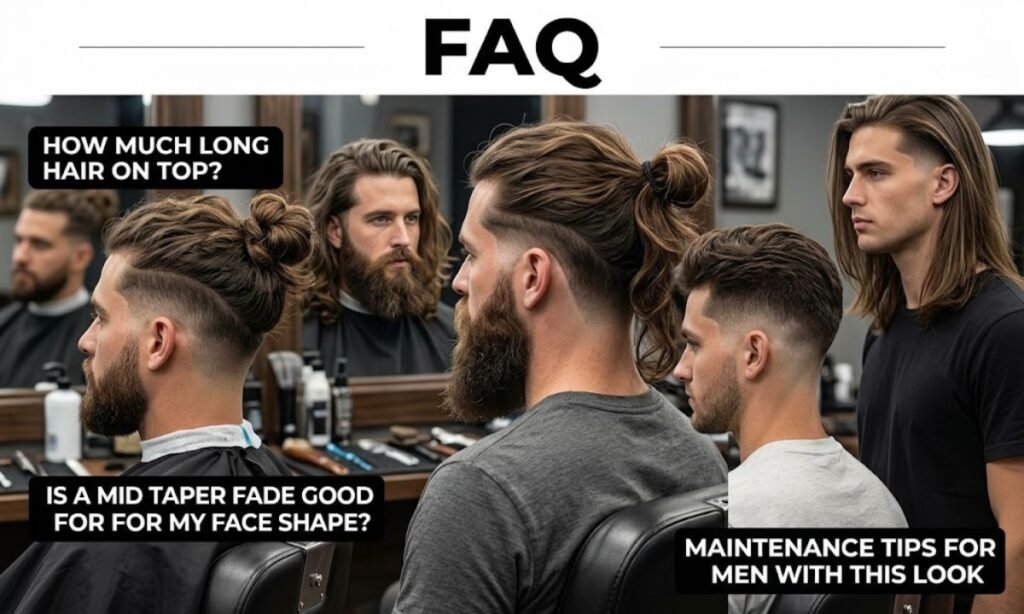
Can you get a mid taper fade with long hair on top?
Yes. The taper only affects the sides and back. The long hair on top stays as is, as long as you tell your barber your desired length clearly.
Is a mid taper fade or a low taper better for long hair?
It depends. A low taper is gentler and better for a grow-out phase. A mid taper gives a more balanced look and removes more side weight.
How often should I get my taper refreshed?
Every 2 to 4 weeks works for most people. You can stretch to 5 weeks with a low taper fade. A full fade upkeep schedule is usually shorter.
Does a mid taper fade work on curly or coily hair?
Yes. It reduces hair bulk on the sides and keeps long natural curls or natural coils on top. Ask for scissor work if you want a softer blend.
Will a mid taper fade damage long hair?
The cut itself doesn’t. Hair damage comes from heat, harsh brushing, and tight styles. Keep heat styling low and stay gentle on wet hair.
Can I wear a man bun with a mid taper fade?
Yes. It’s one of the most popular combinations. Avoid tight ties and keep an eye on your hairline for tension.
Final thoughts
A mid taper fade with long hair gives you structure without sacrificing length. Choose the right taper height, bring clear reference photos, and plan a taper refresh every few weeks. That’s really all it takes.
Have you tried one? Tell us in the comments what worked and what didn’t. If this guide helped, share it with a friend who’s still deciding.

I’m Michael Charles, the creator of MegaCrazes—your source for fresh hairstyles, sharp haircuts, and simple hair-care inspiration. Find your style. Own your look.