


Updated November 2026
Will a mullet look sharp on you, or just messy?
That’s the worry most guys carry into the barber’s chair.
A mid taper fade mullet keeps the sides short and clean while the back stays long on purpose.
It looks planned, not accidental, and that’s the whole trick.
You might also wonder about work rules, curly hair, or how often you’ll need a trim.
We’ll cover every bit of it in plain talk, step by step.
Quick Answer
A mid taper fade mullet is a mullet with tapered sides. The taper fade starts around the mid-temple and shrinks the hair down toward the ear and nape.
The crown and back length stay long, so you get contrast without a harsh line.
Most people do best with a guard number between 1 and 3 on the sides, then a longer, textured mullet on top and behind. Ask for a soft transition if you want a gentle look. Ask for a near-skin finish if you want it crisp.
Either way, plan on a fade refresh every 3 to 4 weeks.
Here’s the short version you can screenshot:
- Best for: Straight, wavy, curly, and coily hair with enough length at the back
- Typical side finish: Guarded finish or skin taper fade
- Upkeep: Taper refresh every 3 to 4 weeks, full reshape every 8 to 10 weeks
- Styling effort: Low to medium, depending on hair texture
What is a mid taper fade mullet?
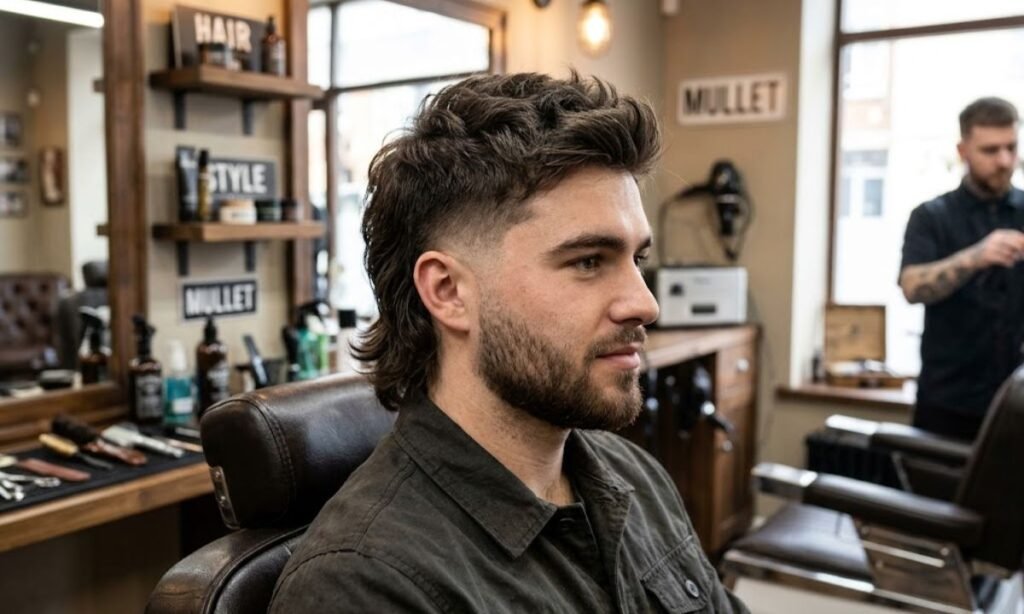
Think of it as two haircuts sharing one head. The sides follow a mid taper, which means the hair gets shorter in a smooth, graduated perimeter around the ears and neck.
The top and back keep their length, so the mullet silhouette stays obvious from behind.
Some people call it a mid taper mullet haircut. Others say mid taper fade haircut with a mullet. Barbers know what you mean either way.
The point is the contrast: neat edges up front, relaxed length out back.
It’s also a modern mullet haircut rather than the 1980s version. The old style had a big, chunky split between the front and back. Today’s version blends better and looks far more wearable.
Where does the mid taper start and finish?

A mid taper begins roughly at the mid-temple, about level with the middle of your ear. From there the fade transition runs down to the hairline around the ear and the neckline at the back.
A low taper starts closer to the ear, and a high taper starts near the top of the head.
The bottom can finish in a few ways. A skin finish shows bare skin, a near-skin finish leaves a shadow, and a guarded finish keeps a short length. Pick based on how bold you want the fade contrast to look.
A shadow fade sits in the middle and works well for first-timers.
Here’s a quick example. Picture a guy named Sam who works in an office with a loose dress code. He asks for a mid-temple taper with a guarded taper finish, and the cut reads clean at the desk and fun on weekends.
Which sections stay long, and why does the combination work?

The crown, the occipital area (that rounded bump at the back of your skull), and the back stay long. The fringe length up front can run short, medium, or long depending on your taste.
These zones carry the mullet silhouette and give the cut its personality.
The combo works because short sides make the long part look intentional. Without the taper, long hair on the sides can feel heavy and shapeless. With it, you get a clear outline.
There’s a practical bonus too. Short side weight keeps your ears cool and cuts down on bulk. That makes a mullet with long back easier to live with in summer.
Which mid taper fade mullet variation should you choose?

Not every mullet needs to shout. You can dial this cut up or down depending on your job, your hair, and your mood.
Here are three families of styles to help you decide.
Short and subtle versions

A short textured mullet keeps the back just past the collar. The taper fade stays soft, and the top gets light hair layering so it moves without looking wild.
This is the safest pick if you’re nervous or work in a conservative office.
A soft mullet also lands here. It uses a longer guard number on the sides and a gentle blend into the back. Nobody will do a double take, but your friends will notice the upgrade.
This version suits low-maintenance styling. A bit of lightweight styling cream and you’re done in two minutes.
Texture-led versions

Here the hair texture does the talking. A wavy mullet, curly mullet, or coily hair mullet uses natural shape as the main feature, while the mid taper keeps edges neat.
The result looks lived in without looking scruffy.
A textured fringe mullet or a middle-part mullet adds even more attitude. The fringe falls forward or splits at the center, and the side profile gets a cool, loose outline.
Ask your barber to cut dry so they can see how your hair shrinkage will behave.
Straight hair isn’t left out. A straight hair mullet gets its texture from point cutting and a bit of texture spray.
Longer and bolder versions
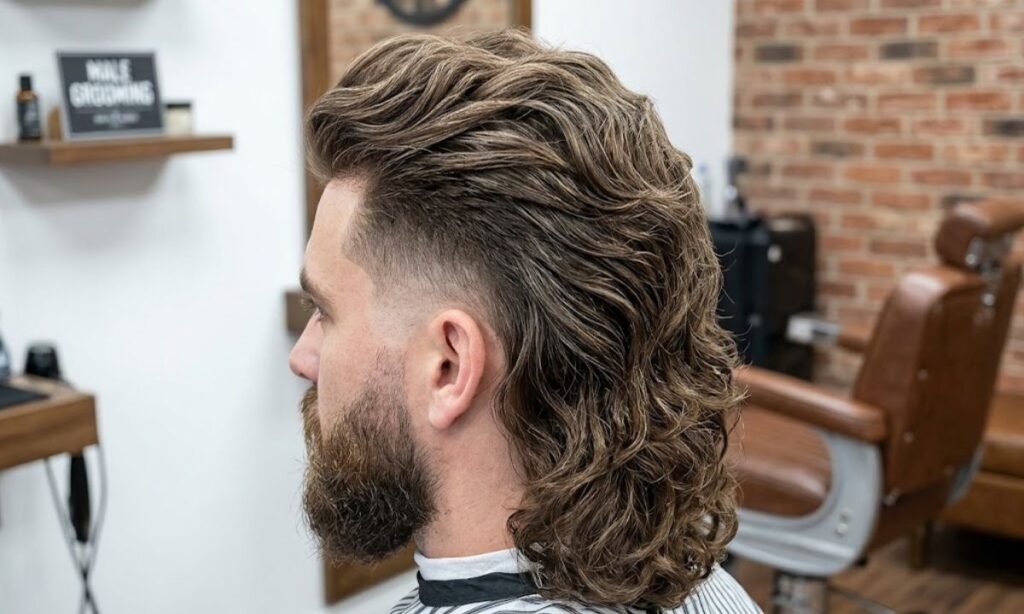
Want people to notice? Try a mullet with long crown and a long-back mullet that reaches the shoulders. The taper fade with long hair creates striking contrast.
This is the version that gets compliments and questions in equal measure.
You can push the fade higher too. A high taper fade mullet or a drop fade mullet curves around the ear for extra drama. Just remember that louder cuts need more upkeep.
Bold doesn’t mean sloppy. Keep the neckline tidy and the hair proportions balanced, or the whole thing starts to look like an accident.
How do you choose the right mid taper height for a mullet?

Taper height decides how much of your head shows. Too low and the cut loses contrast. Too high and it starts to look like a different haircut.
The mid setting sits in the sweet spot for most people.
Start with your goals. If you want a conservative look, keep the fade height modest. If you want sharp fade contrast, move the start point up a touch.
Your barber can show you the line with a comb before cutting. Ask for that check. It takes ten seconds and saves weeks of regret.
How does temple and ear exposure change the finished look?

Exposing the mid-temple opens up your face. It also makes your ears more visible, which can feel strange if you’ve always covered them.
If that worries you, ask for a slightly longer guarded finish around the ear.
Larger ears often look better with a soft transition instead of a bald fade. Smaller ears can handle a skin taper fade with no problem. Check the side profile in a mirror before the final cut.
Temples matter for scalp visibility too. If your hair is thin there, a longer guard hides gaps while still giving you that tapered neckline and clean outline.
How much weight should remain above the taper?
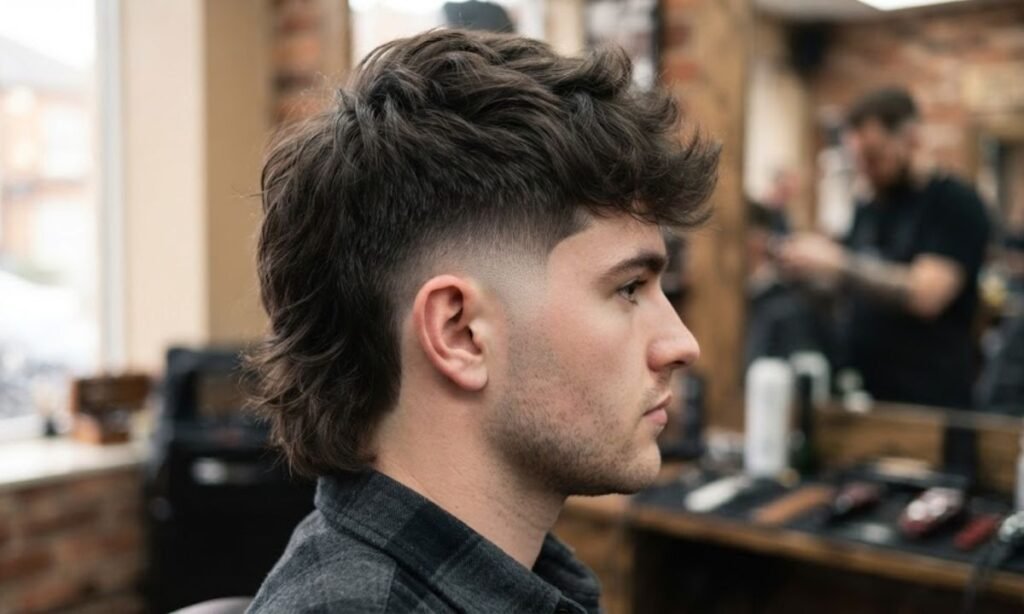
Side weight is the hair that sits right above the fade line. Leave too much and you get a helmet-like silhouette. Leave too little and the top looks disconnected.
Aim for a gentle slope that moves from short to long without a step.
A good rule of thumb is to leave about an inch to an inch and a half of blending room above the fade line. Straight and fine hair needs less. Thick, wavy hair or curly hair needs a bit more to keep the shape.
Ask your barber to graduate the perimeter and then check it dry. That one habit stops the boxy look before it starts.
How should the crown and back be shaped for a balanced mullet?

The crown is where most mullets win or lose. Get it right and the cut flows from top to tail. Get it wrong and you end up with a flat top and a stringy back.
Three details matter most: length, direction, and weight.
Think about your hair growth direction before you sit down. A strong cowlick at the crown can fight a pattern the barber has in mind. Mention it early so they can cut around it.
It also helps to bring a mullet with long back photo from the same angle as your own head. Side and rear shots matter more than the front.
How does crown length affect the transition into the tail?
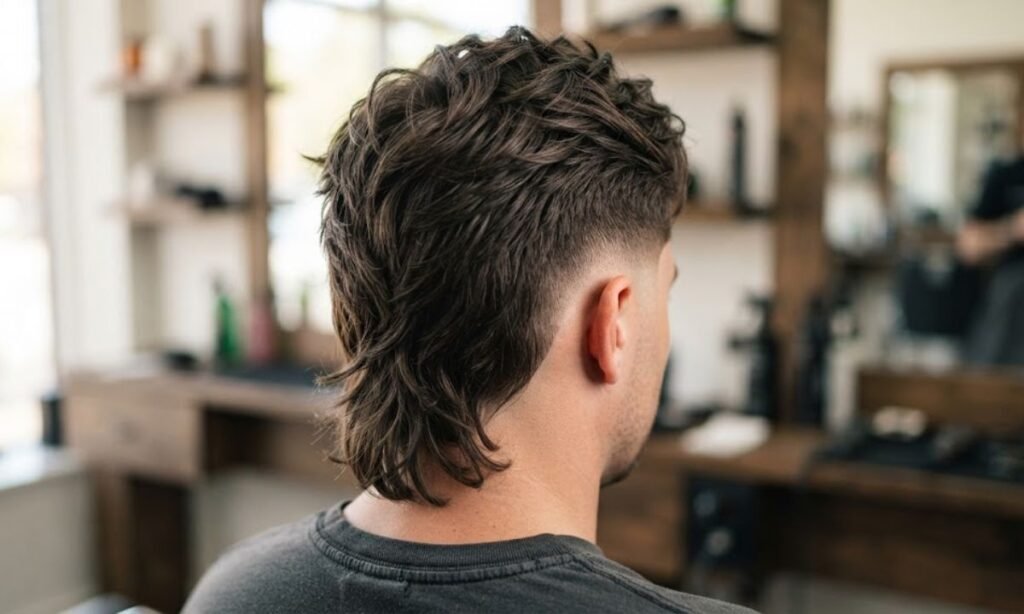
A longer crown lets the hair flow smoothly into the back. A shorter crown creates a sharper step, which some people love and others hate.
Your hair density and hair growth pattern help decide which one fits.
If you want crown volume, ask for light layers through the top and a bit of lift at the root. A root-lifting cream gives crown lift without crunch.
For a flat crown, shorten the layers slightly and blow dry upward. That tiny change lifts the whole silhouette.
How can bulk be removed without thinning the back too much

Thick hair can make the back look heavy. The urge is to thin it aggressively, but that often leads to split ends, wispy tips, and a helmet-like silhouette that sits wrong.
A smarter route uses internal hair layering and careful texturizing.
Tell your barber you want to remove weight, not length. They can use point cutting, slide cutting, or thinning shears sparingly. Ask for a light hand around the occipital area.
One practical tip: wait for the next visit before cutting more. You can always take off hair, but you can’t paste it back.
Is a mid taper fade mullet right for your hair, face, and routine?

Honest answer: it works for most people, but not in the same way. Your hair texture, face shape, and daily habits all change the final result.
So let’s walk through each one.
If you’re unsure, start with a softer version. You can always increase the fade contrast later. Going bolder is easier than going back.
Think of it like testing a new coffee order. Try the small size first, then decide if you want the large.
How does hair texture and density change the cut?

Straight hair shows every line, so cuts need to be precise. Fine hair can look thin when the back is long, so keep layers soft and avoid heavy thinning.
A matte finish product helps fake a little extra thickness.
Wavy hair and curly hair love this cut. The natural bend hides small errors and adds movement. Coily hair needs extra length to account for hair shrinkage, since a curl can lose half its visible length when it dries.
Hair density matters just as much as texture. Dense hair needs weight removal. Sparse hair needs a gentle taper and a bit more length on the sides.
How should face shape and head profile influence the proportions?

For a round face, a bit more height on top and a higher taper height make you look longer. For an oval face, almost anything works, so you can focus on personal taste.
A square face with an angular jawline often suits a softer fade and a rounder neckline.
A long face does better with a medium fringe and less height up top. Keep the sides slightly fuller so the shape doesn’t stretch.
That’s the logic behind good face shape and haircut pairings.
Check your side profile too. A flat back of the head looks better with more length at the back. A rounded skull can handle a shorter tail.
Does the haircut fit your styling tolerance and environment?

Be honest about your mornings. If you hate styling, pick a low-maintenance mullet with simple layers and air-drying. If you enjoy a routine, you can go for a more detailed look with a diffuser and a few products.
There’s no wrong answer, only a good match.
Think about the places you spend time. A school dress code might limit how long hair can go or how extreme a fade looks. A workplace dress code may ask for tidy edges and a controlled back.
If rules are strict, choose a short textured mullet with a guarded taper finish. Tuck the tail or tie it back when needed.
How does a mid taper fade mullet compare with similar cuts?

Barbers use a lot of names for similar haircuts, and it can get confusing fast. A small change in the fade or the back changes the whole name.
This section clears up the biggest mix-ups.
Use the table below as a quick map.
| Cut | Fade start | Contrast | Maintenance |
|---|---|---|---|
| Mid taper fade mullet | Mid-temple | Medium | Medium |
| Low taper fade mullet | Near the ear | Low | Low |
| Burst fade mullet | Curves around the ear | High | High |
| Mid fade mullet | Mid-temple, shorter finish | High | High |
| Undercut mullet | Disconnected | Very high | Medium |
| Wolf cut | Layered, no fade | Low | Medium |
Mid taper fade mullet vs low taper mullet

A low taper fade mullet hugs the ear and neck only. It’s calm, subtle, and a great beginner pick. The fade stays small, so the cut grows out more gracefully.
The mid taper goes higher and shows off more of the sides.
Choose the low version if your workplace is strict or you want a longer gap between visits. Choose the mid version if you want the contrast to read clearly from across the room.
Both look good with a tapered neckline. The difference is mostly about how loud you want the cut to be.
Mid taper fade mullet vs burst fade mullet

A burst fade mullet curves around the ear in a half circle, so the fade pushes back and leaves the rest of the sides longer. The effect is dramatic, almost like a spotlight on the ear.
It works best with thick hair that has enough bulk to frame the shape.
The mid taper runs straight around the head instead. That makes it easier to blend and easier to fix if the first attempt isn’t perfect.
Burst fades also need more frequent cleanups. If you want something steady, stick with the mid taper.
Mid taper fade mullet vs mid fade, undercut mullet, and wolf cut

A mid fade mullet goes shorter and bolder than a taper. It exposes more skin and ends in a razor-clean finish. A mid taper keeps more hair and feels softer.
If you want contrast, go with the fade. If you want ease, go with the taper.
An undercut mullet disconnects the sides entirely. There’s no gradual blend, only a hard line between short and long. It looks edgy, but it needs constant maintenance.
The wolf cut relies on shaggy layers and skips the fade. It’s closer to a mullet in spirit, but it has no clean edges. Pick it if you like messy over polished.
What clipper guard sizes work for a mid taper fade mullet?

Guards are the secret language of barbers. Each guard number corresponds to a length, and swapping one for the next changes the softness of the fade.
Knowing the basics helps you understand what’s happening in the chair.
Most Wahl guard sets follow the same pattern. A #1 leaves about 1/8 inch (3 mm). A #2 leaves about 1/4 inch (6 mm), and a #3 leaves about 3/8 inch (10 mm).
Guard lengths can vary slightly between brands, so ask your barber what they use. It’s a normal question and they’ll appreciate it.
Which guard lengths create a soft versus sharp transition?
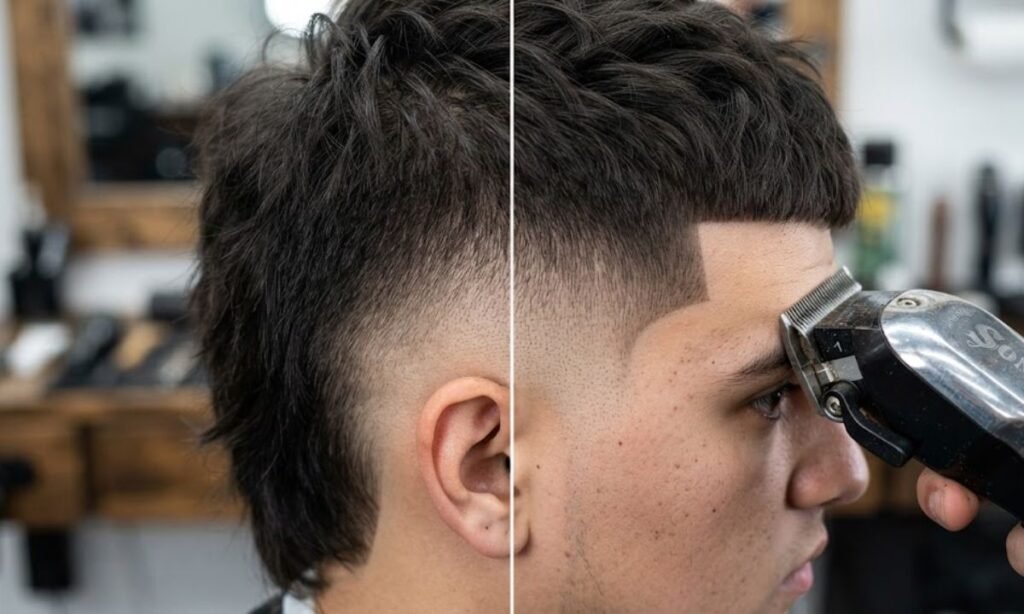
For a soft transition, start around a #3 or #4 at the top of the taper and step down through #2 and #1. Each step blends into the next, so the fade transition looks smooth.
It’s the safest option for fine hair and for anyone who dislikes visible lines.
For a sharper look, jump from a #4 to a #1 or to a near-skin finish. The jump creates stronger fade contrast and a clear taper fade.
Here’s a simple cheat sheet:
- Soft and subtle: #4 to #3 to #2, guarded finish
- Balanced: #3 to #2 to #1, near-skin finish
- Sharp and clean: #2 to #1 to bare skin, skin taper fade
How should the neckline and sideburns be blended?

The neckline shapes how the back reads. A squared neckline haircut looks bold and structured. A rounded neckline feels softer and grows out better. A mullet with natural neckline leaves the edge untouched for a lived-in vibe.
Your barber can show you each one with a quick mirror check.
Sideburns should match the fade. If your sides finish at a #1, the sideburns shouldn’t stop at skin. That mismatch looks off.
Ask them to blend the sideburn into the taper rather than carving a separate shape.
If you’re prone to razor bumps, avoid a razor finish on the neck. The American Academy of Dermatology (AAD) suggests gentle shaving habits for irritation, like going with the grain. A clipper-only neckline can skip the problem altogether.
How do you ask a barber for a mid taper fade mullet?

Half the battle is communication. Barbers are skilled, but they can’t read your mind, and “just a little shorter” means different things to different people.
A clear haircut consultation fixes that.
Book the barber appointment with enough time for a chat. A fade and a long back need more care than a quick buzz.
And don’t be shy. Good barbers love clients who ask questions.
Which reference photos should you bring?

Bring three to five reference images. Include a front shot, a side profile, and a back view. Mix angles so the barber can see how the taper meets the long hair.
Sites like Taper Trends and men’s style pages such as GQ Middle East are handy places to browse ideas.
Choose photos of people with similar hair texture. A shot of straight hair won’t help much if you’ve got coily hair. Match as closely as you can.
It also helps to bring a “do not want” photo. Showing what you dislike is just as useful as showing what you love.
What exactly should you say in the chair?

Skip the vague words and use specific barber instructions. Here’s a sample script you can adapt:
- “I’d like a mid taper fade that starts at the mid-temple.”
- “Finish with a guarded finish around a #1, no skin.”
- “Keep the crown and back length long, with soft hair layering.”
- “Leave a rounded neckline and blend the sideburns.”
That’s four sentences and your barber knows exactly what to do. Add your fringe length at the end, and mention any cowlick you’ve got.
If something is unclear, ask them to show you the guard or point to a spot on your head. Clarity beats politeness every time.
What should you check before and after the cut?

Before the cut, confirm three things: where the taper starts, which guard number they plan to use, and how long the back will be. A 30 second recap prevents most surprises.
It’s the cheapest insurance you’ll ever buy.
After the cut, check the mirror from all sides. Look for even blending on both sides, a clean neckline, and no steps between layers.
If anything feels off, say it right then. Most barbers fix small issues on the spot, and they’d rather do that than lose a regular.
How do you style a mid taper fade mullet by hair type?

Styling is where the cut comes alive. A great haircut falls flat if you skip the routine, and a decent one looks amazing with the right habits.
The good news is that the process is simple.
You don’t need ten products. Most people do well with one styling cream or matte clay, a wide-tooth comb, and a bit of patience.
Let’s break it down by hair type.
A three-step routine for straight or fine hair

Step one: Towel dry to damp, then spritz a leave-in spray or heat protection spray if you plan to blow dry. Straight hair shows damage fast, so protect it.
Step two: Blow dry with the nozzle pointed downward, then lift at the crown for extra hair volume.
Step three: Work a pea-sized amount of matte clay, matte paste, or styling powder through the lengths. For fine hair, Uppercut Deluxe Styling Powder is a popular pick for adding grip and body. For a flexible look with natural hold, American Crew Fiber is a well-known option.
Finish with a quick pass of a texture spray.
Skip heavy pomade if your hair is thin. It weighs everything down, and you’ll end up with greasy hair by lunch.
A three-step routine for wavy, curly, or coily hair

Step one: Start with a wet scalp and a hair conditioner, then rinse most of it out. Detangle with a wide-tooth comb from the tips upward.
Step two: Apply a curl cream or lightweight styling cream while the hair is still wet. CurlSmith Weightless Air Dry Cream is a common choice for curl definition without a crunchy feel.
Step three: Air-drying works well, but a diffuser on low heat speeds things up and adds volume. Don’t touch the hair while it dries, because that breeds hair frizz.
Once dry, scrunch gently to break any cast.
If you want more hold, try a small amount of strong hold gel on the fringe only. Keep the back soft so the mullet silhouette keeps its natural flow.
Which product or tool solves which styling problem?
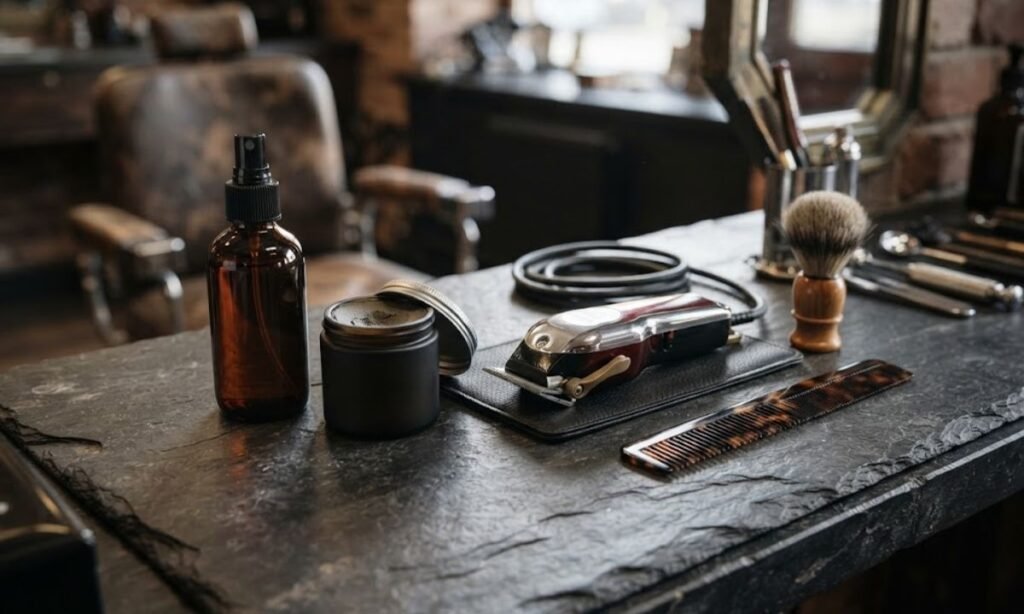
People often buy products that don’t match their problem. This table helps you pick the right one before you spend money.
| Problem | Fix | Why it works |
|---|---|---|
| Flat crown | Root-lifting cream, blow dry upward | Adds crown lift at the base |
| Frizz | Frizz control cream, diffuser | Seals the cuticle, keeps shape |
| Greasy hair | Clay or powder, less product | Absorbs oil, adds a matte finish |
| Dry hair | Leave-in conditioner | Restores moisture, softens ends |
| Weak shape | Layrite Original Pomade | Gives medium hold and a polished feel |
| No texture | Texture spray | Builds grip fast |
A product only works when you use it right. Less is almost always more, and you can add more if needed.
Start small, then build.
How do you maintain or grow out a mid taper fade mullet?

Maintenance is where mullets get a bad name. The fade grows quickly, and a messy edge makes the whole cut look old.
A simple schedule keeps things fresh without draining your wallet.
Treat the cut like a car. A quick service every month keeps it running, and a full tune-up every couple of months stops big problems.
Below is a simple haircut upkeep schedule you can follow.
When should the fade be refreshed and the full shape reset?
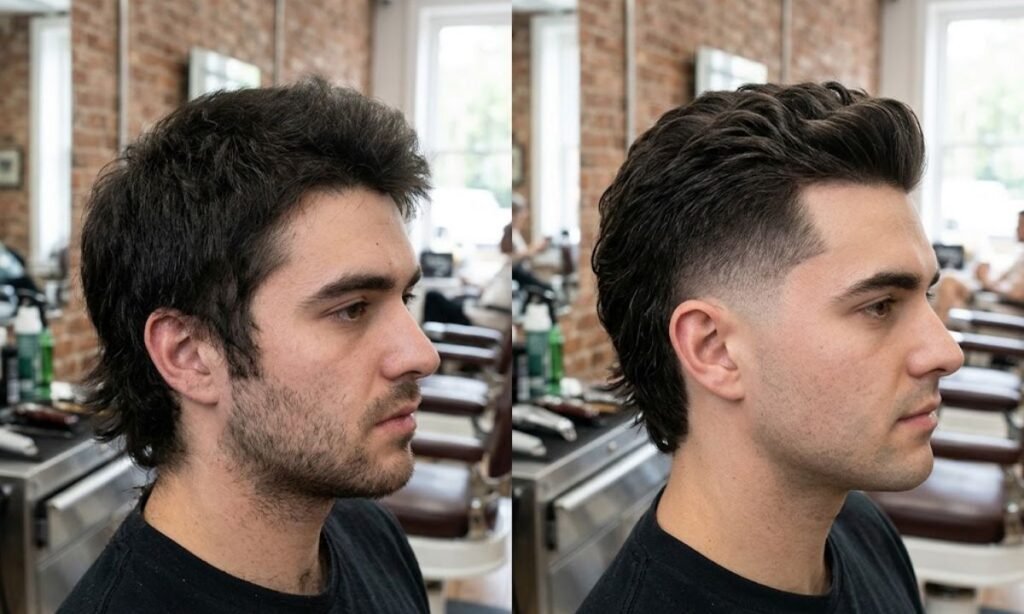
Book a taper refresh every 3 to 4 weeks. That’s usually when the fade starts to blur and the neckline looks fuzzy.
The back grows more slowly, so it can wait.
A full reshape is different. It resets the layers, the crown, and the back length. Plan on one every 8 to 10 weeks, or sooner if you see the shape drifting.
Some people do a mini cleanup between visits. A quick neckline touch up with trimmers can stretch your fade maintenance by another week.
How should you wash, condition, and use heat?

Wash two or three times a week for most hair types. Overwashing leads to dry hair, and underwashing leads to greasy hair. Find the balance that fits your scalp.
Coily and curly hair often needs fewer washes, and fine hair may need more.
Use a hair conditioner after every wash, focusing on the lengths and tips. A leave-in conditioner adds extra protection for the longer back. This is your best defense against split ends and hair breakage prevention.
For heat, always use heat protection spray and keep the dryer moving. Set it to medium instead of high. Hair dryer styling should dry the hair, not cook it.
How do you grow it longer or transition out of it?

If you want a longer mullet, let the back grow while you keep refreshing the sides. That’s called a haircut grow-out, and it takes patience.
Expect about half an inch of growth per month.
If you’re tired of the cut, the exit plan is easy. Let the sides grow for a few weeks while the barber trims the back into a shorter, even shape. You’ll move through an awkward stage, but a good barber can minimize it.
Steady hair regrowth also needs good scalp care. Use gentle shampoo, avoid tight styles, and stay consistent. Your future haircut will thank you.
What can go wrong, and how do you fix it?
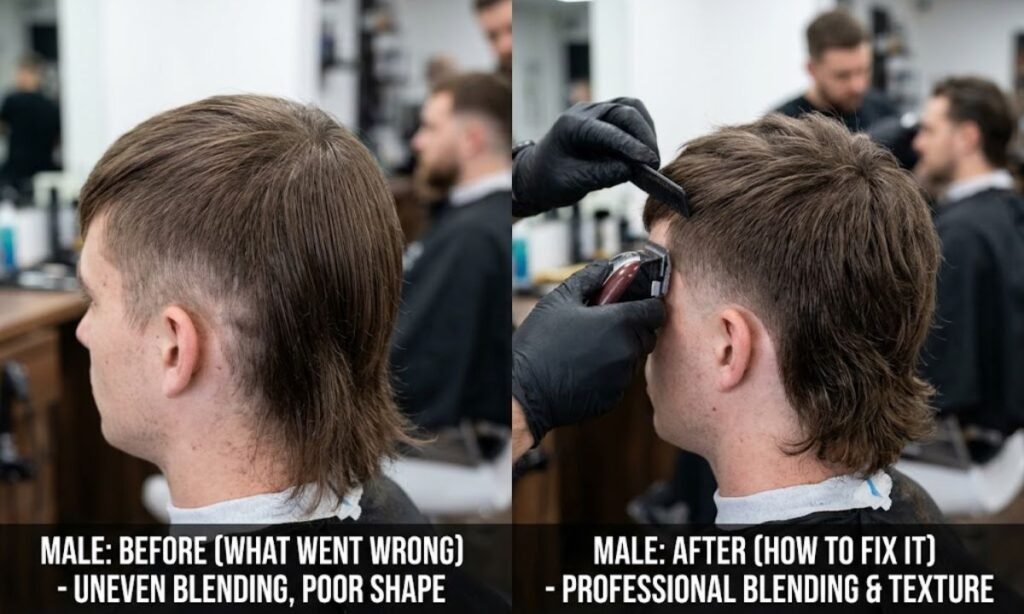
Even great haircuts have off days. Most issues come from small details like product choice, cutting angles, or growth patterns.
The good news is that nearly all of them are fixable.
If something feels wrong, give it two or three days. Hair often relaxes after the first wash, and what looked off might settle.
If it still bugs you, a simple haircut correction visit usually does the job.
The crown looks flat or the sides look like a helmet

A flat crown usually means the layers are too long or the hair is too heavy. Ask your barber to shorten the layers slightly and add texture.
At home, blow dry the roots upward and finish with a root-lifting cream.
A helmet-like silhouette comes from too much side weight. The fix is to take the taper a little higher or soften the blend above it. Remove bulk with point cutting, not heavy thinning.
If you’re stuck between visits, tie the back and use a bit of texture spray on the sides. It helps break up the boxy shape.
The hair looks frizzy, greasy, or crunchy
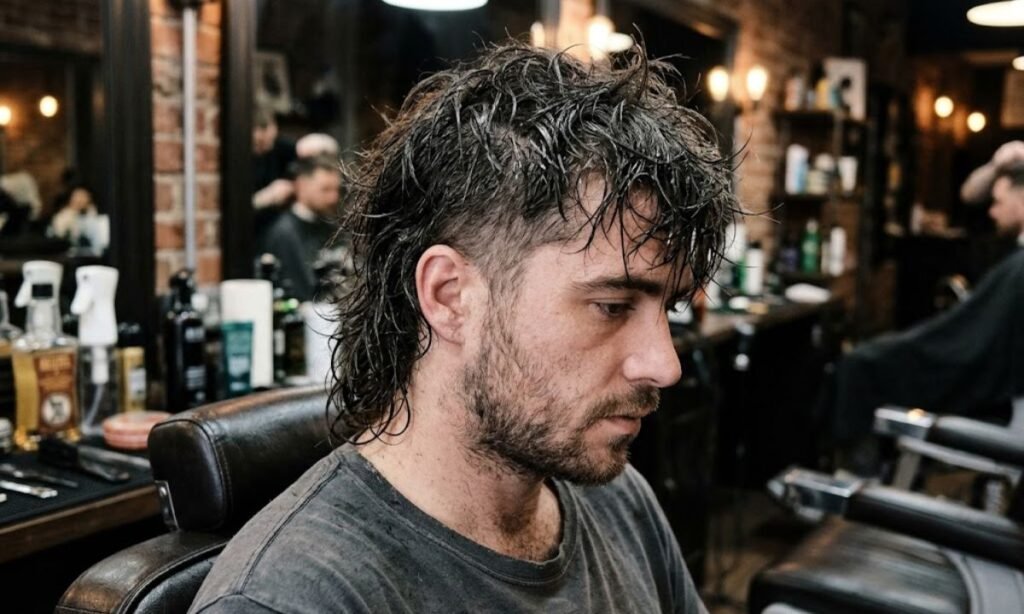
Frizz usually comes from rough towel drying, too much heat, or too little moisture. Switch to a soft cotton tee for drying and add a leave-in spray.
A small amount of frizz control cream will calm the rest.
Greasy hair means too much product or a wash schedule that’s too light. Cut your amount in half and rinse more often.
Crunchy hair comes from strong gels or too much spray. Scrunch gently to break the cast, then use a lightweight styling cream instead.
The fade or overall proportions do not match the reference

Sometimes the haircut looks nothing like your photo. Don’t panic. Different hair textures, density, and head shape can change how a style lands.
Compare the hair proportions before you decide something went wrong.
If the taper height is off, ask for a correction. Barbers can raise a fade, but lowering one means waiting for regrowth. That’s why checking before the final pass is so important.
Remember that a haircut shifts after a few days. Give it a bit of time, then book a quick fix if needed.
What are the best alternatives if this cut is not the right fit?
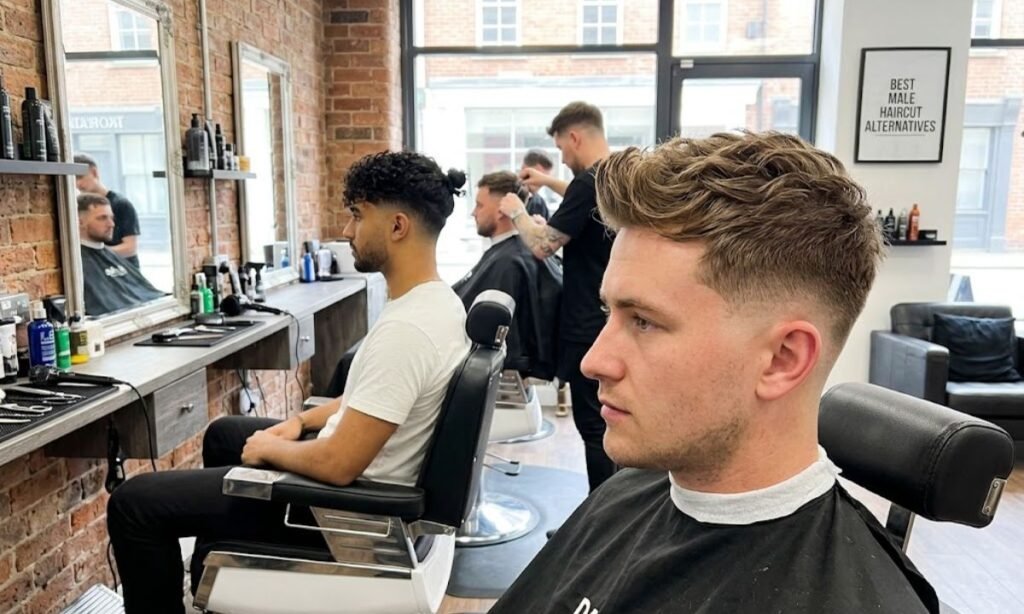
A mullet isn’t for everyone, and that’s fine. If the shape doesn’t match your hair or lifestyle, you’ve got plenty of haircut alternatives that keep a similar vibe.
Here are a few worth asking about.
A low taper fade with a textured top keeps the clean edges and skips the long back. A mid fade with a medium crop is great for tight dress codes. A wolf cut gives you the layered, shaggy feel without any fade at all.
If you want the best of both, ask for a taper fade with long hair on top and a tidy, medium-length back. It gives you flow without the full mullet silhouette.
You can also checkout this article as well: Different Kinds of Fades Haircut, Answered Fast
Frequently asked questions about the mid taper fade mullet

Is a mid taper fade mullet good for thin hair?
Yes, with care. Use a longer guard number on the sides, avoid heavy thinning, and pick a matte finish product to add body.
How long does the back need to be?
About 3 to 4 inches is enough for a short version. Longer styles need 6 inches or more. Your hair texture will change how long it looks.
How often should I get a trim?
A taper refresh every 3 to 4 weeks works for most people. A full reshape every 8 to 10 weeks keeps the layers balanced.
Can I get this cut with curly or coily hair?
Absolutely. A curly mullet or coily hair mullet looks great with a mid taper. Ask your barber to cut dry and plan for hair shrinkage.
Will it look okay at work or school?
Often yes. Choose a soft mullet or short textured mullet and check your workplace dress code or school dress code first.
What products should I buy first?
Start with a lightweight styling cream or matte clay, a wide-tooth comb, and a heat protection spray. Add extras only if you need them.
Does it work with a receding hairline?
It can. A longer fringe length and a higher taper height often balance things. Talk it through during your haircut consultation.
How do I stop razor bumps on the neckline?
Avoid close razor passes, use clippers, and follow gentle shaving guidance from the American Academy of Dermatology (AAD) if you do shave.
Final Thoughts
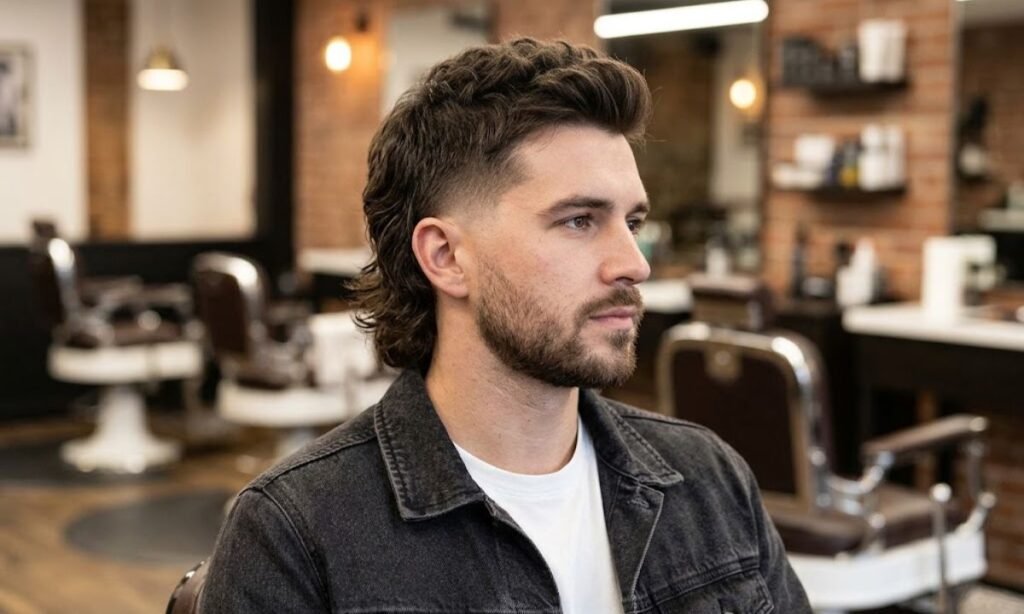
The mid taper fade mullet works because it balances tidy and wild. Clean sides frame the face, and a long back adds attitude. With the right barber instructions, it’s easier to wear than most people expect.
Pick your taper height, match it to your hair texture, and choose a guarded finish or skin finish that fits your life.
Take reference images to your next barber appointment, say the exact words, and check the result in the mirror. Then keep up a simple routine of washing, conditioning, and styling.
A small bit of fade maintenance keeps everything looking sharp.
Have you tried this cut, or are you thinking about it? Drop a comment with your hair type and your biggest worry, and share this guide with a friend who’s been eyeing a mullet.
We’ll keep this post fresh, so check back for updates.

I’m Michael Charles, the creator of MegaCrazes—your source for fresh hairstyles, sharp haircuts, and simple hair-care inspiration. Find your style. Own your look.