

Updated October 2026
Quick answer
Not sure which design suits your head? Worried your barber will leave the lines patchy?
You’re not alone, and the fix is simpler than you think.
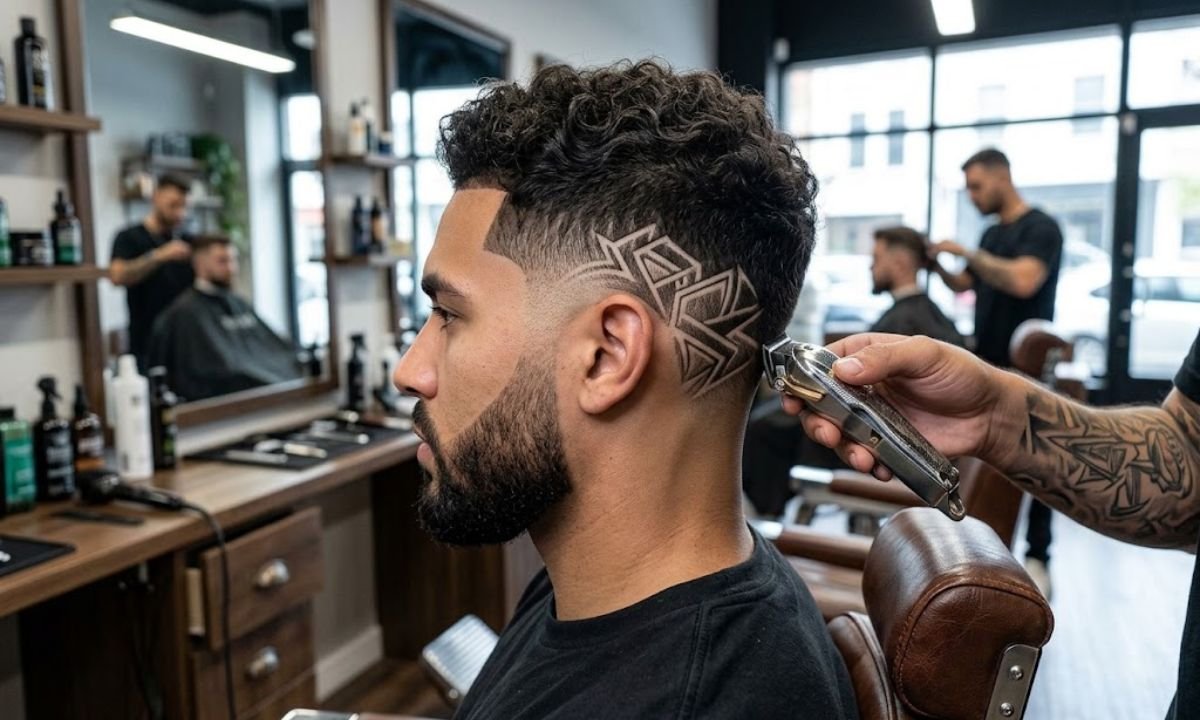
A low taper fade with design is a low taper fade haircut with a shaved line, curve, or pattern added on top. The fade stays soft near the ears and neckline.
The design adds the personality.
For most people, a low taper with single line or a V-shaped neckline is the safest pick. Both look sharp, grow out cleanly, and work for school and work.
Bolder picks like lightning or geometric lines need a skilled barber and more upkeep.
Below, you’ll find ten creative designs, tips for every hair type and face shape, and a simple script for your barber. Read it once, screenshot your favorite, and walk in with confidence.
Got questions along the way? Drop them in the comments.
What Is a Low Taper Fade With Design?
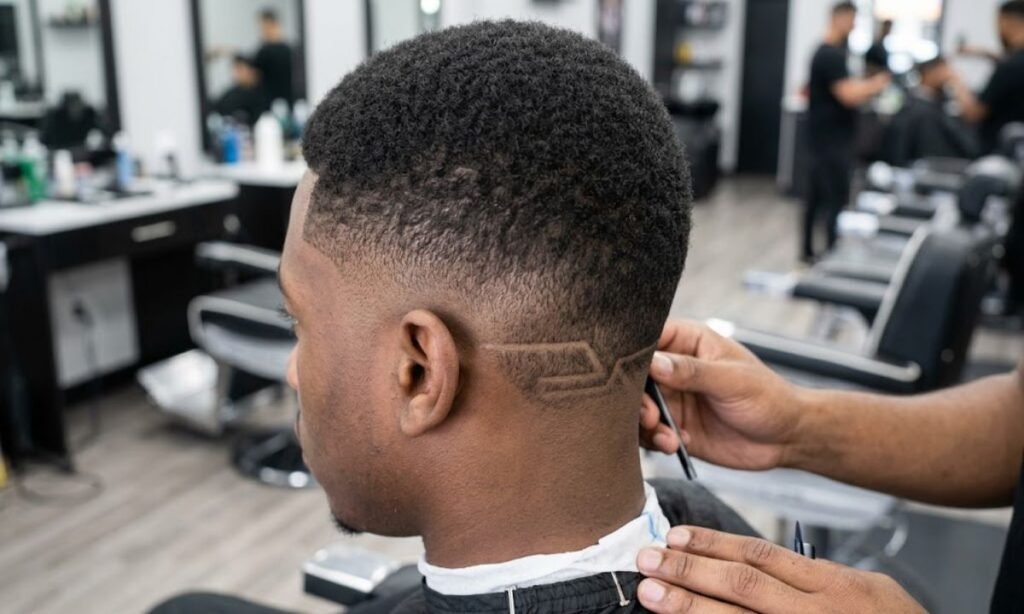
A low taper fade starts its fade low, just above the ears and around the nape. The hair above that stays longer and blends down gradually.
It’s the quietest of the fade family, which makes it a great canvas.
The design is a shaved pattern cut into the hair with a trimmer or razor. It can be one thin line, a curve, a zigzag, or a full custom barber design.
Barbers usually place it near the temple, side, or back.
Think of the fade as a frame and the design as the picture. A clean frame makes any picture look better.
That’s why clean tapered sides matter before any line goes in.
Why It’s Popular in 2026

People want a cut that looks sharp but doesn’t scream for attention. The low taper fade for men does exactly that.
Add a subtle design and you get detail without losing that polished feel.
Social media pushed this hard too. Short videos show barber line designs taking shape in minutes, and everyone wants a version.
Teens love the creativity, and adults like how professional it still looks.
It also suits more hair types than high fades do. Curly, wavy, straight, and thick hair all take a low taper well.
That flexibility keeps it near the top of low taper fade with design trends in 2026.
Best Low Taper Fade With Design Ideas for Men and Boys
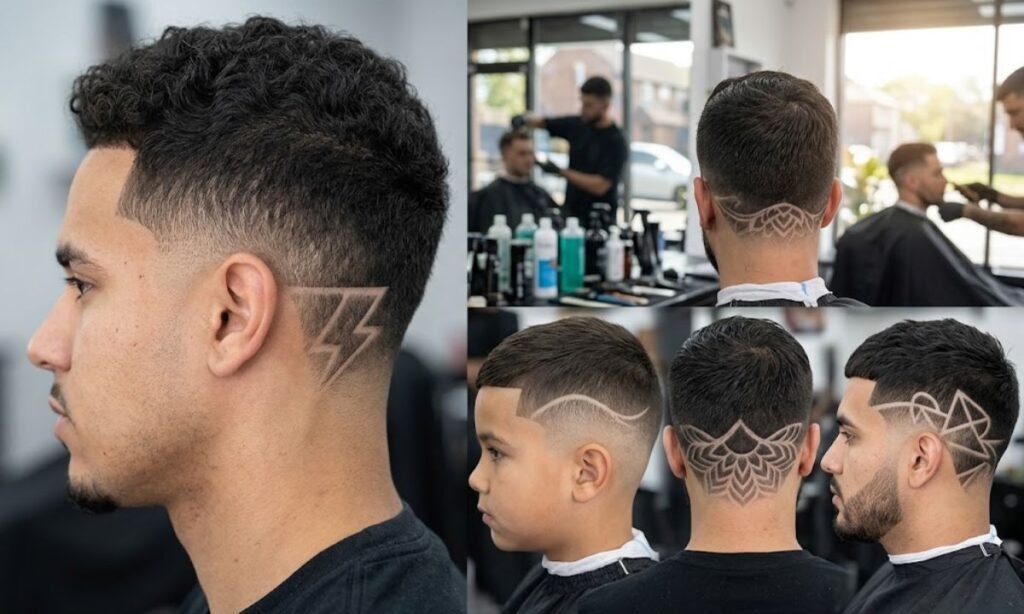
Start with what you’ll actually wear. A single shaved line above the ear is the easiest first step for men, while a freestyle side design suits those who want more.
Pick one focal point instead of stacking three ideas.
For boys, keep it simple and age appropriate. A low taper fade for boys with a thin line or a small curve looks neat and grows out without drama.
Parents usually prefer designs that stay tidy for two or three weeks.
Here’s a quick cheat sheet:
- Men: double lines, V-shaped neckline, geometric patterns
- Boys: single line, curved line, small star
- Teens: zigzag, lightning, freestyle designs
You can mix and match, but start small. You can always add detail at the next visit.
Simple Line Designs for a Clean Look
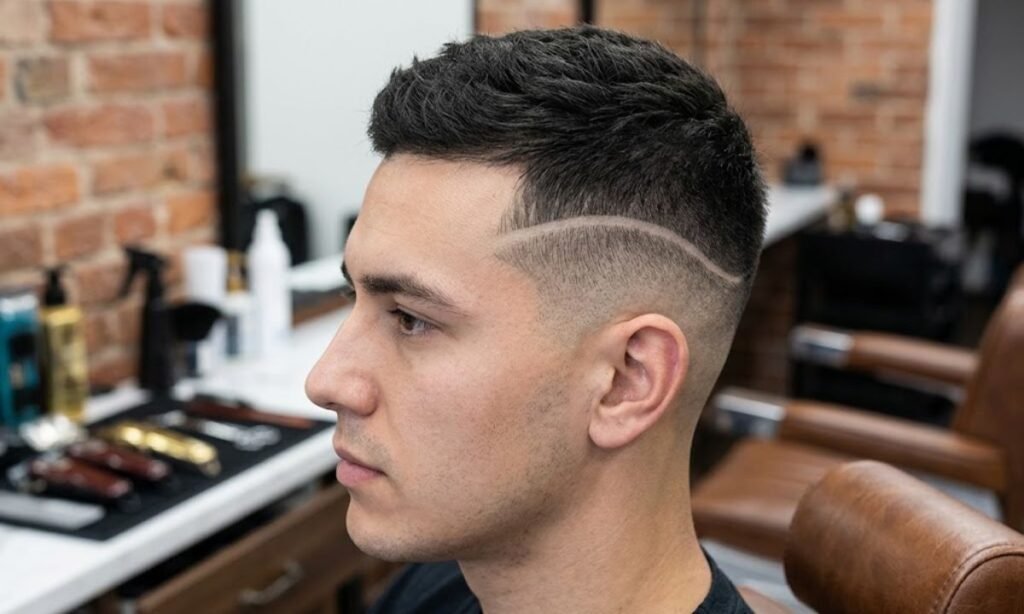
Line work is the easiest way into men’s haircut designs. A low fade with shaved lines needs only one or two precise strokes.
That’s why beginners and low taper fade designs for school and work lean on it.
The low taper with single line sits just above the ear and follows the fade’s curve. A low taper with double line adds a second parallel stroke for extra edge.
A low taper with diagonal line cuts across the side for a modern twist.
Sharp lines depend on the edge-up beneath them. Ask your barber to clean the natural hairline first, then cut the design.
That order keeps everything crisp.
Back and Neckline Design Ideas

Your neckline gets seen every time you walk away. A good neckline hair design makes the whole haircut look finished.
It’s also the part friends notice first in photos.
Three popular options: a V-shaped nape haircut, a curved neckline haircut, and a squared blocked nape. The V looks sharp on thin necks, and the curve feels softer.
A low taper with back design can add a small line or shape right above the nape.
Keep in mind that necklines grow out fastest. Within a week you’ll see stubble, and the shape starts to blur.
A quick neck clean-up between visits keeps it neat.
Low Taper Fade With Design for Curly, Wavy, and Straight Hair
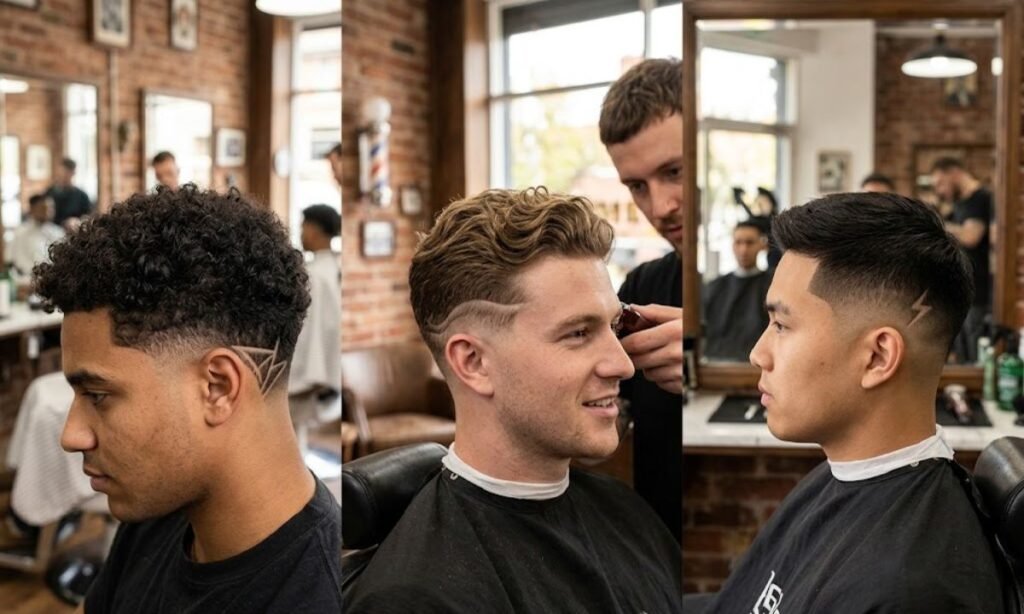
Hair texture changes how a design shows up. Hair texture and fade design are linked, because curls hide fine detail while straight hair shows every move.
Knowing yours helps you pick a pattern that actually reads.
Density matters too. Hair density and haircut design work together, so thick hair holds bold lines and thin hair prefers subtle ones.
Let’s go type by type.
Curly Hair

A low taper fade curly hair look keeps the volume on top while the sides stay clean. The contrast shows off the curls beautifully.
Simple designs read best here, like a single line or a curved edge.
Very tight patterns can get lost in the curl. Ask your barber to cut the design a bit deeper so it holds up.
Show a reference photo from someone with similar curls.
Wavy Hair

Wavy hair is forgiving, and a low taper fade wavy hair cut flatters almost every design. Medium detail like a low taper with curved line or a zigzag looks great.
The waves add movement above the clean sides.
Style matters here. A light texture cream keeps waves defined without weighing them down.
Avoid heavy gel, which can flatten the shape.
Straight Hair

Straight hair shows every flaw, which works both ways. A low taper fade straight hair cut with sharp geometric lines looks precise and intentional.
But a wobbly line is impossible to hide.
Choose a barber known for detail work. Straight hair rewards steady hands.
If you’re nervous, start with a subtle design.
Coily or Thick Hair

Coily hair is a dream for shaved hair patterns. A low taper fade coily hair cut holds bold designs, deep lines, and sharp fade lines very well.
Thick strands give the barber more to carve with.
Low taper fade thick hair also suits bold design choices. Think double lines, cross shapes, or abstract art.
Just plan for weekly touch-ups because growth shows quickly.
Fine Hair

Fine hair needs a lighter hand. A low taper fade fine hair style works best with thin lines, small shapes, or a low taper with hairline design.
Heavy patterns can make thin areas look sparse.
Leave a little extra length on top to add visual weight. That balances the clean sides nicely.
Texture powder can add body without bulk.
Low Taper Fade With Design for Different Face Shapes
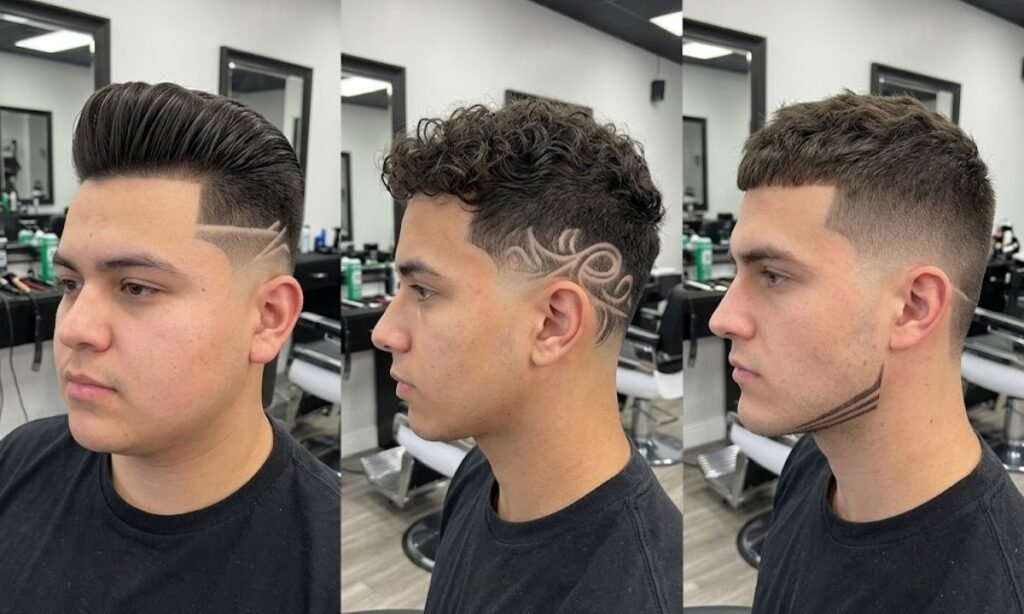
Face shape guides where the eye lands. Haircut design for different face shapes is about balance, adding width where you need it and length where you don’t.
It’s a small step that changes the whole look.
Here’s the quick match-up:
- Round face: angled lines, V-shaped neckline, height on top
- Oval face: almost anything, especially symmetrical designs
- Square face: curved lines to soften sharp corners
- Long face: horizontal or side designs, less height on top
- Heart-shaped face: simple lines near the temple and a clean nape
Treat these as starting points. If you love a design that doesn’t match, ask your barber how to adjust it.
A small tweak often solves the problem.
Where to Place a Design on a Low Taper Fade

Haircut design placement changes everything. A design at the temple draws attention to your eyes, while a low taper behind the ear design feels more private.
The side is the most popular spot because it’s visible from the front.
For a low taper with temple design, keep shapes small so they don’t crowd the hairline. For the back, pick something that follows the neckline.
Symmetry matters more than size.
If you’re unsure, mark the spot with a finger and look in the mirror. Move it until it feels balanced.
Your barber will appreciate the guidance.
How to Choose a Low Taper Fade Design

Ask three questions first. Where do I wear this haircut, how much upkeep can I handle, and what do I want people to notice?
The answers narrow your options fast.
A student might pick a simple low taper fade design that stays school friendly. A creative professional might go for a low taper with custom design that shows personality.
Both are right for their situation.
Also compare simple versus bold. Simple designs forgive mistakes, while bold designs reward precision.
If it’s your first time, go simple.
Creative Low Taper Fade Designs to Try in 2026
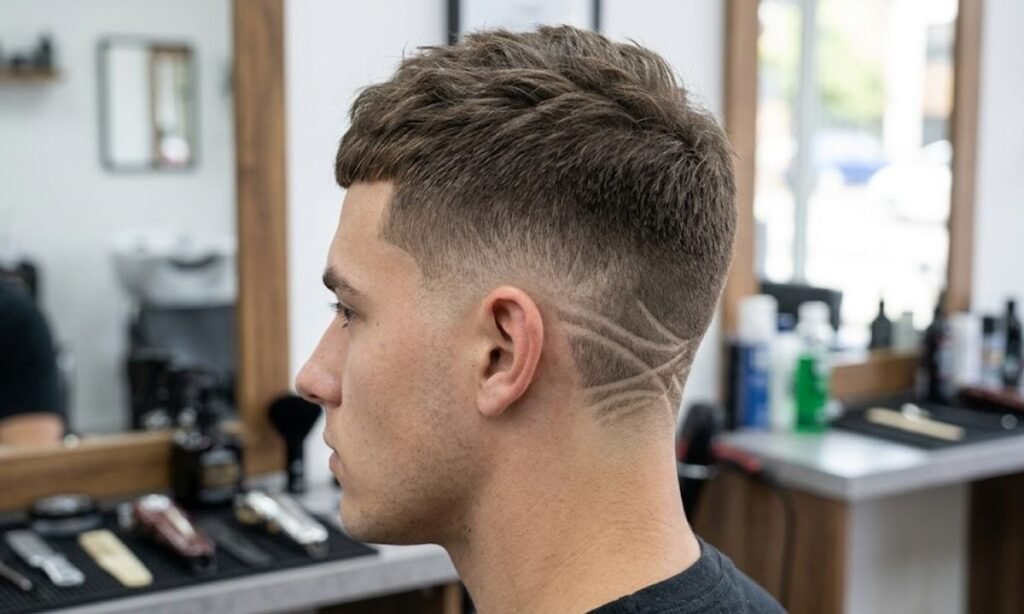
Ready for ideas? These ten low taper fade design ideas range from subtle to loud.
Pick the one that feels like you.
Each one works as a low taper fade with design on its own. Many can also be combined with a low taper with symmetrical design layout for a balanced look.
Let’s dive in.
1. Low Taper Razor Design

The razor design uses a straight razor to cut a thin, crisp line. It’s the cleanest option you can get.
This is a low taper haircut with shaved line in its purest form.
It works on most hair types and looks great for beginners. Just keep it above the ear and follow the fade.
Upkeep is simple.
2. Low Taper Geometric Lines

Geometric haircut patterns use angles, triangles, and parallel strokes. They look modern and deliberate.
Straight or thick hair holds them best.
This style needs a barber with a steady hand and good clippers. Expect longer chair time.
The payoff is a head-turning cut.
3. Low Taper Star Design

A small star near the temple is playful and popular with teens. It’s easy to recognize even from a distance.
Keep it modest so it doesn’t look cartoonish.
Stars work well on thick hair where the edges stay sharp. On fine hair, make it smaller.
Touch it up every two weeks.
4. Low Taper V-Shaped Design

A low taper with V-shaped neckline looks great from behind. The point draws the eye down and makes the back look tidy.
It’s a favorite for work settings.
The V needs a clean center. Ask your barber to mark it before cutting.
Beards and necks both look better with it.
5. Low Taper Double Lines
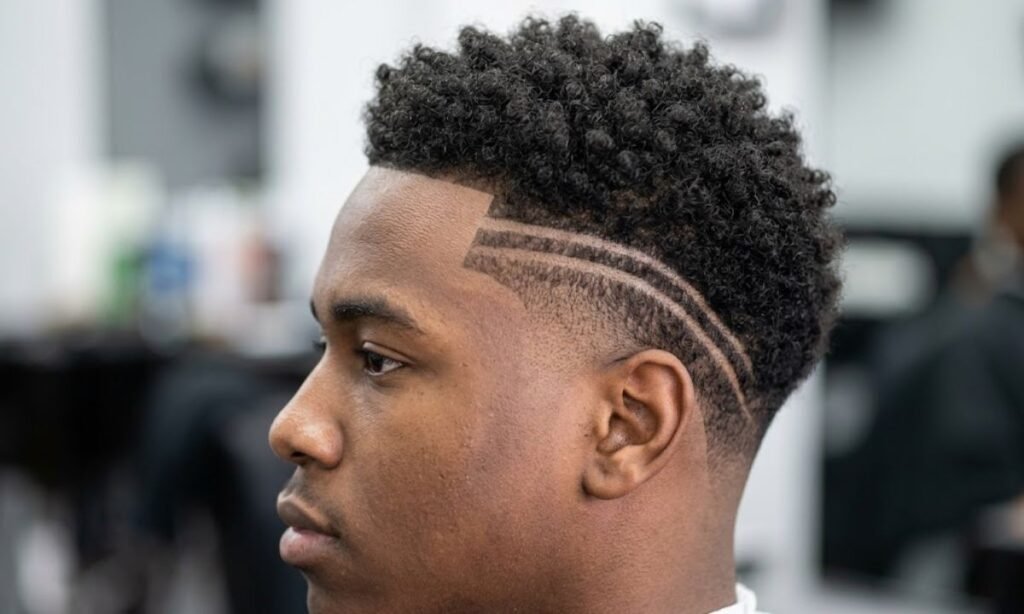
Two parallel lines create a layered, sporty look. This is the classic low taper fade with double lines choice.
It reads bold but stays organized.
Space the lines evenly, usually a finger width apart. Uneven gaps look sloppy.
Weekly tidy-ups keep it sharp.
6. Low Taper Lightning Design
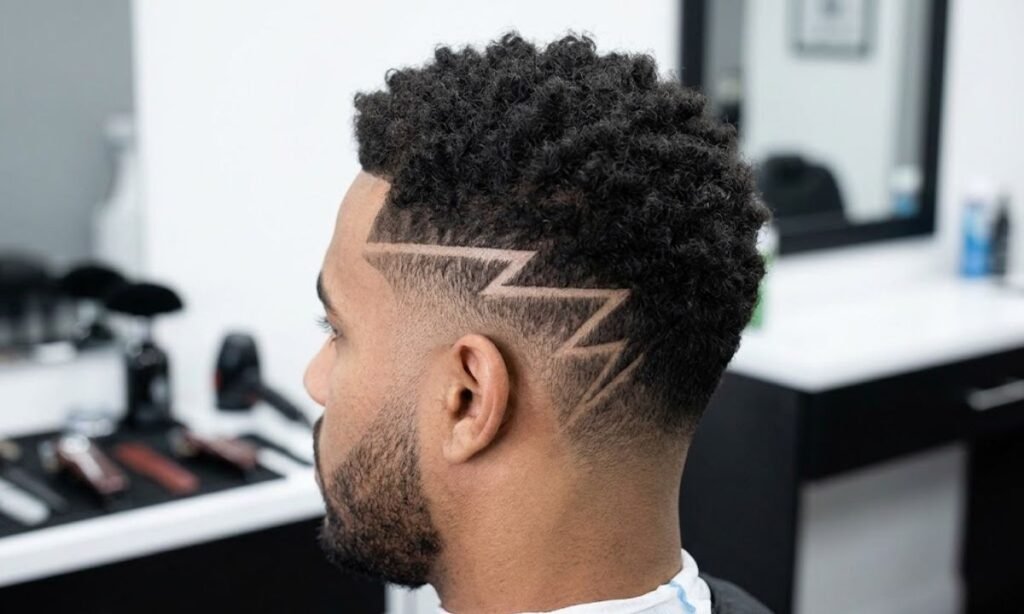
The low taper with lightning design adds energy and movement. A jagged bolt near the side makes a statement.
It’s a hit with younger crowds.
It needs precise corners and a confident barber. Show a photo so the angles match what you expect.
Expect to refresh it every ten days.
7. Low Taper Tribal Patterns
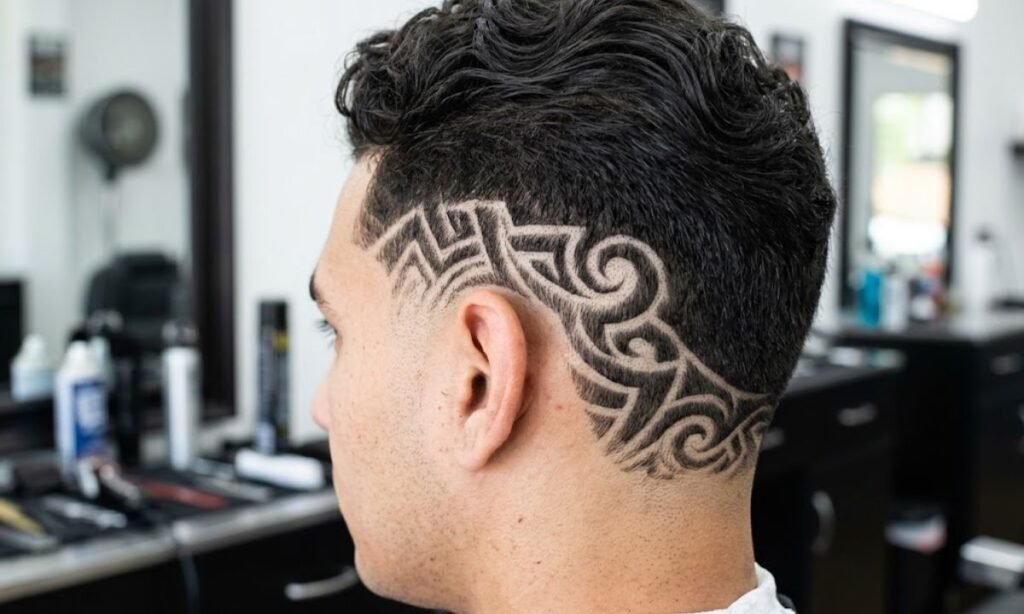
Tribal patterns use curves, spirals, and bold strokes inspired by traditional art. Research the meaning before you choose one.
Respect for the culture behind it matters.
These designs suit coily and thick hair especially well. Deep lines show up clearly.
Talk to your barber about size and placement.
8. Low Taper Curved Design

A low taper with curved line follows the shape of your head. It feels smooth and softer than angular designs.
It pairs well with square faces.
Curves are harder to make symmetrical than straight lines. Choose a barber who’s done them before.
A quick photo check mid-cut helps.
9. Low Taper Cross Design
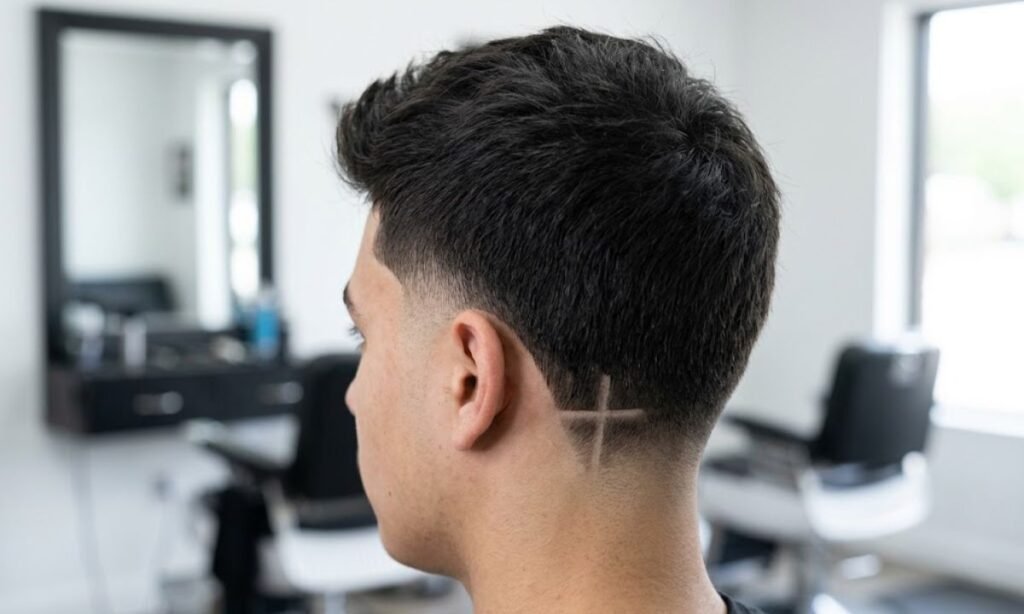
A small cross near the temple or back is a popular freestyle haircut design. Keep the arms equal for a balanced look.
Size depends on how bold you want to be.
Thin hair needs a smaller cross, while thick hair holds a bigger one. Test the placement first with a trimmer outline.
You can adjust before the final cut.
10. Low Taper Abstract Art

Low taper with freestyle design gives your barber creative room. Swirls, slashes, and random shapes combine into something unique.
This is where a skilled barber shines.
Share a mood or theme and let them interpret it. That often beats a rigid reference.
Just make sure you trust their portfolio.
Low Taper Fade Designs for School and Work
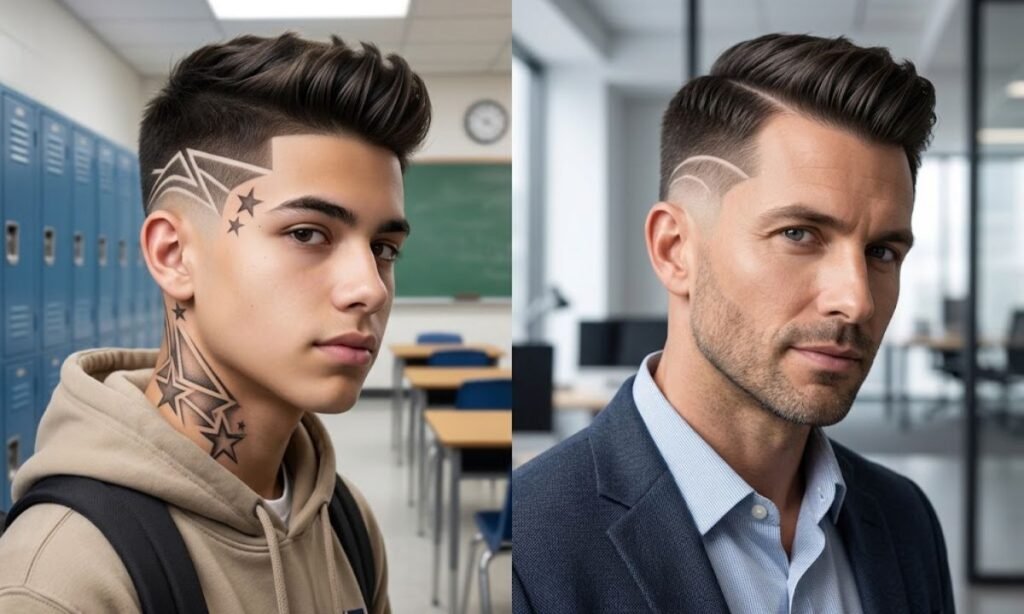
Most schools and offices accept clean, subtle designs. A low taper fade for school with a thin line is usually fine, but check the dress code first.
It saves an awkward Monday morning.
Is a professional low taper haircut with design possible? Yes. Keep it neat, keep the lines thin, and avoid anything that reads as loud.
A V-shaped nape or a single line looks polished in meetings.
For teens, choose something that grows out nicely over holidays. A low taper fade for teens with a simple curve works in most settings.
Save the bold lightning for weekends.
How to Ask Your Barber for a Low Taper Fade With Design
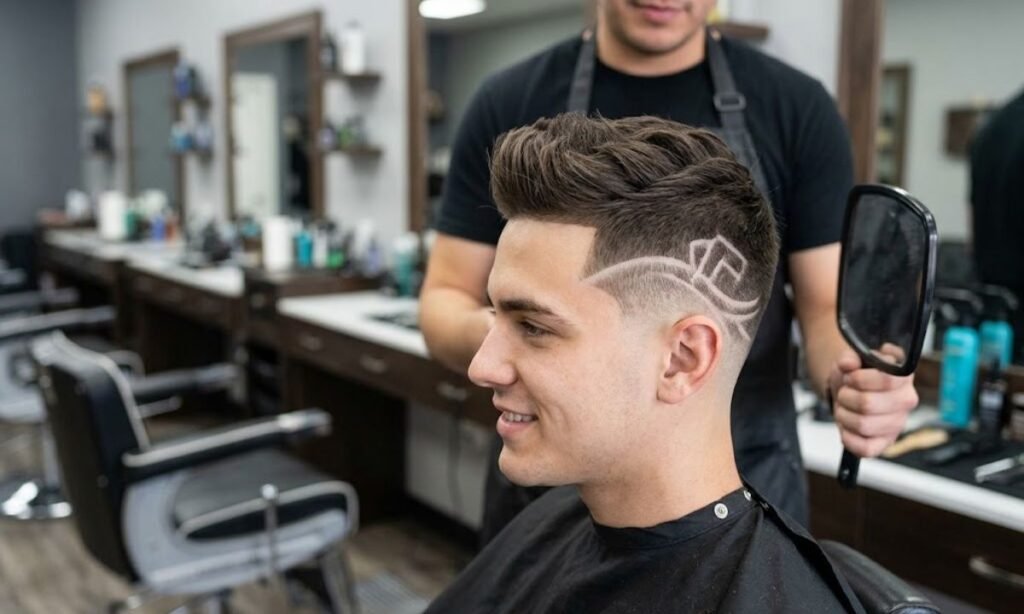
Start with the fade, then add the design. Say, I’d like a low taper fade, blended around the ears and nape.
Then describe the design in plain words.
Be specific about guard lengths and placement. For example, tell them you want a thin line above the right ear, following the fade.
The clearer you are, the fewer surprises you get.
Use haircut reference photos whenever you can. A picture beats ten sentences.
Also ask whether your hair type can hold the design.
Reference Photos That Work
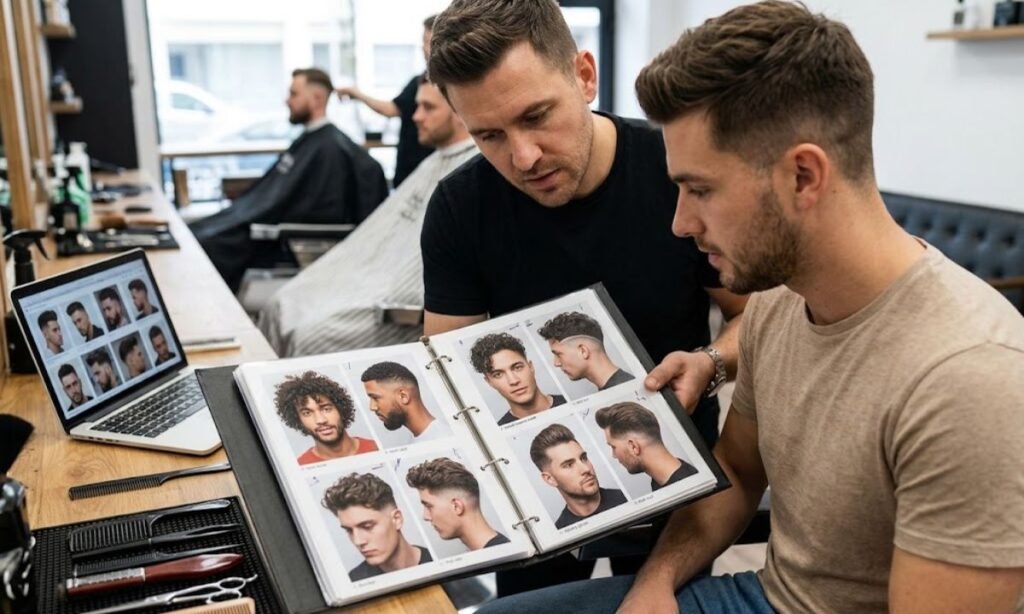
Pick photos from several angles. Side, back, and front views help your barber see the full shape.
Choose people with a similar hair texture.
Avoid heavily filtered images. Filters can hide uneven edges and mislead you.
If the photo shows a different hair type, tell your barber so.
How to Choose a Barber for Detailed Hair Designs
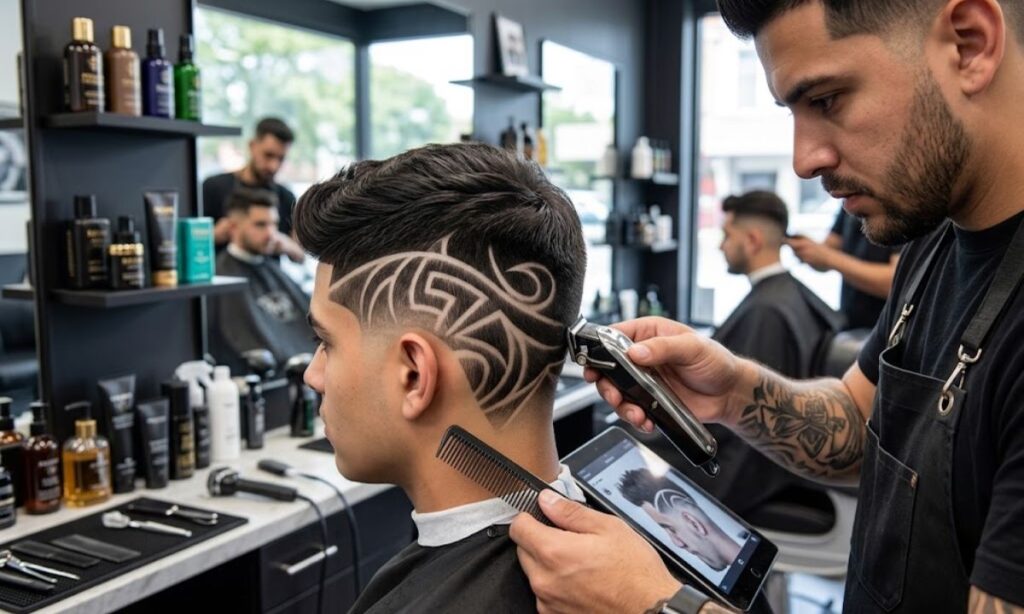
Look at portfolios, not just reviews. Instagram pages and shop galleries show real barber design techniques in action.
Sharp lines in photos signal skill.
Book a consultation if you want something complex. Many barbers will sketch your idea first.
That step prevents a lot of regret.
Ask how long the cut will take and what it costs. A custom barber designs session often needs extra time.
Good barbers appreciate the questions.
Maintenance and Styling Tips

Haircut design maintenance is the secret to a lasting look. Plan a quick trim every one to two weeks if you want sharp fade lines.
That’s the usual low taper fade trim frequency for detailed cuts.
At home, keep low taper fade upkeep simple. Wash gently, moisturize your scalp, and avoid scratching the lines.
A soft brush helps keep waves neat.
For haircut styling products, use lightweight options. Cream or matte clay works for most hair types, and oil works for coily textures.
Avoid heavy gels that clog the shaved lines.
How Long Does a Design Last?
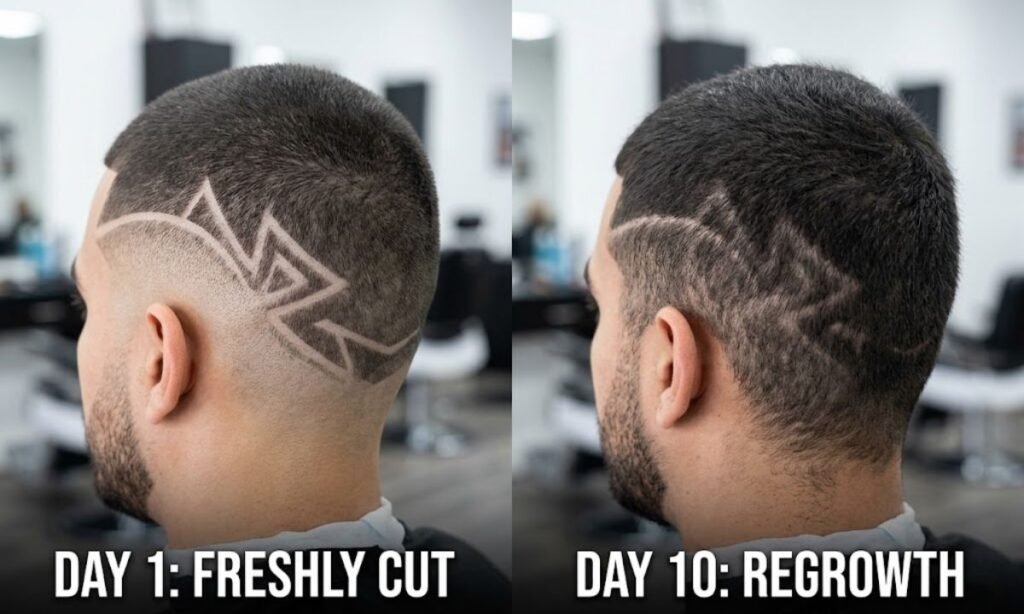
A shaved design stays crisp for about one week. By two weeks, it starts to blur.
By three, you’ll want a refresh.
A low taper fade maintenance schedule of every two weeks is realistic for most. Short hair grows slowly, but dark hair shows regrowth faster.
Plan accordingly.
Grow-Out and Touch-Ups
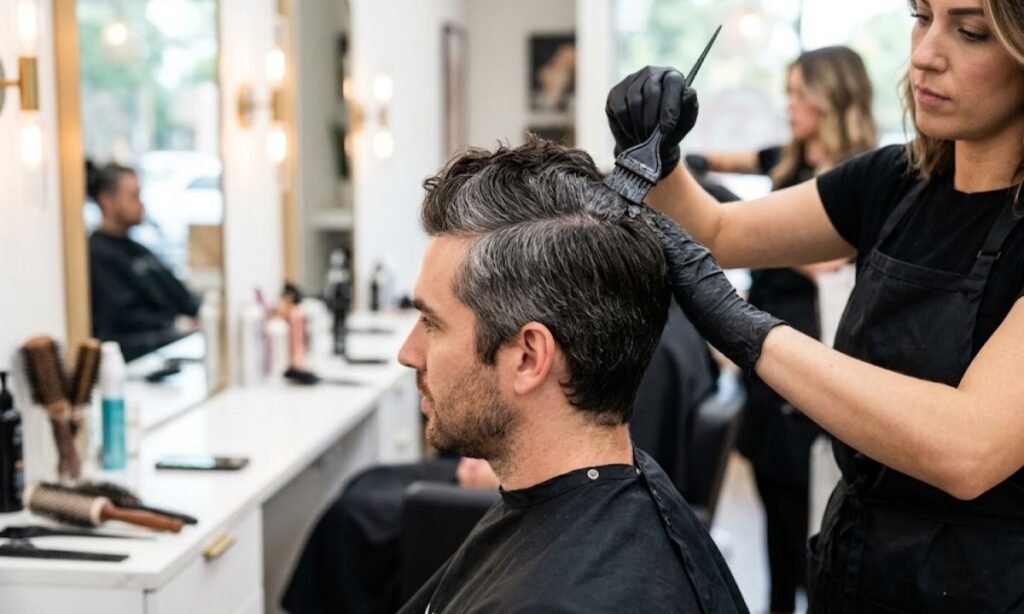
The haircut design grow-out phase can look messy if you ignore it. Get a quick touch-up as soon as the lines fade.
It’s cheaper than a full redo.
If you want to change styles, ask your barber to blend the old design into a plain fade. That avoids a patchy period.
Patience pays off.
How Much Does a Low Taper Fade With Design Cost?
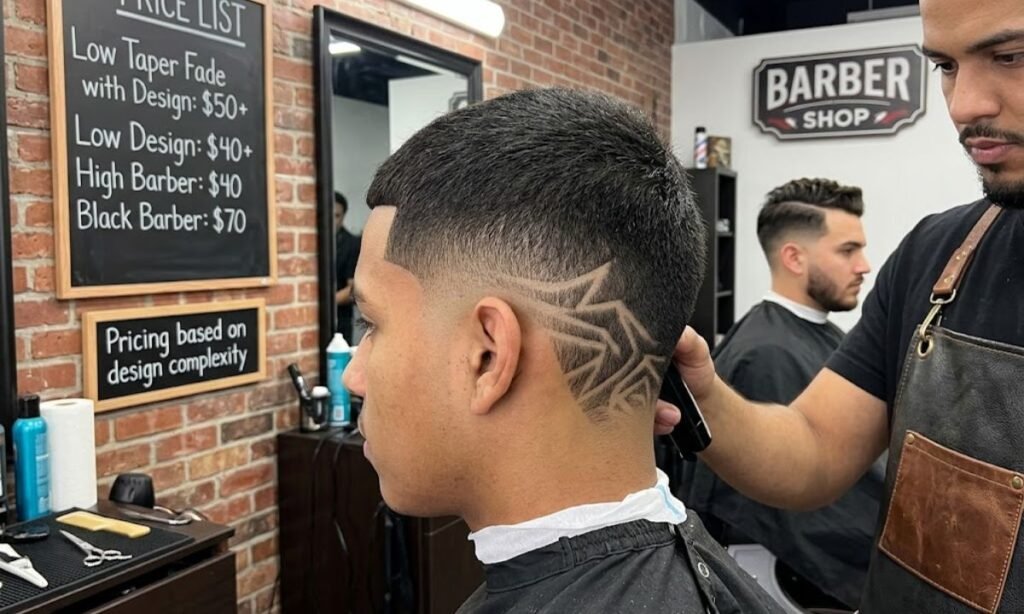
Prices vary by city, shop, and barber skill. A simple design usually adds a modest amount to a standard fade, while detailed work costs more.
Always ask for a quote first.
The haircut design cost often depends on time. Single lines are quick, but abstract art or geometric patterns can take much longer.
Experienced barbers charge more for that skill.
Tipping is common, so budget for it. Regular visits sometimes earn loyalty discounts.
It’s worth asking.
Common Mistakes to Avoid With Haircut Designs

The biggest mistake is choosing a design that doesn’t match your hair. Bold shapes on fine hair look weak.
Match design to hair texture and density.
Here are others to dodge:
- Going too complex on your first visit
- Skipping the reference photo
- Choosing a barber based only on price
- Ignoring dress codes
- Forgetting touch-ups
To avoid uneven haircut designs, ask your barber to check symmetry from the front and back. That simple step catches most flaws.
It also prevents a patchy look.
You can also checkout this article as well Low Taper Fade Straight Hair Boys: Best Styles, Tips & Barber Guide
FAQs About Low Taper Fade With Design
Is a low taper fade with design professional?
Yes, if you keep it neat and subtle. Thin lines and V-shaped napes work well in offices.
Is it suitable for school?
Usually, yes. Check your school’s dress code first, and pick a simple design.
Which design is best for beginners?
A single shaved line. It’s easy, clean, and grows out gracefully.
How often should I maintain it?
Every one to two weeks for sharp lines. Every two to three weeks if you’re relaxed about it.
How do I prevent a patchy design?
Use a skilled barber, avoid heavy products, and keep hair clean. Regular touch-ups help too.
How do I keep it fresh?
Moisturize your scalp, trim the neckline weekly, and avoid scratching. Small habits keep lines sharp.
What’s the best neckline design?
A V-shaped or curved nape works for most people. Pick based on your neck and hair growth.
What will I pay?
It varies, so ask your barber for a quote. Complex designs cost more.
Key Takeaways
- A low taper fade with design gives you a clean fade plus personality.
- Start with a simple line, then build up to bolder patterns.
- Match designs to your hair texture, density, and face shape.
- Bring reference photos and talk through placement with your barber.
- Plan trims every one to two weeks for sharp lines.
- Lightweight products protect your shaved patterns.
Your Turn
Which design caught your eye? Tell us in the comments.
We’d love to hear what your barber came up with.
If this guide helped, share it with a friend who’s due for a haircut. And check back, because we update this page as 2026 trends change.
See you in the chair.

I’m Michael Charles, the creator of MegaCrazes—your source for fresh hairstyles, sharp haircuts, and simple hair-care inspiration. Find your style. Own your look.
1 thought on “Low Taper Fade With Design: Best Haircut Ideas, Styles, and Barber Tips for 2026”