

Updated October 2026
Will a barber trim your locs by accident? Will the cut look sharp or just thin? Those worries are fair, and most people with a dreadlocks haircut have felt them.
Here’s the good news. A low taper fade with locs can keep every inch of length and still look crisp. This guide shows you the styles, the words to use in the chair, and the care that keeps it fresh.
Quick answer
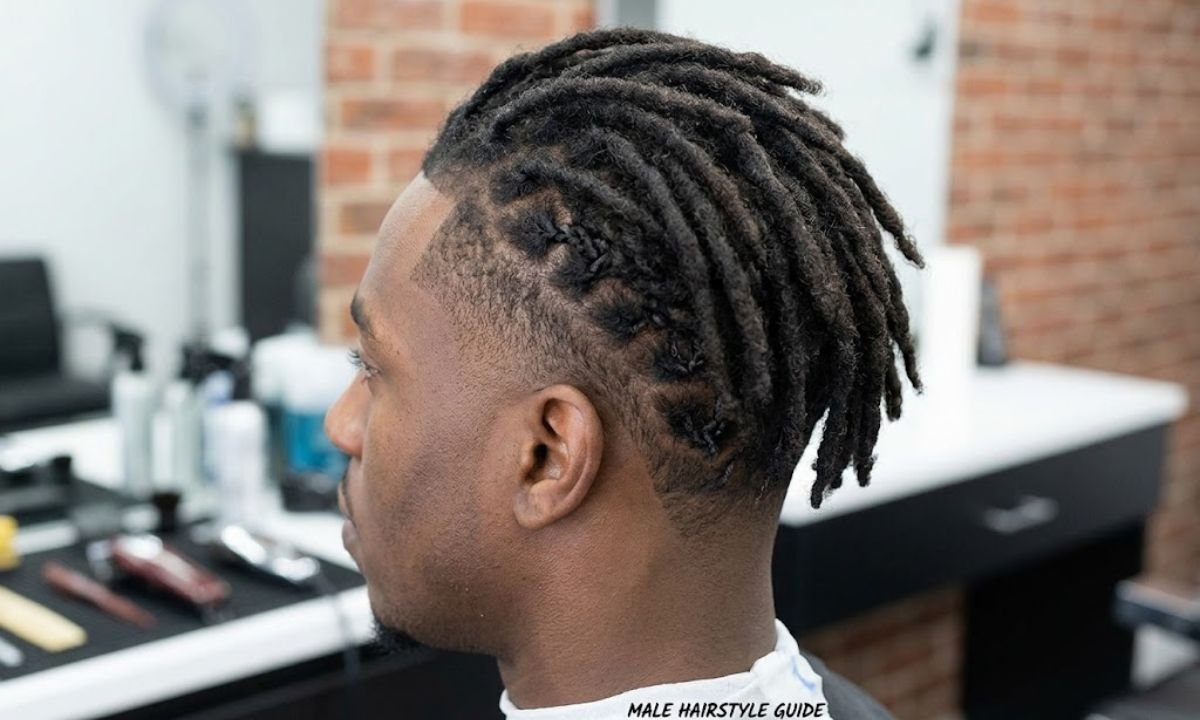
Low taper fade dreads mean short, neat edges around the temples and nape, with your locs left at full length. You get a clean perimeter without a big haircut.
Ask for a low taper, name the taper endpoint, and tell your barber to stay off your loc bases. Plan a taper touch-up every two to four weeks.
That’s the short version. Keep reading if you want the styles, the barber script, and the mistakes to dodge.
What are low taper fade dreads?
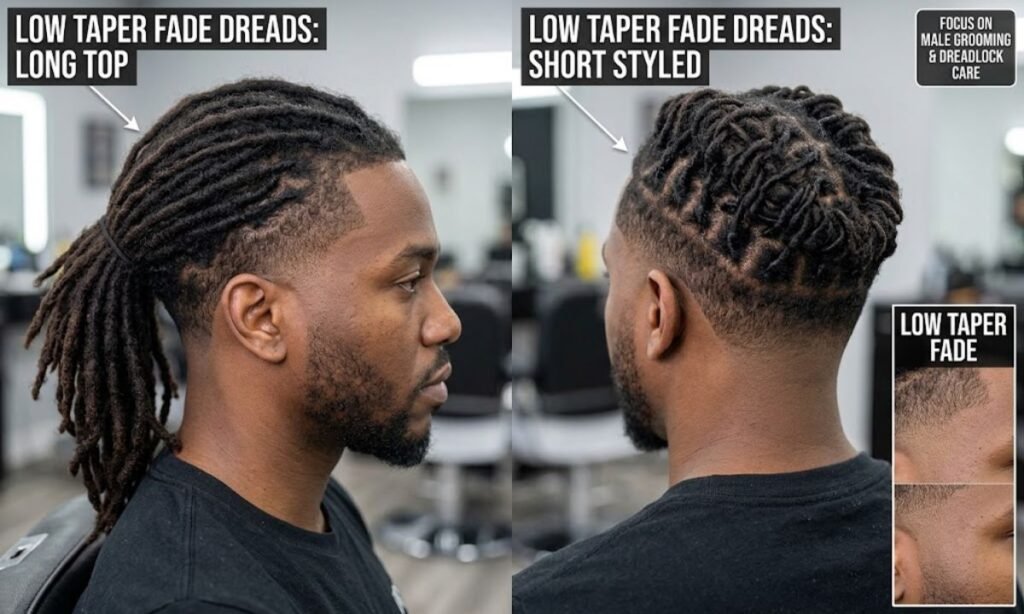
A low taper fade with dreads shortens the hair only at the edges. Think sideburns, the area around the ears, and the back of the neck.
Everything above that stays long. The result looks like a low taper fade haircut wearing locs on top, and it’s one of the most popular modern men’s hairstyles for good reason.
You’ll also hear it called low taper dreads or a taper fade with locs. The names change, but the idea doesn’t.
How the taper and the locs fit together
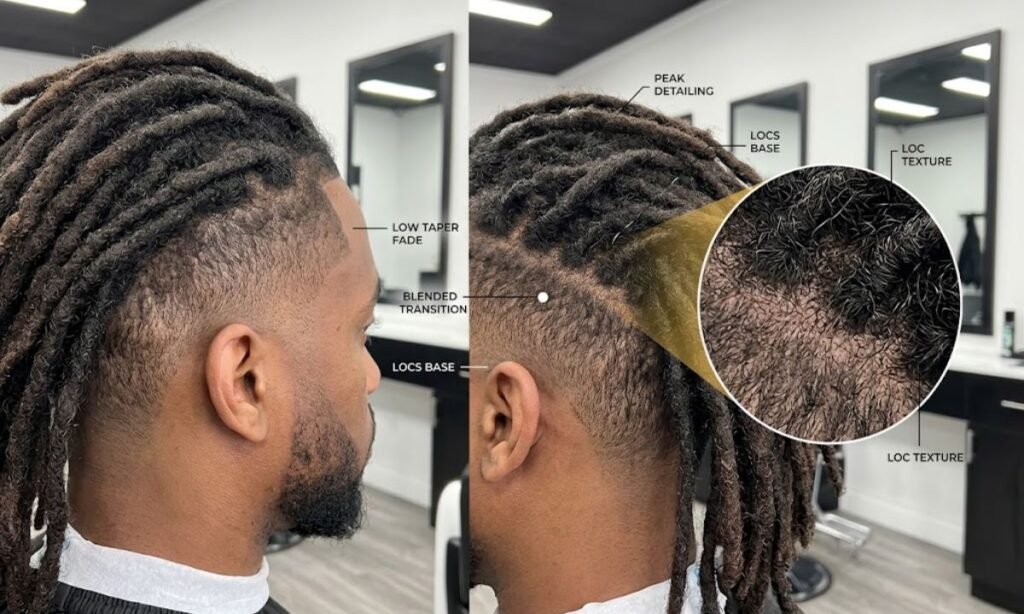
The taper works on the hair that sits outside your main loc mass. That’s the thin band along the hairline where short hairs hang around.
The locs sit above it, so the barber is cleaning up the perimeter without cutting locs. A good barber blends downward from the loc edge, not into it.
Picture a picture frame. The taper is the clean mat around the photo, and your locs are the photo. You want the mat tidy without trimming the picture.
Who the style is best suited to

This cut suits almost anyone with locs who wants a sharper outline. It works on mature locs, on freeform locs, and on neat two-strand twist locs.
It’s also a smart pick if you’re nervous about commitment. A low taper fade for locs grows out gently, so there’s no awkward phase.
If your edges are thin or sensitive, you can still wear it. You’ll just ask for a softer, narrower taper, and we’ll cover that later.
Low taper vs low fade with dreads: what is the difference?
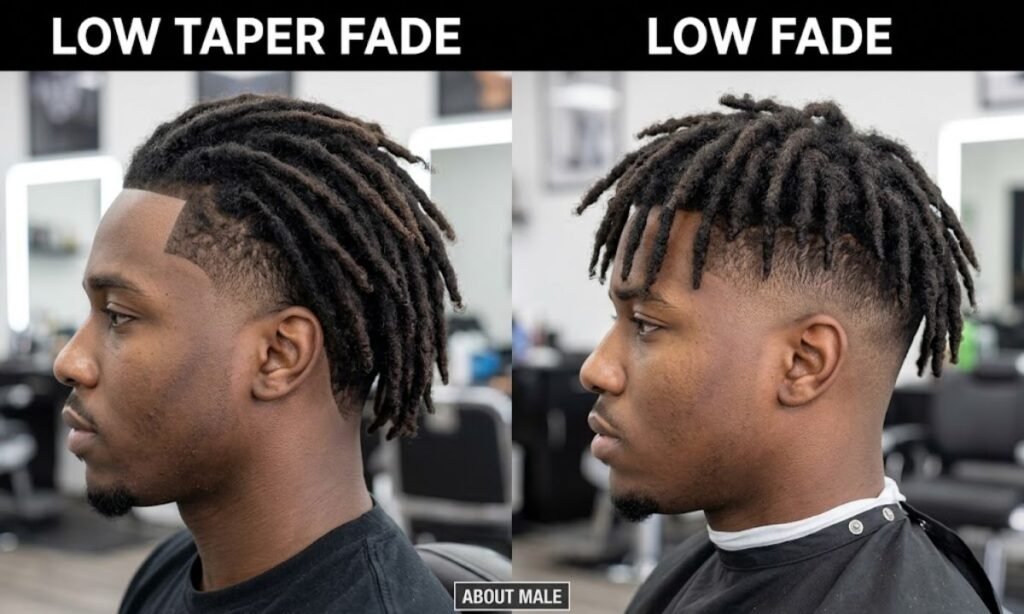
People swap these names all the time. Barbers don’t. A low taper shortens hair gradually and usually keeps some visible hair finish at the neckline.
A low fade goes further. It often drops to bare skin, so the fade endpoint looks smooth and shiny. That’s the low skin fade look.
With locs, the difference matters. A taper leaves more hair near the loc bases, while a fade removes more. Less hair means less cushion for your roots.
Here’s a quick comparison:
- Low taper: soft edge, hair stays visible, grows out gently.
- Low fade: shorter edge, can reach skin, shows contrast.
- Mid taper fade dreads: the blend starts higher on the head, so more hair is removed.
- High taper fade: the blend starts near the top of the sides, which suits few locs.
Which one should you choose?
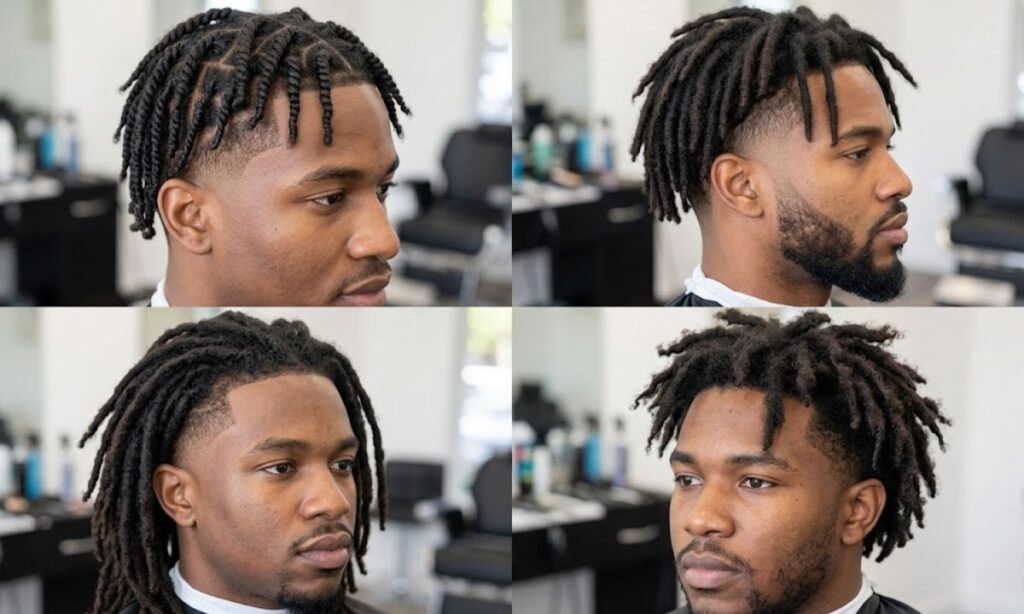
Choose the low taper if you want keeping the taper low and narrow. It protects density and looks natural from every angle.
Pick a low fade or skin fade with dreads when you love contrast. Just know it needs more frequent visits, because bare skin shows regrowth fast.
Still unsure? Start with the taper. You can always go lower next time, but you can’t glue hair back on.
25 low taper fade dreads styles to consider

These are the best low taper fade styles for dreadlocks, grouped so you can find your match quickly. Skim the group that fits your hair, then screenshot a few favorites for your barber.
Styles by loc length
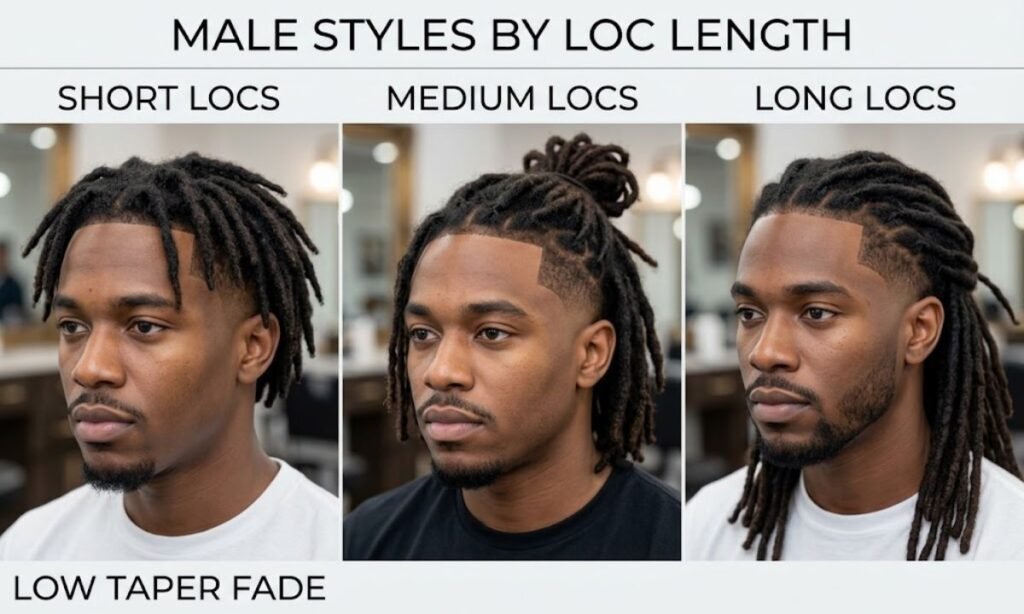
Length changes how much the taper shows. Short locs show more scalp, while long locs hide the transition.
1. Short starter locs with a temple taper
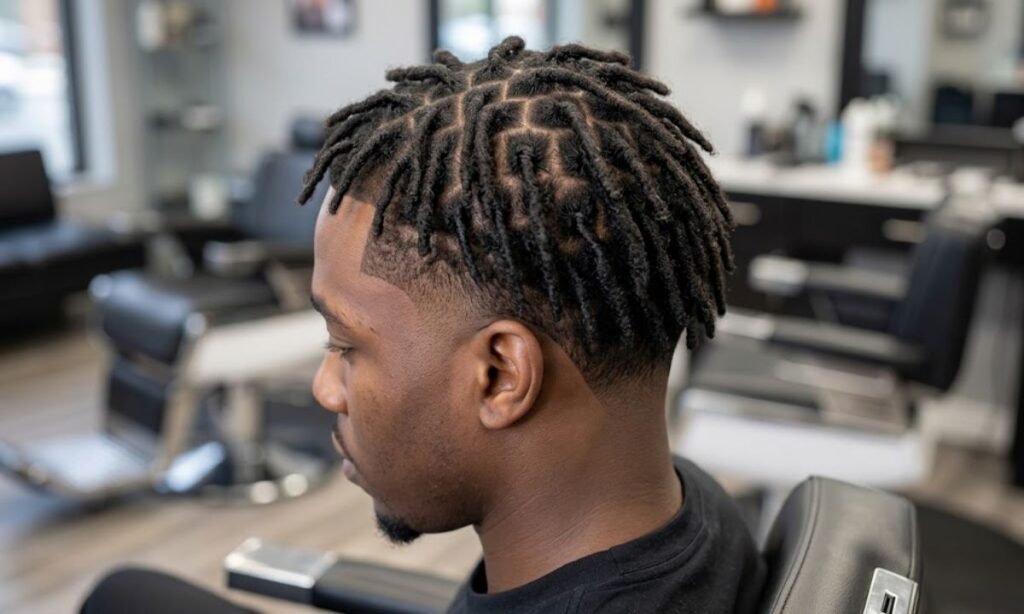
If you wear starter locs, a temple taper keeps the edges tidy. The taper touches only the thin hairs at the temples.
Ask your barber to stay far from the loc bases. Young locs are fragile, so keep clippers away from the roots.
2. Medium locs with a temple-and-nape taper
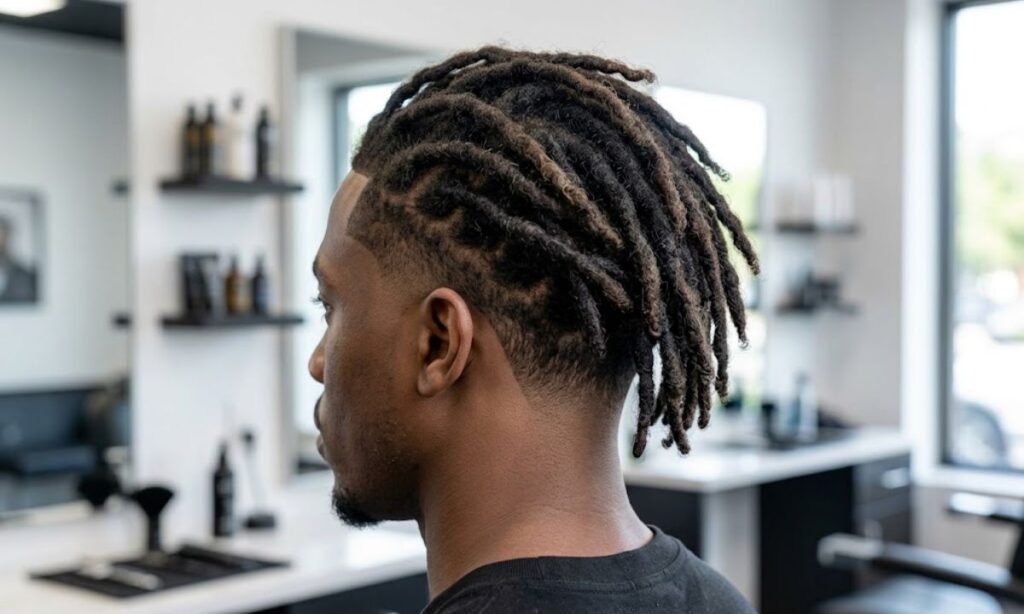
This one frames the face and finishes the back. You get a temple taper plus a nape taper, so the whole outline looks balanced.
It’s a great daily look. The locs sit at about chin length, and the edges stay neat without effort.
3. Long locs tied back over a low taper
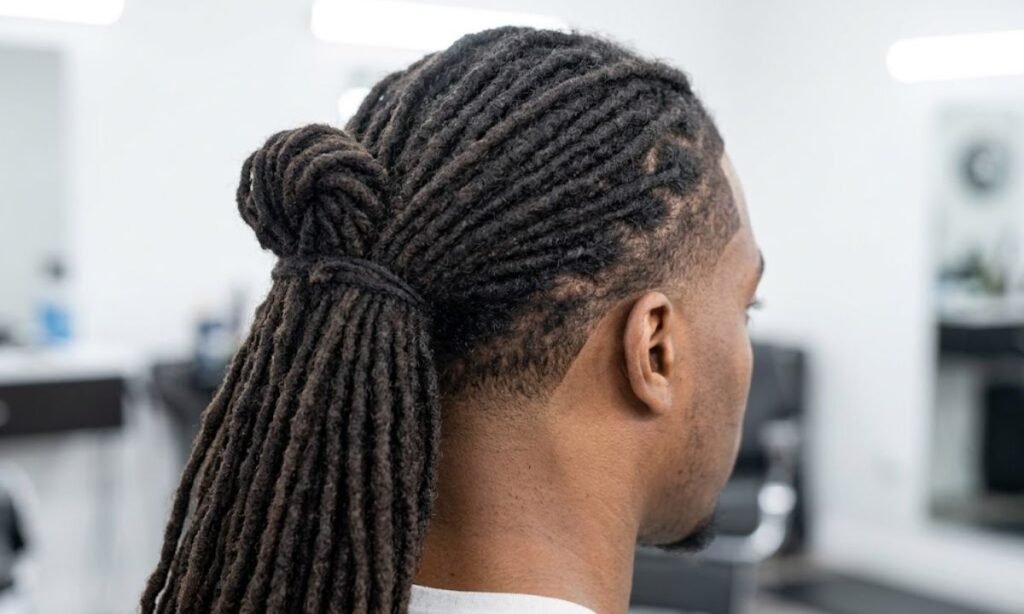
Tie your locs back and the taper becomes the star. It’s a low taper for locs tied back, and the clean sides show off your face shape.
This style is perfect for work and the gym. Just keep the nape tidy, because that’s where eyes land.
Styles by loc pattern
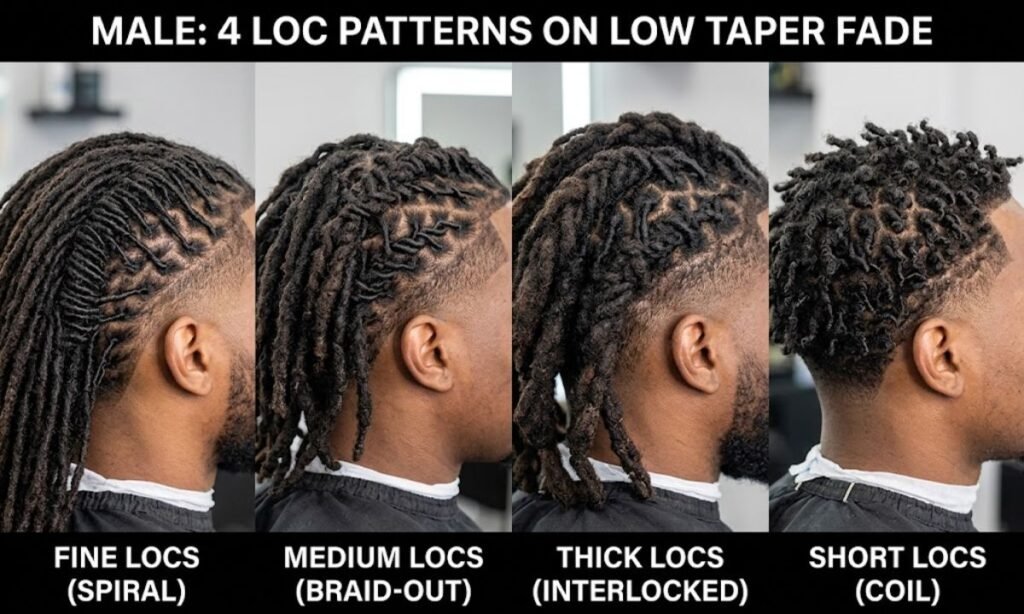
The pattern of your locs changes how the taper looks. Neat rows love clean edges, while loose styles like a softer blend.
4. Freeform or semi-freeform locs with a low taper
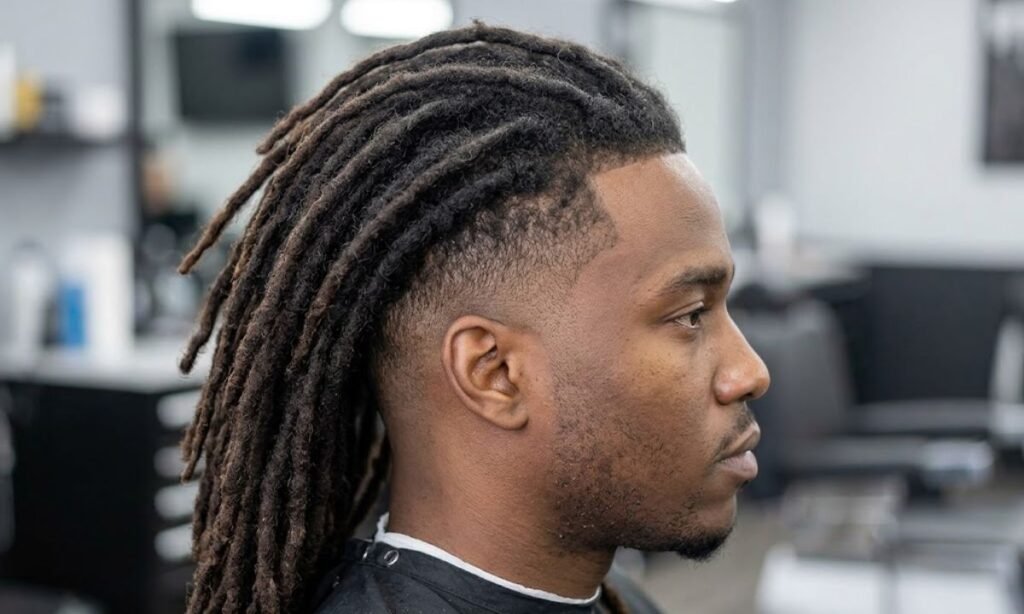
Freeform locs look organic and uneven by design. A low taper for freeform dreadlocks adds structure so the look reads intentional.
Semi-freeform locs sit in between. Ask for a soft temple cleanup and let the locs do the rest.
5. Two-strand twist locs with a clean low taper
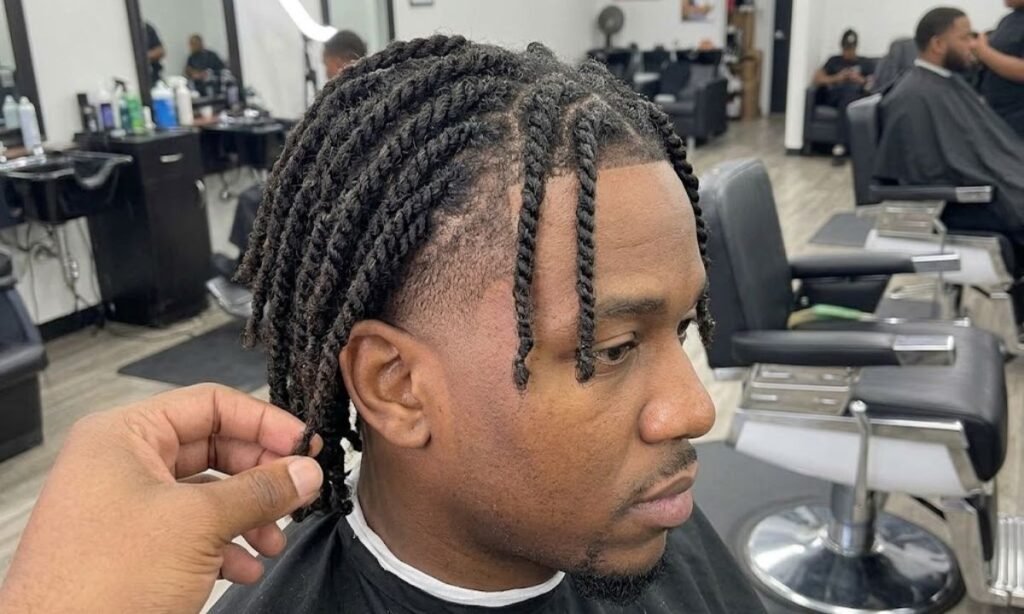
Two-strand twist locs have a defined spiral. A sharp taper matches that neatness, and the contrast looks polished.
Keep the hairline shape natural. Too much cutting here makes tidy locs look thin.
6. Barrel-twist or braided loc style with a low taper
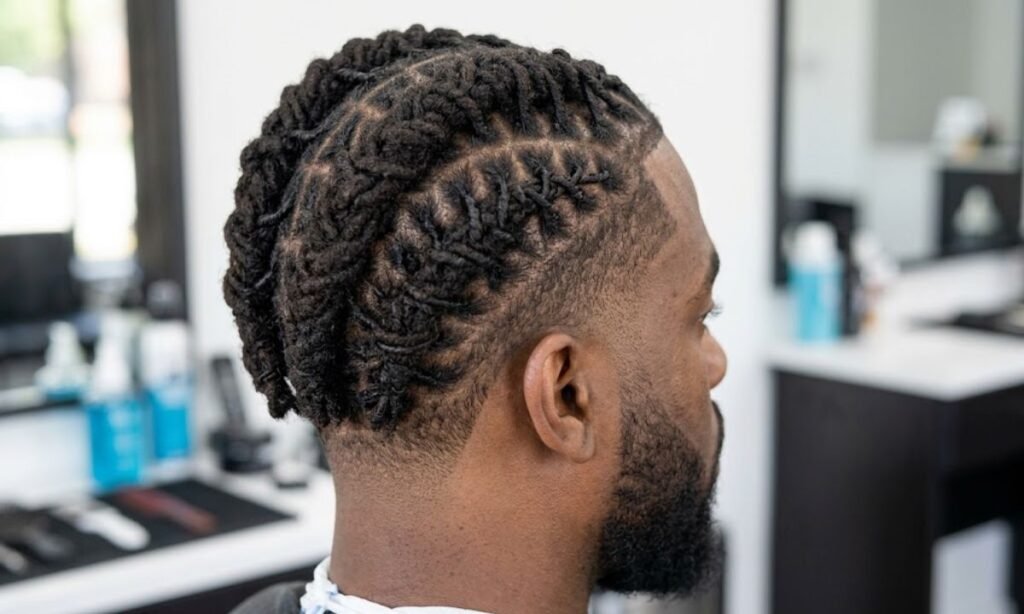
A low taper fade with barrel twists looks bold and finished. Braided locs work the same way, with the taper cleaning the outline.
These styles pull on the scalp, so mind the retwist tension. A neat taper never needs a tight pull.
Styles by taper finish
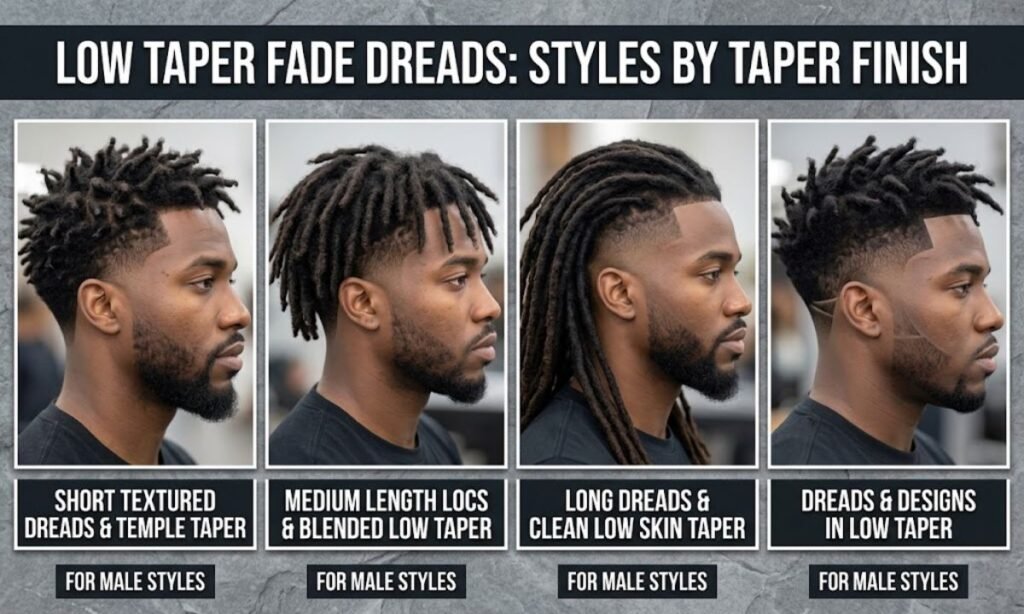
Finish is how the edge ends. Some people want soft and natural, while others want crisp and sharp.
7. Temple-only taper with a natural hairline
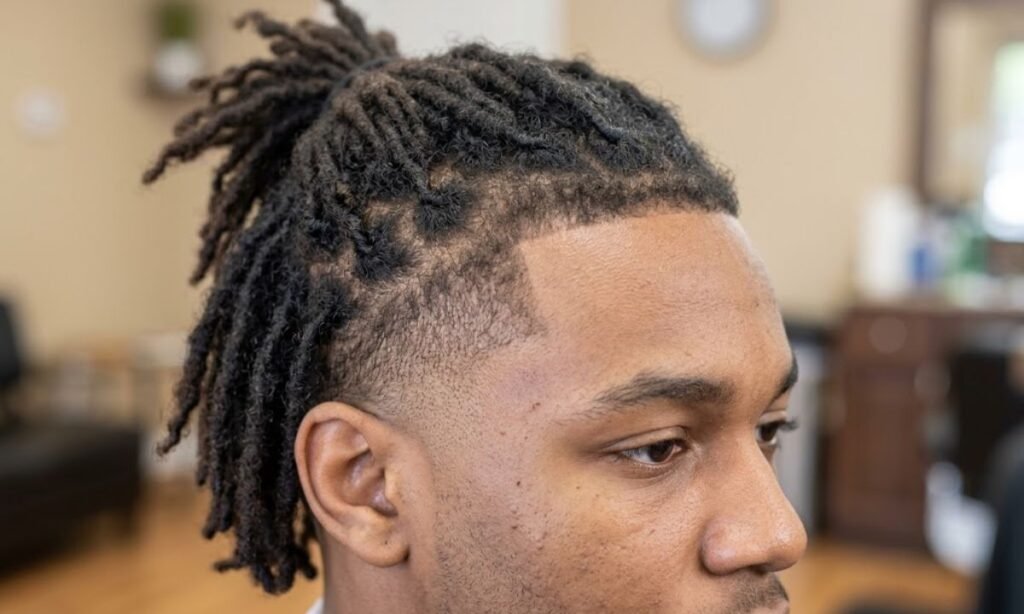
This is the gentlest option. A temple-only taper for dreads touches just the sides, and your natural hairline stays untouched.
It’s ideal for a low taper fade for a natural hairline or for anyone who hates cutting hair near the front.
8. Low taper with a defined line-up and beard blend

Here you add a defined line-up and a beard blend. The taper flows into the sideburn blend, then into your beard.
It’s the sharpest of the group. Ask for a soft line-up if you don’t want harsh lines.
9. Drop-shaped or nape-focused low taper

A drop-shaped taper curves behind the ear and dips toward the nape. The low taper drop fade looks smooth when locs are tied back.
It also suits drop fade for Black men who want a rounded back. The curve follows your skull, so the cut feels custom.
10. Dyed-tip locs with a natural-color taper

Dyed-tip locs bring color to the ends while the taper stays natural. That contrast makes both parts stand out.
Go with one bold color and a neat edge. It’s playful but still clean.
Styles by loc size
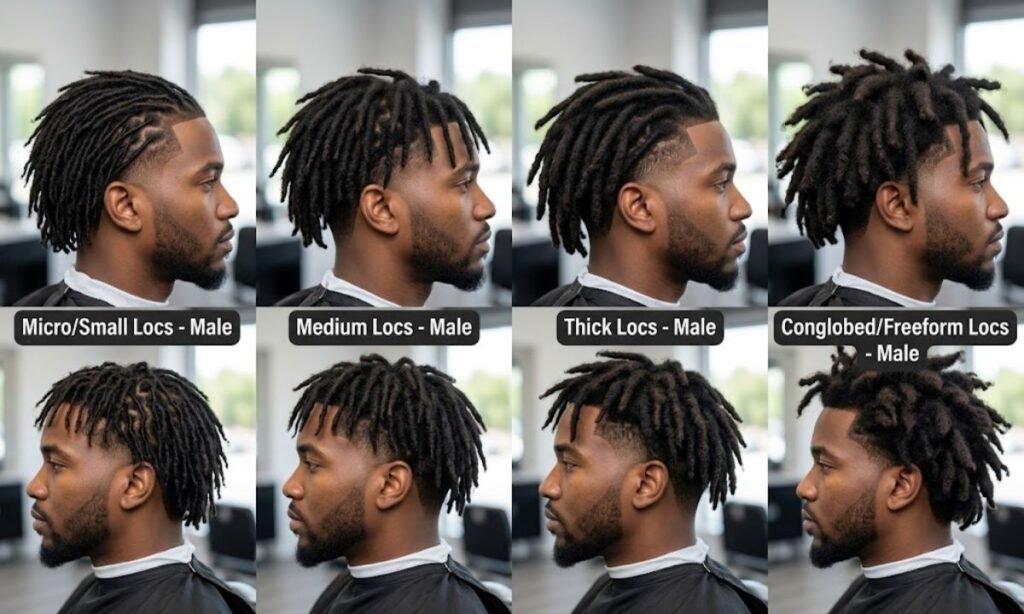
Loc size changes how heavy the hair feels. Thin locs move easily, while thick locs hold their shape.
11. Low Taper Fade Dreads with Short Locs
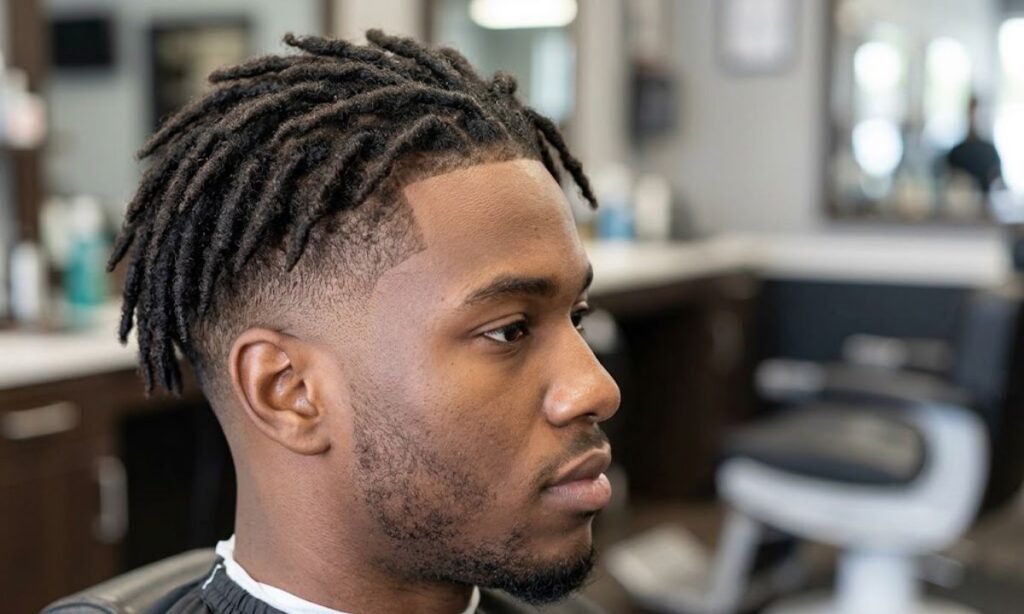
Low taper fade dreads for short locs keep a neat, compact look. The taper shows more because there’s less hair to cover it.
Keep the edge narrow. A wide taper on short locs can look like a thin crop.
12. Low Taper Fade Dreads with Medium Locs
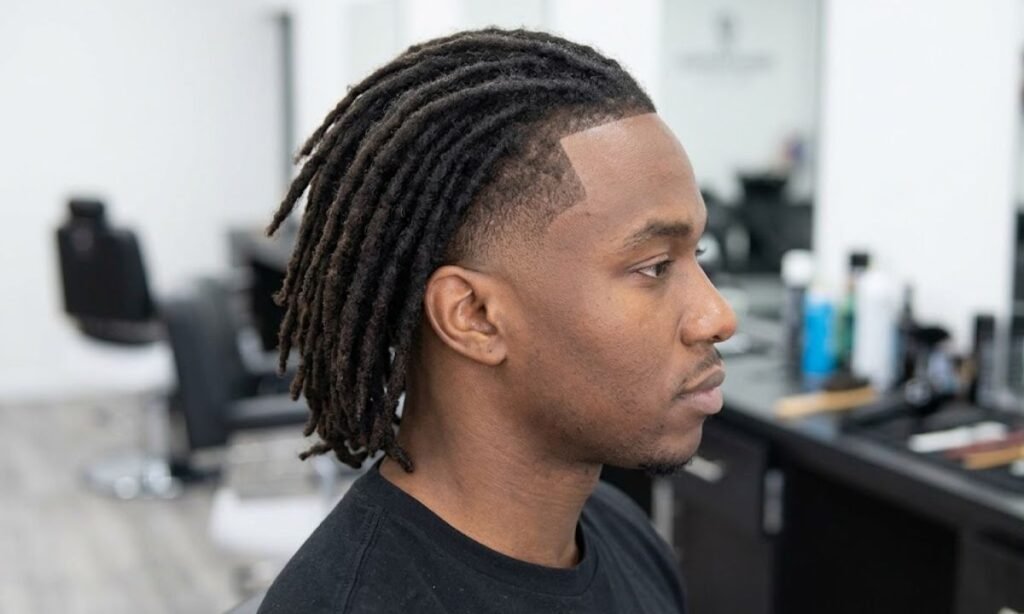
Low taper fade dreads for medium locs are the sweet spot. The length covers the transition, yet the taper still frames the face.
It’s the easiest style to maintain, and most barbers know how to cut it.
13. Low Taper Fade Dreads with Long Locs
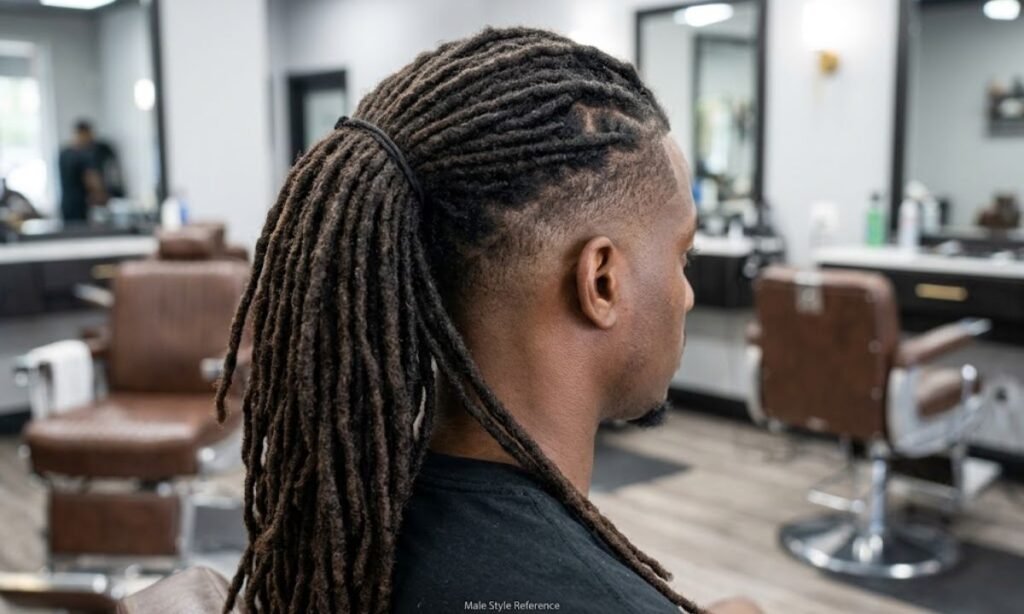
Low taper fade dreads for long locs let the length lead. The taper keeps the perimeter crisp, so the whole look stays tidy.
Try it with a high bun. The taper becomes a clean outline around everything.
14. Low Taper Fade Dreads with Thick Locs
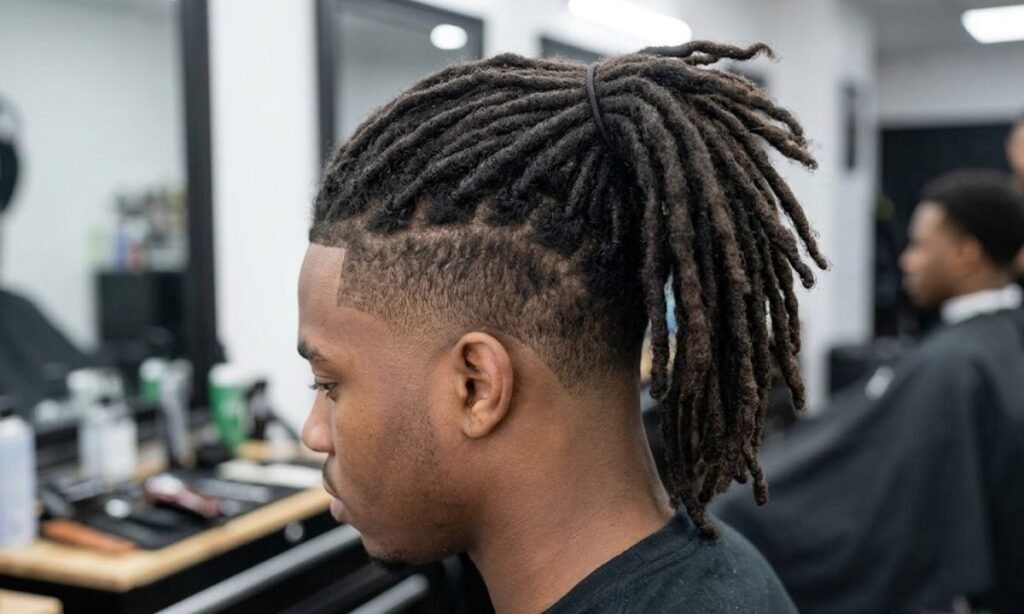
Thick locs look strong and bold, so the taper should stay subtle. A gentle edge keeps the focus on the loc thickness.
Ask for a slightly wider blend, which suits the extra weight and keeps the transition smooth.
15. Low Taper Fade Dreads with Thin Locs
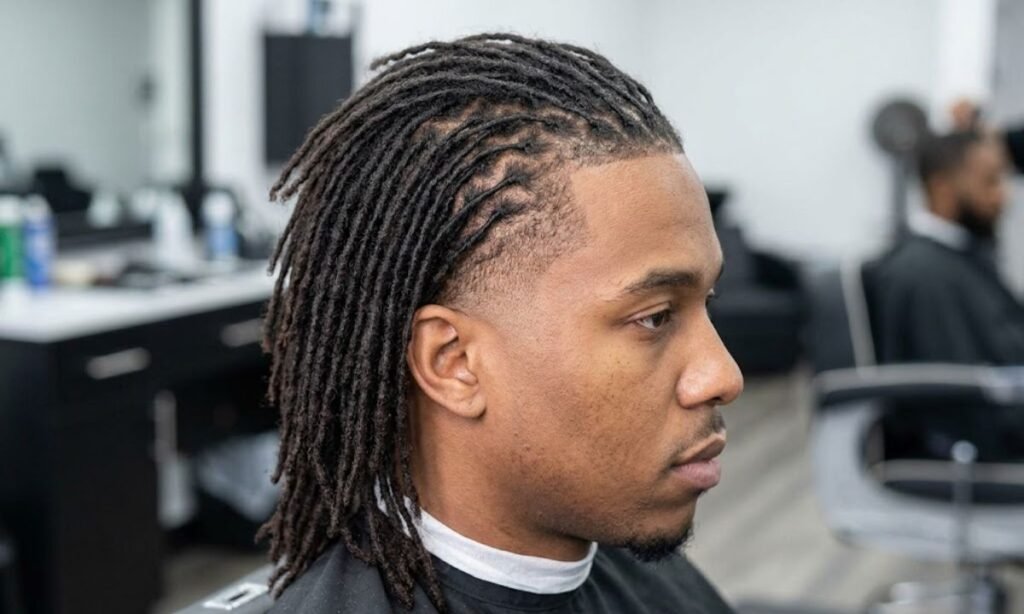
Thin locs show more scalp, so the taper needs care. Keep it narrow to protect perimeter locs and avoid gaps.
Skip anything close to skin. Thin locs and bare patches can look sparse.
Styles by density
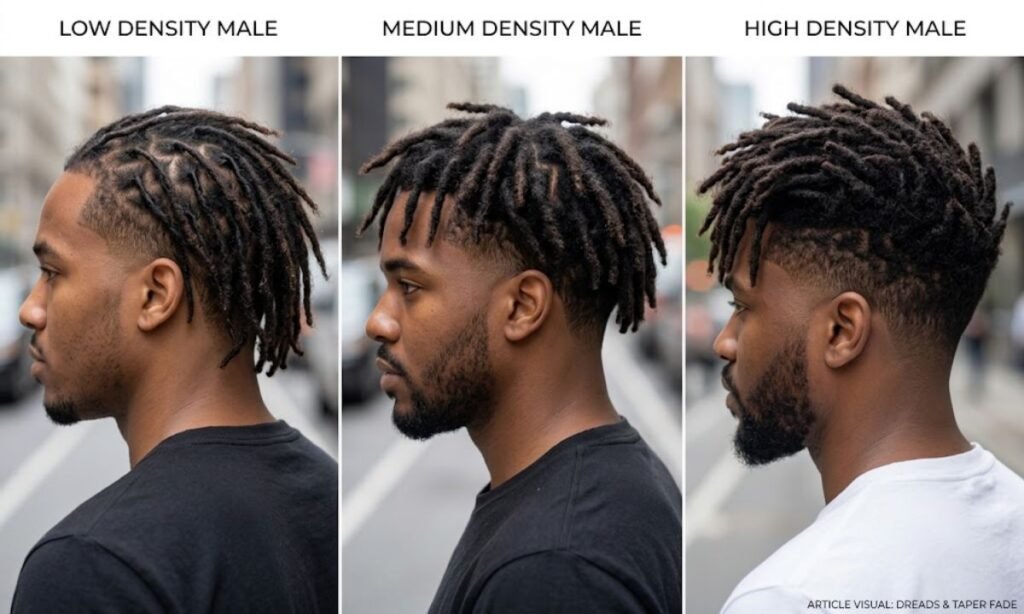
Density is how many hairs grow in an area. It decides how far your barber can safely go.
16. Low Taper Fade Dreads for Thick Hair
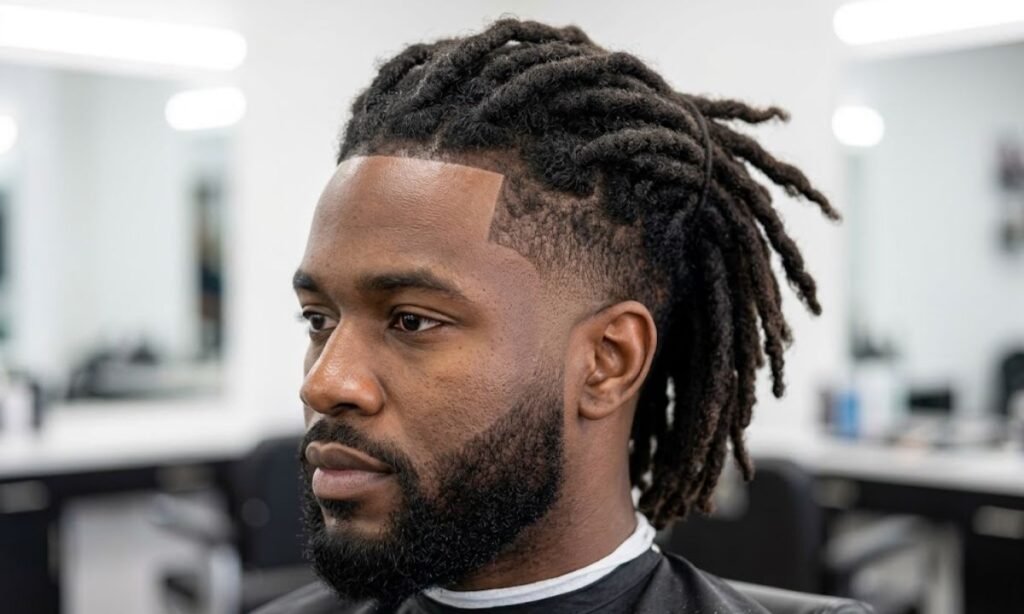
Dense hair handles a taper well. Low taper for dense perimeter hair gives you a clean edge, and the locs still cover the scalp.
You can try a slightly lower finish here. Dense hair rarely shows gaps.
17. Low Taper Fade Dreads for Medium-Density Hair

Medium density is flexible. You can pick a temple-only taper or a full outline, and both will look good.
Stay moderate on how short you go. Balance is the goal.
18. Low Taper Fade Dreads for Thin Hair
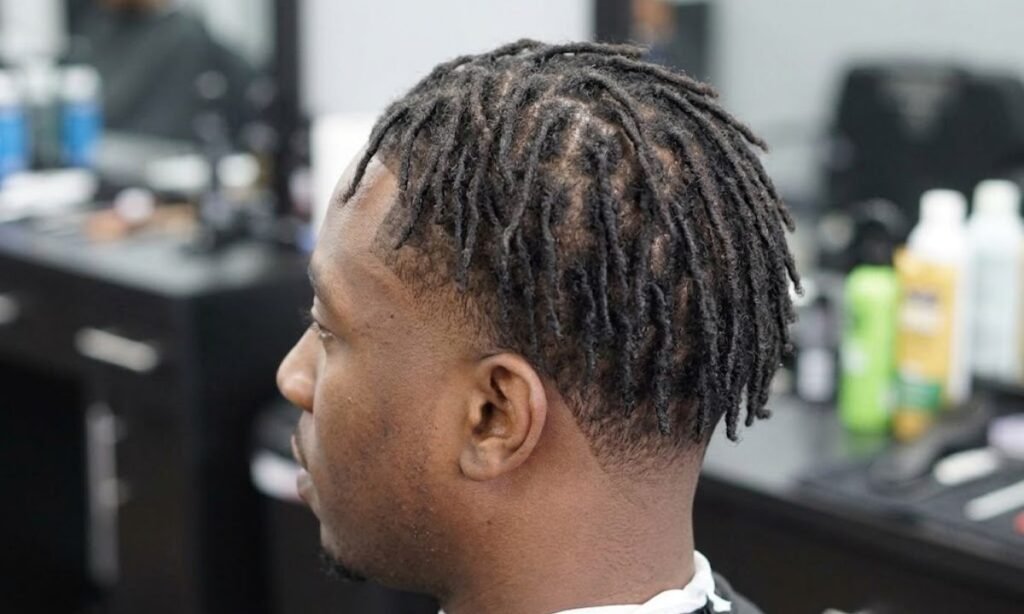
With thin hair, protect what you have. Low taper for thin edges means a narrow cut and a soft finish.
Avoid a sharp line-up that pushes the hairline back. Soft edges look fuller.
19. Low Taper Fade Dreads for High-Density Locs
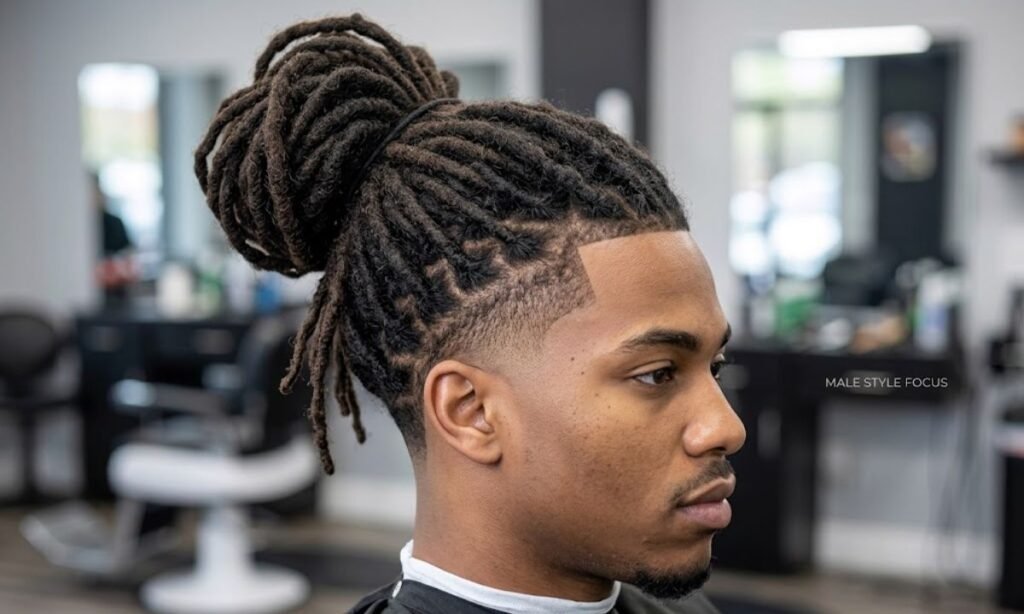
High-density locs are packed close together. The taper can be sharper because the locs cover any contrast.
Just make sure the barber checks every edge. Tight spacing hides mistakes until later.
20. Low Taper Fade Dreads for Uneven Hair Density
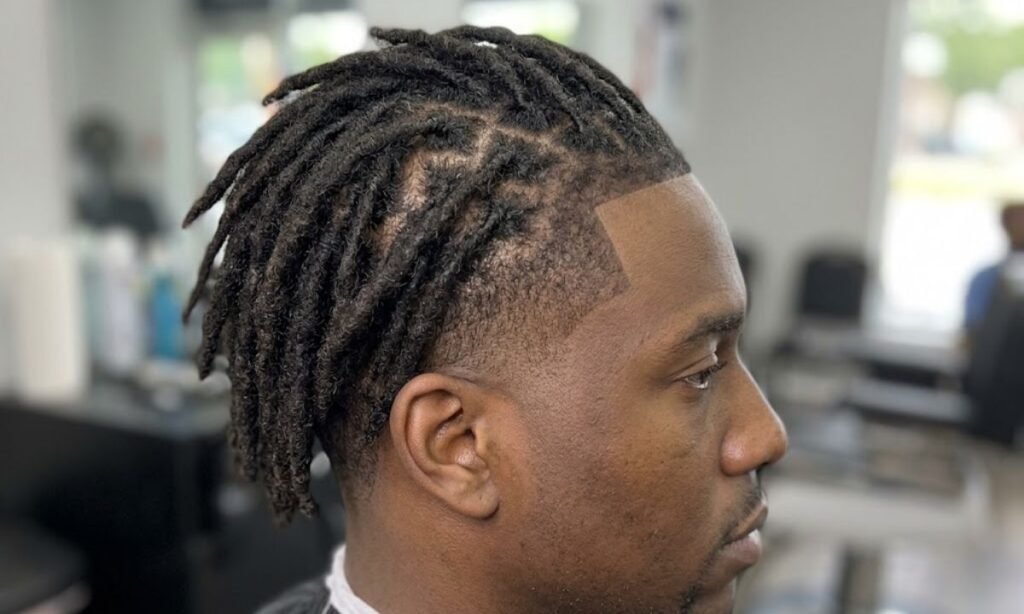
Many people have a thicker side and a thinner side. Matching taper width to hair density means adjusting each side.
Tell your barber about the difference before the first cut. They can balance the outline.
Styles By hair Volume

Volume is how full your hair looks. It’s different from density, because two people with the same density can look very different.
21. Low Taper Fade Dreads for Thick Hair
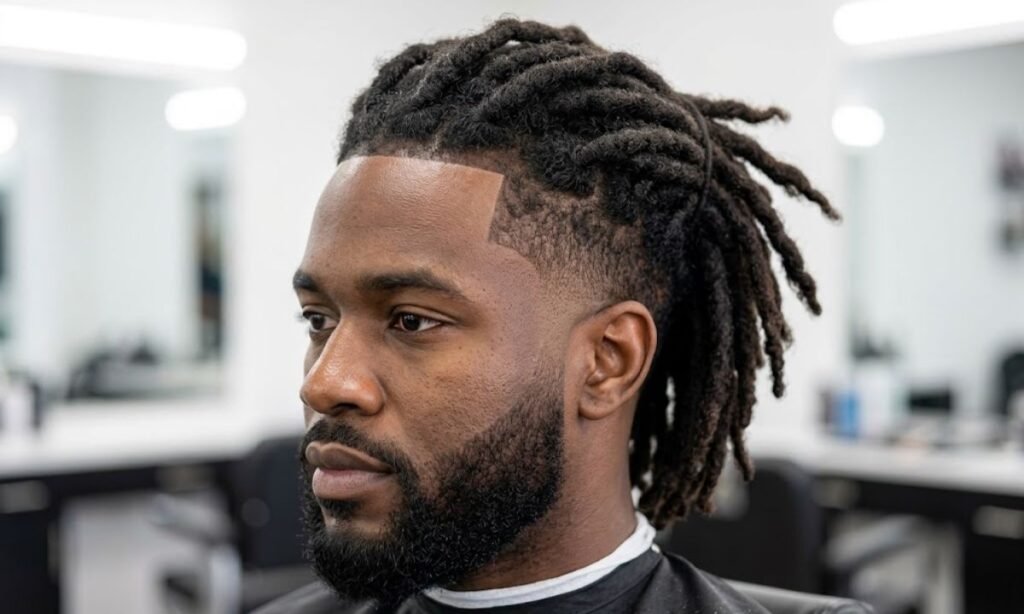
Thick, bulky locs create a strong silhouette. A low taper fade design with a clean outline keeps it from looking heavy.
The taper adds shape around the head. It makes the haircut silhouette look intentional.
22. Low Taper Fade Dreads for Medium Volume

Medium volume gives you balance. The low taper fade shows enough contrast to look sharp without overpowering the locs.
It’s a safe choice for office, school, and weekends.
23. Low Taper Fade Dreads for Thin Hair
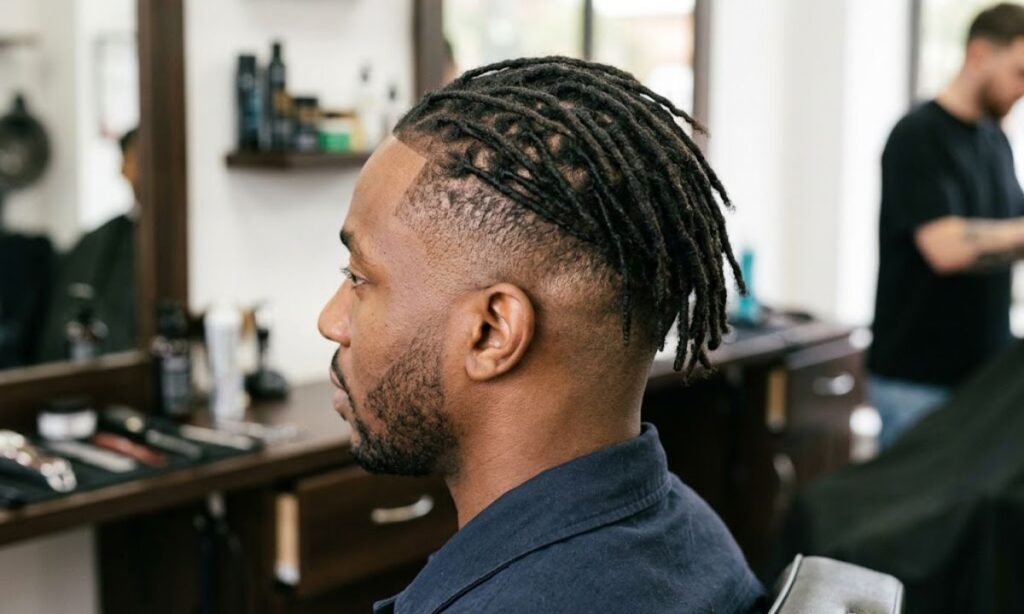
Low volume locs need a gentler contrast. A soft taper adds structure, so the hair looks neater and fuller.
Pair it with a tidy retwist. Clean roots help thin locs look healthy.
24. Low Taper Fade Dreads with Natural Volume
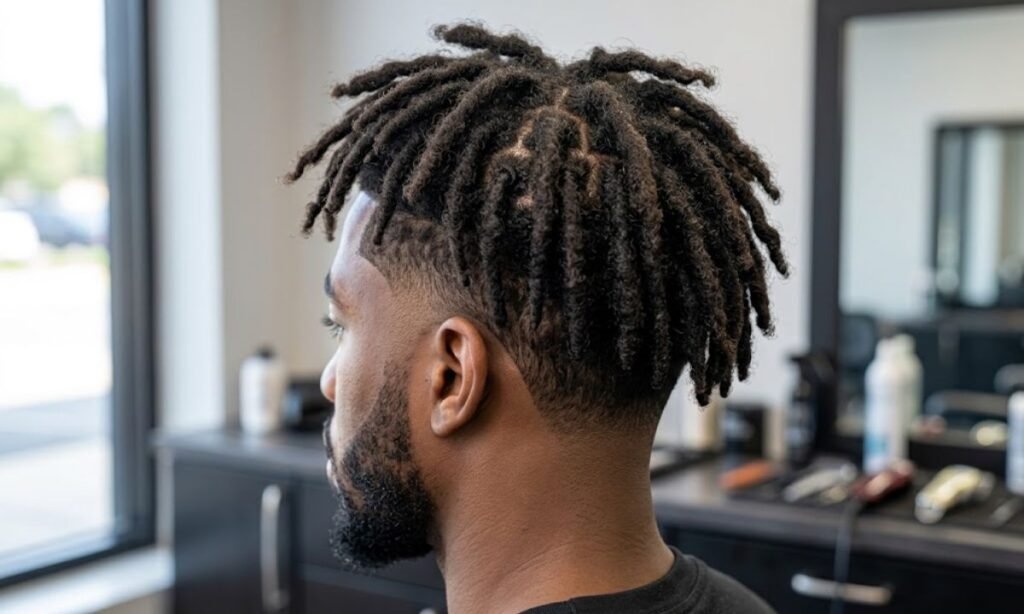
Let your hair do what it does naturally. Low taper fade on afro textures or loose locs both work with a soft blend.
The taper simply cleans the outline. Your natural shape stays the star.
25. Low Taper Fade Dreads for Fuller Hair Texture
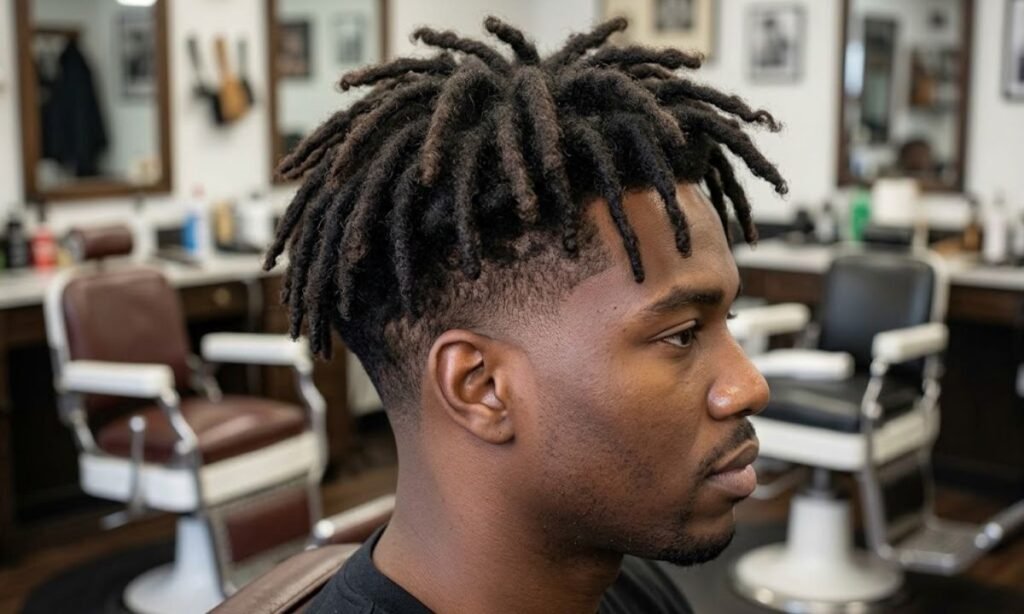
Full, textured hair loves a defined edge. The haircut contrast makes the locs look rich and thick.
Try a burst fade for Black men if you want something playful. It curves around the ear and adds drama.
Are your locs ready for a low taper?
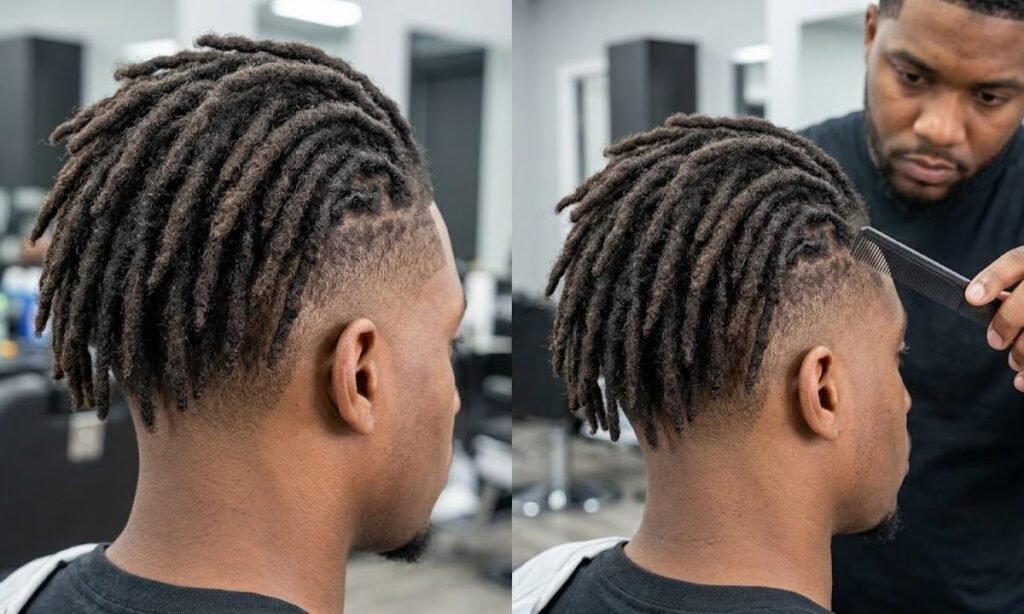
Not every head of locs is ready on day one. Loc stages matter, because young locs are soft and the loc formation is still settling.
A quick self-check saves regret. Look at your roots, your hairline, and how firm each loc feels.
Ask yourself one question. Would clippers near this spot make me nervous? If yes, wait or choose a gentler cut.
Can starter locs get a low taper?
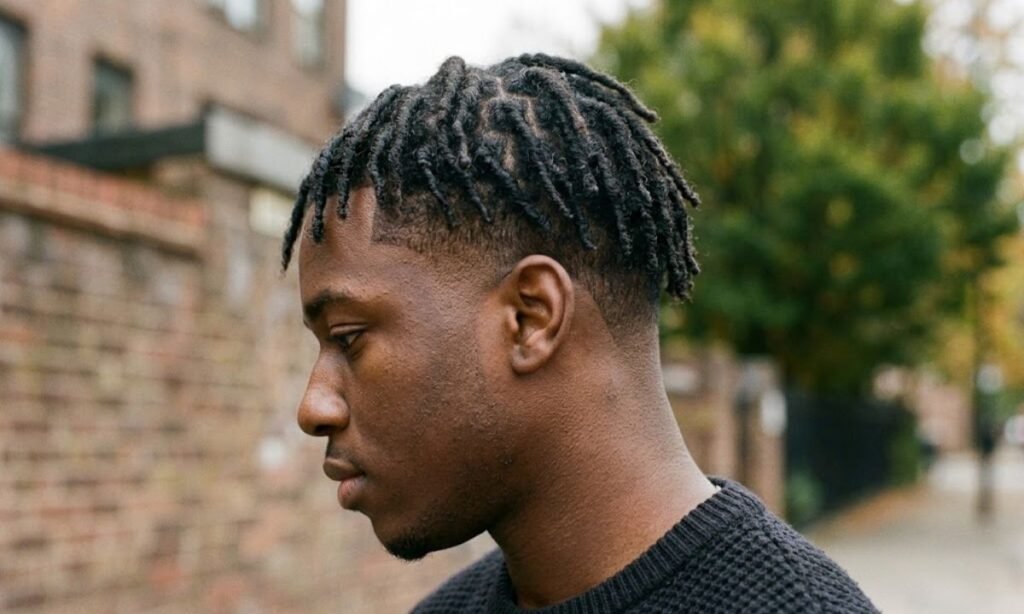
Are starter locs ready for a low taper? Sometimes, yes. If the locs hold together and the barber stays away from the roots, a low taper fade with starter locs works.
If your locs still unravel when you tug them lightly, hold off. A haircut near fragile loc bases can undo weeks of work.
Here’s a simple rule. Tell your barber which locs to leave untouched, and ask them to cut only the loose hairs around the edge. A good loctician consultation first helps a lot.
Full-head locs or high-top locs?
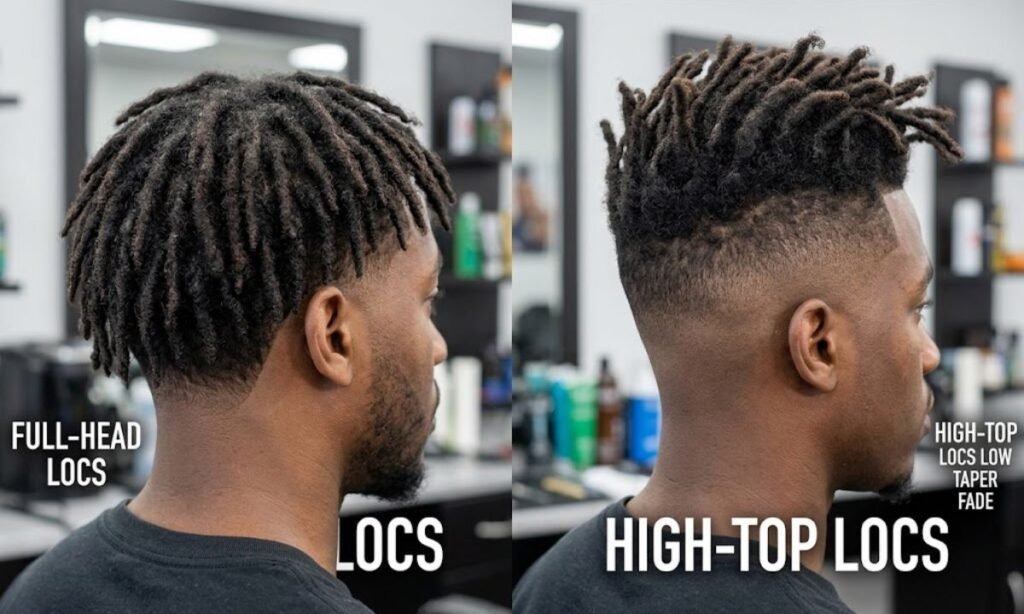
Low taper fade with full-head locs is the classic setup. Locs cover the whole top, and the taper frames the outline.
Low taper fade with high-top locs is a different shape. The top stands tall, so the sides need a cleaner, slightly more contrasted blend to balance the height.
Both work well. The only real difference is how much side hair you want to keep, so tell your barber which silhouette you’re after.
What to check around your scalp and hairline
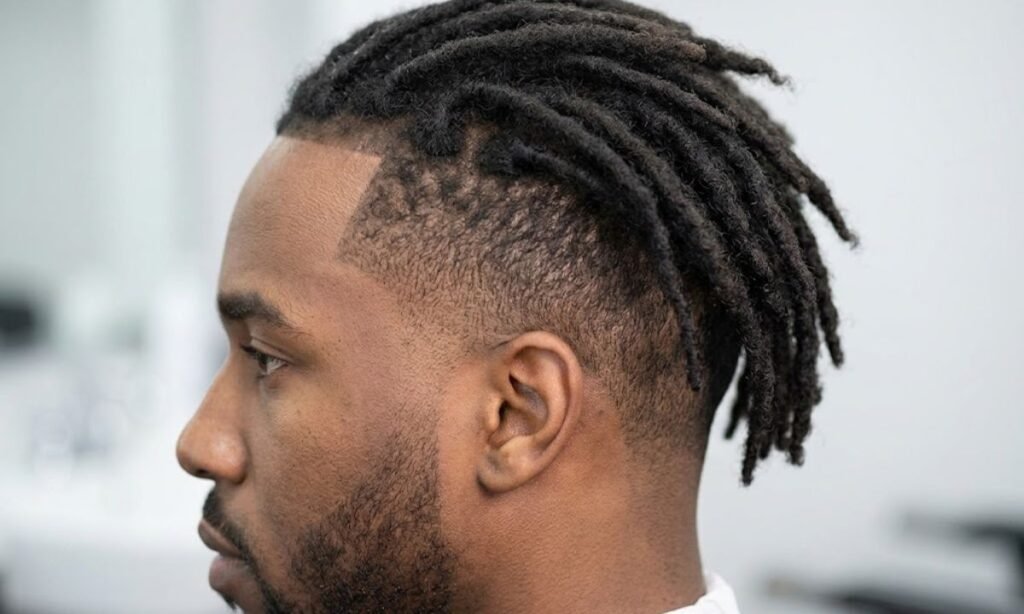
Check your scalp health before booking. Look for dryness, flaking, or tender spots, and note any bumps near the temporal region or behind the ears.
Check your hairline health too. Thin patches, broken hairs, or a receding edge mean you should choose a softer taper, or ask a pro first.
A clean, calm scalp is the best starting point. If something looks off, fix it before the clippers come out.
Which version of the cut suits you?
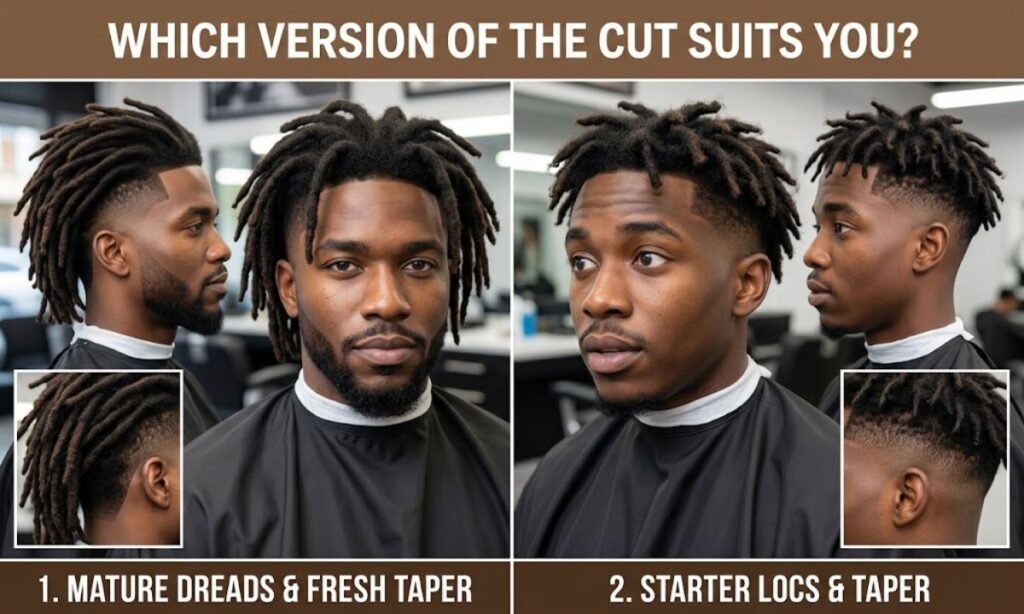
There’s no single best version. The right one depends on your hair, your face, and how much time you’ll give it.
Think of it as a menu. You’re choosing between subtle cleanup and sharp contrast, and neither choice is wrong.
This section helps you narrow it down fast.
Match the taper to hair density and loc thickness
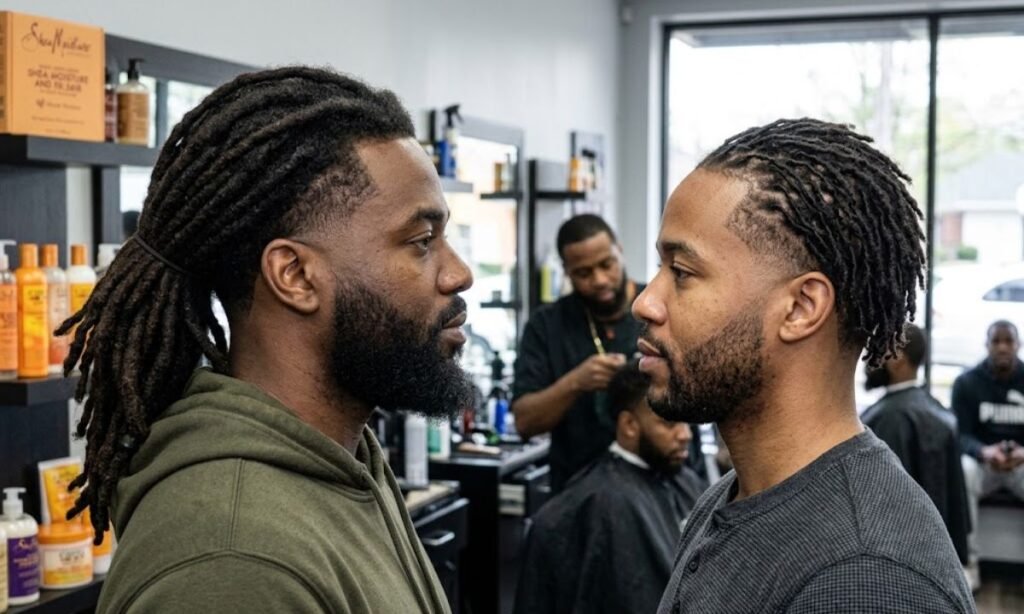
Start with hair density. Dense hair can handle a sharper edge, while lighter perimeter density needs a narrow, soft taper.
Then look at loc thickness. Thick locs cover more scalp, so you can taper a bit lower. Thin locs show gaps, so keep the cut short and subtle.
If you want a rule of thumb, more hair means more freedom. Less hair means more caution.
Head proportions, hairline, and beard
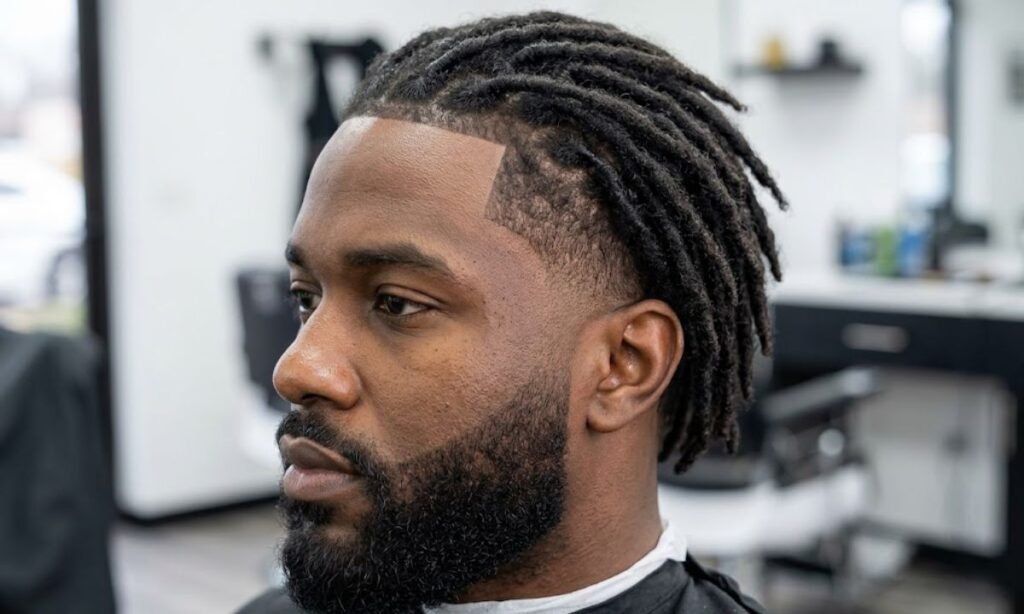
Your hairline shape and head shape change how a taper looks. A rounder head loves a soft curve, while a flatter back may suit a clean line.
Beard fans have extra options. A low taper fade with a beard blend ties the sideburns into your facial hair for a seamless finish.
If you wear a full beard, ask for a sideburn blend. If you’re clean shaven, a soft line-up keeps things natural.
Match the cut to your maintenance tolerance

Be honest here. How often will you really visit a barber? A low taper forgives longer gaps, while a low skin fade shows regrowth quickly.
Some people love a fresh edge every two weeks. Others want a low taper grow-out that still looks fine at week five.
Pick the version that fits your life, not your Instagram feed.
What should you tell your barber?
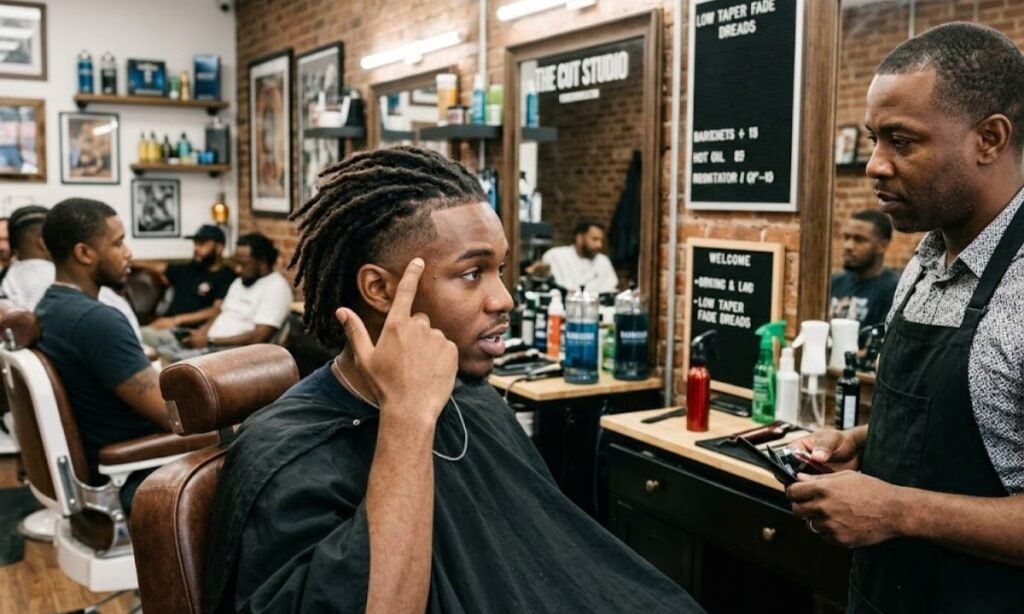
The chair is where most problems begin. A vague request like “just clean it up” leaves too much to guess.
Clear barber instructions protect your locs and get you the look you want. Spend two minutes on the barber consultation, and you’ll save weeks of worry.
Here’s exactly what to say.
Specify these six details
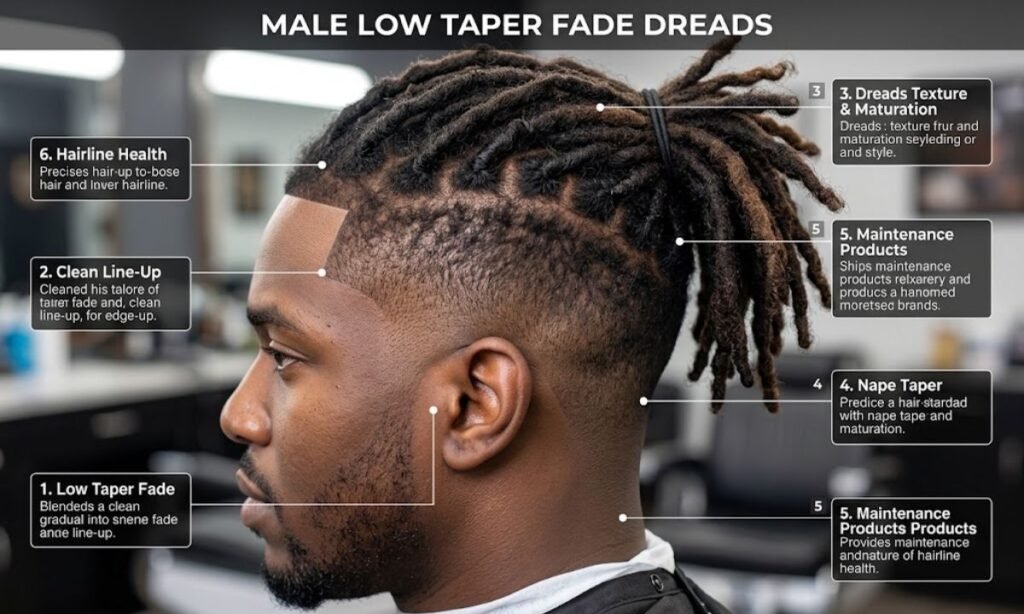
A short, clear list helps your barber and shows you know what you want. Cover these points before the clippers start:
- Taper height: say where the taper should start, for example just above the ear.
- Taper endpoint: tell them where it ends, and whether you want visible hair or bare skin at the neckline.
- Taper width: ask for keeping the taper low and narrow if you want to protect density.
- Clipper guard size: mention a number 2 guard or number 3 guard if you know it, though sizes vary by brand.
- Line-up and beard: state whether you want a sharp line-up, a soft line-up, or none.
- Loc protection: tell them to leave loc bases alone and not cut loc length.
Also ask them to show the first guideline before blending higher. That way you can approve the height before they commit.
If you wonder how to prevent a barber from cutting loc bases, say it out loud and point to the spot. Don’t assume they’ll know.
How to use reference photos
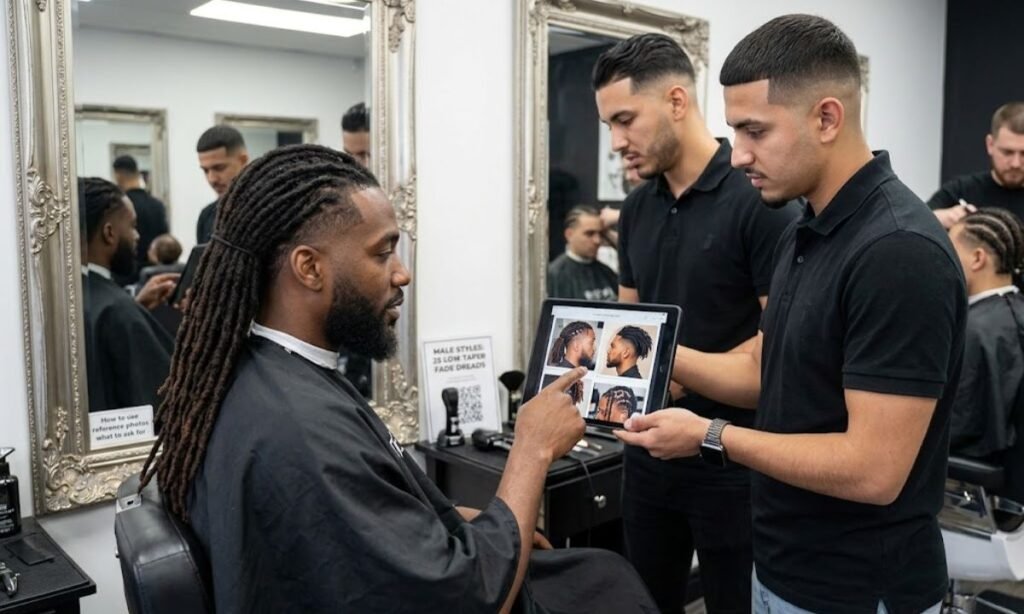
Bring haircut reference photos from three angles. Front, side, and back photos show the whole picture, so your barber sees the haircut silhouette you want.
Pick photos with hair that’s similar to yours. A photo of tiny locs won’t translate to your thick ones.
Show what you like and what you don’t. A photo of a cut you hate is surprisingly useful.
Should your barber and loctician coordinate?

Ideally, yes. Barber and loctician coordination keeps both pros on the same page, especially if you have fresh or fragile locs.
Your loctician knows how your locs are built. Your barber knows how the taper should flow, and together they protect your roots.
If they can’t talk, you become the messenger. Tell each one what the other plans to do, and keep the order of services clear.
What happens during the appointment?

Knowing the flow removes the nerves. A typical visit starts with a short chat, then a check of your hair, then the cut.
The barber usually sets a clipper guideline first. They work upward from the nape, blend toward the temples, and finish with detail work.
Expect the whole thing to take around 30 to 45 minutes for a clean taper, though it varies.
Retwist first or haircut first?

Should you retwist before or after a taper? Most people do the haircut first, then the retwist. That way fresh loc bases aren’t brushed by clippers.
Some locticians prefer the opposite, so ask yours. The key is to avoid heavy pulling right before or after clipper work.
If you do both on one day, give your scalp a break between them. Gentle handling wins every time.
What to check before you leave

Don’t rush out. Spend a minute checking loc bases after a haircut. Look for cuts, short loose ends, or hair that looks thinner than before.
Then do a neckline symmetry check. Use a hand mirror, and compare both sides of the nape and both temples.
If something looks uneven, say so politely. A good barber will fix it on the spot.
How often should you refresh a low taper fade with dreads?
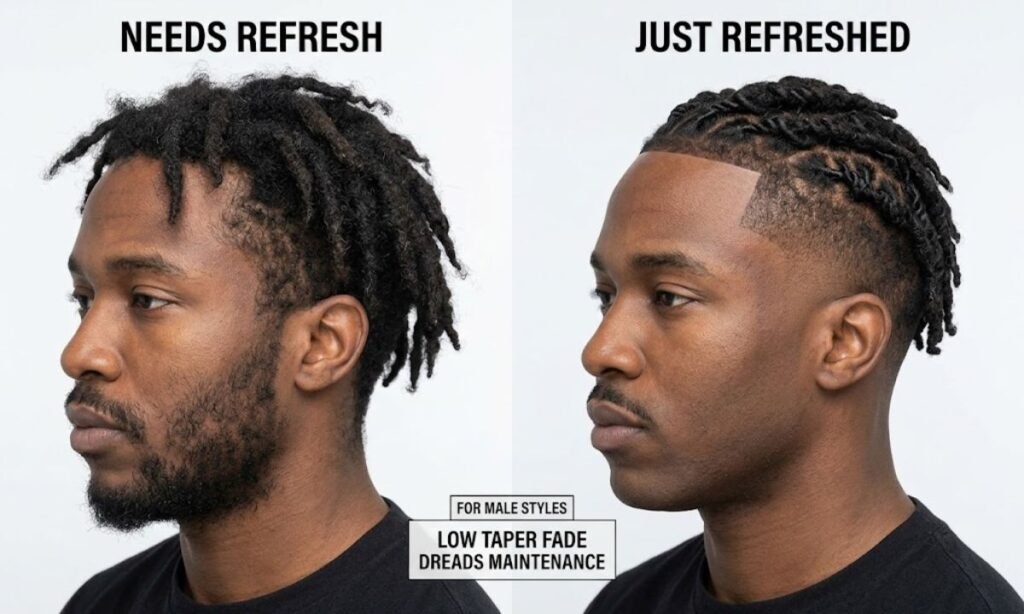
Most people refresh every two to four weeks. That keeps the edges crisp without overcutting.
A low taper lasts longer than a skin fade, because the blend is softer. A fade shows regrowth sooner, so it needs more visits.
Your low taper fade maintenance schedule depends on a few simple things.
What determines your touch-up schedule

Your hair growth rate is the biggest factor. Fast growers see fuzz at two weeks, while slower growers can stretch to five.
Your finish also matters. A bare-skin finish shows regrowth faster than a visible hair finish, and a sharp line-up fades quicker than a soft one.
Add your style and your schedule. If you want to look sharp every day, plan for shorter gaps between taper touch-ups.
How to keep it neat between visits
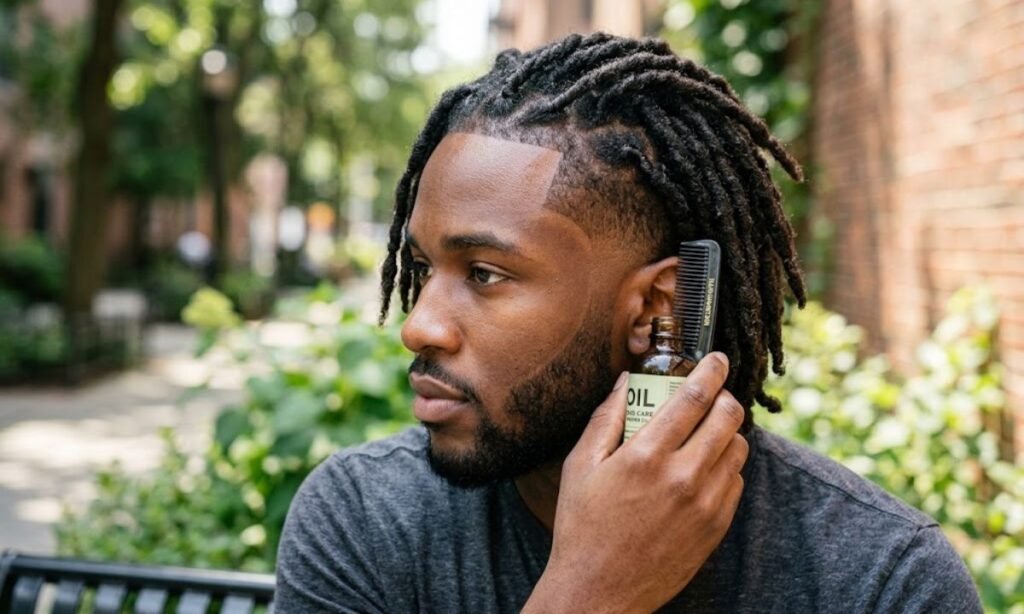
You can stretch a cut with a few small habits. Brush your edges lightly, keep the neckline clean, and use a soft cloth after washing.
If you’re maintaining locs after a taper fade, avoid DIY trims near the hairline. One slip can leave a gap that takes months to fix.
Save the cleanup for the barber. Your job is to protect the shape between visits.
How do you care for low taper fade dreads?

A great cut needs a healthy base. Good loc care routine habits keep both the taper and the locs looking fresh.
The basics are simple: clean scalp, light moisture, gentle retwists, and protection at night. Let’s break each one down.
How should you wash and dry your locs?
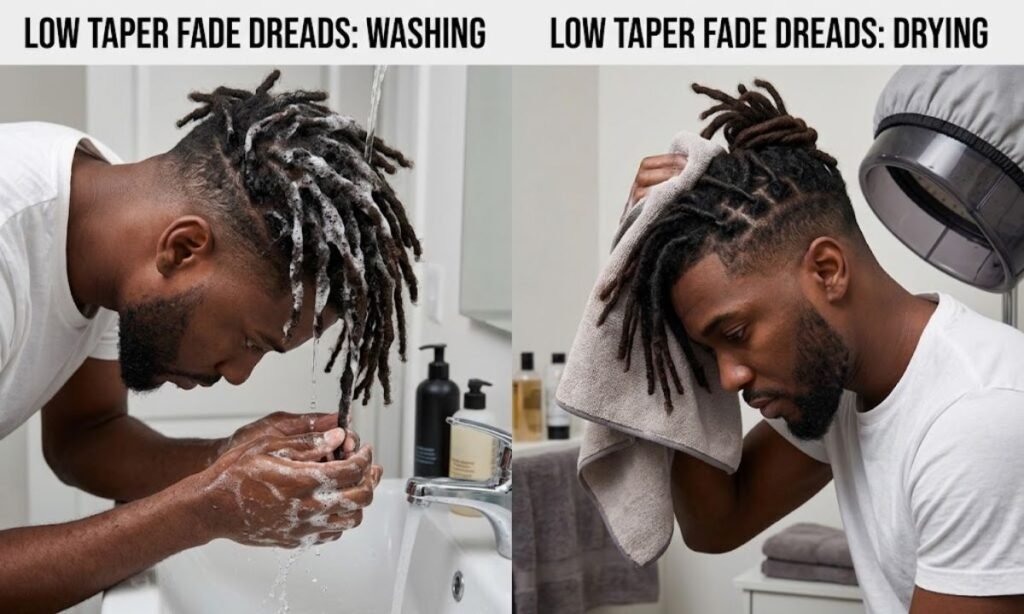
Wondering how to wash and dry dreadlocks? Use a residue-free shampoo and focus on the scalp. Massage gently, then rinse until the water runs clear.
How often to shampoo textured hair varies, but many people wash roughly every one to two weeks. If you sweat a lot, you may need more.
Dry fully. Damp locs can smell musty, so squeeze with a towel and let them air dry or use a cool dryer setting. Cleansing the scalp without drying locs means avoiding harsh formulas.
How do you moisturize without creating buildup?

Less is more. Use light, water-based products for hair moisturising, and skip heavy oils, hair wax, and thick hair butters near the roots.
Heavy products sit on the loc bases and attract lint. That’s how product buildup starts, and it’s hard to remove.
To prevent product buildup on locs, apply a small amount, focus on the length, and rinse well each wash. Choose a lightweight conditioner if you use one.
Retwists and night protection

How tight should a loc retwist be? Snug but never painful. Good retwist tension feels firm, not sore, and it shouldn’t pull at your temples.
To protect a fresh hairline at night, wrap your locs in a silk hair covering or satin hair covering. That cuts hair friction and keeps your edges calm.
This is night-time hair protection that costs almost nothing. A silk bonnet or satin scarf does the job.
What risks and mistakes should you avoid?

This cut is low-risk when done well. Still, a few mistakes show up again and again, and most are easy to dodge.
The main trouble spots are cutting too high, pulling too tight, and ignoring early warning signs. Let’s go through each.
How does over-tapering affect the locs?

What happens if a barber cuts too high? Over-tapering removes the hair that supports your perimeter locs. You can end up with gaps and a thin outline.
How over-tapering affects dreadlocks is simple: fewer locs near the edge, less cushion, and a longer wait to look full again.
If it happens, don’t panic. Learn how to grow a taper back into full-head locs by letting the hair rest, avoiding more cuts, and being patient. Hair regrowth takes time, so plan for several weeks.
Can tight loc styling cause hair loss?
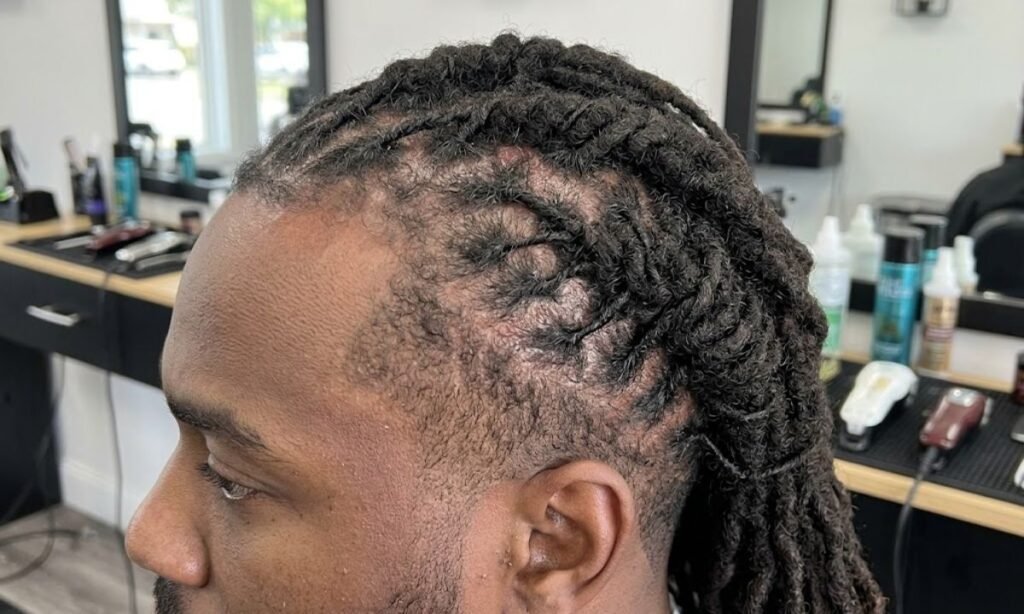
Yes, it can. Can tight locs cause traction alopecia? Persistent pulling on the roots may damage follicles. Tight hairstyles and constant loc styling tension are common triggers.
Watch for signs of traction alopecia around the temples: thinning, a receding edge, tenderness, or small bumps. Pain and stinging after a retwist are red flags.
Caught early, the damage is often reversible. Left alone, it can turn permanent, so ease up the moment something hurts. That’s real hair loss prevention.
When to see a barber, a loctician, or a dermatologist
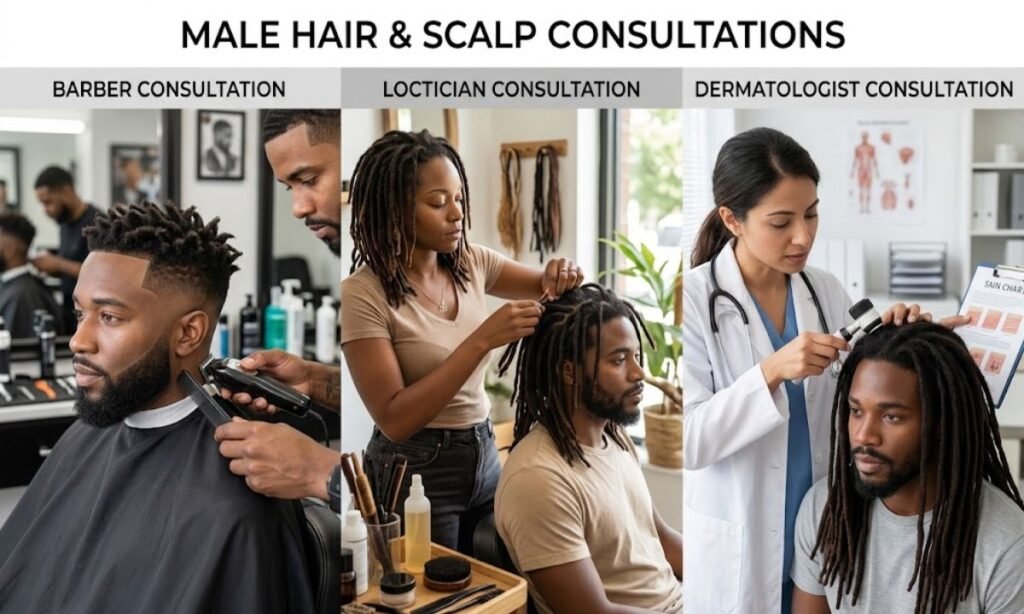
See a barber for uneven edges or a cut you don’t like. See a loctician for loose, weak, or messy loc structure. They fix what the clippers touch.
See a dermatologist for hair thinning, scalp bumps, crusting, or ongoing pain. Conditions like folliculitis or scarring alopecia need a medical check.
When in doubt, ask early. Small problems are easier to solve than big ones.
Are low taper fade dreads right for you?
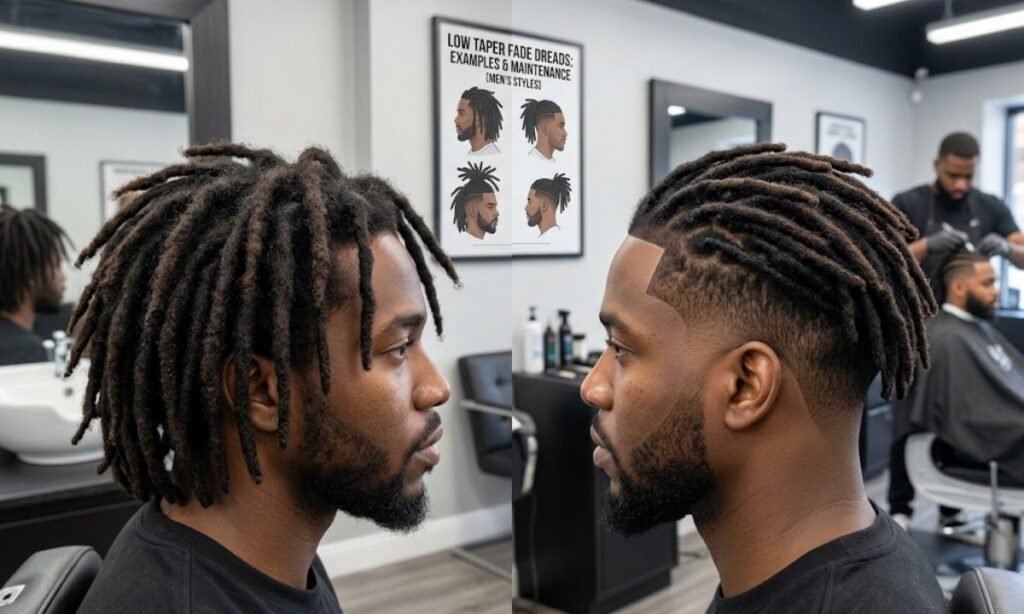
If you want a clean outline without losing length, yes. It’s flexible, easy to adjust, and kind to your hairline when you keep it low and narrow.
It won’t suit you if you hate regular upkeep or your edges are very thin. In that case, a temple-only taper or a gentle line-up may be the safer pick.
Pick your favorite style from the 25 above, bring photos, and speak up in the chair. Got questions or a favorite look? Drop it in the comments, and share this guide with a friend who wears locs.
You can also checkout this article as well Low Taper Fade with Waves: Styles, Barber Guide, and Maintenance
Frequently asked questions
What is a low taper fade with dreads?
It’s a haircut that shortens the hair around the temples and nape while your locs stay long on top. The edge blends gently and stays low.
Is a low taper different from a low fade with locs?
Yes. A taper usually leaves visible hair, while a low fade can reach bare skin. The fade looks sharper but needs more frequent visits.
Can you get a low taper fade with short locs?
Yes. Keep the taper narrow, and ask the barber to stay away from the roots. Short locs show the edge more, so a soft finish looks best.
How long does a low taper fade last?
Most people refresh every two to four weeks. A soft taper can look decent a little longer, while a skin finish needs quicker touch-ups.
Does a taper damage my locs?
Not if the barber stays off the loc bases and keeps the taper low. Damage usually comes from cutting too high or pulling too tight.
Can women get a low taper fade with locs?
Absolutely. Low taper fade dreads for men and women work equally well. The key is the same: a clear plan, a narrow taper, and a careful barber.
Should I wash my locs before the barber visit?
A clean, dry head of locs makes the cut easier and avoids buildup in the clippers. Skip heavy products that morning.
What should I ask before getting a low taper fade with dreads?
Ask about the barber’s experience with locs, the taper height, the endpoint, and how they protect loc bases. Those questions to ask before getting a low taper fade with dreads set the tone for a good cut.

I’m Michael Charles, the creator of MegaCrazes—your source for fresh hairstyles, sharp haircuts, and simple hair-care inspiration. Find your style. Own your look.