

Quick Answer
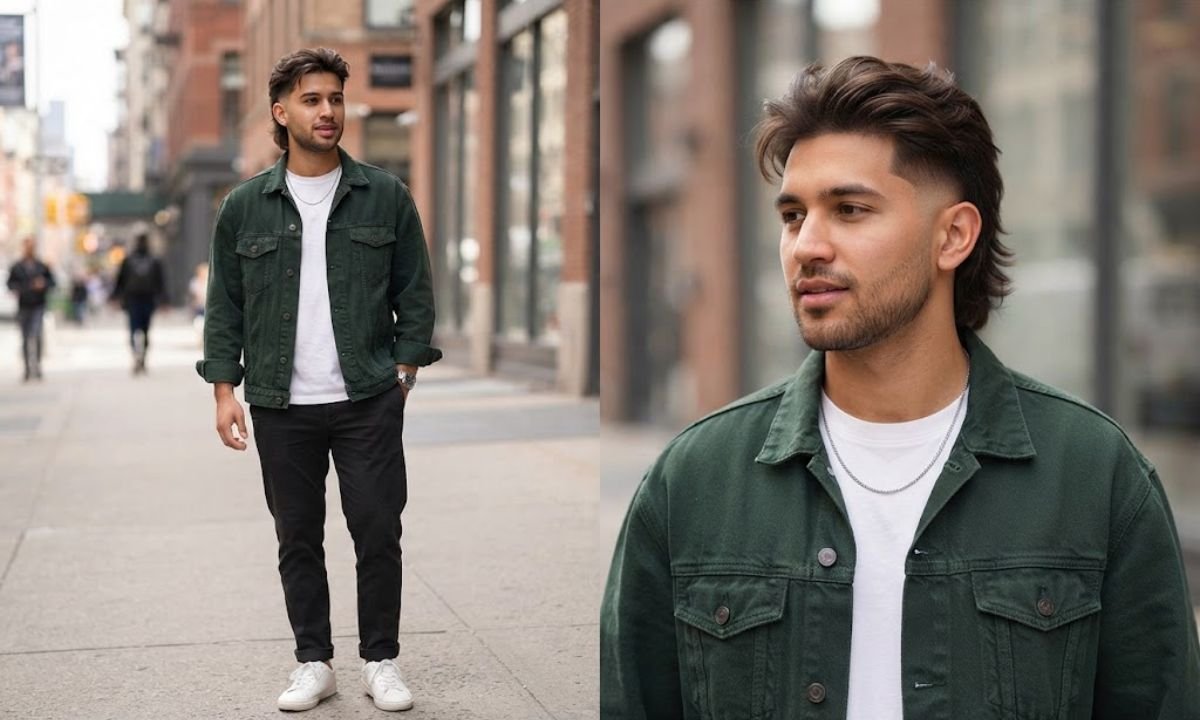
A low fade mullet keeps the sides tight and close near the ears, then blends into longer, textured top hair and a layered back. It sits lower than a mid fade mullet or high fade mullet, so the transition is subtle instead of sharp.
This style works for almost every hair type, from straight hair to curly hair, and suits most face shapes too. Ask your barber for a low taper mullet or low skin fade mullet if you want the cleanest possible version.
What Is a Low Fade Mullet
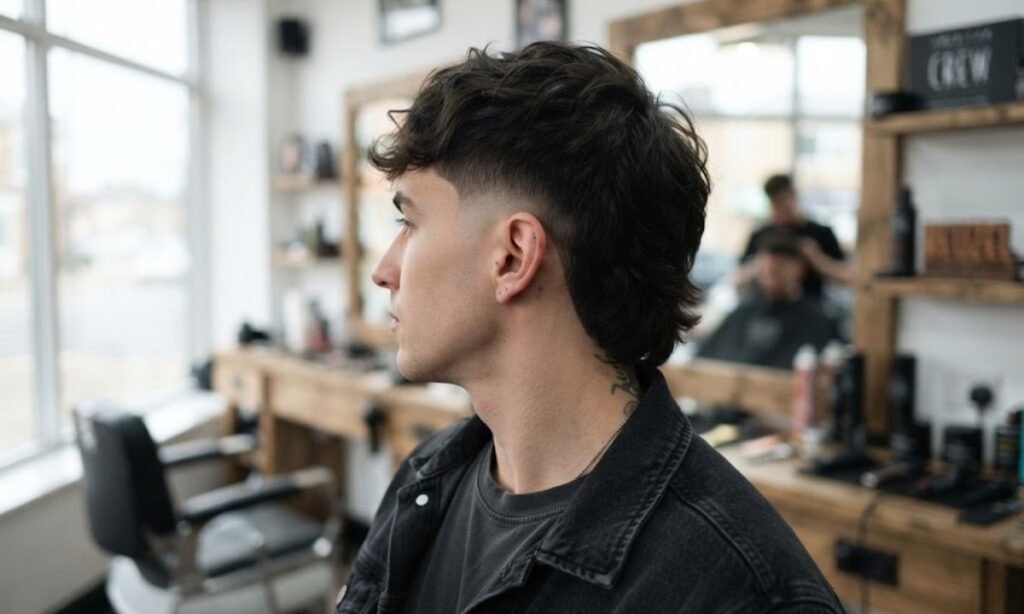
A low fade mullet haircut starts its fade just above the ears, not up near the temples. The sides stay short and neat, while the top and back grow out for movement and shape.
It’s the calmer cousin of the classic 80s mullet. Instead of shouting for attention, it whispers “put together” while still keeping that rebellious layered back.
Barbers love it because it’s flexible. You can dress it up for work or let it get a little wild on the weekend, and it still looks intentional either way.
Quick Fit Table
| Fade Height | Best For | Vibe |
| Low fade mullet | Office jobs, subtle style | Clean, professional |
| Mid fade mullet | Everyday versatility | Balanced, modern |
| High fade mullet | Bold statements | Edgy, standout |
Use this table as a quick gut check. If you’re not sure which fade height fits your lifestyle, start low. You can always go higher later, but you can’t easily undo a high mullet fade once it’s cut.
Variations
There’s no single way to wear this cut. Small tweaks in fade height, fade zone, and top length change the whole personality of the haircut.
Below are the main ways men are asking for this style right now, from barbershop chairs to Pinterest boards.
1) Low Fade Mullet Haircut
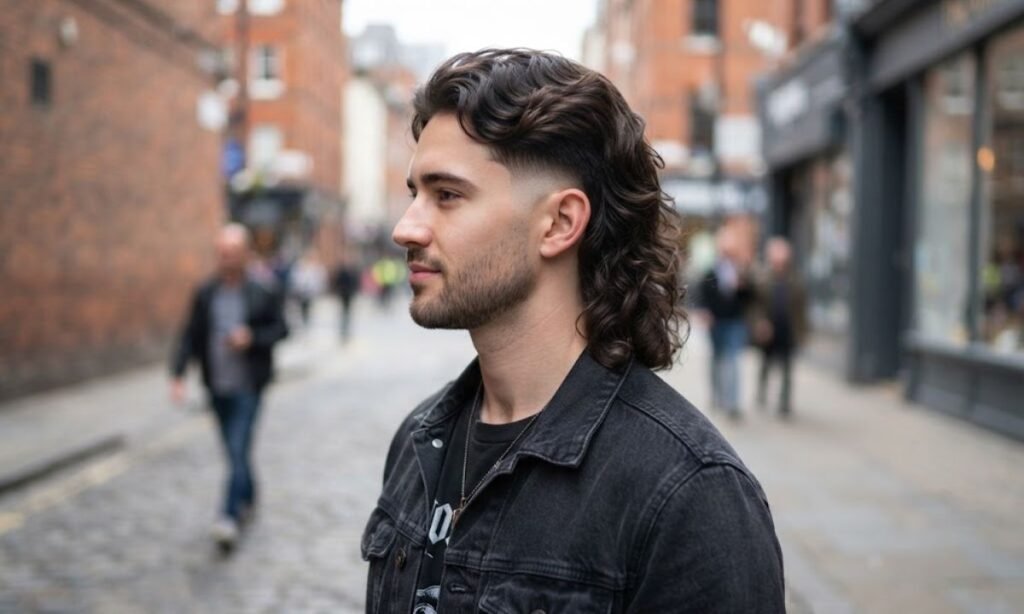
This is the base version everyone starts with. Short sides, a gentle fade near the ear line, and a longer top that flows into the back.
It’s the safest entry point if you’ve never had a mullet before. The clean neckline and tight sides keep things looking sharp, not sloppy.
Most barbers can nail this in one sitting, even if you bring in a photo instead of technical terms.
2) Modern Mullet Low Fade
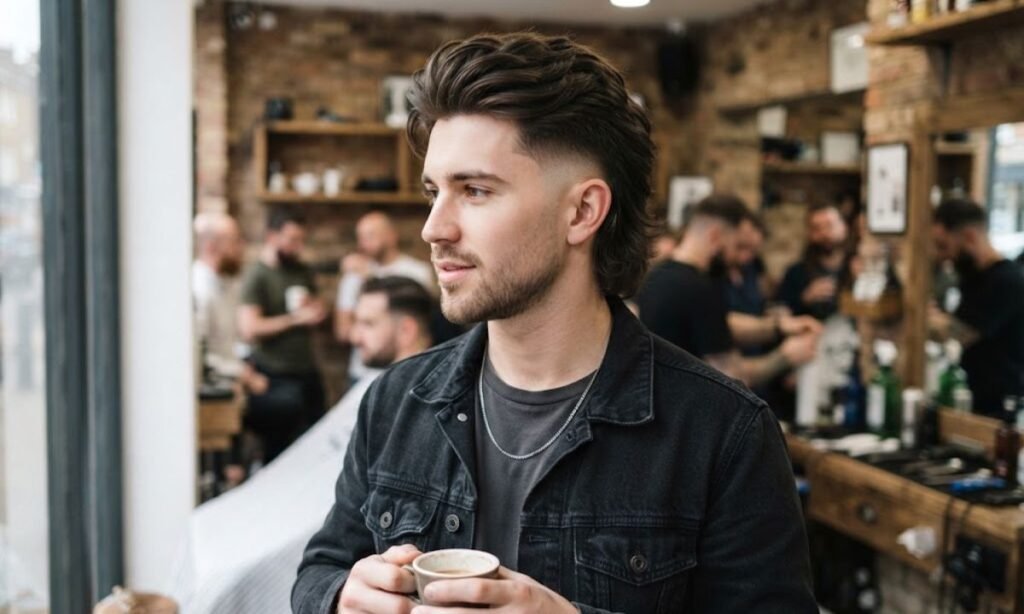
Think of this as the 2026 update. The modern mullet trades heavy, chunky layers for softer, textured top styling and a tapered fade that blends almost seamlessly.
It borrows from contemporary mullet style trends you’ll see on stylists’ social pages. Less “rockstar,” more “guy who reads GQ on weekends.”
You’ll notice less side bulk with this version too, since the goal is a sleeker silhouette overall.
3) Mullet Low Fade Haircut
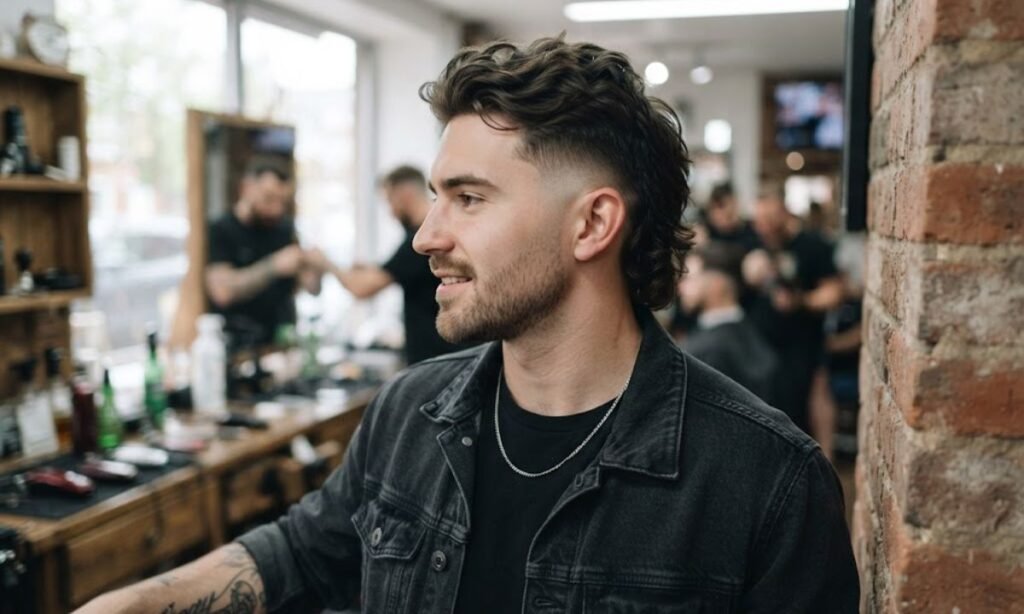
Same idea, different phrasing, but barbers sometimes interpret it slightly differently. Here the focus shifts to how the fade meets the mullet’s back length.
The blend needs to be smooth, almost invisible, so there’s no harsh line between short and long. Ask for a fade blend rather than a hard part if this is the vibe you want.
It works especially well with straight hair, since the fade shows off clean lines more easily.
4) Mullet Low Fade
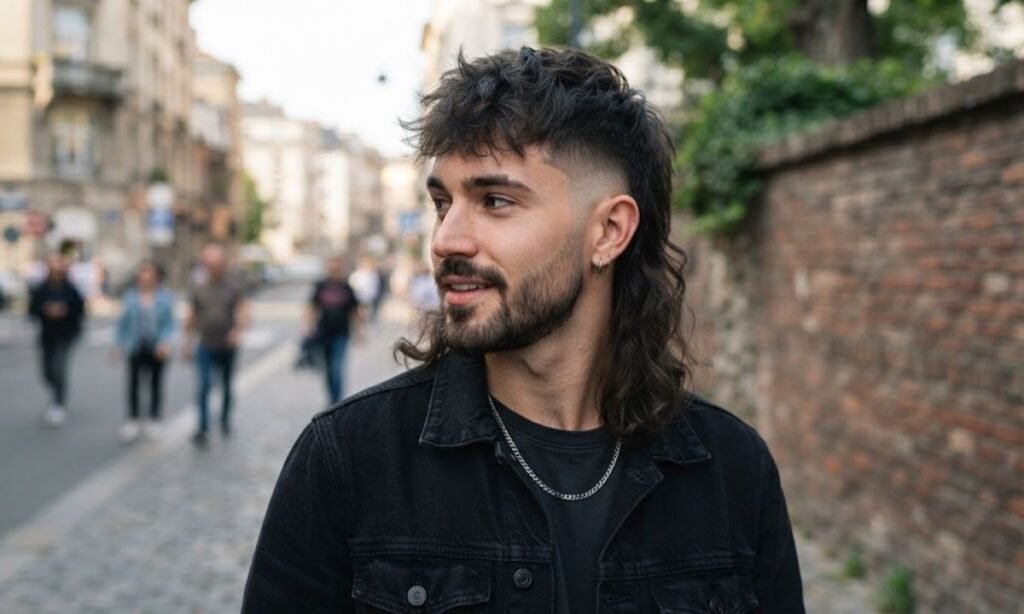
A shorter way to say the same request, but some clients use it to mean a slightly bolder back length. The back stays fuller here, with less taper toward the nape.
If you like a bit more drama without going overboard, mention “keep more length in the back” when you sit down.
That one sentence saves you from a disappointing trim.
5) Low Mullet Fade
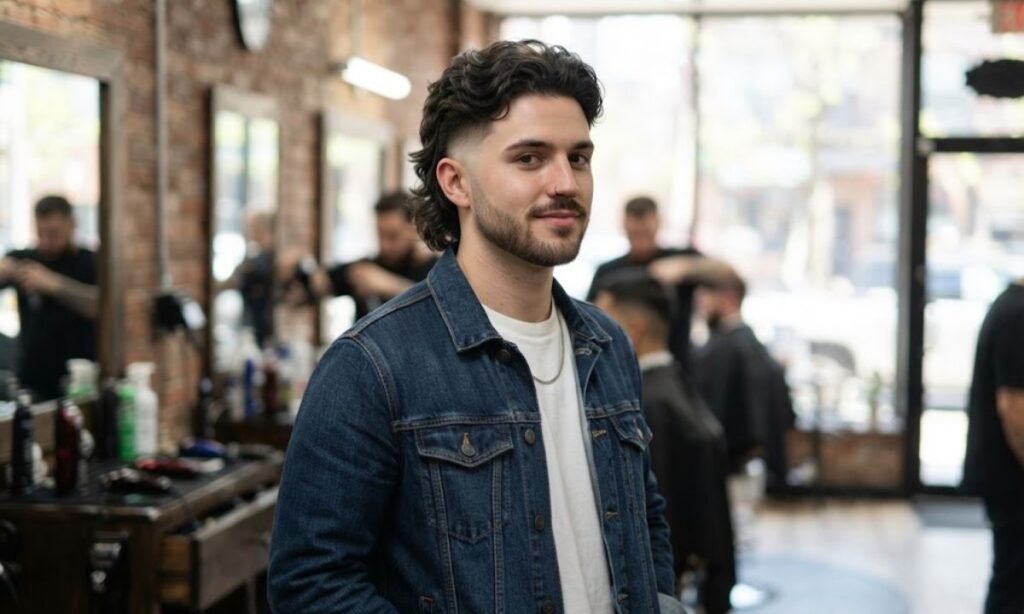
This version leans into subtlety even more. The fade barely peeks above the ear, and the top isn’t dramatically longer than the sides.
It suits guys who want mullet energy without anyone at work actually noticing. Quiet rebellion, basically.
Pair it with a light beard trim and it reads as polished, not punk.
6) Low Mullet Haircut
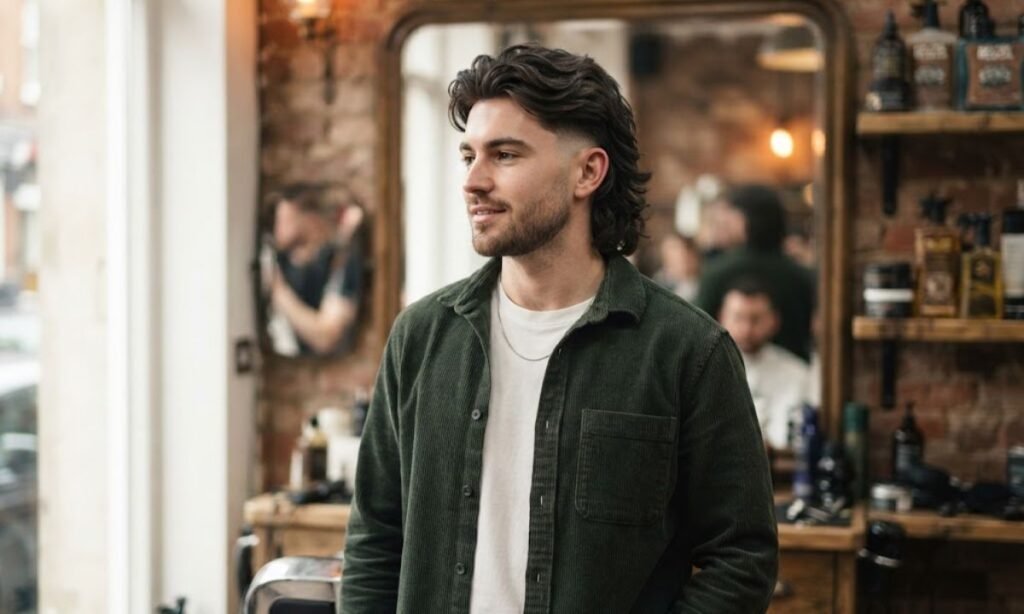
Here, “low” refers less to the fade and more to overall length. Shorter top, shorter back, still mullet shaped, just more restrained.
This is a great option if you’re mullet curious but nervous about commitment. It grows out easily into a fuller style later.
Think of it as training wheels for the bigger cut.
7) Low Mullet
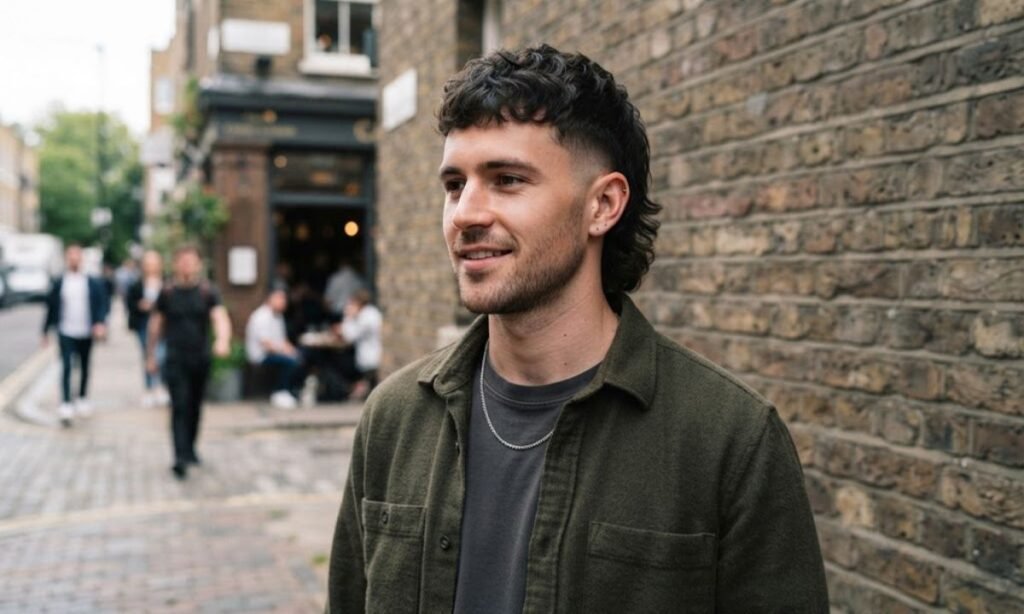
The bare bones version. Minimal fade, moderate back length, low fuss. Good for guys who want the shape without spending twenty minutes styling every morning.
It’s also easier to maintain between visits, since there’s less hair density up top to manage.
8) Low Fade Mullet Length Guide
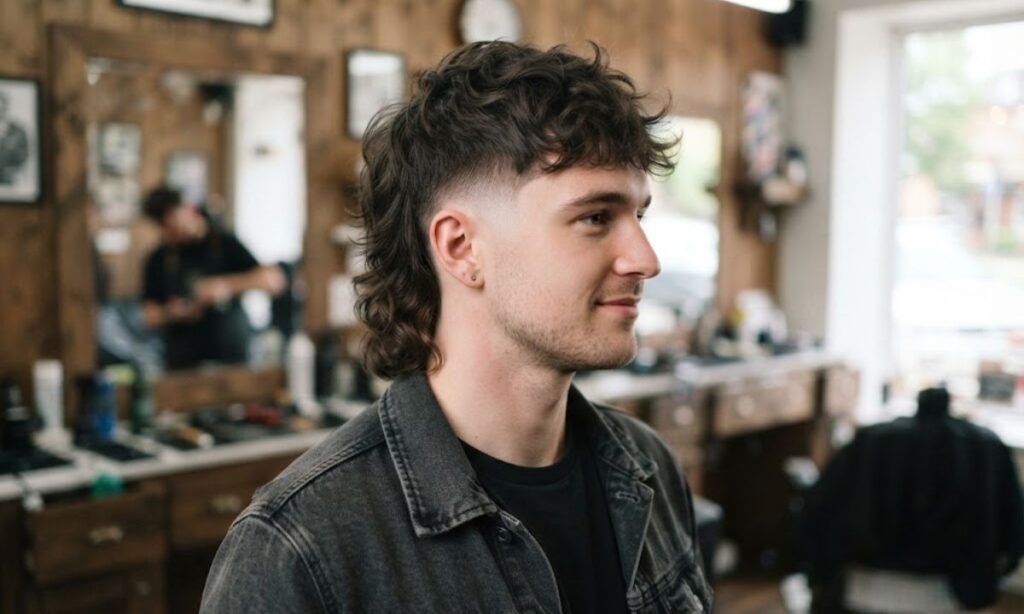
Length matters more than people think. Sides usually sit at a number 1 or 2 guard, the top runs anywhere from two to four inches, and the back can stretch from three to six inches depending on how bold you want it.
Here’s a rough breakdown to bring to your barber:
9) Low Fade Mullet Hairline Design
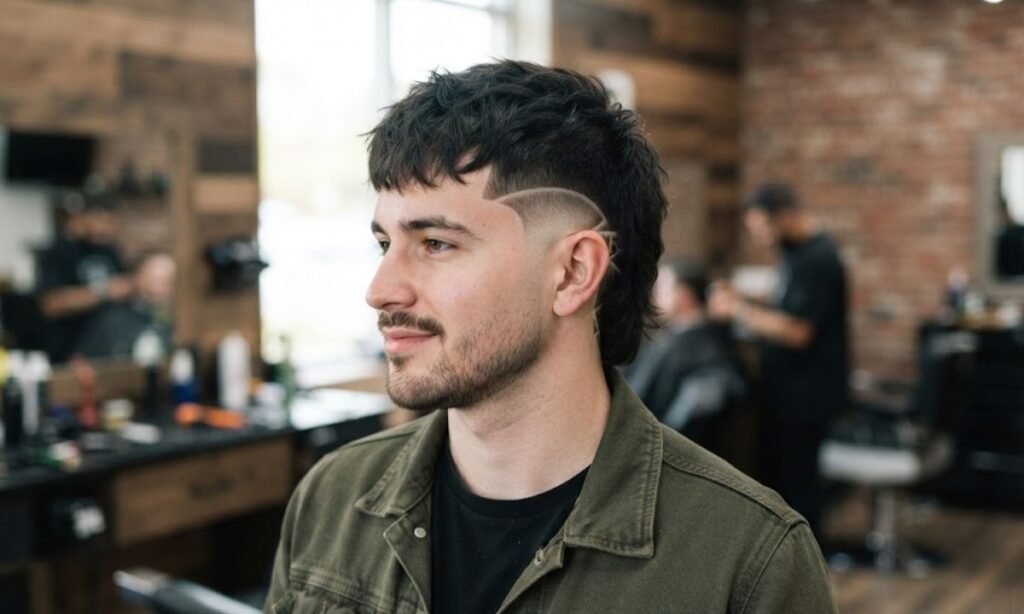
Your hairline shapes how sharp the fade looks. A straight hairline gives a crisp, geometric fade, while a natural, rounded hairline softens the whole look.
Barbers can design around cowlicks or a receding spot too, so don’t assume a tricky hairline rules this cut out. It usually just means a slightly different approach.
Mention any hairline quirks before the clippers come out. It saves a redo appointment.
10) Low Fade Mullet Crown Balance
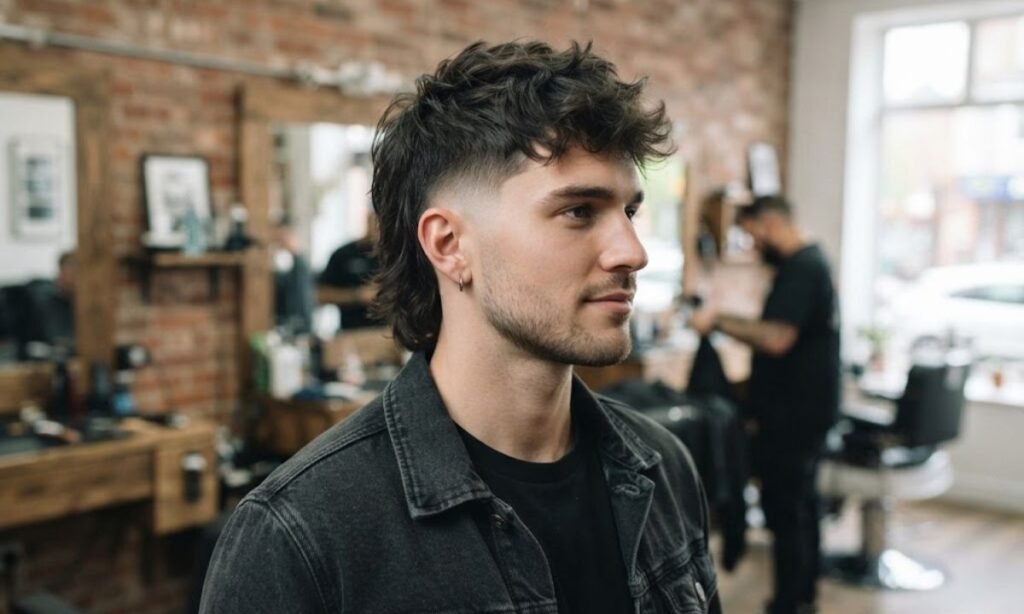
The crown, that swirl at the back of your head, decides how your layered back falls. If your crown pushes hair one direction, a good barber will cut with that flow instead of against it.
Fighting your crown means fighting your hair every single morning. Working with it means less styling routine, more actual living.
11) Low Fade Mullet Neckline Shapes
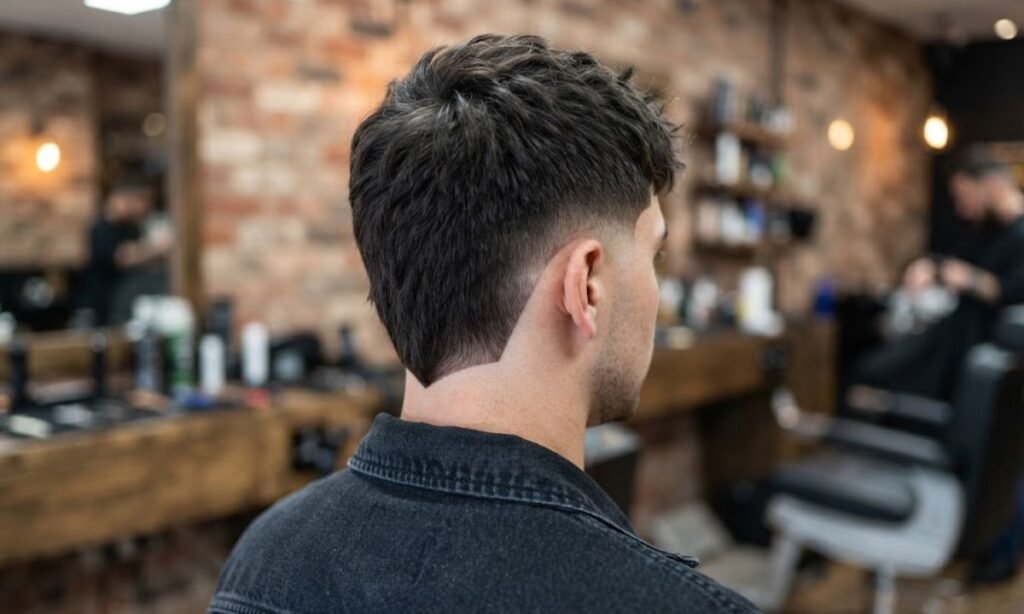
Necklines come in a few basic shapes: rounded, squared off, or tapered. A clean neckline with a slight taper usually looks the most natural on a low fade.
A squared neckline can look sharp too, but it needs more upkeep to stay crisp. Ask your barber which shape suits your hair texture and growth pattern.
12) Low Fade Mullet for Thick Hair
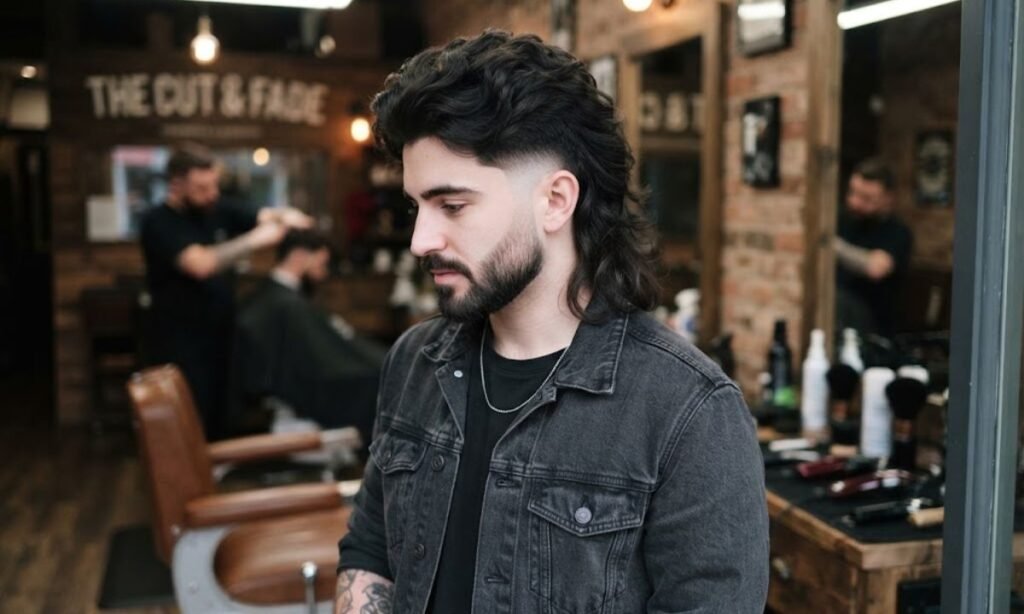
Thick hair gives this cut serious volume, especially up top. The fade actually helps here, since it removes bulk from the sides and lets the top do all the talking.
Regular thinning shears during your trim keep the hair density manageable. Otherwise things can get puffy fast, especially in humid weather.
A matte clay works wonders for taming thick strands without weighing them down.
13) Low Fade Mullet for Fine Hair
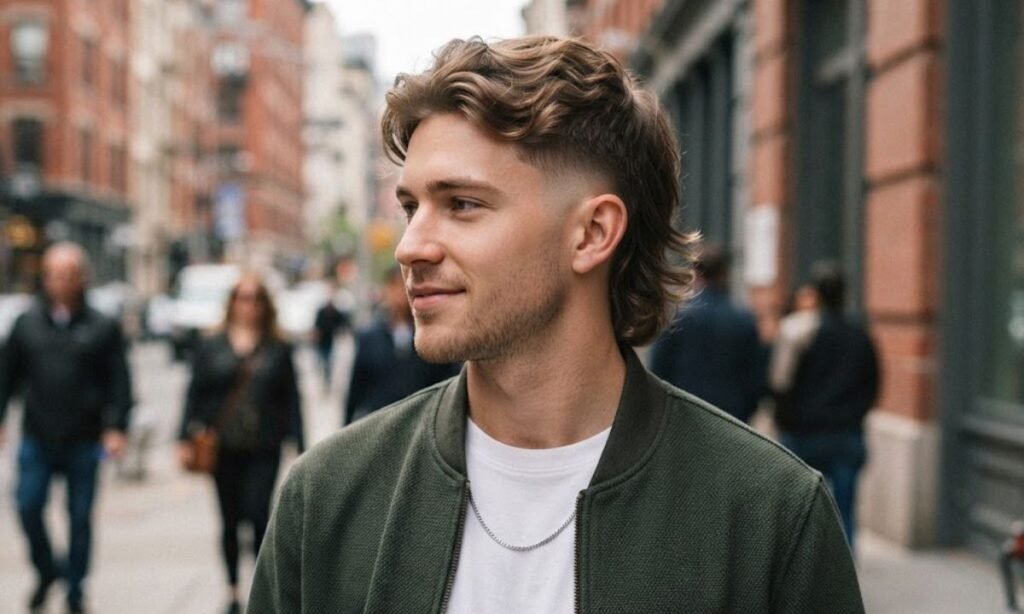
Fine hair needs a different game plan. Too much length up top and it can look flat instead of full.
Shorter layers, blow dried with a vent brush, create the illusion of thickness. A lightweight oil or light paste adds shine without crushing the strands.
Skip heavy pomades here. They’ll drag fine hair down instead of lifting it.
14) Low Fade Mullet for Wavy Hair
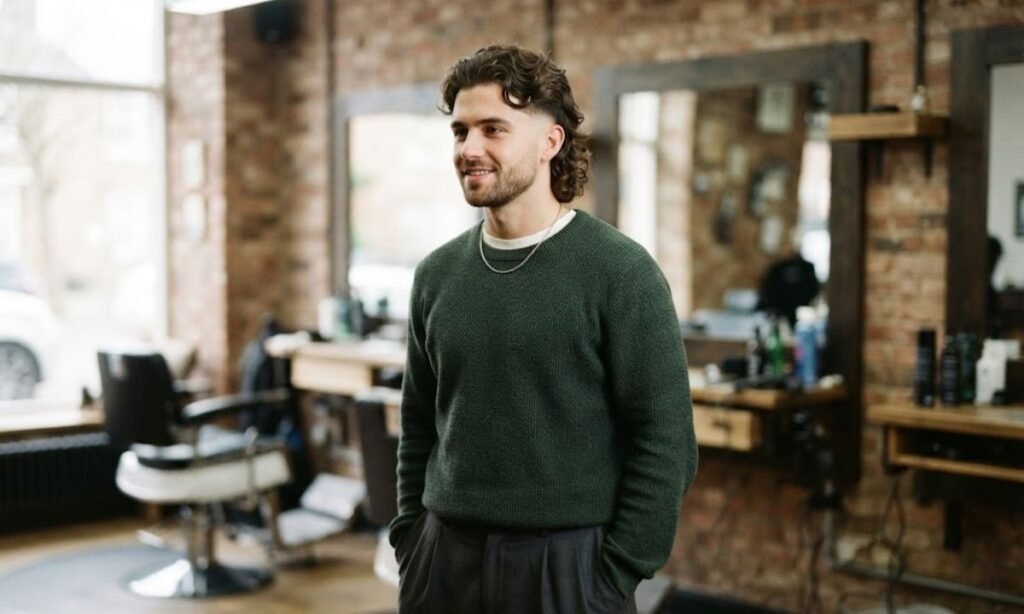
Wavy hair is basically made for this cut. The natural hair movement does half the styling work for you.
A little sea salt spray scrunched through damp hair enhances the wave pattern. Let it air dry, or use low heat if you’re in a rush.
This combination gives you that effortless, “I woke up like this” texture barbers charge extra for.
15) Low Fade Mullet for Curly Hair
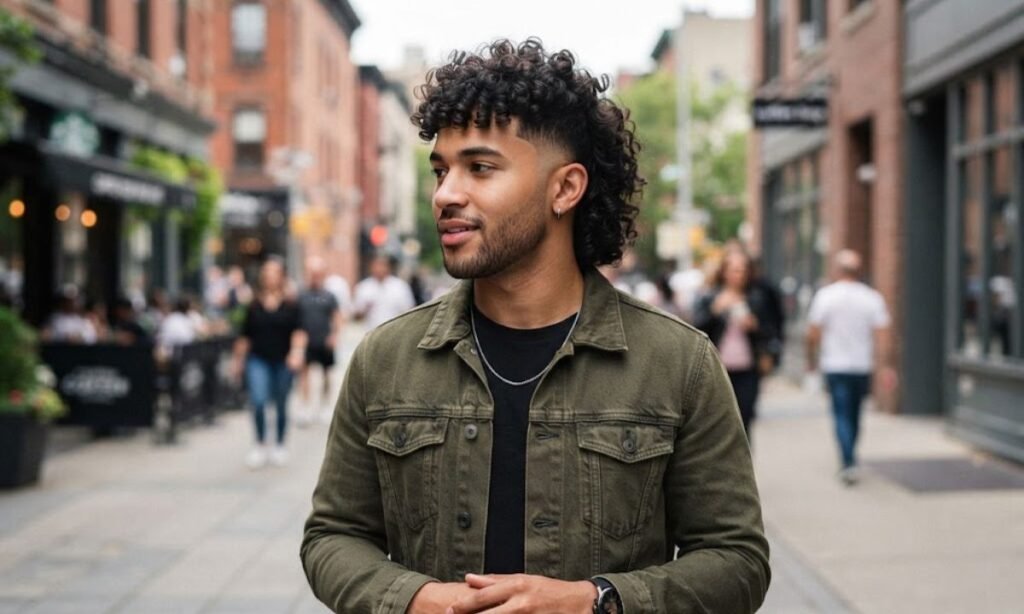
Curly hair adds bounce and personality to the layered back. The fade keeps curls controlled on the sides while the top stays free to do its thing.
Deep condition regularly, since curls dry out faster than straight strands. A deep conditioner once a week keeps curls springy instead of frizzy.
Diffusing on low heat protects curl pattern while still speeding up drying time.
- Sides: Number 1 to 2 guard
- Top: 2 to 4 inches for movement
- Back: 3 to 6 inches for that signature tail
Bring these numbers in, and you’ll skip the awkward back and forth in the chair.
Mid Fade Mullet Section
16) Mid Fade Mullet
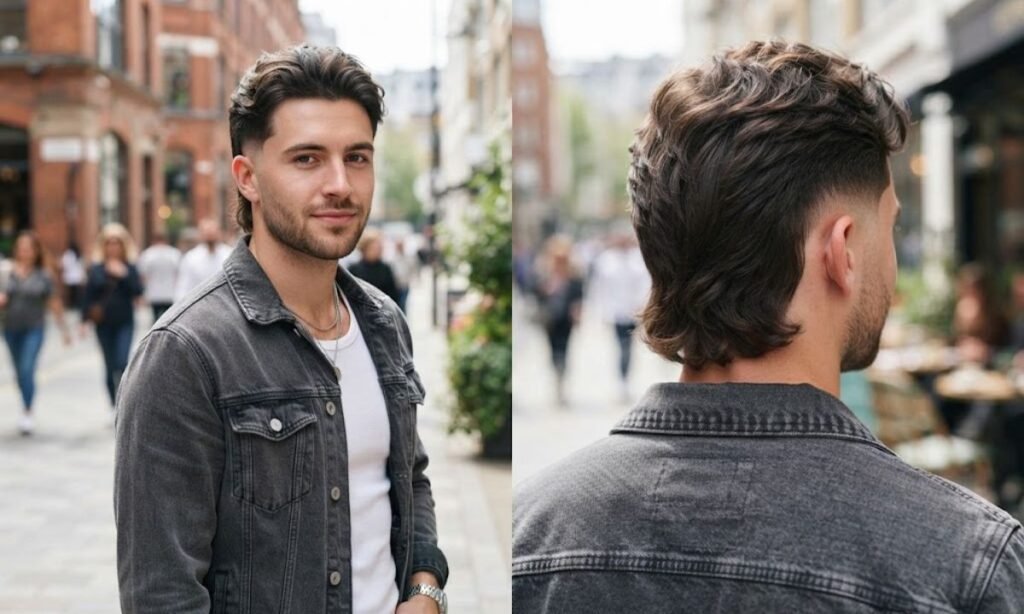
The mid fade mullet starts its blend higher, around temple level. It’s the middle ground between subtle and bold, which is exactly why so many guys pick it.
You get more visible contrast between the short sides and the long top, without going full statement piece.
17) Mid Fade Mullet Haircut
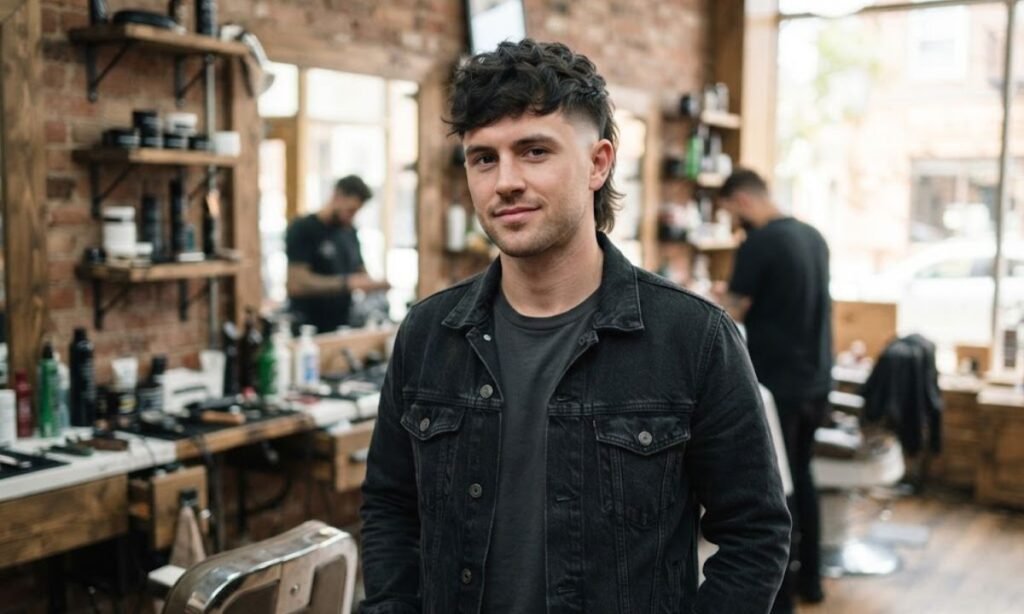
Technically, this is the same cut, just phrased differently by different barbershops. The fade zone sits mid skull, giving a noticeably sharper look than the low version.
It photographs well too, if that matters to you. The extra contrast shows up clearly in pictures.
18) Mullet Mid Fade
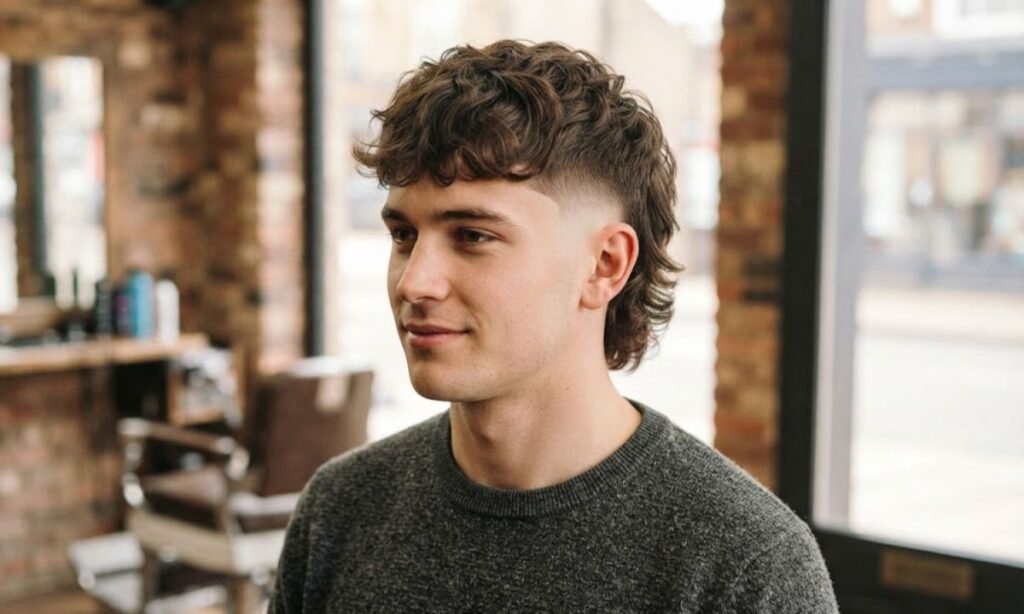
Word order swap, same result. Some clients use this phrasing specifically to ask for a slightly higher blend point without changing the back length.
Small wording changes like this can actually help you communicate more precisely with your barber.
19) Mid Mullet Fade
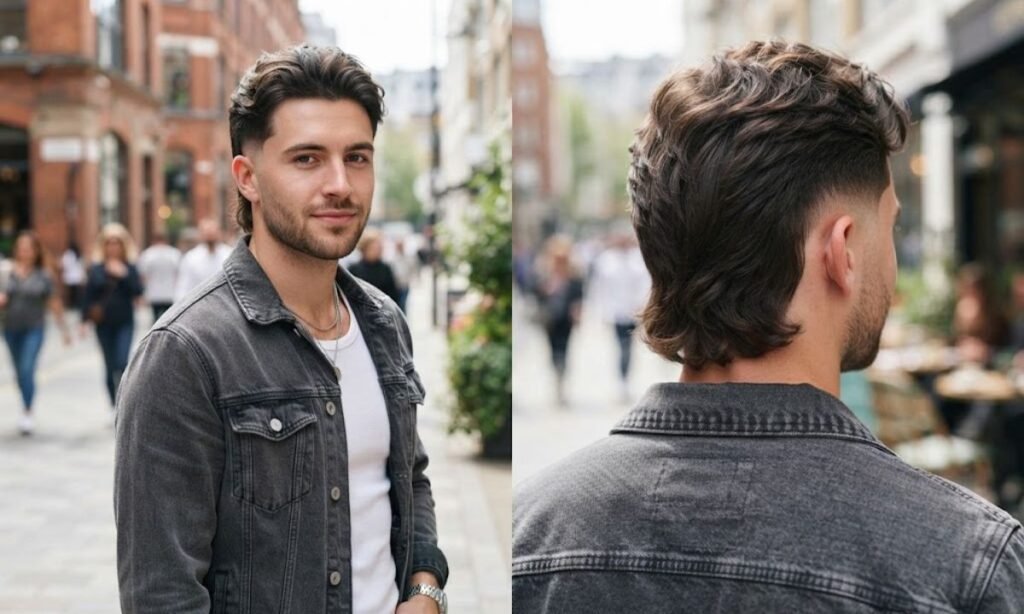
Here the emphasis often lands on keeping the mullet shape intact while the fade does the heavy lifting for style points. Back length stays classic, only the sides get the upgrade.
20) Mid Mullet Haircut
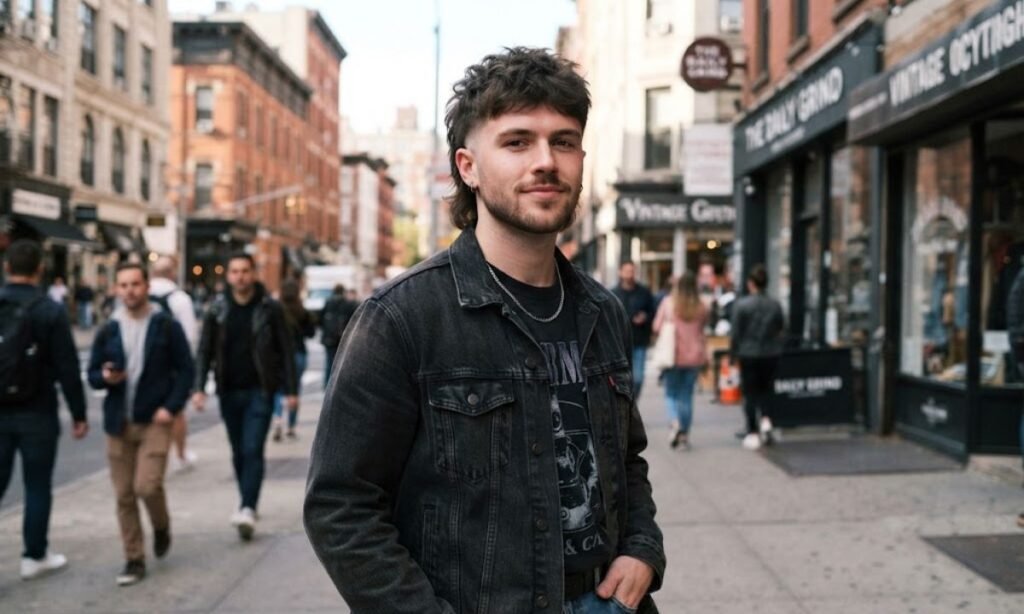
A slightly shorter overall cut with the fade positioned mid height. Good for guys transitioning from a low mullet haircut who want a bit more edge.
21) Mid Mullet
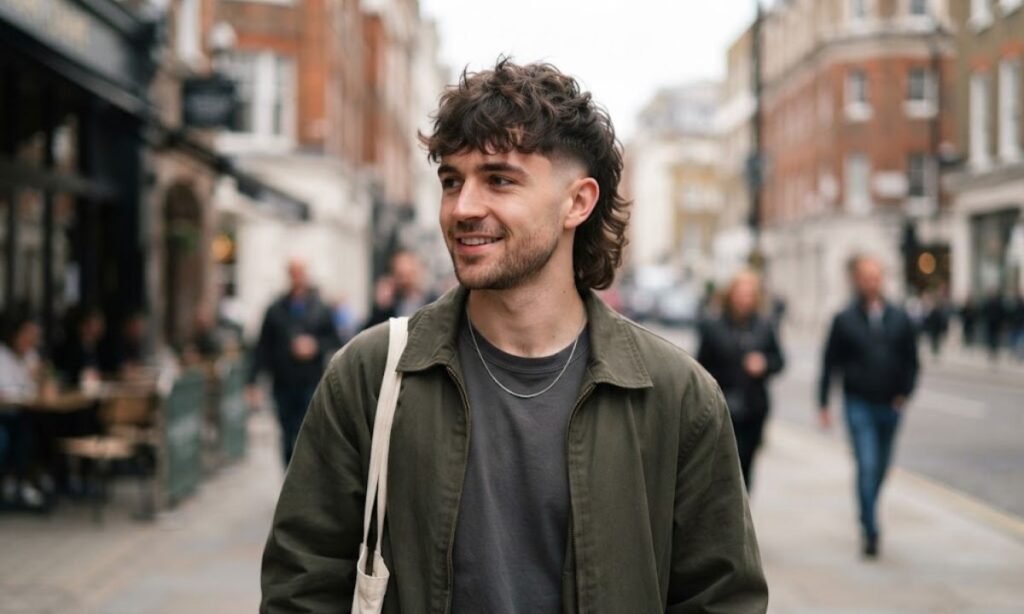
The shorthand version, often requested by guys who already know their preferred length and just want the fade adjusted. Quick to communicate, quick to execute in the chair.
High Fade Mullet Section
22) High Fade Mullet
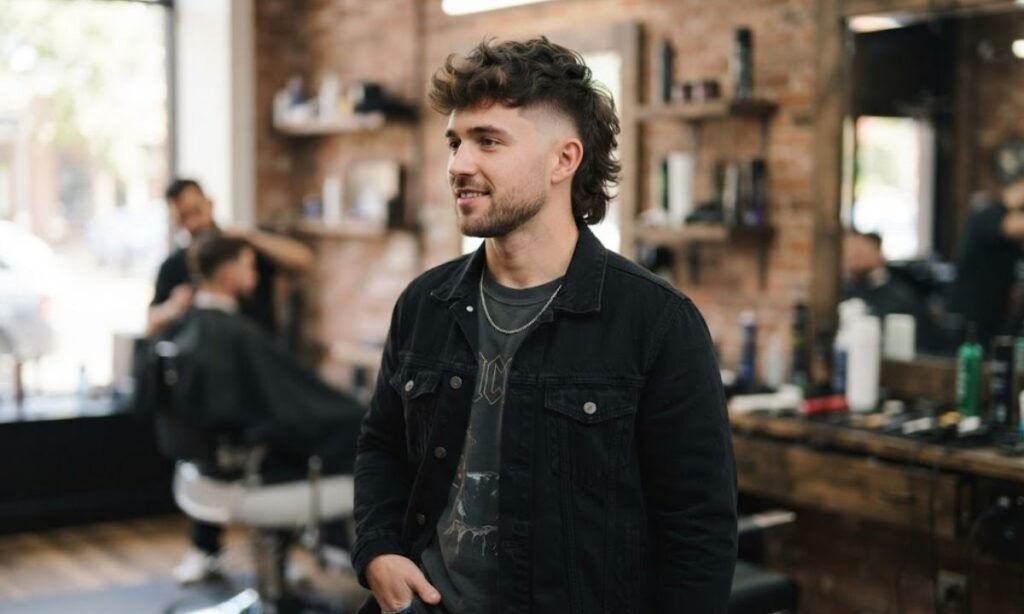
The high fade mullet pushes the blend well above the ear, sometimes close to the crown. This creates maximum contrast between short sides and the long, flowing back.
It’s bold. It’s not for guys who want to blend into a boardroom quietly.
23) High Mullet Fade
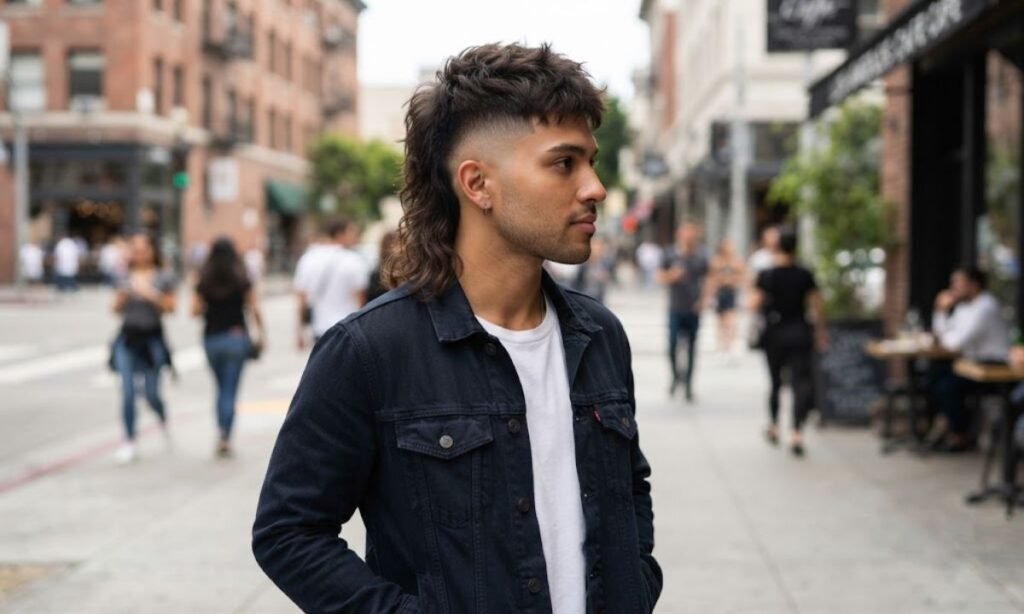
Same energy, different word order. This version often pairs with short sides and a fuller top for extra drama.
24) High Mullet Haircut
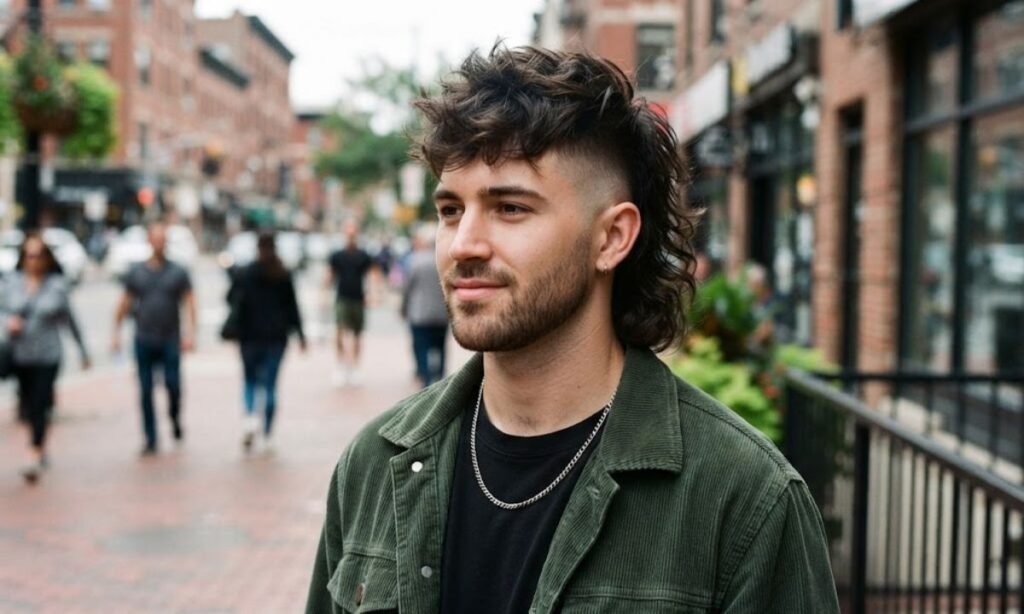
A complete high contrast package. Short, sharp sides meet a noticeably longer top and back, creating that unmistakable edgy silhouette barbershops love showcasing.
25) High Mullet
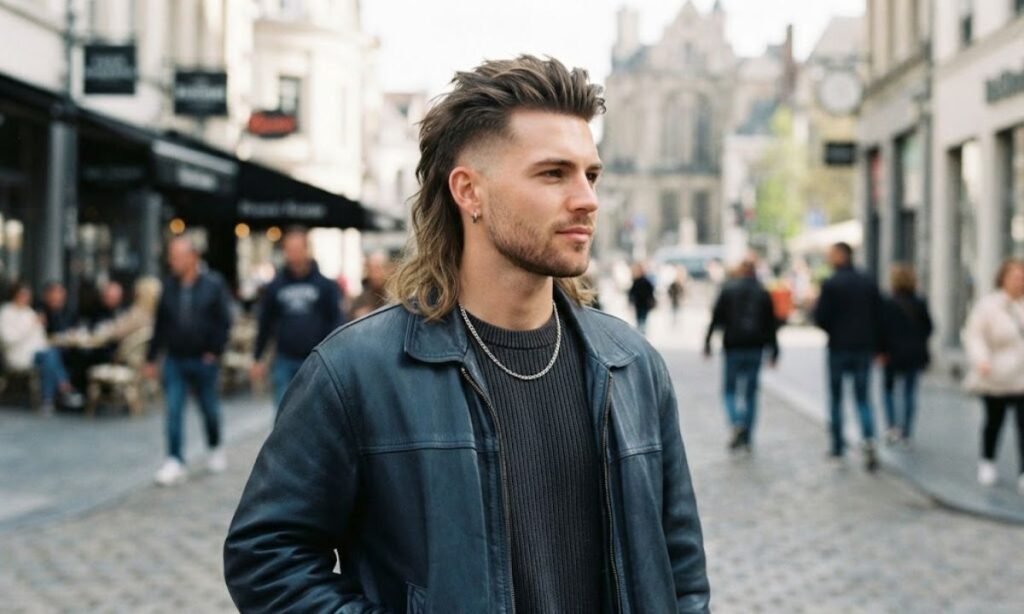
The boldest, shortest way to ask for it. If you walk in and just say “high mullet,” most barbers know exactly what you mean.
Low Fade Mullet vs Mid Fade Mullet vs High Fade Mullet
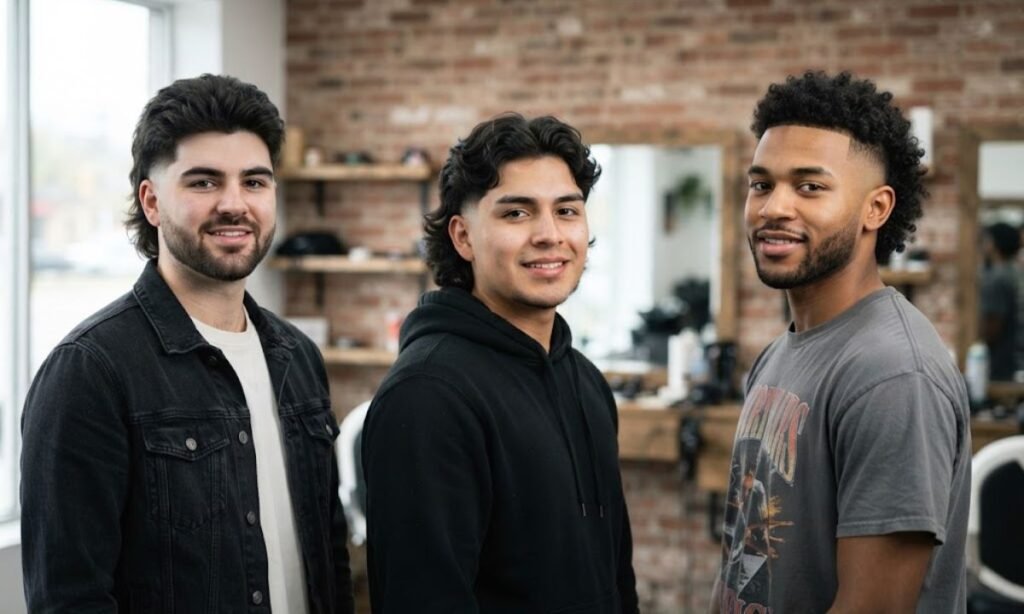
Choosing between these three comes down to how much contrast you actually want. Low fade mullet vs mid fade mullet debates usually end with people picking low for work, mid for everyday life.
Low fade mullet vs high fade mullet is a bigger jump. High fade suits creative fields, music scenes, or anyone who genuinely wants heads to turn.
There’s no wrong answer here. It’s really about your comfort level with attention.
How to Style in Three Steps
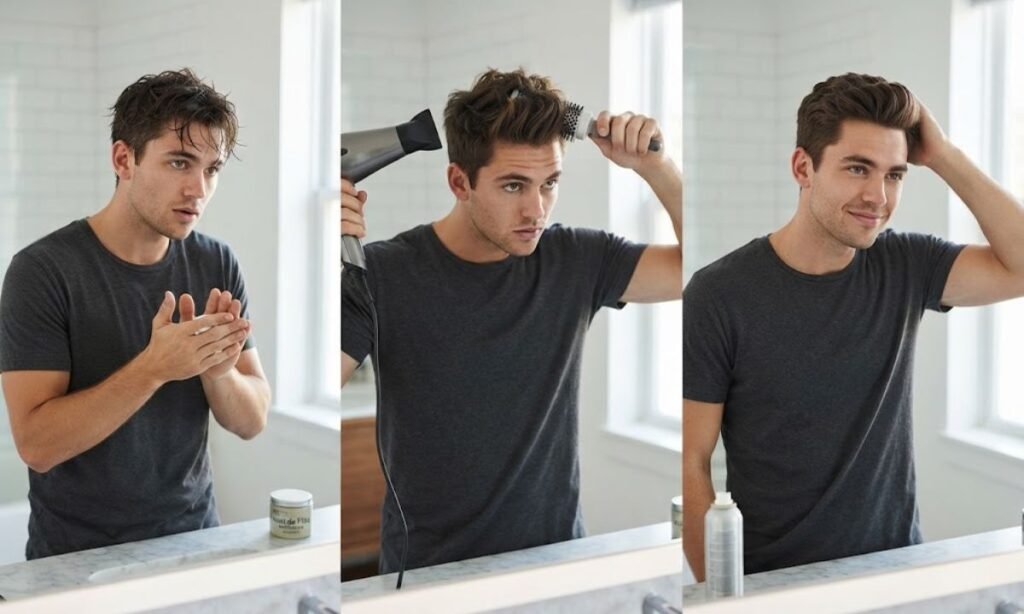
Getting this haircut to look good every day doesn’t require a cosmetology degree. Three simple moves handle most of the work.
Step one: Towel dry your hair until it’s damp, not soaking. Apply a small amount of matte pomade or matte clay evenly through the top.
Step two: Use a vent brush to blow dry on low heat, lifting at the roots for volume. Direct the airflow in the direction you want your hair movement to fall.
Step three: Finish with a light sea salt spray for texture, or a lightweight oil if your hair leans dry. Scrunch gently, don’t overwork it.
That’s genuinely it. Most guys have this down to a five minute routine within a couple of weeks.
Barber Instructions
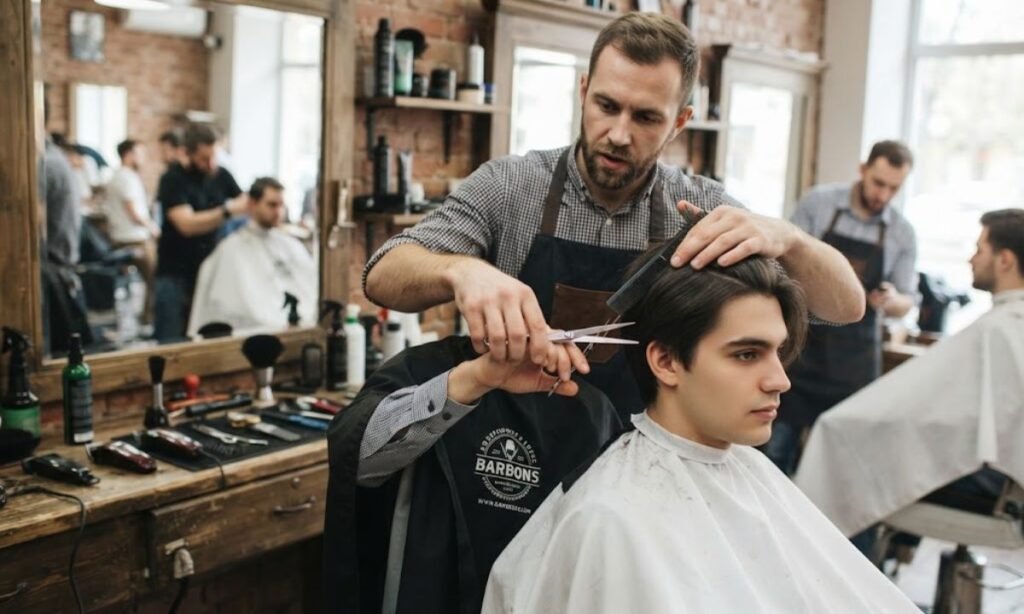
Knowing how to ask barber for low fade mullet results saves you from leaving disappointed. Specific language beats vague requests every single time.
Try this: “Number 1 guard on the sides, fading to zero at the hairline, leave the top at three inches and the back at four.” That’s a real set of barber instructions, not a vague hope.
Bring a photo too. Even the best verbal description benefits from a visual backup in the barbershop chair.
Don’t forget to mention your face shape preference either. A good barber will adjust the top’s fullness to balance a round face, square face, or long face accordingly.
Care and Upkeep
Low fade mullet maintenance isn’t complicated, but it does need consistency. The fade zone grows out fastest, so that’s where regrowth shows first.
Most barbers recommend a four to six week trim cycle to keep the fade sharp. Stretch it longer and the blend starts looking patchy instead of intentional.
A satin pillowcase helps reduce friction overnight, which cuts down on hair dryness and frizz, especially for wavy hair and curly hair types. It’s a small swap that makes a noticeable difference.
Keep a trimmer at home for quick touch ups between barbershop visits. Cleaning up your neckline yourself for a week or two extends the fresh look without another appointment.
Mullet with Beard Pairings
A low fade mullet with beard combo is one of the most requested looks right now. The beard balances the extra hair volume up top and gives the whole face more structure.
A short mullet with beard works especially well for guys with a long face, since the beard adds width at the jaw. Keep the beard neatly lined up with your neckline fade for a cohesive, professional mullet haircut finish.
Choosing by Face Shape
Not every mullet variation flatters every face the same way. A round face usually benefits from more height on top, which a mid fade mullet or high fade mullet delivers naturally.
A square face can handle almost any version, since strong jawlines pair well with bold contrast. Meanwhile, a long face often looks best with a low fade mullet, since it avoids adding extra vertical length.
You can also checkout this article as well Low Taper Fade Black Male: 2026 Barber Guide for Waves, Curls, Afros & Locs
Conclusion
The low fade mullet isn’t just a trend chasing headlines. It’s a genuinely flexible cut that adapts to hair types, face shapes, and personal style preferences without much fuss.
Whether you land on the low taper mullet, experiment with a mid mullet fade, or go all in on a high mullet haircut, the key is clear communication with your barber and a bit of consistent upkeep.
Try one version, live with it for a few weeks, and adjust from there. That’s really how the best haircuts happen anyway, through small tweaks, not one perfect first attempt.

I’m Michael Charles, the creator of MegaCrazes—your source for fresh hairstyles, sharp haircuts, and simple hair-care inspiration. Find your style. Own your look.
1 thought on “Low Fade Mullet Guide: Styles, Mid and High Options”