


Wondering if a straight hair mullet can work on your head? Yes, it can, and it often works better than on curls. Straight strands show off clean lines, sharp edges, and smooth length contrast.
You might worry it’ll look like a 1985 hockey dad. That’s a fair fear. A modern mullet haircut skips the joke and focuses on shape, soft layers, and a tidy finish.
QUICK ANSWER
A straight hair mullet is shorter in front and longer in the back. The sides stay clean, and the top gets texture. Add a mid fade or low taper, then style it with matte pomade or light clay.
Plan a trim every four to six weeks. Wash with sulfate-free shampoo and blow-dry on low heat. That’s the whole formula. The rest of this guide shows you how to make it yours.
What Is a Straight Hair Mullet?

The mullet is a cut with two personalities. The front and sides run short, while the back keeps its length. On straight hair texture, that split looks crisp and deliberate.
Think of it as a structured shape with a relaxed back door. The top can carry natural movement without turning wild. That’s the big difference from the old-school version.
Today’s cut is softer and more blended. Barbers use point cutting and internal debulking to remove weight without chopping the length. You get a lived-in finish instead of a harsh step.
Why Straight Hair Is Perfect for a Mullet

Straight hair holds a line. When your barber cuts a shape, it stays visible. Curly hair can hide the outline, but straight strands show every choice.
That also means mistakes show up fast. Uneven ends or a blunt back can look messy. So a good cut matters more here.
The upside is control. Straight hair takes a blow-dry well and responds to a vent brush in seconds. You’ll spend less time fighting frizz and more time getting out the door.
Straight Hair Mullet Variations
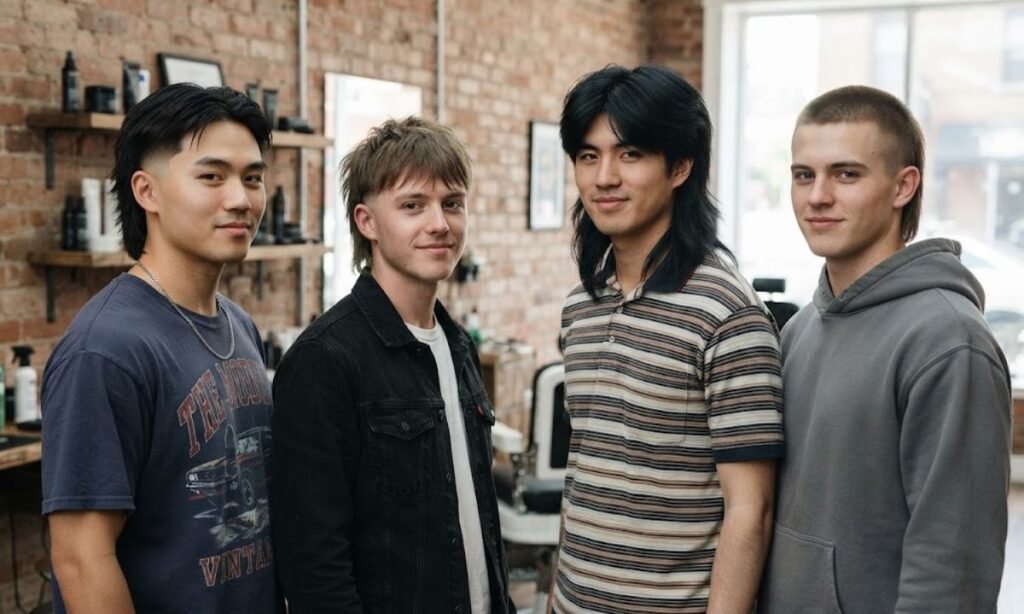
Not every mullet looks the same. Length, layers, and edges change the whole vibe. Here are eighteen ideas, from basics to bold mullet variations.
1. Straight Mullet Basics
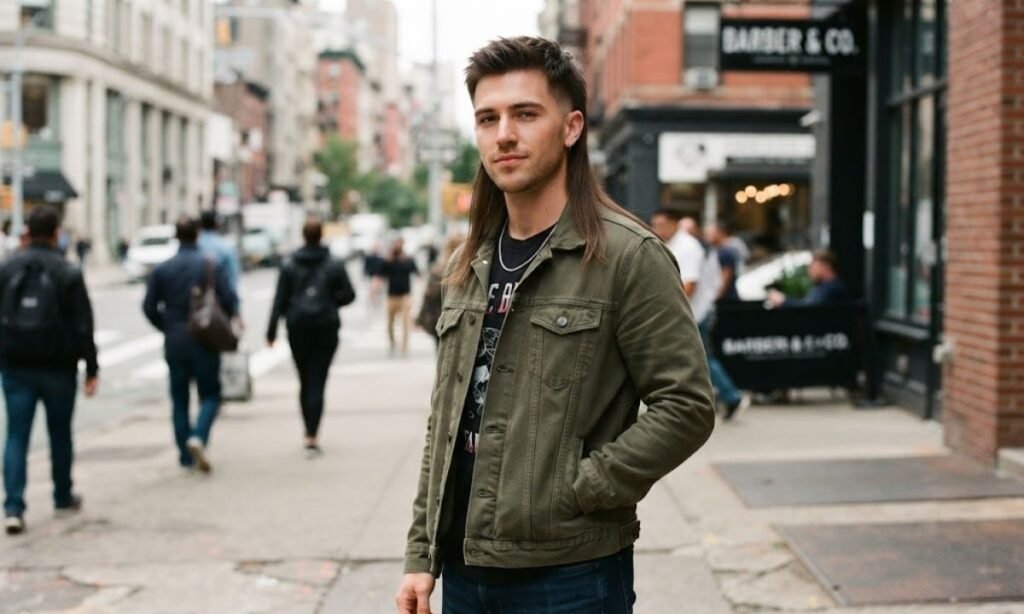
Start with the simple version. The front sits short, the back runs long, and the sides stay neat. No tricks, just a clear length contrast.
This works well as a first mullet. It’s easy to grow out if you hate it. Ask for a slightly longer back so you’ve got room to adjust.
2. Straight Hair Texture

Your straight hair texture decides how the cut behaves. Fine hair lies flat, while thick hair can stand out at the sides. Know which one you’ve got before you sit down.
Fine strands need light texture and a little volumizing mousse. Thick hair needs internal layers to cut the bulk. Tell your barber which group you’re in.
3. Sleek Mullet Shapes
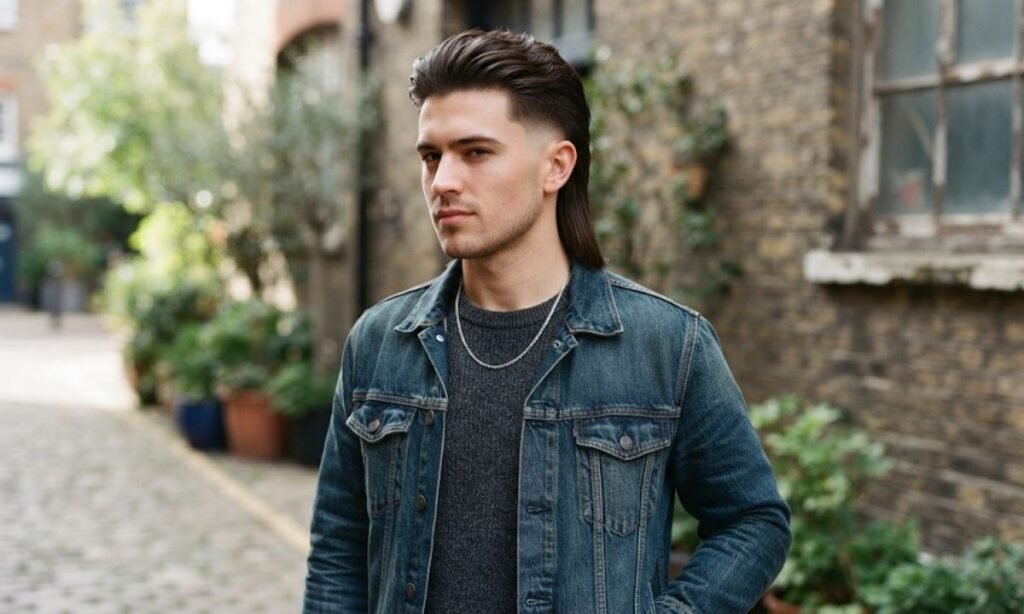
A sleek mullet goes for polish. The top lies smooth, and the back falls in one clean sheet. It suits people who like tidy hair.
Use a bit of lightweight hair oil on the ends. That adds shine without weight. Skip heavy wax, which can make the back look greasy.
4. Mullet Length Balance

Balance is everything. If the back runs too long, the cut looks unplanned. Aim for balanced proportions between the top, sides, and nape.
A good rule is to keep the back just past the collar to start. You can go longer later. Small steps beat a dramatic chop you regret.
5. Classic Straight Hair Mullet
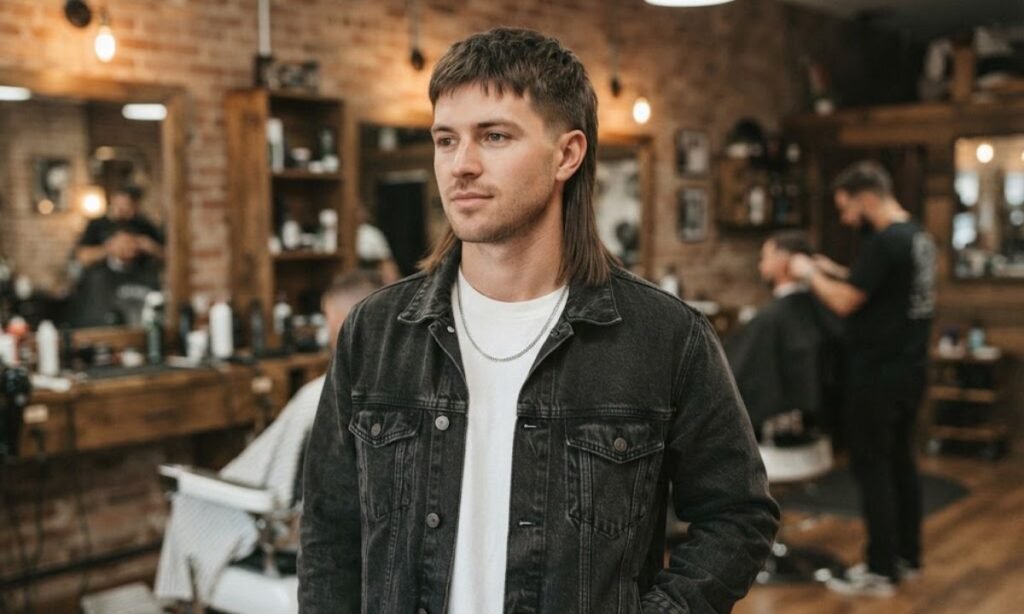
The classic straight hair mullet keeps the old shape. It has a shorter front, a longer back, and a bold split. Think rock stage, but cleaner.
Trim the edges around the ears so the sides look sharp. That single step keeps the look modern. You’ll get the nostalgia without the mess.
6. Modern Straight Hair Mullet

The modern straight hair mullet blends everything together. The layers melt into each other, so nothing looks stepped. It feels more like a haircut and less like a statement.
Barbers use soft layers and a soft taper to smooth the transition. The finish looks relaxed but planned. It’s a safe pick for work and weekends.
7. Short Straight Hair Mullet

Want the look without the length? The short straight hair mullet keeps the back just past the neckline. It reads as a longer crop with attitude.
This version needs less styling and dries fast. It also grows out gracefully. It’s ideal if you’re testing the waters.
8. Long Straight Hair Mullet

The long straight hair mullet gives you a defined, flowing back. It can reach the shoulders if you like. The top stays short for contrast.
Long backs tangle, so brush gently and use a satin pillowcase. Split ends show quickly on straight hair. Trim the tips often to keep the line crisp.
9. Layered Straight Hair Mullet
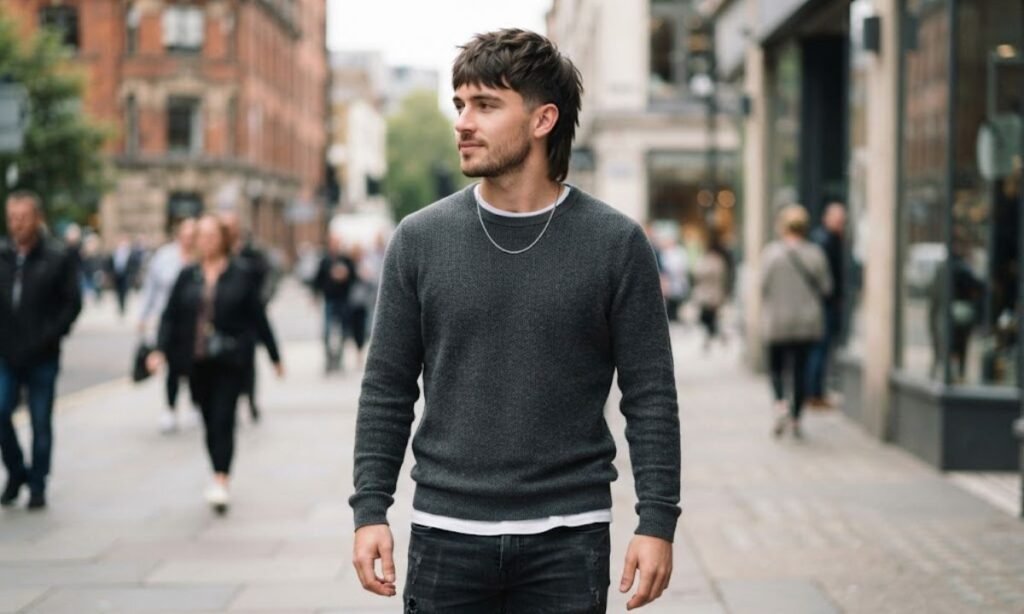
The layered straight hair mullet adds movement through the back and crown. Layers keep the shape from looking flat. You get fluffy layers without losing the outline.
Ask for texture through the crown so the top lifts a little. That gives you a voluminous crown even on fine hair. A quick blast of the dryer does the rest.
10. Layered Mullet Flow

Flow is about how the layers move. Good cutting lets the back swing as you turn your head. Bad cutting leaves stiff chunks.
Ask for a layered back with gentle steps, not sharp ones. The result should feel natural. You’ll notice it most when the wind hits.
11. Straight Hair Mullet with Fringe or Bangs
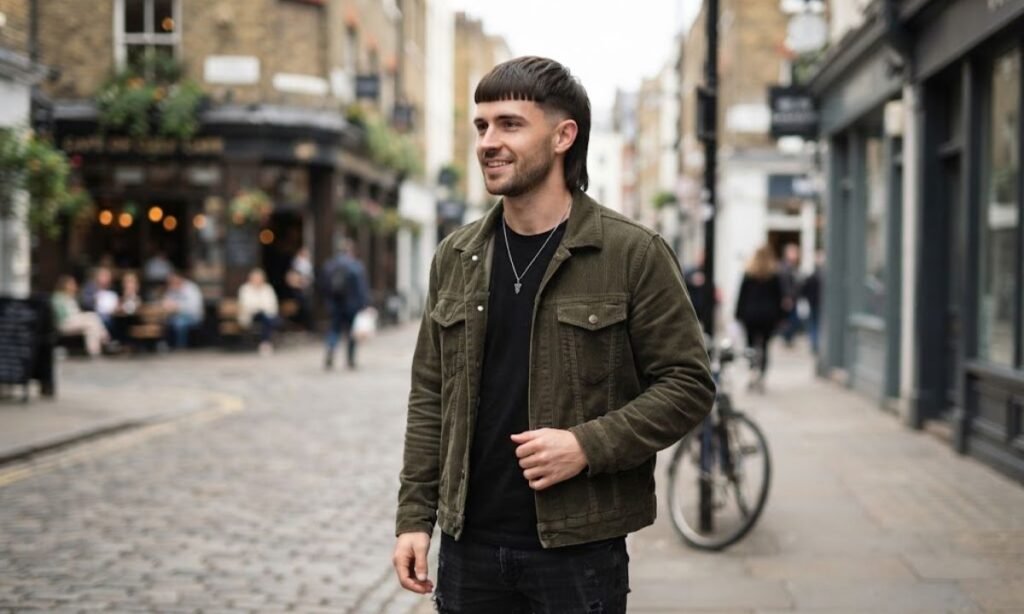
A fringe mullet adds an extra frame. Fringe or bangs soften the forehead and pull the eye to your face. It also gives the cut a more youthful feel.
Straight hair makes bangs look sharp. Just keep them trimmed, or they’ll poke your eyes. A five-minute touch-up at the barbershop fixes that.
12. Straight Hair Shag Mullet
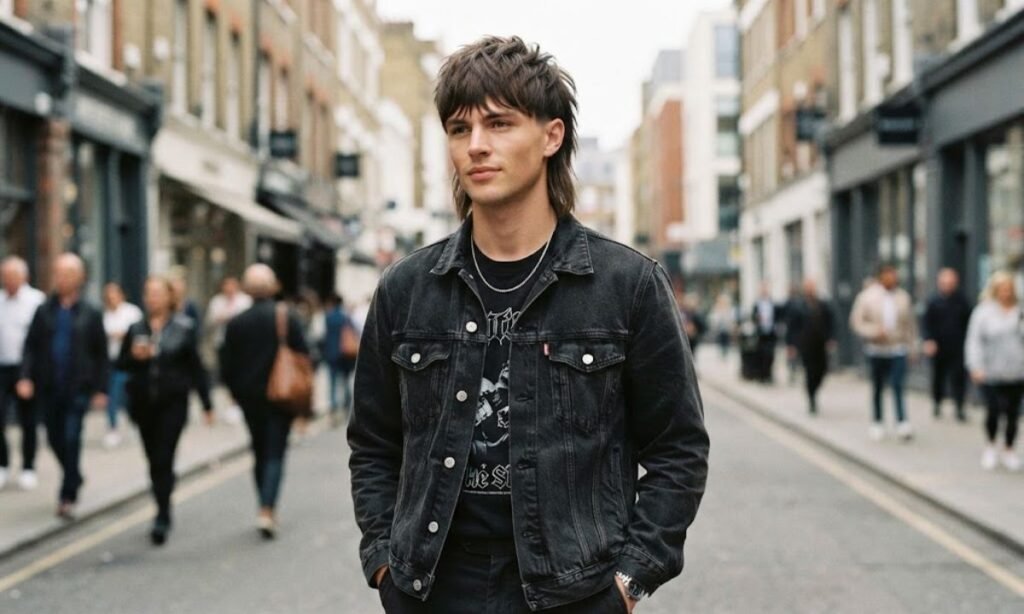
The straight hair shag mullet mixes choppy layers with a long back. It looks messy on purpose. Expect plenty of soft layers and a lived-in finish.
A shag mullet works best with a little texturizing paste. Rake it through with your fingers and walk away. Don’t overwork it, or the charm disappears.
13. Straight Hair Mullet Fade
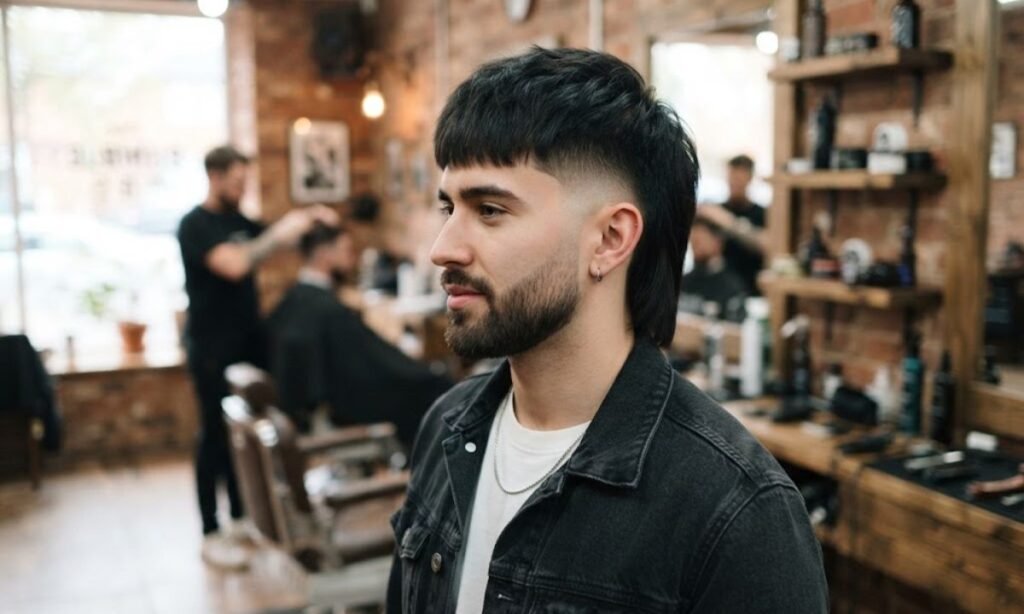
A straight hair mullet fade pairs clean skin-close sides with a long back. The contrast looks sharp and bold. It’s popular in streetwear circles.
A skin fade mullet shows the biggest gap. A softer fade keeps things friendlier. Pick the height based on how bold you want to go.
14. Straight Hair Mullet with Taper Fade

A taper fade mullet trims the sides and neckline gradually. It stays neat without going too short. That makes it easier to wear at the office.
Tapers grow out better than skin fades. You’ll look fresh for longer. If you dislike frequent trips to the barber, choose this one.
15. Low Taper Straight Hair Mullet
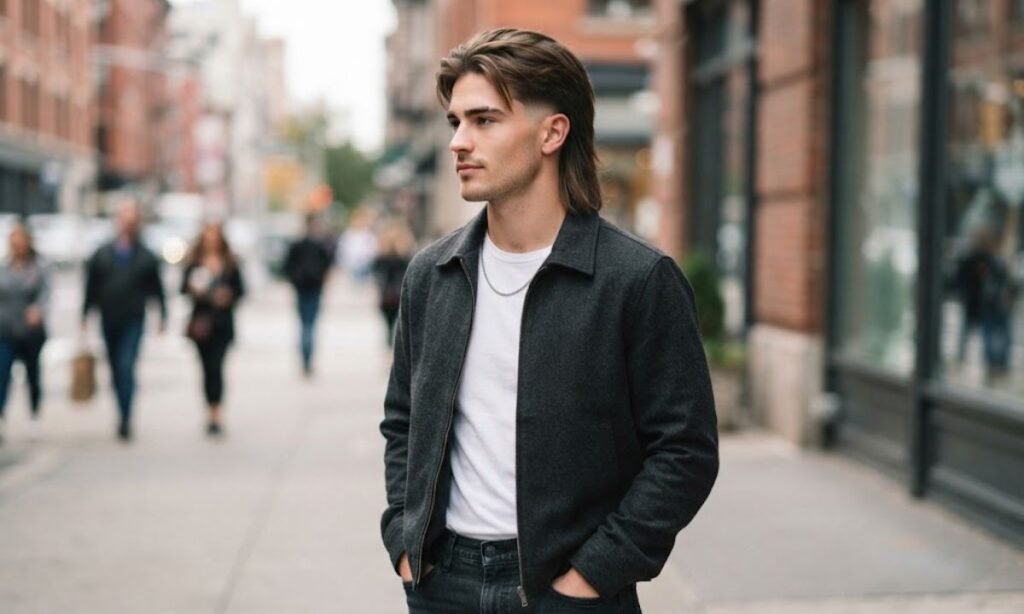
The low taper straight hair mullet keeps the fade near the ears and neckline. The rest of the sides stay a touch longer. It’s a gentle way to get a clean outline.
A low taper suits guys who work in offices or classrooms. It respects school dress codes too. You still get the mullet shape without a loud message.
16. Sharp Mullet Edges
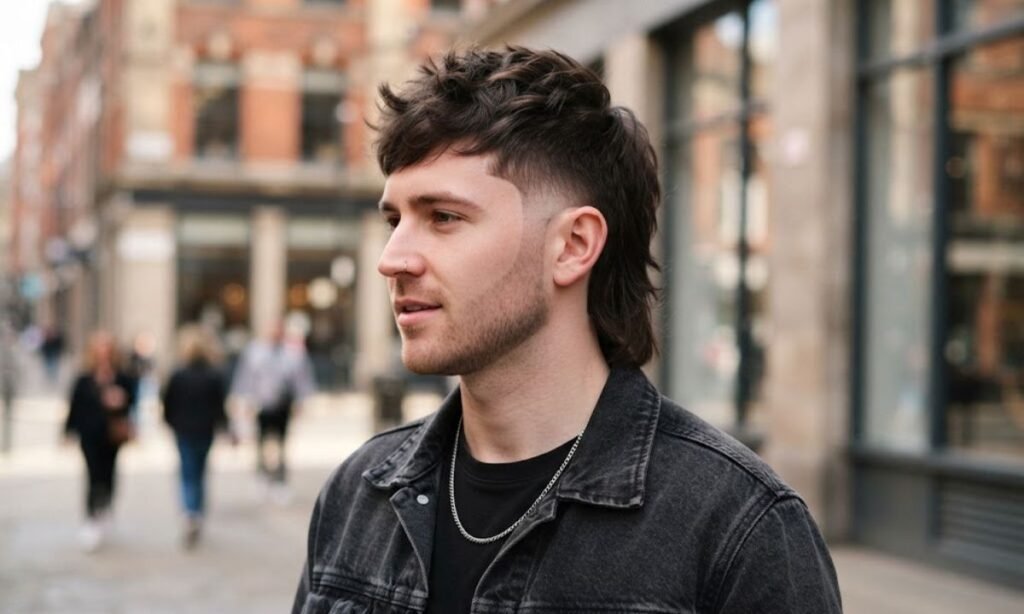
Crisp edges make the cut look expensive. A clean nape and neat sideburns matter more than you’d think. They frame the whole style.
Ask for angular corners at the back if you like a strong outline. Softer curves feel friendlier. Either way, fresh edges make a two-week-old cut look new.
17. Styling Straight Strands
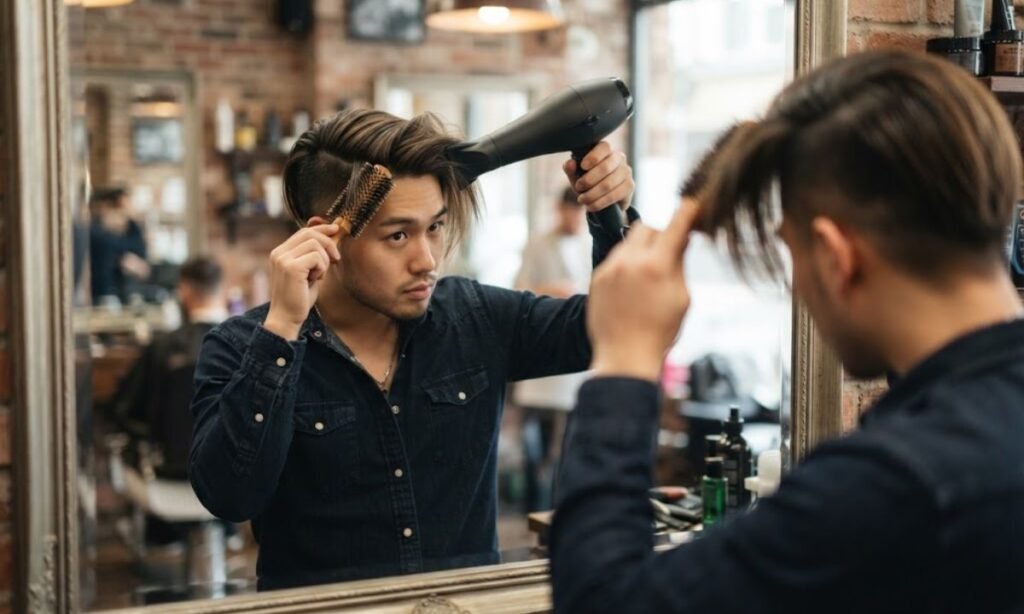
Straight hair can look flat without help. A little light clay gives grip and lift. Work it through damp hair, then dry.
Aim for a matte finish, not shine. Matte hides thin spots and looks more current. Use just a pea-sized amount to start.
18. Straight Mullet Upkeep
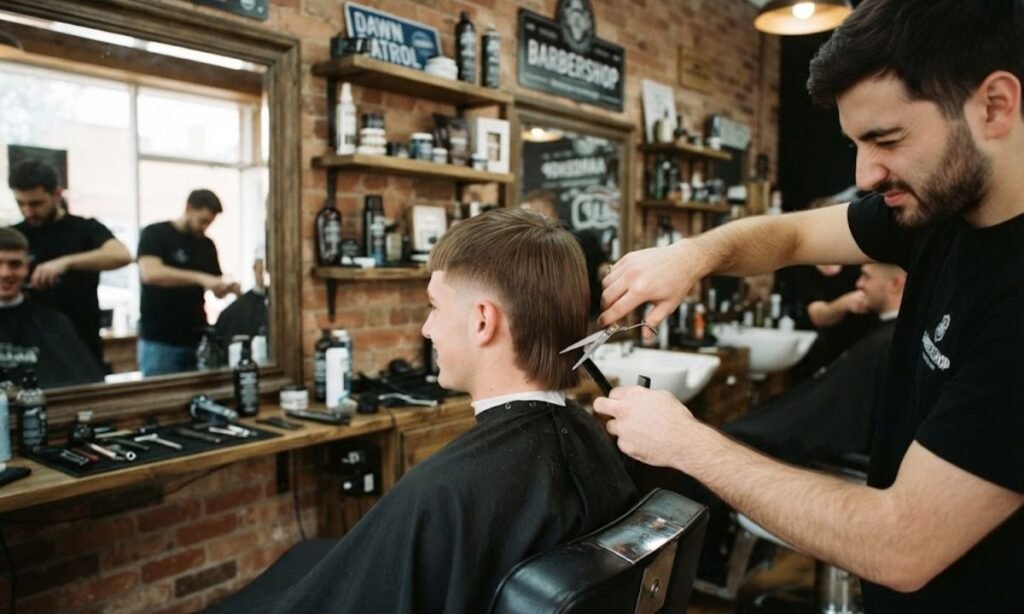
Upkeep is short but steady. A trim every four to six weeks keeps the shape from collapsing. Skipping it turns a mullet into a mop.
Between visits, brush the back and check the edges. Wash with sulfate-free shampoo so your natural oils stay put. Simple habits keep the cut sharp.
How to Style a Straight Hair Mullet
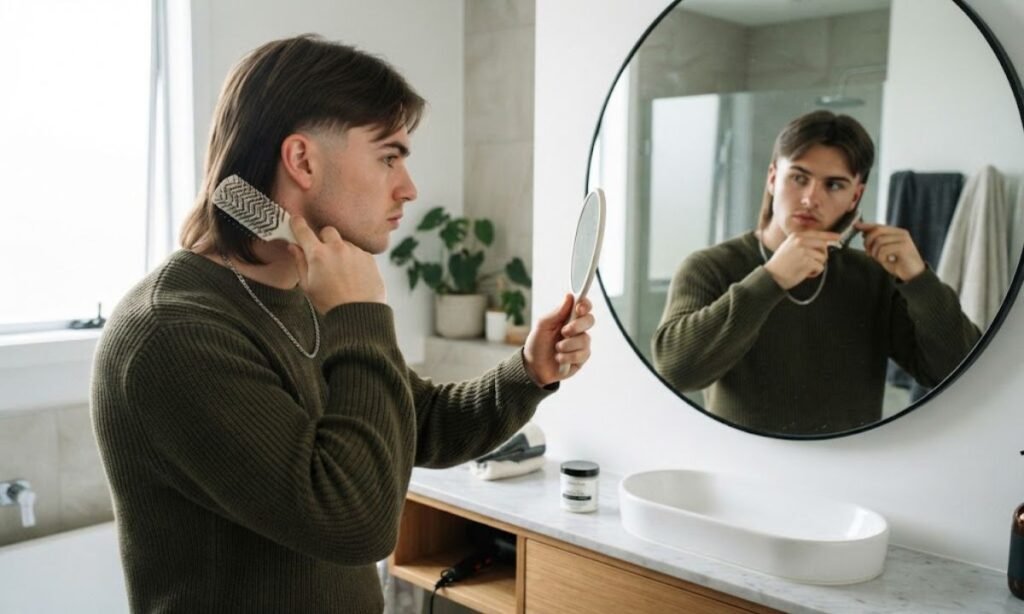
Start with towel-dry hair, not dripping wet. Rub gently instead of scrubbing. That protects the ends and speeds up drying.
Then blow-dry on low heat with a vent brush. Lift the top, and let the back fall straight. Finish with a bit of matte pomade on the front.
Your daily routine should take under five minutes. If it takes longer, the cut probably isn’t right for you. Tell your barber and adjust.
Best Products for a Straight Hair Mullet
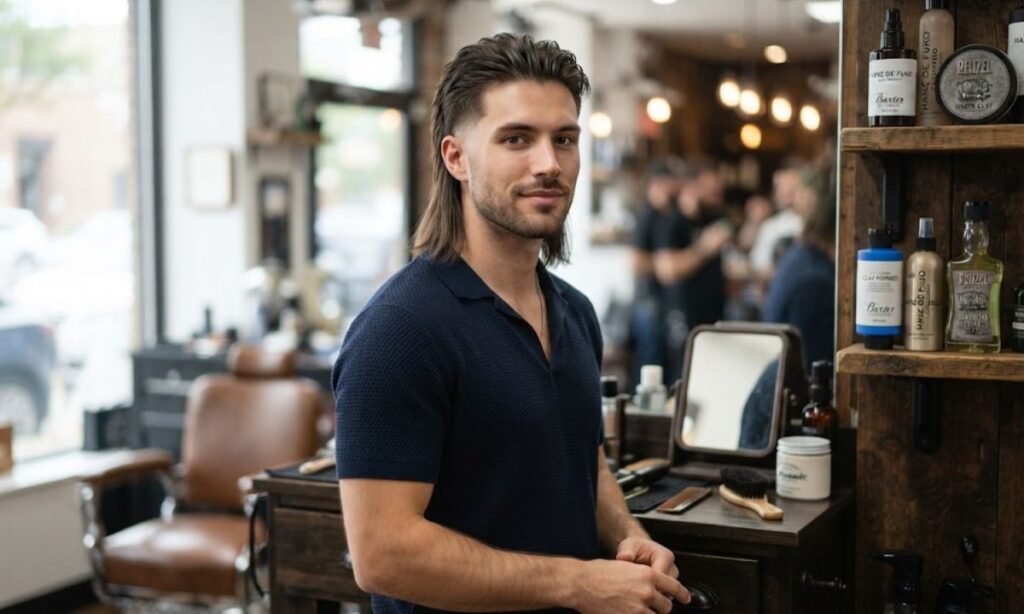
You don’t need a shelf full of bottles. Three or four good picks do the job. Choose based on your hair texture and how much hold you want.
- Matte clay for hold and a dry finish
- Sea salt spray for beachy grip on fine hair
- Texturizing paste for choppy layers
- Lightweight hair oil for smooth ends
- Volumizing mousse for lift at the crown
Use less than you think. Straight hair gets greasy fast, so a small amount goes far. Wash it out at night so it doesn’t build up.
What to Tell Your Barber for a Straight Hair Mullet

Good barber communication saves you from a bad haircut. Bring reference images and point to what you like. Words like “short on the sides” mean different things to different people.
Be specific about numbers and length. Say “mid fade on the sides” or “back just past the collar.” Mention point cutting and internal debulking if your hair is thick.
Ask the barber to explain the plan before cutting. You’ll catch problems early. Then tell them how much time you’ll spend styling each morning.
Straight Hair Mullet Maintenance Tips
Straight hair shows dirt and oil quickly. Wash every two or three days with sulfate-free shampoo. Overwashing strips natural oils and leaves the ends dry.
Sleep on a silk pillowcase or satin pillowcase. It cuts friction and keeps the back smooth. It also helps the hair hold its shape overnight.
Book your next visit before you leave the chair. Four to six weeks is the sweet spot. That schedule keeps the hair maintenance light and the shape clean.
Straight Hair Mullet for Men
The straight hair mullet for men often pairs with a fade and a beard. A tidy beard balances the longer back. Keep the beard lines sharp, so the whole look feels planned.
Many men choose a mid fade or low taper. Both stay neat and don’t scream for attention. You can go bolder if your job allows it.
Creative jobs and casual offices usually welcome the look. Conservative workplaces might prefer a subtle version. Start softer, then go bolder once people get used to it.
Straight Hair Mullet for Women
The straight hair mullet for women leans softer. Blended layers and a gentle back give a feminine edge. Many people add color highlights or a money piece near the face.
Fringe works especially well here. It frames the eyes and sets off the strong hairline at the back. A wolf cut hybrid also suits this style.
Pick a length that flatters your shoulders. Too long can drag the shape down. A good stylist will adjust it to your neck and jaw.
Straight Hair Mullet for Girls
The straight hair mullet for girls works for teens and younger kids too. Keep it playful, with soft edges and light layers. Check school dress codes before booking, since some schools set limits.
A shorter back and a subtle taper are easy to manage. Parents will love the low fuss. Kids also don’t have to sit through long styling sessions.
Let your child help choose the look. They’ll wear it with more pride. Bring photos so everyone agrees on the end result.
Straight Hair Mullet vs. Wolf Cut
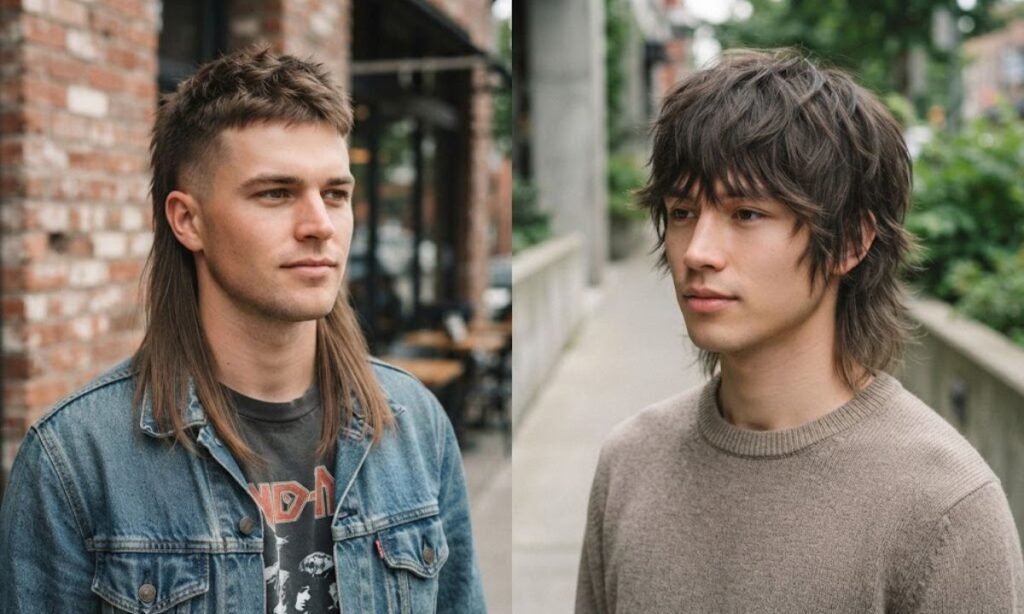
People mix these up all the time. The wolf cut leans on heavy layers and a shaggy shape. The mullet keeps a clear split between the short front and long back.
On straight hair, a wolf cut looks fluffier and more rounded. The mullet looks sharper and more structured. Both need texture through the crown to work.
Pick the wolf cut for softness, or the mullet for contrast. Some people blend both. Show your barber a photo so they know your target.
Best Face Shapes for a Straight Hair Mullet
Face shape guides how much height and width you want. Long face shapes do well with fringe, which shortens the look. Adding vertical length on top can stretch them further, so keep it low.
Round faces benefit from a voluminous crown and cleaner sides. The extra lift adds angles. Wide cheekbones or a broad forehead width call for softer layers at the sides.
Square faces already have strong lines, so soft layers help. Oval faces suit almost everything. Test a few photos before you commit.
Common Mistakes to Avoid
The biggest mistake is skipping the trim. A grown-out mullet loses its edge fast. Book the next visit early.
Another mistake is using too much product. Heavy wax weighs straight hair down. Start with a pea-sized amount and build slowly.
People also forget the back. Untidy necklines make the whole cut look neglected. Ask for a quick cleanup at each visit.
How to Grow Out a Straight Hair Mullet
Ready to move on? A grow-out takes patience but works fine on straight hair. Keep trimming the front so it doesn’t look lopsided. Let the sides catch up slowly.
Use light texture in the meantime, so the shape looks intentional. A little sea salt spray helps. Expect a few awkward months.
Ask your barber for a gradual blend. They can soften the length contrast step by step. You’ll end up with a tidy modern haircut again.
Quick FAQ
Can thin hair pull off a mullet? Yes. Use volumizing mousse and keep layers light. That adds fullness without looking stringy.
How often should I wash it? Every two or three days works for most people. Oily scalps may need more. Listen to your hair.
Is it easy maintenance? Mostly, yes. The easy maintenance comes from short styling and regular trims. Just don’t skip the barber.
You can also checkout this article as well Low Fade Mullet Guide: Styles, Mid and High Options
Conclusion
A straight hair mullet gives you shape, movement, and plenty of personality. Pick your length, choose a fade or taper, and keep the top textured. Small choices turn a wild idea into a modern straight hair mullet that suits your life.
Bring reference photos, talk clearly with your barber, and stick to a four to six weeks trim schedule. Your daily routine stays simple that way. The cut will do most of the work for you.
Have you tried a mullet yet? Tell us your questions or your best styling trick in the comments. Share this guide with a friend who’s been thinking about it.

I’m Michael Charles, the creator of MegaCrazes—your source for fresh hairstyles, sharp haircuts, and simple hair-care inspiration. Find your style. Own your look.